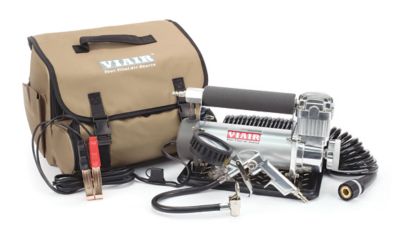
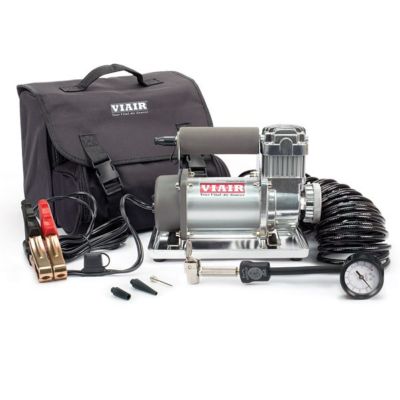
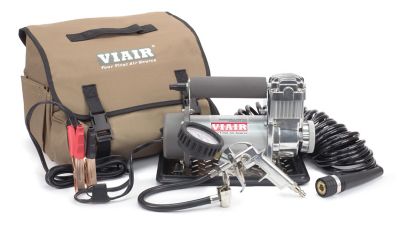
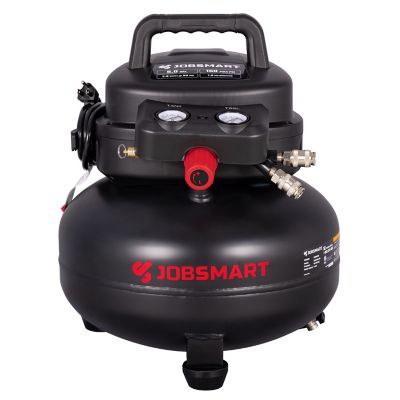
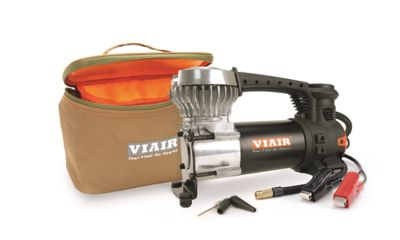
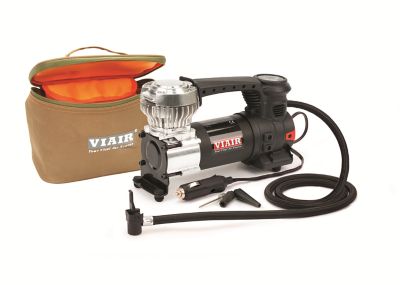
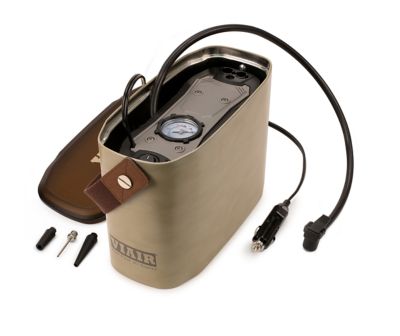
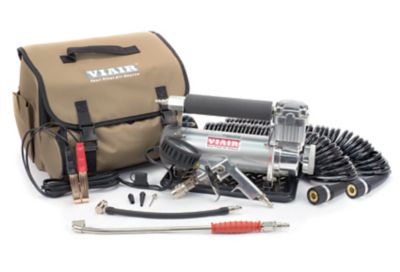
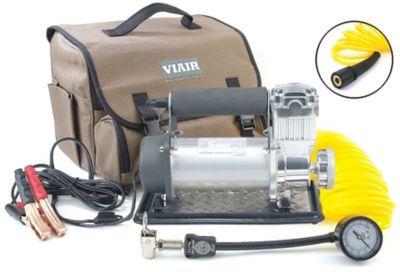
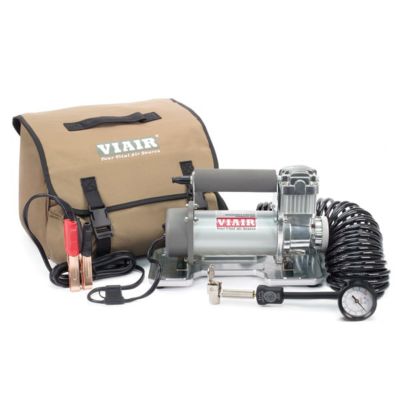
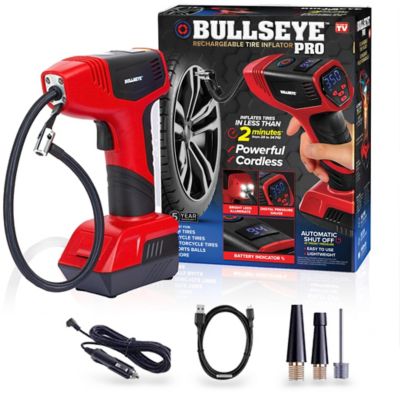
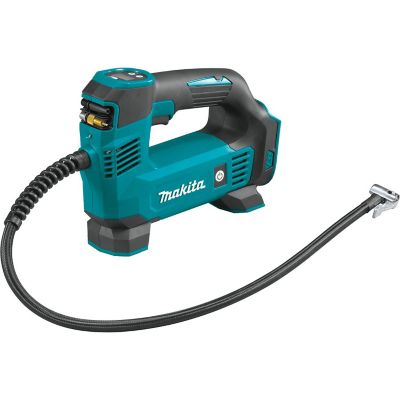
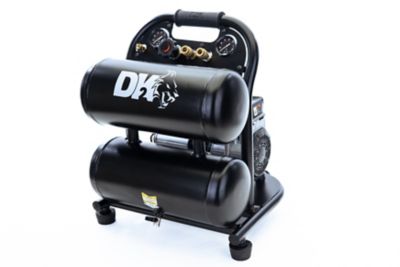
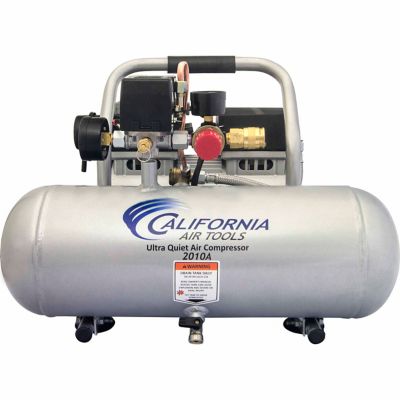
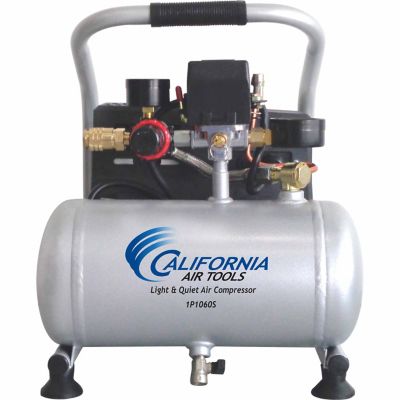
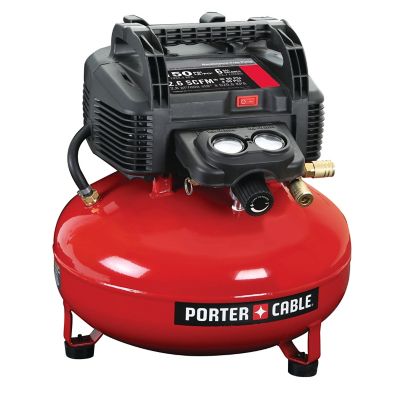
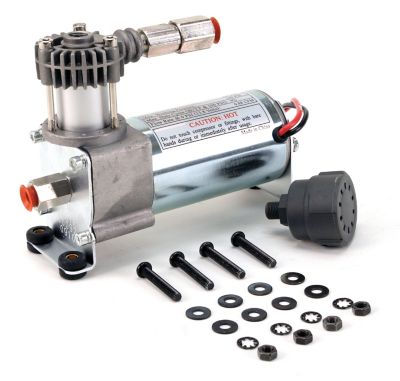
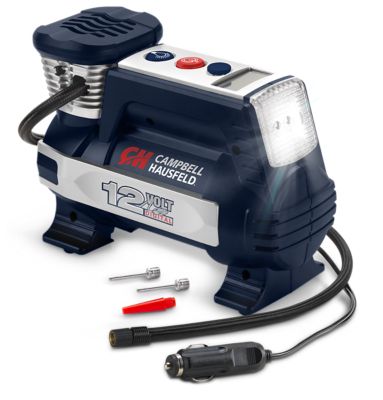
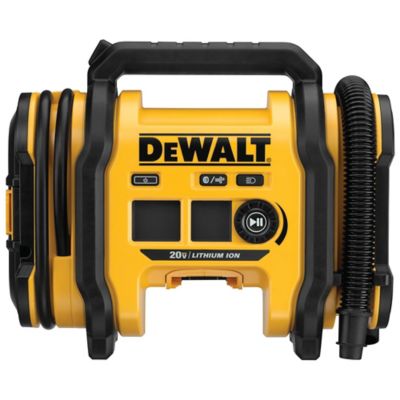
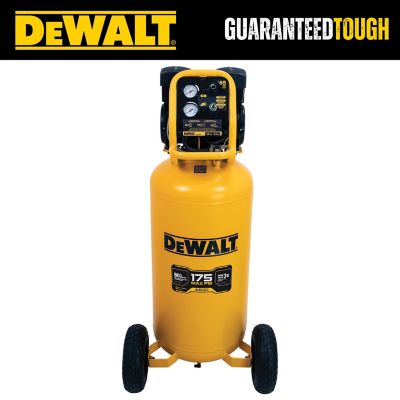
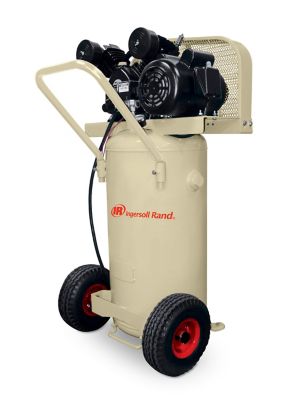
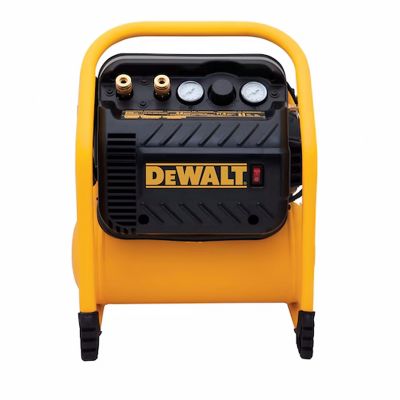
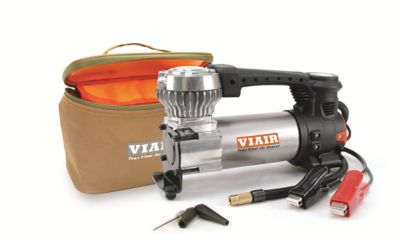
Compact air compressors bring useful compressed air power into places where a full-size shop compressor would be too heavy, loud or cumbersome. These smaller units are handy around the farm, garage, workshop, trailer and house, especially when the job calls for portability instead of a large air reserve. A compact compressor may be used to inflate truck, trailer, ATV, bicycle and mower tires, blow dust from hard-to-reach spots, or run lightweight pneumatic tools such as brad nailers and narrow crown staplers. Tankless inflators are often the smallest option for tire work, while compact electric compressors with 1- to 3-gallon tanks offer a little more reserve for trim projects and other short bursts of tool use. If keeping the unit easy to lift and carry is the main priority, browse
Lightweight Air Compressors for portable choices suited to everyday jobs. These compressors can also make a thoughtful gift for a new homeowner, DIYer, woodworker, ranch hand or anyone who spends time maintaining vehicles and equipment. A small compressor tucked beside a workbench or riding in a service truck can save a trip to the gas station, help finish a fencing repair and make quick inflation jobs less of a chore.
The right compact air compressor depends first on the work you expect it to handle. For occasional tire inflation, look at the maximum pressure, inflation speed, hose length and power connection. A 12V compressor that plugs into a vehicle outlet can be useful on the road, at a hunting camp or beside a trailer, while a rechargeable unit offers cord-free convenience when no outlet is close by. Corded electric models are a practical fit for garages, barns and indoor workshops with access to a standard AC outlet. For pneumatic tools, pay close attention to airflow, listed as CFM, or cubic feet per minute. Tool requirements are commonly measured at 90 PSI, so compare the compressor’s CFM at 90 PSI with the nailer, stapler or other tool you plan to use. A compressor that delivers enough pressure but not enough airflow may run constantly, pause often or leave a nailer struggling to sink fasteners. A compact unit producing around 2 CFM at 90 PSI can suit many light-duty inflation and trim tasks, but always check the tool manufacturer’s requirements. Tank size also matters. A 1-gallon tank keeps the compressor light and easy to store, while a 2- or 3-gallon tank provides more stored air for repeated fastening. More tank capacity does not automatically mean more usable power, though; the pump’s CFM, recovery time and duty cycle still determine how well it keeps up. For painting, sanding, grinding or other air-hungry work, a compact compressor may not provide the steady airflow needed, so confirm the application before buying. Oil-free pumps are popular for their low maintenance and cleaner operation, while quieter designs are worth considering for indoor work, finished spaces or projects near living areas. Noise ratings, vibration, carrying handles, rubber feet and a convenient drain valve can make a noticeable difference when a compressor is used regularly.
Before putting a compact air compressor to work, match the hose, fittings and accessories to the job. An inflation nozzle, tire chuck, blow gun and a set of adapters can cover many routine tasks, including filling sports equipment, air mattresses, wheelbarrow tires and small trailer tires. Use the correct connector for pneumatic tools, and make sure the hose is rated for the pressure the compressor can produce. Check tire pressure with a reliable gauge rather than relying only on the compressor’s display, and follow the pressure recommendation printed on the tire or equipment. For tool work, let the tank build to operating pressure, then use short, controlled bursts while watching the gauge and allowing the pump to recover as needed. Give the motor time to cool according to the manufacturer’s duty-cycle instructions, particularly during warmer workdays or repeated inflation jobs. Keep the unit on a stable, dry surface with room around the vents, and never cover a running compressor or use it in wet conditions unless it is specifically designed for that environment. Drain moisture from a tank as directed, store hoses without tight kinks and protect cords, batteries and fittings from dirt. During the cooler months, a compressor can be especially useful for topping off tires that have lost pressure, preparing trailers and equipment for storage, or handling indoor repair projects when muddy ground and cold weather make outdoor work less appealing. With the right size, airflow, power source and accessories, a compact air compressor becomes a dependable helper for quick maintenance, careful craft work and the small jobs that keep a home, farm or shop moving.