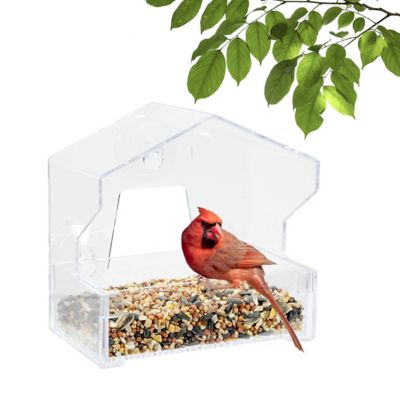
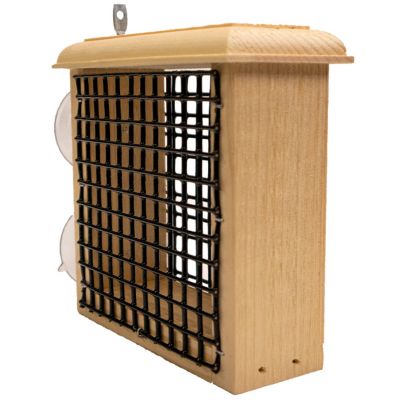
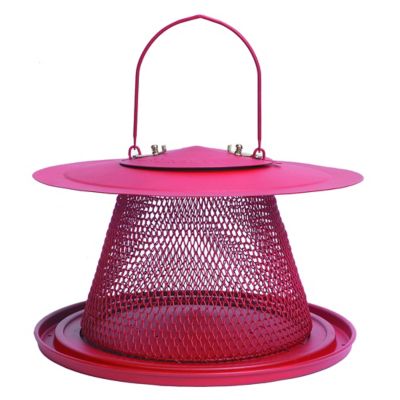
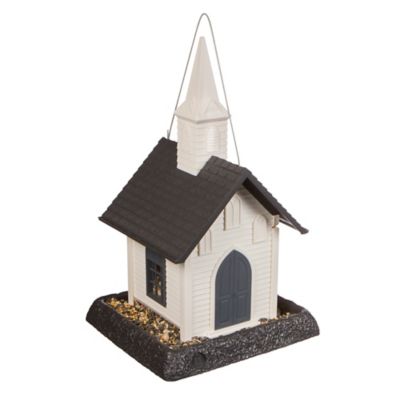
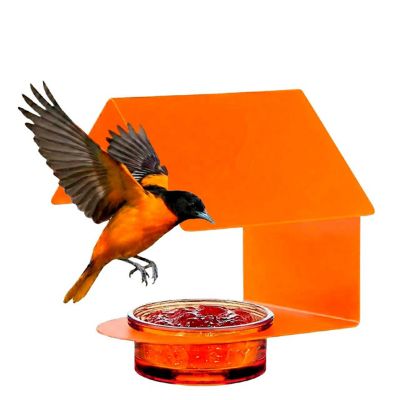
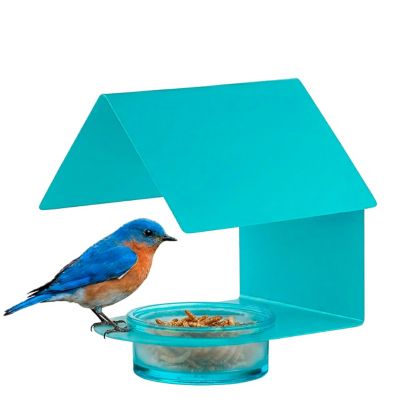
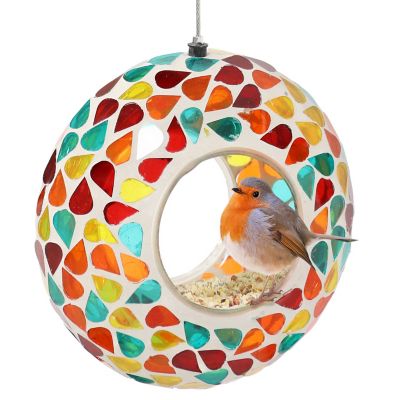
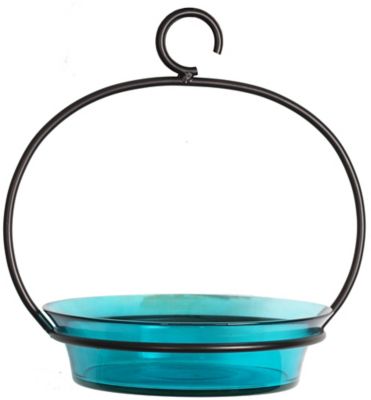
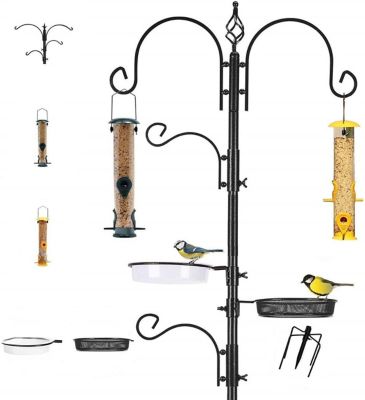
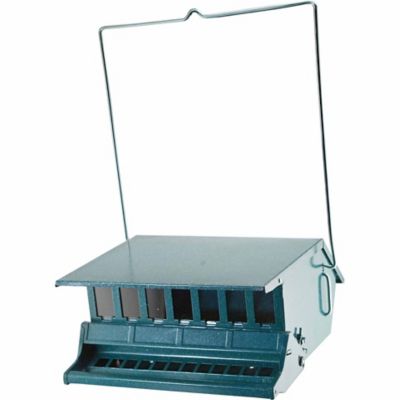
A window bird feeder brings the sights and sounds of backyard birding right up close, making it easy to enjoy visiting birds from a kitchen table, living room chair or home office. These feeders attach directly to the outside of a window, most often with suction cups, adhesive tabs or another type of mounting system, so you can watch small birds feed without needing a large yard or a separate feeder pole. Clear construction is popular because it gives you an unobstructed view of feathers, beaks and busy little feet, while perches give birds a comfortable place to land and eat. When choosing a window bird feeder, consider the size of the viewing area, the strength and number of attachment points, and how simple it will be to take the feeder down for refilling and cleaning. A roomy seed tray can be handy for regular backyard visitors, while a smaller design may suit an apartment window, porch enclosure or a home where space is limited. Look for drainage openings that help keep rainwater from pooling around the food, along with a lid or cover that offers some protection from weather. Durable materials matter, too, especially when a feeder will be exposed to sun, wind and changing temperatures. A
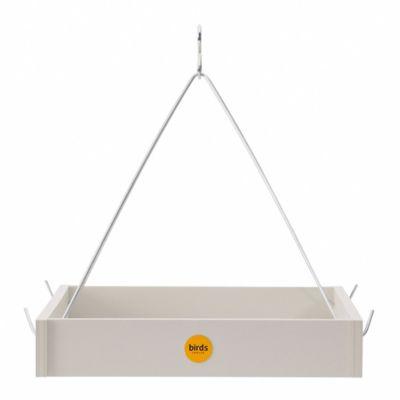
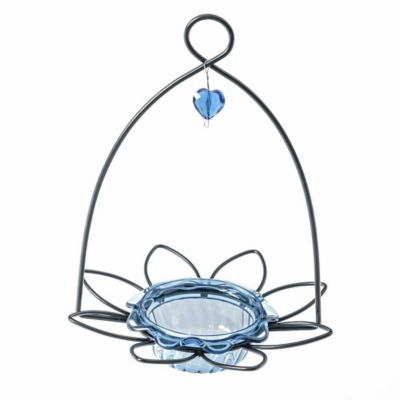
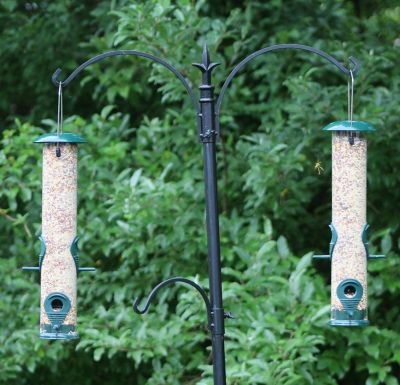
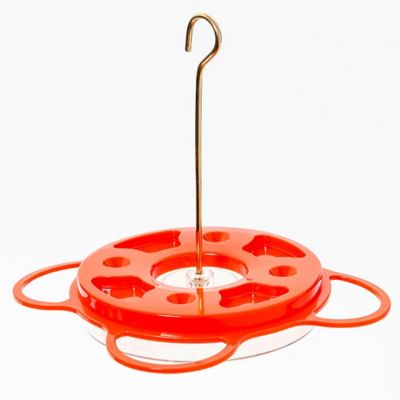
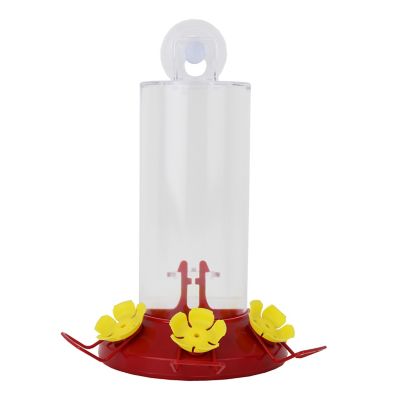
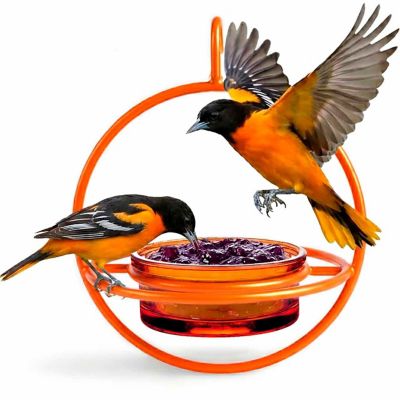
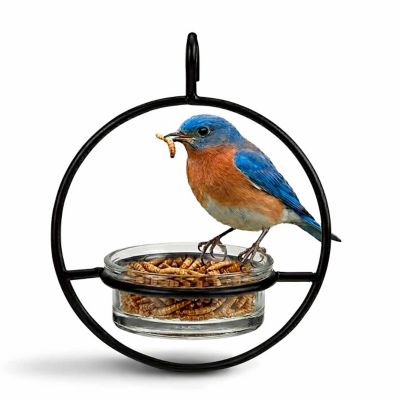
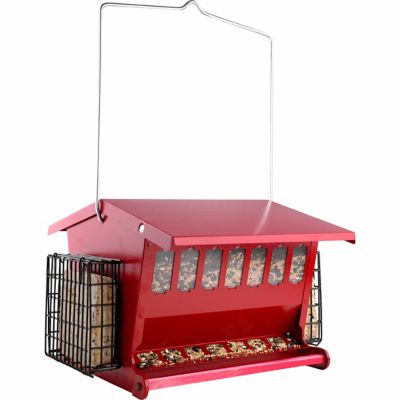
Metal Bird Feeder may appeal to shoppers looking for a sturdy feeding option elsewhere in the yard, while a window-mounted style keeps the action close to the glass. Seed feeders generally attract familiar songbirds such as chickadees, finches, sparrows and cardinals, depending on the food and birds in your area. Specialized nectar feeders are made for hummingbirds and need different care than seed feeders. Checking the feeder’s capacity and food requirements before buying helps you choose a setup that fits your routine instead of one that needs more attention than you can give it.
A clean window is the best starting point for a secure installation. Wash the glass with water and a cloth, remove dust and greasy residue, then dry it thoroughly before pressing suction cups or adhesive mounts into place. Even a thin layer of dirt can keep a suction cup from sealing well, and a feeder that loosens may spill seed or fall from the window. Follow the mounting instructions that come with the feeder, press each attachment point firmly and give it a gentle check before adding food. Position the feeder where you can see it easily, but avoid placing it right beside a busy doorway, outdoor pet area or spot where predators can hide. Window markers or bird-safe stickers on the glass can make the window more visible and help reduce the chance of birds striking it, especially when the feeder is near a broad, reflective pane. It can take several days or even a few weeks for birds to notice a new feeder and decide it is safe. Starting with a familiar seed and keeping the feeder in the same location gives local birds time to build confidence. Refill only with fresh food, and avoid packing more into the tray than the birds can eat before it becomes damp or stale. Seed hulls, droppings and wet food should be cleared away regularly. Empty the feeder, wash it with warm soapy water, rinse it well and allow it to dry fully before refilling. Nectar feeders require especially frequent cleaning, since sugar water can spoil quickly during warm weather; replace the nectar according to the feeder directions and clean away any sticky residue. During the cooler months, check for ice, windblown debris and loose mounts, and move or remove the feeder if severe weather makes the window attachment unreliable. Keeping the feeding area tidy helps protect visiting birds and makes the view more enjoyable for everyone inside.
Window bird feeders are a thoughtful gift for bird lovers, grandparents, families with children or anyone who enjoys a little outdoor activity from the comfort of home. They can be a fine choice for a housewarming gift, a classroom nature project or a quiet way to add interest to a sunroom, porch window or retirement home. Children often enjoy keeping a simple bird journal, noting the colors, shapes and feeding habits they see, while adults may appreciate the calm rhythm of birds stopping by during a busy day. A window feeder also works well for people who do not have room for a traditional bird-feeding station, including renters, apartment residents and folks with small patios. As the weather warms, it may bring a steady parade of active songbirds and hummingbirds close to the glass; as the air turns cooler, it can offer a clear view of birds searching for dependable food. The best placement depends on the layout of the home and the habits of local wildlife, but a quiet window with a good indoor view is usually a practical choice. Keep cats and other pets from startling birds at the glass, and place food where it will not create a mess on outdoor furniture or walkways. With the right feeder, suitable food, a clean mounting surface and regular upkeep, a window bird feeder turns an ordinary pane of glass into a front-row seat for backyard wildlife.