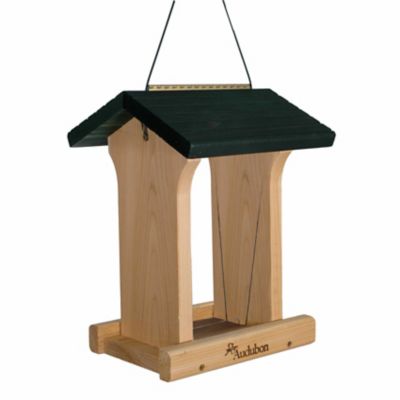
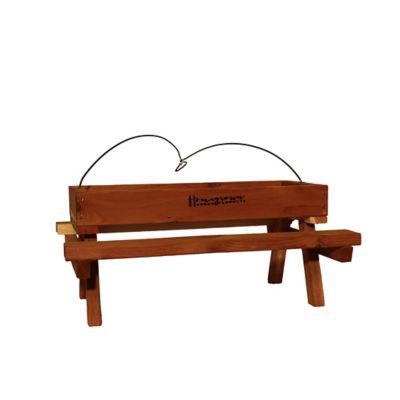
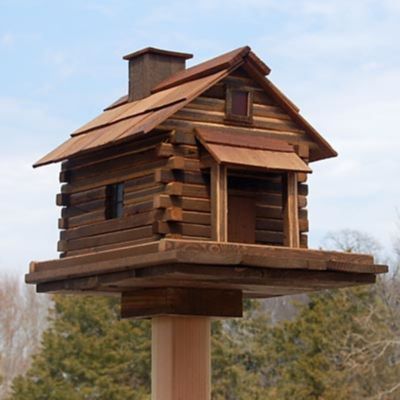
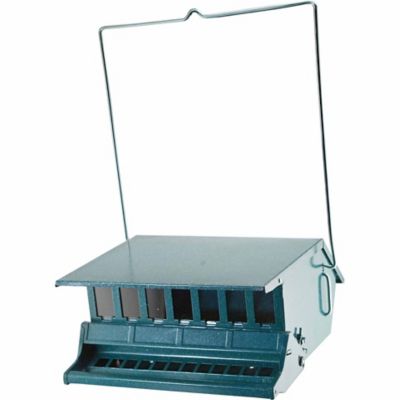
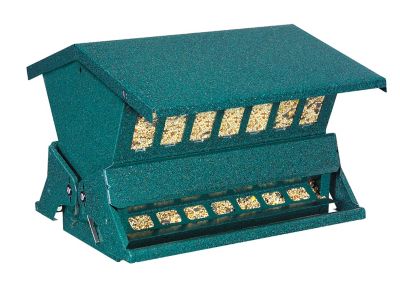
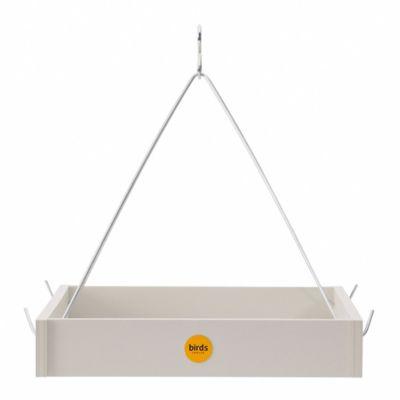
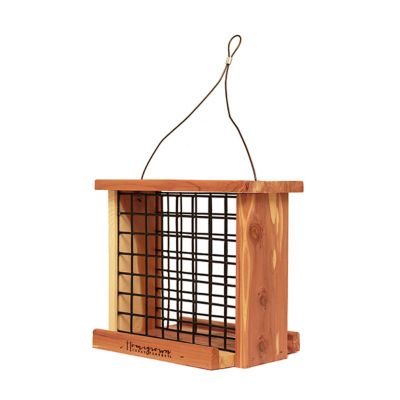
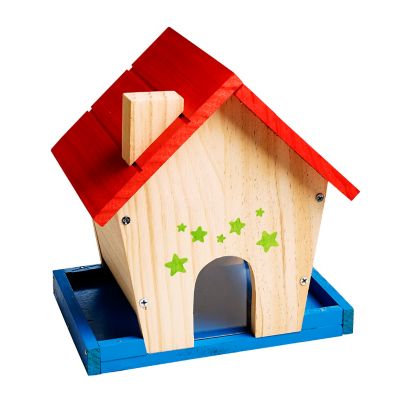
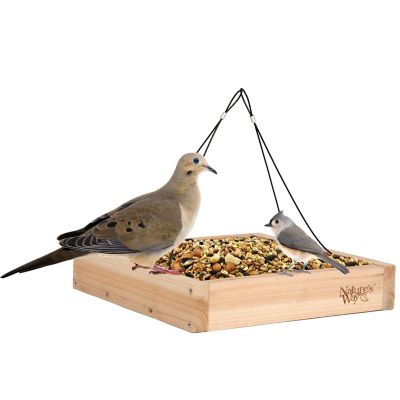
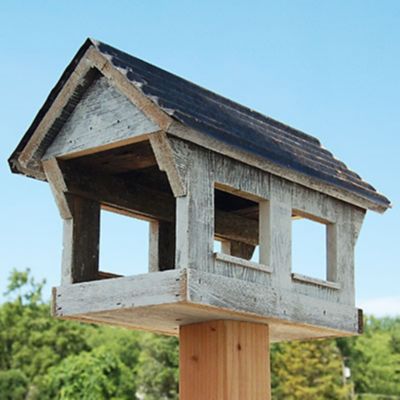
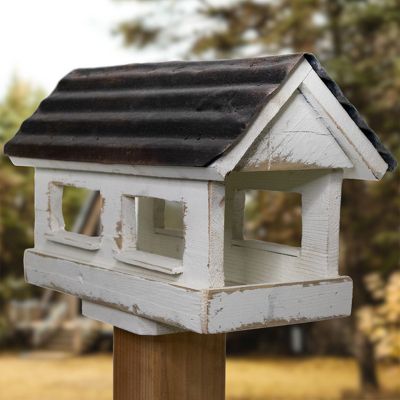
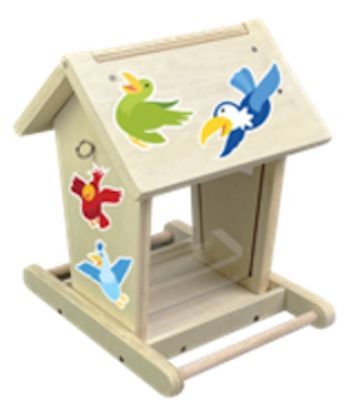
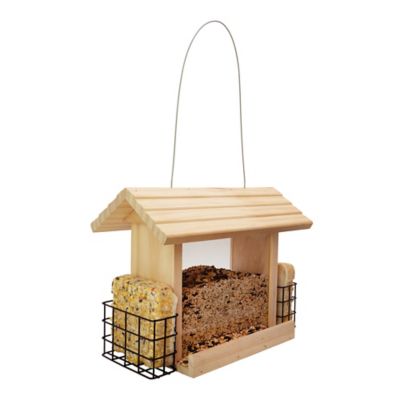
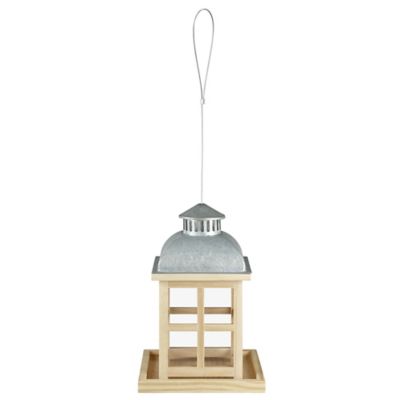
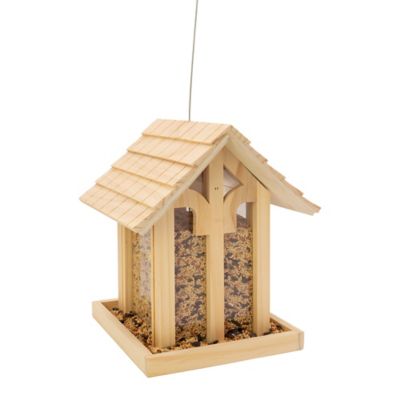
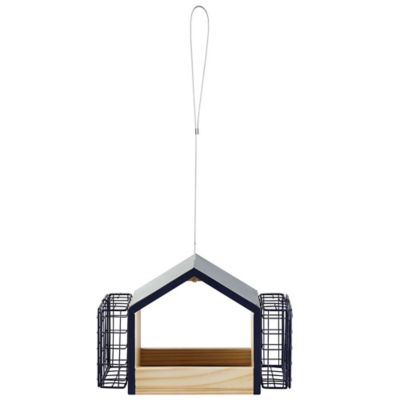
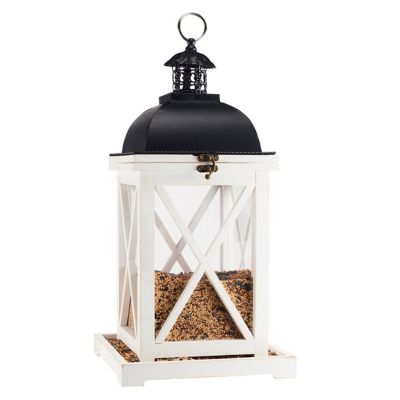
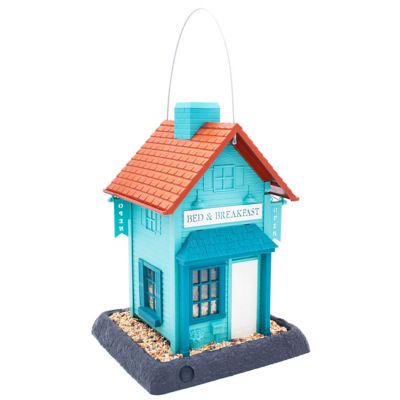
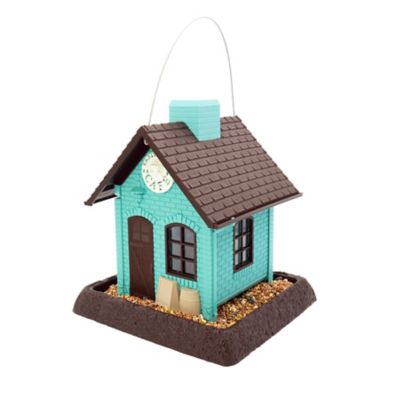
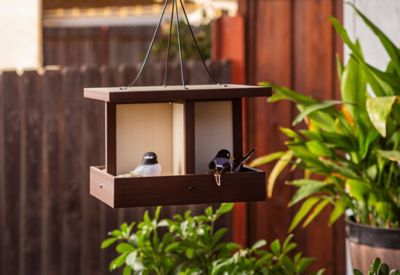
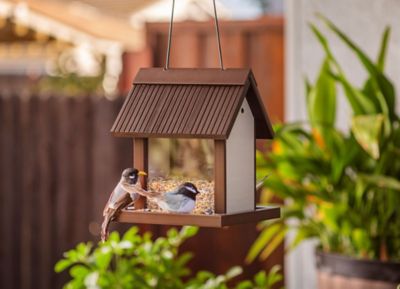
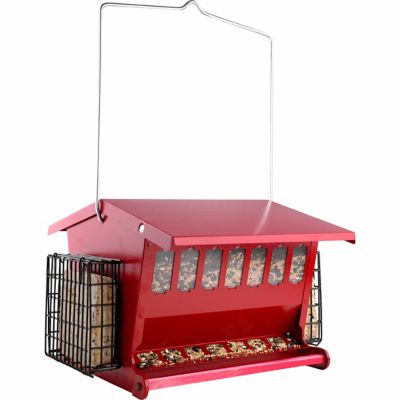
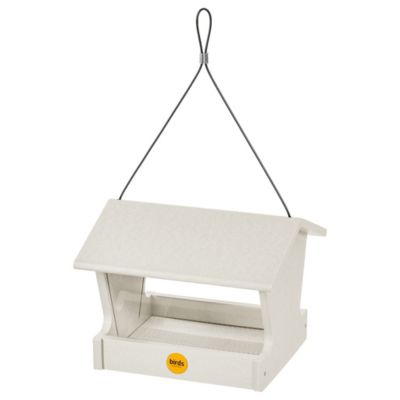
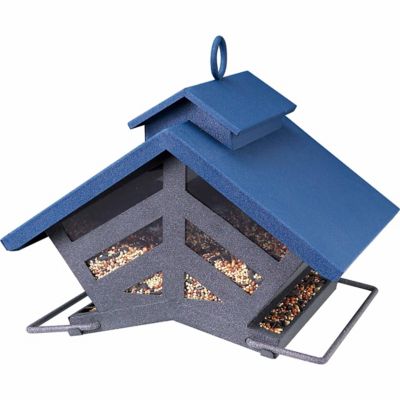
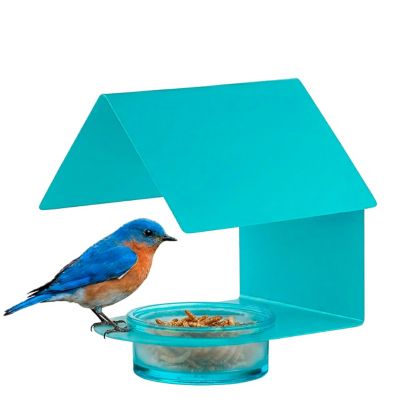
A wooden bird feeder is a bird-feeding station made wholly or partly from timber, lumber, or other wood-based materials. It gives your yard a warm, natural look that blends easily with trees, fences, porches and garden beds, while offering wild birds a dependable place to find seed. For many folks, watching birds at a feeder becomes part of the daily rhythm: a cup of coffee by the kitchen window, a few minutes on the porch, and a little movement among the branches as chickadees, finches, cardinals, sparrows and other backyard visitors stop by. Wooden feeders can work well in country yards, suburban gardens, farmhouses, school gardens and community spaces. When choosing one, take a close look at the construction and layout. Solid, well-finished wood can help a feeder stand up to outdoor use, while a covered roof helps keep seed sheltered from rain and light snow. Openings should make it easy for birds to reach the seed without leaving the food exposed to every passing shower. A raised perch, tray or platform may appeal to different bird species, so think about the birds already visiting your area and the view you have from inside the house. A feeder placed where you can see it from a favorite window is more likely to become part of your routine, but it should still be far enough from busy walkways, doors and places where pets spend time. The surrounding area matters, too. Birds appreciate nearby shrubs, brush or small trees where they can pause and watch for danger, although the feeder should not sit so close to dense cover that cats can hide within striking distance. A clear sightline and a little open space around the feeder can make the setup more comfortable for both birds and bird watchers.
When comparing a wooden bird feeder, consider how much seed it holds, how easily it fills and how simple it is to clean. A larger hopper can reduce the number of refills for a busy household, while a smaller feeder may be a better fit for a compact yard or someone who prefers to refresh the seed often. Look for a roof or overhang that lifts without a struggle, and check whether the feeding area can be brushed out or wiped down thoroughly. Keeping seed dry is important because damp food can spoil, clump together or attract unwanted pests. Toss out old or wet seed, sweep away hulls and droppings, and wash the feeder with mild soap and water as needed. Let every part dry completely before adding fresh seed. During the cooler months, birds use extra energy to stay warm, and a clean, reliable food source can make your yard a welcome stop between natural meals. Black oil sunflower seed is a common choice for attracting a broad range of backyard birds, while blends may bring a mix of colors and sizes to the feeding area. Always store seed in a dry, sealed container that rodents cannot easily reach. Squirrels and larger birds can be persistent, so placement and feeder design deserve some thought. Hanging a feeder from a sturdy branch or support can help, and keeping it away from roofs, railings and nearby launching points may make it harder for climbing animals to reach. Even with a well-placed feeder, some seed will find its way onto the ground. A catch tray can help reduce waste and make cleanup easier, but ground feeding should be managed carefully so the area does not become muddy or overly crowded.
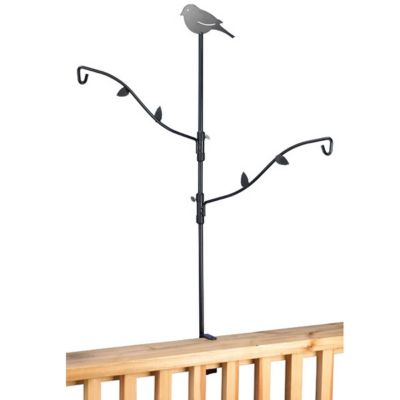
A wooden bird feeder can be a thoughtful gift for a new homeowner, a grandparent, a teacher, a nature-loving friend or anyone who enjoys a little life outside the window. It is especially fitting for families, since children can help choose a location, refill the seed and keep a simple notebook of the birds they see. For an older relative, a feeder placed near a comfortable chair or sunny window can add interest to the day without requiring a long walk through the yard. Gardeners may appreciate how a feeder adds activity and character to a landscape, while hunters, landowners and rural families often enjoy seeing native birds around the barn, shed or back steps. Pairing a feeder with a bag of suitable seed, a small cleaning brush or a field guide can turn it into a practical, personal gift without making the setup complicated. Before hanging it, make sure the support is sturdy and the location is easy to reach safely for refilling. A shepherd’s hook, post, tree limb or porch overhang may work, depending on the design and the layout of your property. Wood naturally brings a softer, more traditional appearance than metal or plastic, but outdoor exposure will still affect it over time. Check the finish, seams, roof and mounting points occasionally, especially after strong wind or wet weather. Some people enjoy letting a feeder weather naturally, while others prefer to maintain its original appearance with an outdoor-safe finish that is suitable for the material and used according to the label. For more help comparing styles, sizes and features, browse the
Best Bird Feeder options before choosing a setup that fits your yard. With a good location, fresh seed and regular cleaning, a wooden bird feeder can become a lasting part of the landscape and a simple way to bring the sights and sounds of the outdoors a little closer.