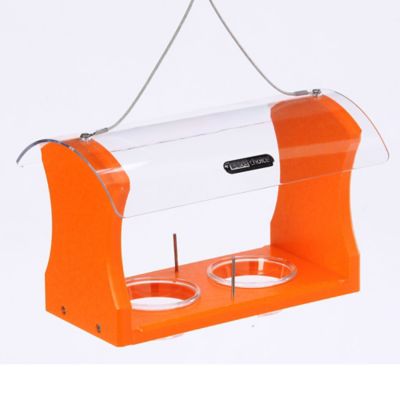
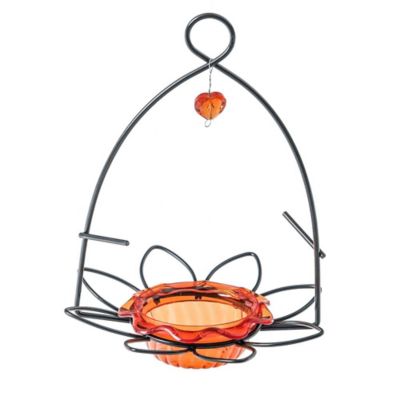
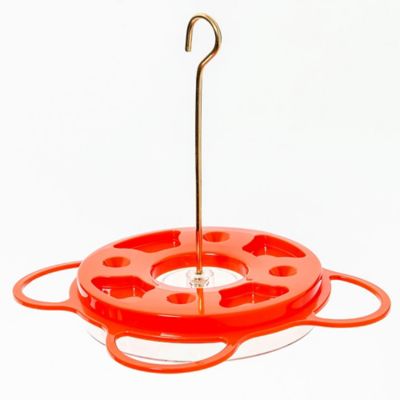
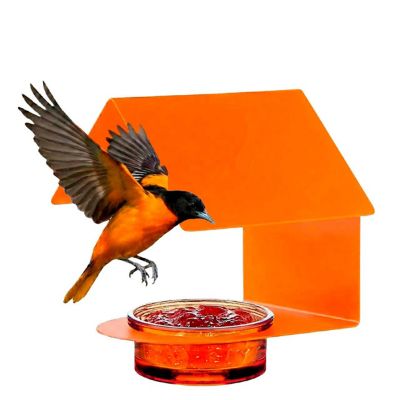
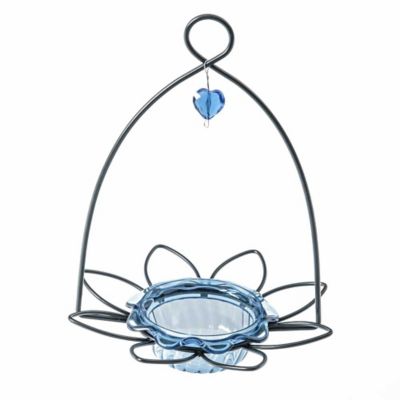
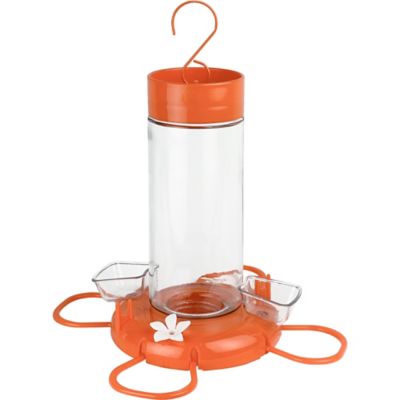
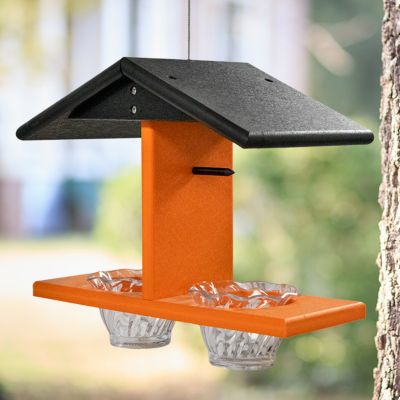
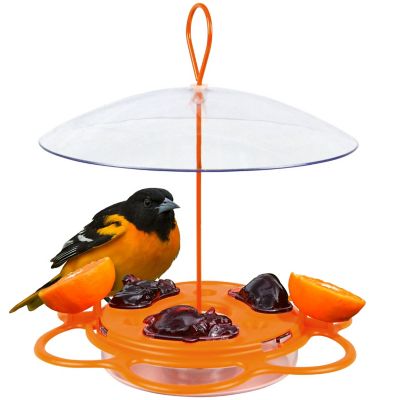
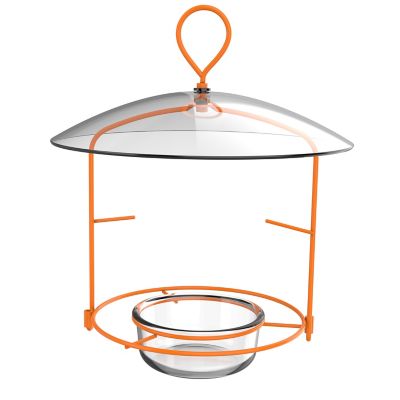
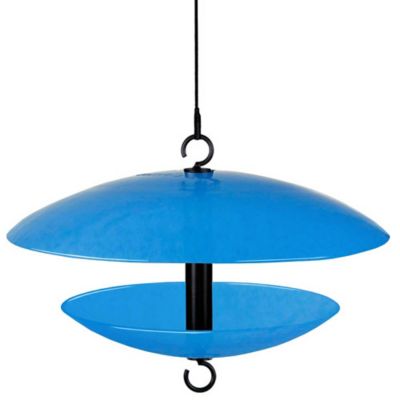
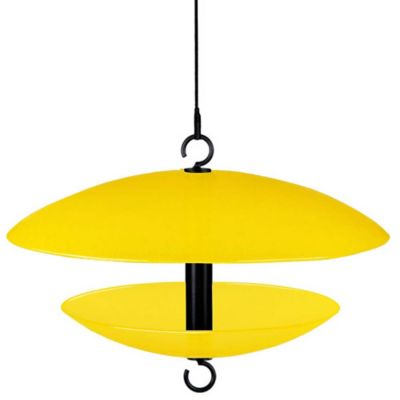
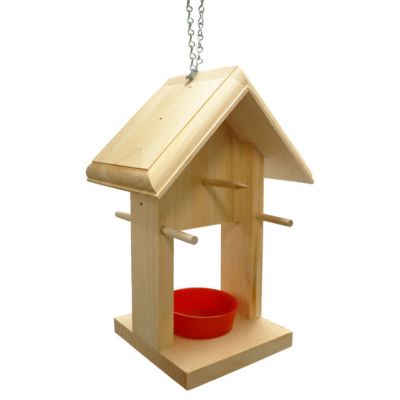
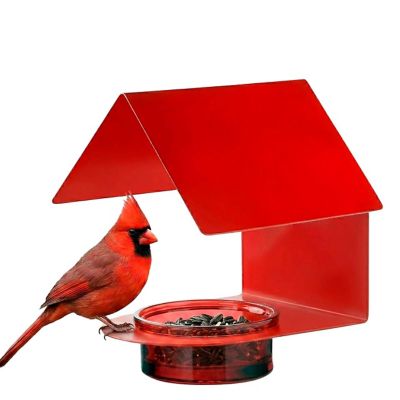
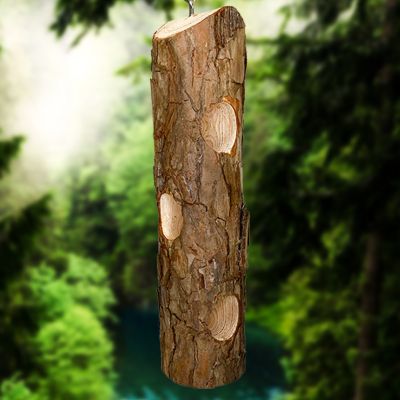
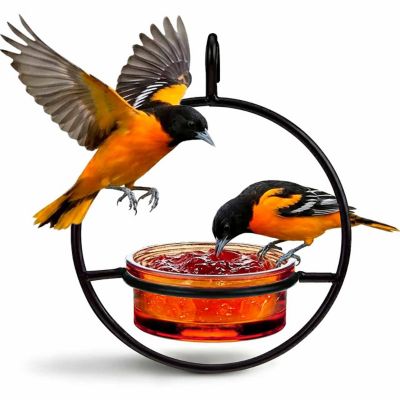
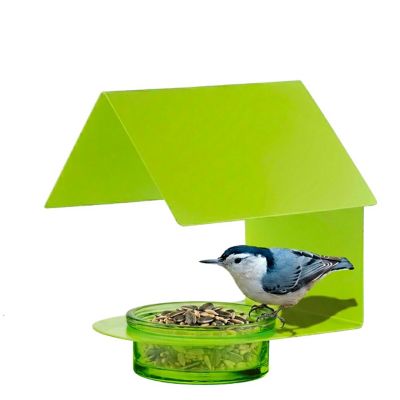
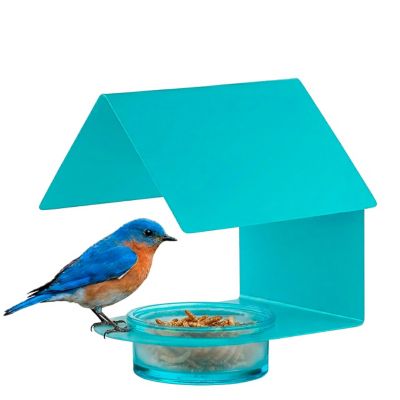
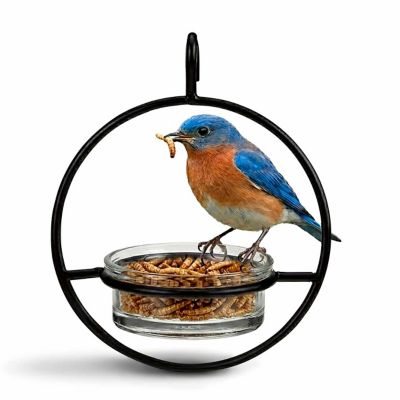
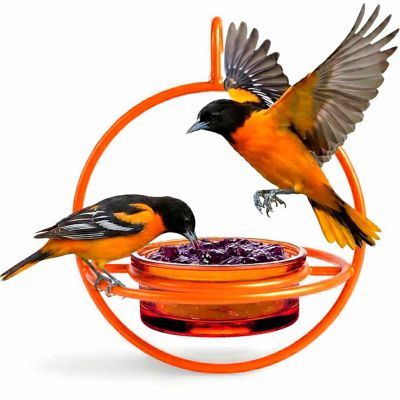
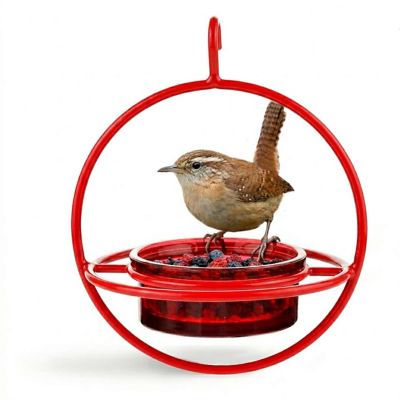
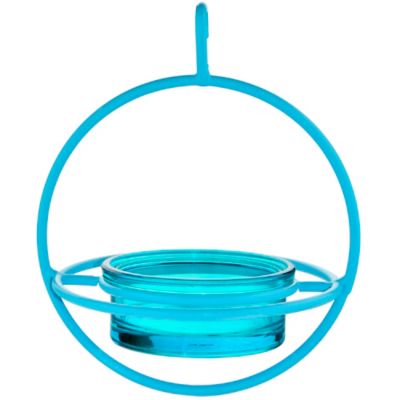
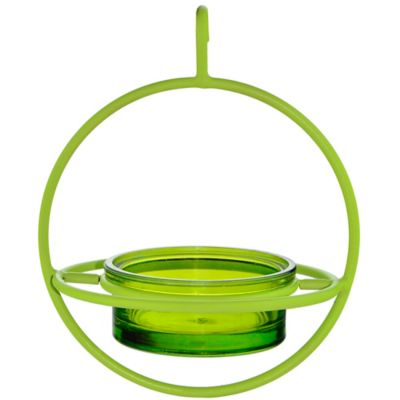
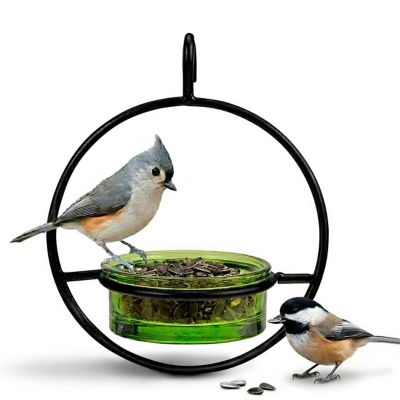
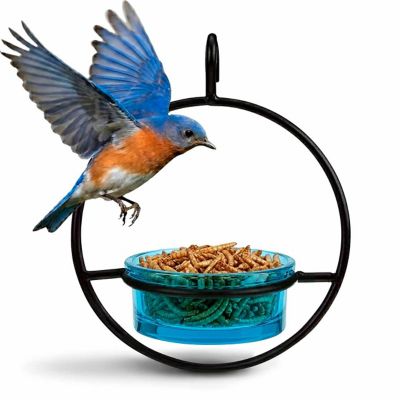
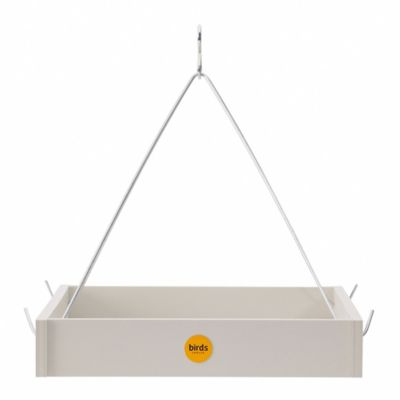
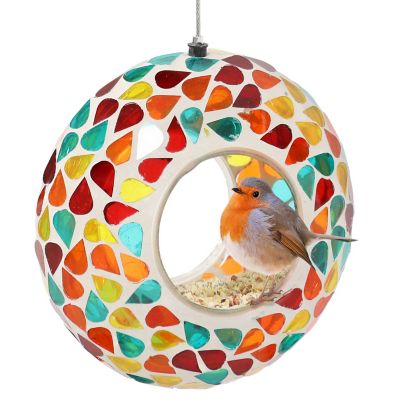
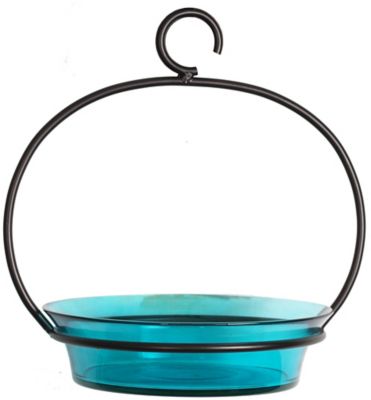
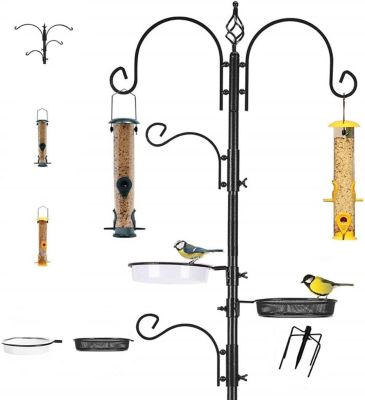
An oriole feeder is a bird feeder designed to offer fresh oranges, grape jelly or sugar-water nectar. Many have bright orange parts that help catch an oriole’s eye, along with wider perches and more landing room than a typical hummingbird feeder. The food holder is what really sets one style apart from another. A fruit feeder may have pegs that hold orange halves with the cut side exposed, while a shallow cup keeps a small serving of plain grape jelly within reach. A nectar feeder holds sugar water in a reservoir and has ports an oriole can drink from without having to balance on a perch meant for a much smaller bird. Some feeders make room for more than one food, which suits a yard where orioles make regular stops and show a preference for one offering over another. Others keep things simple with a single cup or a pair of fruit pegs. Unlike a seed feeder that holds a supply of sunflower seeds, an oriole feeder is more of a spot for small, fresh servings. Orioles also eat insects and forage for fruit on their own, so a feeder serves as a supplement rather than a complete diet. Baltimore orioles are more familiar across the eastern United States, while Bullock’s orioles are found mainly in the West. It’s worth keeping local bird activity in mind, especially if the yard already has trees where birds stop to forage. An orange feeder can make the food easier to spot, but it still needs to give a bird room to land, settle and eat. A perch beside the cup or fruit is more practical than one set so far back that the bird has to lean over the edge to take a bite.
How a feeder fits the spot matters as much as what goes in it. A hanging style can work off a shepherd’s hook or a sturdy branch, while a pole-mounted style keeps the feeding surface steady when a bird lands off-center. Check how much room there is around the feeder once the hanger, fruit and perches are all in place. An orange half that sticks out past the frame needs clearance, and a cup that lifts straight out is easier to refill if there’s room to reach it without taking down the whole feeder. Clear reservoirs make it easy to see how much nectar is left and whether it has turned cloudy. Glass lets the contents show and washes up well, though it adds weight to the hanger and can break if dropped on a hard surface. Molded plastic is lighter to carry back and forth to the sink, and a smooth cup has fewer places for sticky food to collect. Metal can provide a firm perch or frame; at the joints and hanging points, look for a finish that holds up to repeated rinsing and a hanger that sits squarely under the feeder’s full weight. Removable cups, refill openings wide enough for a brush and parts that fit back together without much fuss all make a difference over repeated cleanings. Fruit dries out, jelly can collect debris and sugar water needs frequent replacement, even when the reservoir still looks full. A modest portion is easier to keep fresh, especially at a new feeding spot where visits are still hit or miss. A feeder that comes apart readily is also easier to wash and rinse before adding fresh food, rather than topping off what’s left.
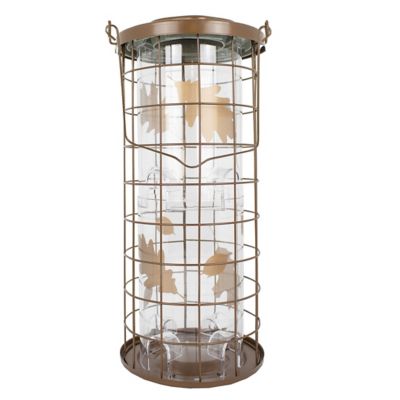
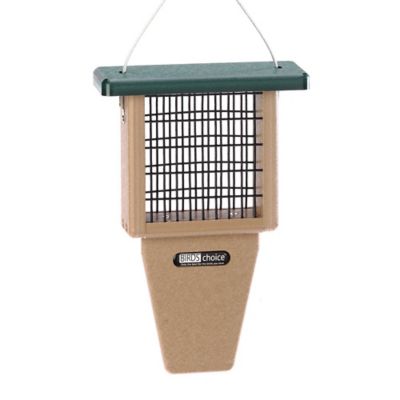
A good fit for a porch, garden or farmyard is often the feeder that’s easy to see, easy to reach and far enough from the busiest traffic to give birds a little room. A spot near trees can give orioles a place to pause before flying down, while clear space around the perches leaves them room to come and go. On a property where the dogs tear past the back steps or the gate gets swung open all day, a hook along a quieter stretch of the yard may make more sense than the one nearest the door. A spot in view of the kitchen sink or a porch chair lets someone notice a brief visit without standing out by the feeder, and a mounting height within easy reach makes it less of a chore to swap out a spent orange half. In a yard that already has seed feeders, a separate spot for fruit and nectar also keeps spilled seed out of the jelly cup and gives orioles some space away from the regular crowd. For a feeding area that sees plenty of squirrel traffic, the
Squirrel Bird Feeder page is another place to browse while sorting out the rest of the setup. An oriole feeder can make a fitting gift for a backyard bird watcher who already keeps a seed feeder filled, a gardener who likes to see what visits the fruit trees, or a family that can watch the feeder from the breakfast table. A simple fruit holder fits someone who wants to set out an orange half and see what turns up. For someone who already watches orioles make the rounds, a feeder with separate places for fruit and jelly leaves room to offer both without mixing them together. In either case, a steady perch and a food holder that’s easy to rinse can matter more in daily use than how much the feeder can hold.