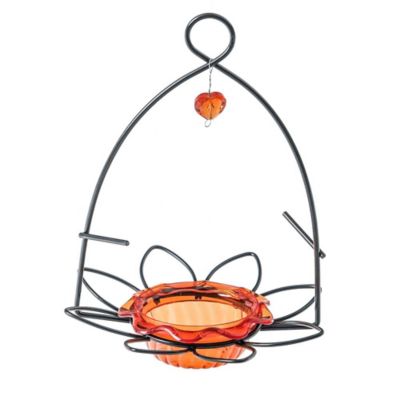
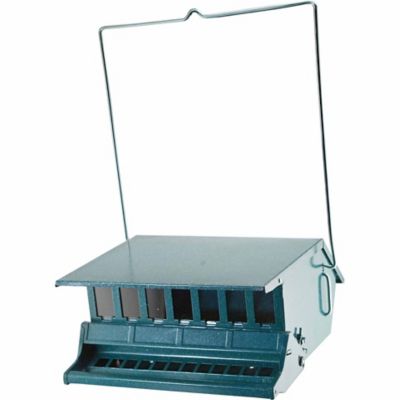
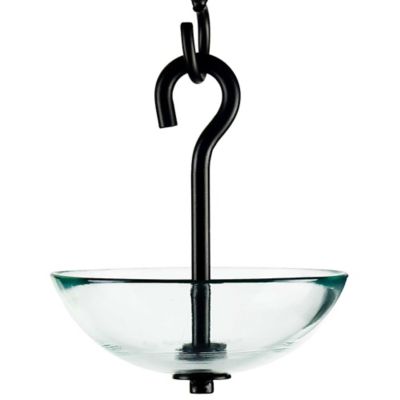
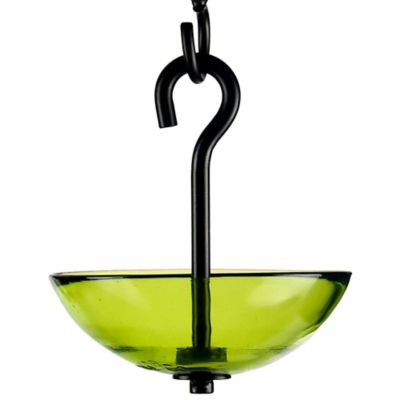
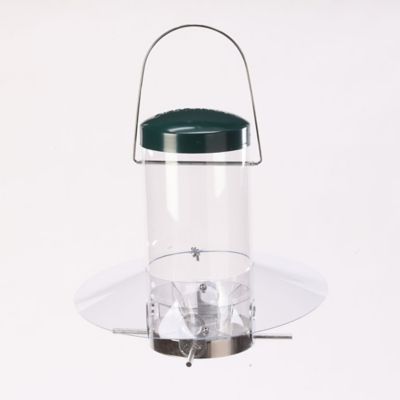
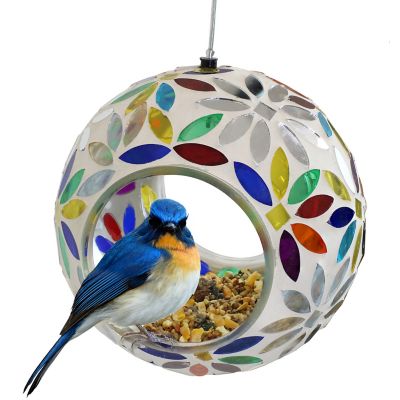
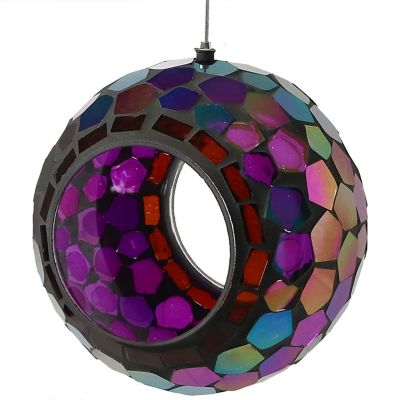
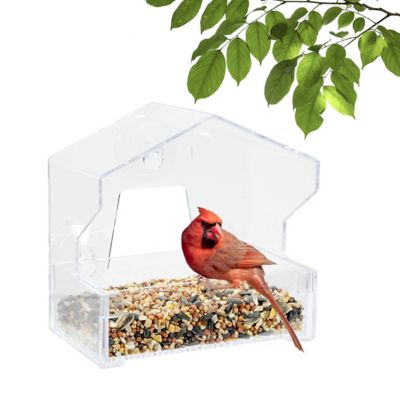
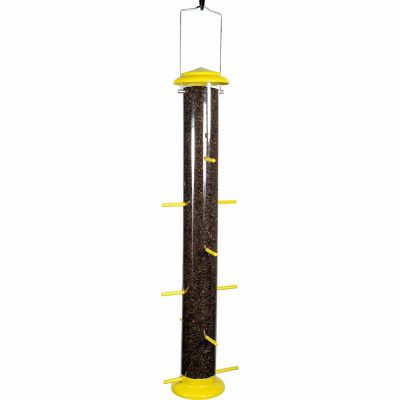
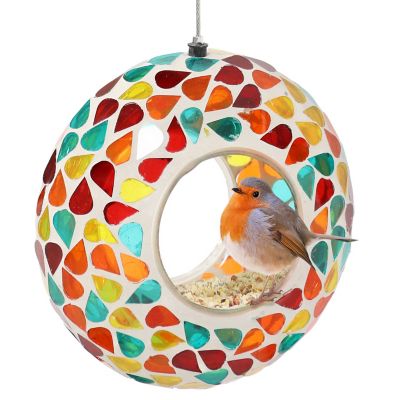
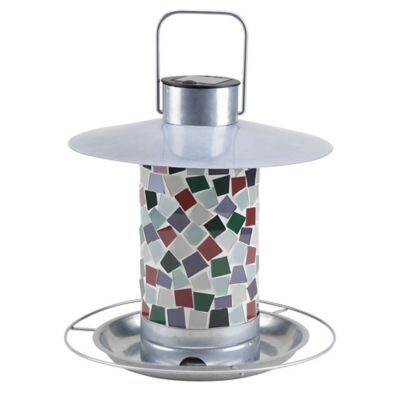
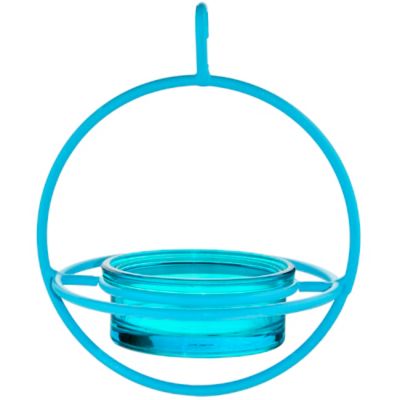
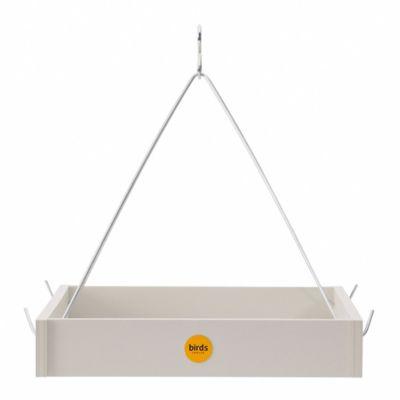
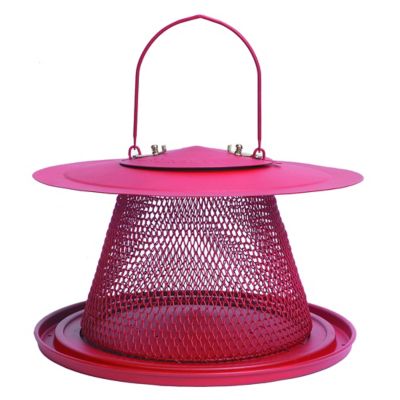
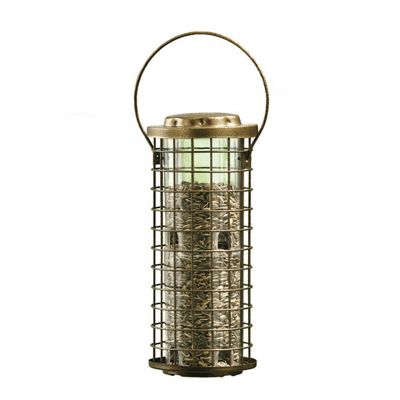
Balcony bird feeders make it easier to enjoy backyard birdwatching even when your outdoor space is limited to a small apartment, condo, or townhome balcony. A well-placed feeder can turn a plain railing into a lively little stopover, with finches, chickadees, cardinals, sparrows, and other familiar visitors dropping in for a quick meal. The best choice depends on your balcony layout, the birds you hope to see, and how much room you have for cleaning and refilling. Window-mounted feeders attach directly to glass with strong suction cups and offer an up-close view from inside, making them a handy pick for families, older bird lovers, or anyone who enjoys watching wildlife from a kitchen table or living room chair. A clear feeder can also help birds get used to the space while giving you a close look at their feeding habits and natural coloring. For a railing, clamp-on trays and platform feeders provide a sturdy, no-drill setup that works on many wood or metal rails. Look for adjustable clamps, secure fasteners, and a broad feeding surface that will not wobble when a larger bird lands. Compact hanging tube feeders are another good fit for balconies with an overhead hook, bracket, or railing arm. Their narrow design takes up little space, and many are well suited to smaller seeds such as nyjer or thistle that attract finches. If you are comparing a balcony feeder with a window-mounted option, a
Window Bird Feeder can be especially useful where drilling is not allowed or where a close, eye-level view matters most.
Small spaces call for a little extra thought before choosing a feeder. Start by measuring the railing, window area, or mounting location, and check that the feeder will not block a door, walkway, or neighboring view. A secure attachment matters on any balcony, particularly where gusty weather can make a lightweight feeder swing or shift. Clamp-on styles should be tightened firmly without damaging the rail, while suction-mounted feeders need clean, smooth glass and periodic checks to make sure the cups remain sealed. Hanging feeders should be placed where they are easy to reach for refilling but far enough from the edge that spilled seed does not scatter onto lower balconies, sidewalks, or shared spaces. Catch trays, seed guards, and outdoor mats can help collect stray hulls, feathers, and bits of food, and a nearby pot of hardy flowers may soften the area while providing another welcoming spot for pollinators. Seed choice is just as important as feeder style. Hulled sunflower chips create less mess because birds eat the seed without leaving a pile of shells behind. Nyjer or thistle works well in appropriate tube feeders and is a favorite of many finches, while suet cakes can provide a high-energy option during cooler weather when birds need extra fuel. Use fresh, dry seed and avoid filling a feeder beyond what local birds can eat in a few days. Damp food can spoil, and old seed may attract unwanted pests. A small balcony feeder is also easier to manage when it is cleaned regularly with warm, soapy water, rinsed well, and allowed to dry completely before adding fresh food. Keep an eye on the floor beneath the feeder, sweep up scattered seed, and remove wet or moldy food promptly. These simple habits help keep the feeding area pleasant for both birds and neighbors.
Balcony bird feeders can be a thoughtful gift for a new apartment resident, a grandparent who enjoys watching wildlife, a child learning to identify local birds, or a friend who has always wanted a backyard feeder but does not have a yard. They are also a practical choice for anyone who spends time indoors and appreciates a bit of movement outside the window as the weather shifts from warm days toward cooler months. A compact feeder, a suitable seed, and a small brush for cleanup can make a useful housewarming or birthday gift without taking up much storage space. Before setting one up, renters should review their lease, and condo residents should check association rules, since some properties limit items attached to railings, windows, or the outside of a building. It is wise to consider nearby doors, outdoor pets, and local wildlife as well. Place the feeder where cats cannot easily reach it, keep it away from spots where birds may collide with glass, and avoid locations directly beside a busy walkway. Window feeders should be mounted according to the included instructions and checked from time to time, especially after strong wind or a stretch of rain. Railing feeders are often easiest to maintain when positioned near a balcony corner, where they leave the main sitting area open and give birds a little separation from household activity. With the right fit, a balcony bird feeder can provide a dependable food stop and a front-row view of everyday bird life—from a bright finch balancing on a perch to a chickadee darting in, grabbing one seed, and disappearing into the leaves.