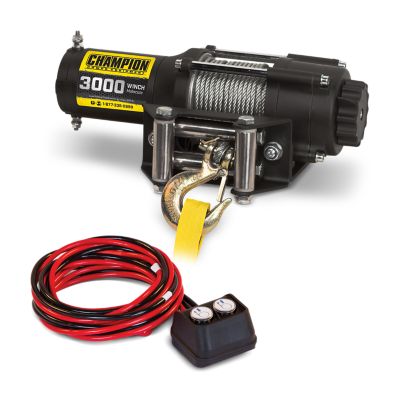
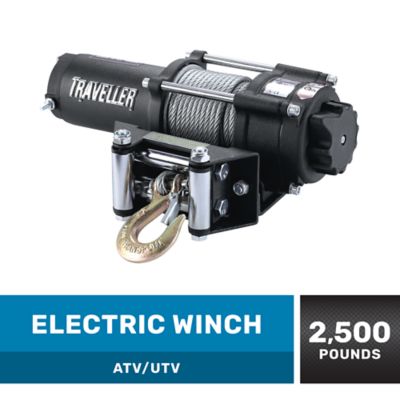
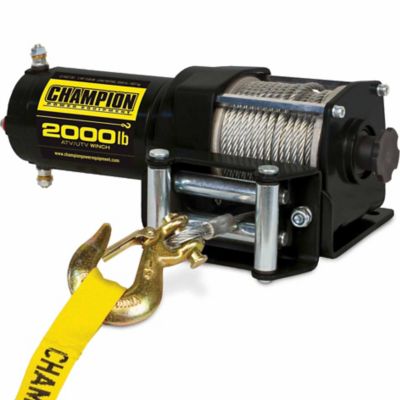
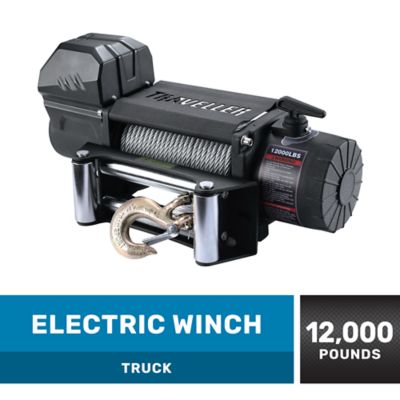
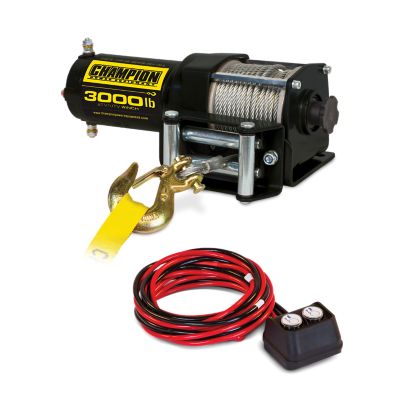
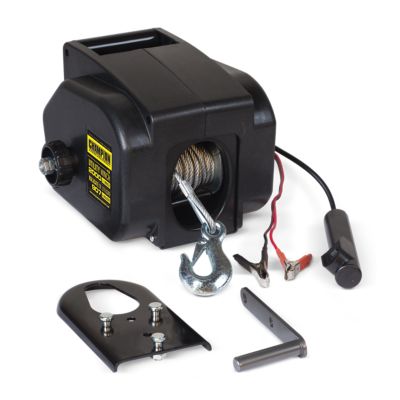
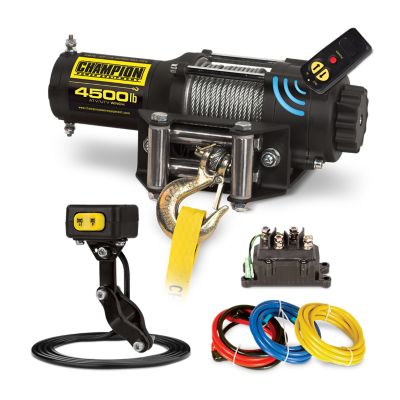
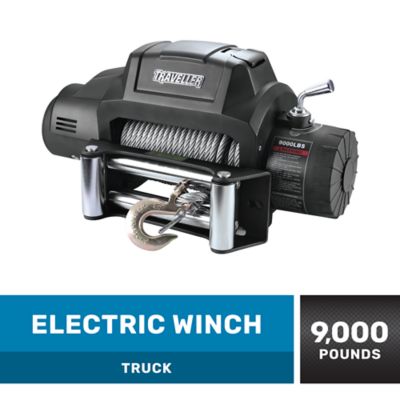
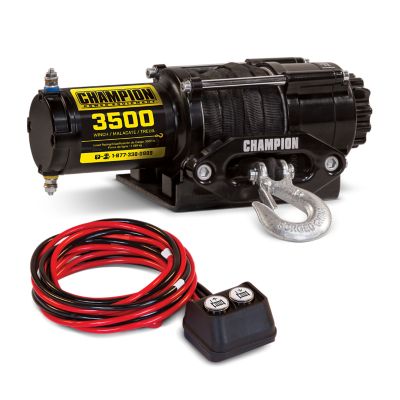
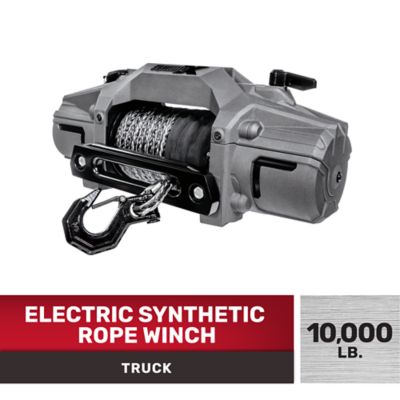
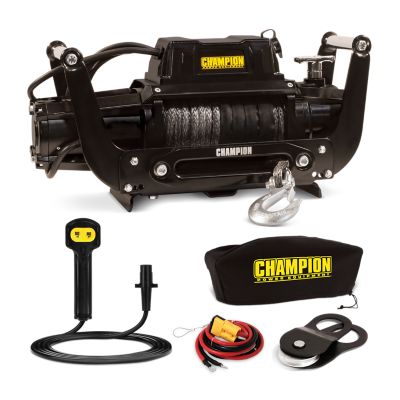
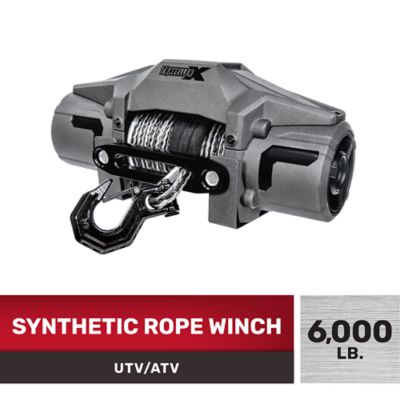
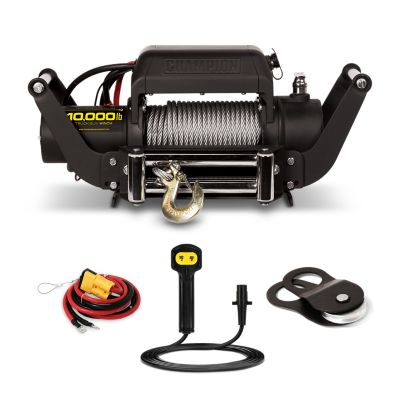
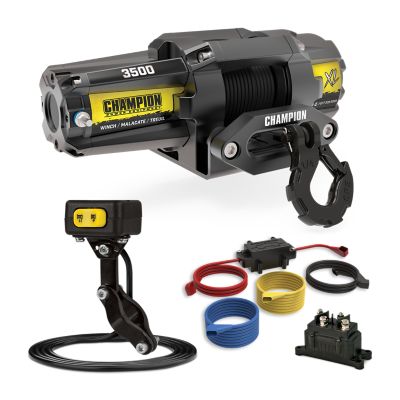
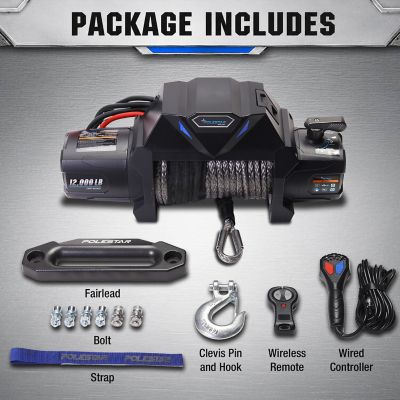
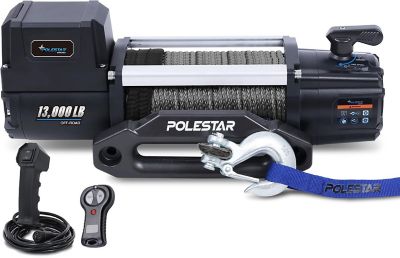
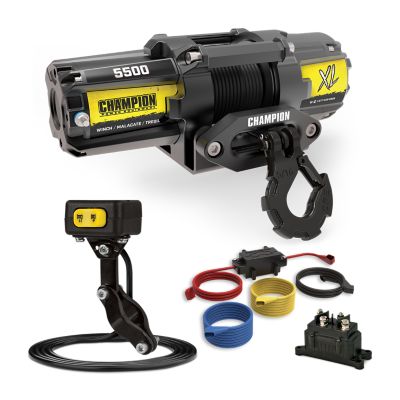
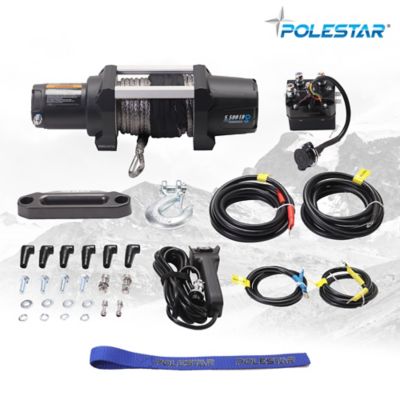
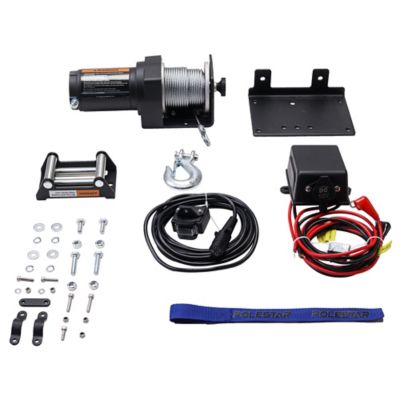
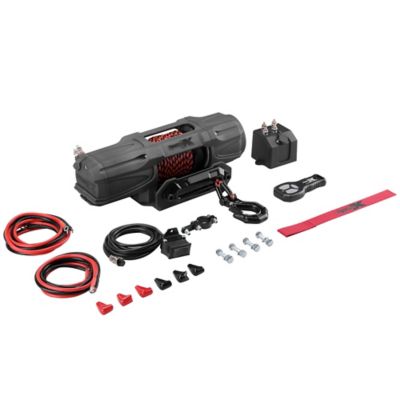
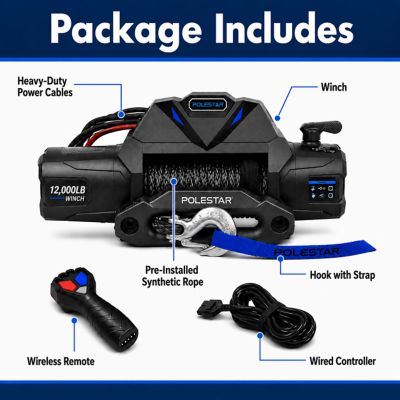
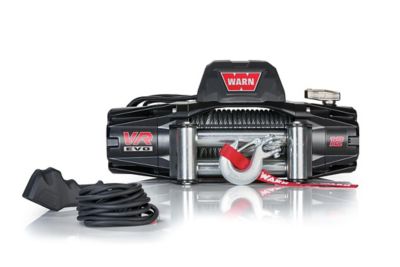
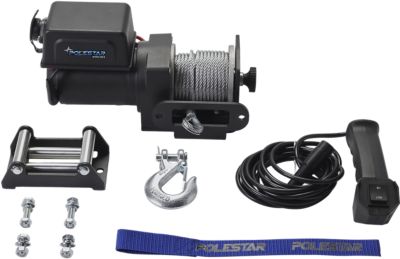
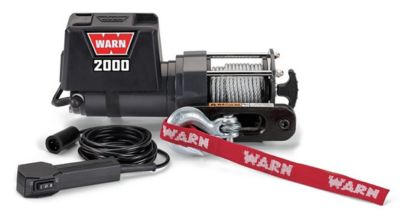
A winch with remote control lets the operator power a pulling line in or out through a wired pendant or wireless handset rather than controls at the winch itself. That separate control can make it easier to watch a load move, check its approach to a trailer, or keep an eye on a vehicle during a recovery while remaining clear of the line and moving parts. Around a farm, acreage, or workshop, remote-controlled winches can support jobs such as pulling rolling equipment onto a trailer or helping recover an ATV on a trail. The right setup depends on what needs moving, where the winch mounts, and how much resistance the pull creates. A compact utility application has different demands from a truck recovery setup, even when both have a handheld remote. Wired controls connect directly to the winch’s control system and have a working distance set by the cable length. Their cords need enough reach for a suitable operating position without crossing moving equipment or getting caught under a tire. Wireless controls remove that cord from the work area, but their operation depends on the handset battery, receiver compatibility, signal conditions, and the manufacturer’s stated range. A wireless remote does not remove the need for a clear view of the job or a clear area around the pull. Control layout matters, too: plainly marked direction buttons, a comfortable grip, and buttons that are manageable with work gloves can make operation less awkward. Some systems have momentary controls that stop the powered movement when the button is released, while others include a separate power switch or lockout feature. Those details are worth comparing alongside the winch itself. Replacement remotes also need to match the control system; similar-looking plugs or handsets do not establish compatibility. Whether wired or wireless, the remote is one part of a complete pulling setup, not a replacement for sound mounting, suitable rigging, or attention at the controls.
Pulling capacity is a starting point, but the number on the rating label does not tell the whole story. Rated line pull commonly refers to the first layer of rope on the drum, and available pulling force generally drops as more layers build up. The resistance from a rolling load on a firm surface differs greatly from the resistance of tires sunk into soft ground, and a steep trailer ramp adds another demand. Vehicle weight alone therefore does not settle which capacity fits the job. Manufacturer recommendations, the expected pulling conditions, and every component in the load path all matter. Mounting fit deserves just as much attention. Bolt pattern, mounting orientation, overall dimensions, fairlead position, and clearance around the drum need to suit the vehicle, trailer, or mounting structure. A strong winch cannot make up for a mounting plate or attachment point that is not rated for the forces involved. Electric models also need the correct power supply, cable size, connections, and circuit protection specified by their manufacturer. Battery-powered vehicle winches can draw substantial current under load, so a remote control does not make the electrical requirements any lighter. Motor design, gearing, line speed, and duty cycle influence how a winch behaves during a pull. A fast no-load line speed is not the same as speed under working load, and intermittent-duty equipment needs the rest periods described in its manual. For repairs, the
Winch Motors page is a related place to start, with compatibility still dependent on the original assembly, voltage, and mounting arrangement. Brake design is another consideration, especially when comparing equipment for vehicle recovery and trailer loading. A winch brake should not be treated as a parking brake or as transport securement. A vehicle or utility winch is pulling equipment, not a substitute for a hoist rated to lift or hold suspended loads. Once equipment reaches its destination, separate rated restraints handle the job of keeping it there.
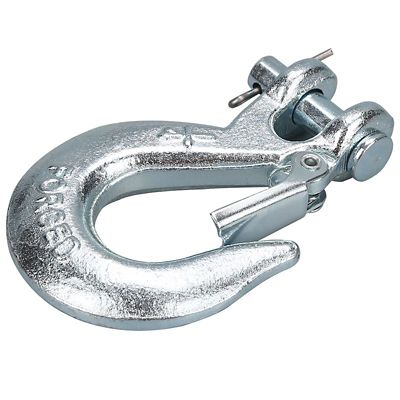
Line material affects handling, upkeep, and the hardware that belongs with the winch. Steel wire rope stands up to abrasion in many demanding settings, but it is heavy and can develop broken wires, kinks, or crushed sections that call for attention under the manufacturer’s inspection criteria. Synthetic rope is lighter to handle and has no wire strands to snag a glove, though it needs protection from sharp edges, abrasion, damaging heat, and other exposure identified by its maker. Neither material makes a tensioned line safe to approach, and both require the correct fairlead and compatible attachment hardware. Hooks, shackles, anchor straps, and pulley blocks need suitable working ratings and a configuration approved for the task; a higher-capacity winch does not raise the rating of those other parts. For a trailer setup, a straight line path and room to observe the load’s wheels can matter as much as the convenience of the handset. For an ATV or utility vehicle, mounting space, electrical capacity, and protected routing for cables often shape the choice. Around the property, storage and routine care help keep the setup ready for the next job. Rope condition, loose fasteners, electrical connections, remote buttons, and connector seals all deserve attention according to the equipment manual. Dirt packed around a connector or a damaged remote cable can interfere with operation even when the winch motor is sound. A protective cover, where appropriate for the equipment, can limit exposure between jobs, while a designated spot for the handset keeps it from getting knocked around in a toolbox. During operation, a suitable position keeps the operator out of the line of pull, away from the drum and fairlead, and clear of places where a shifting load could trap someone. Bystanders need that same clearance. A well-matched remote-controlled winch brings useful control to demanding pulling work, with its value coming from the complete fit between the load, mounting structure, power system, line, and operator’s working position.