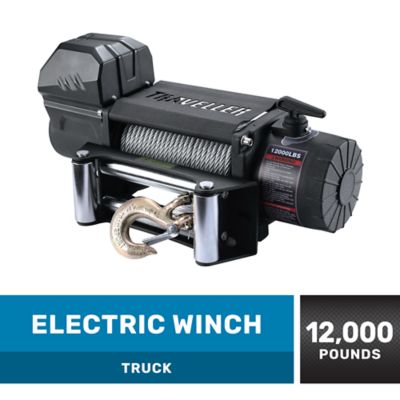
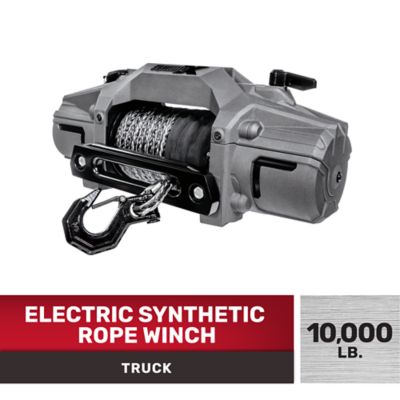
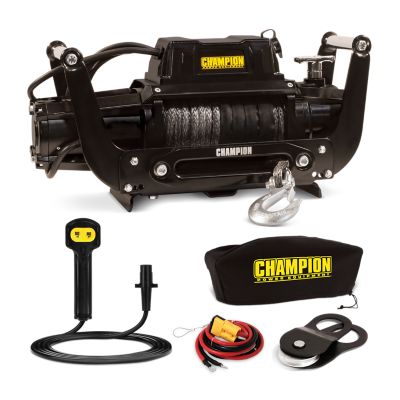
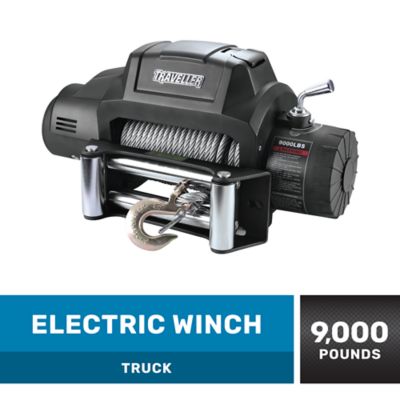
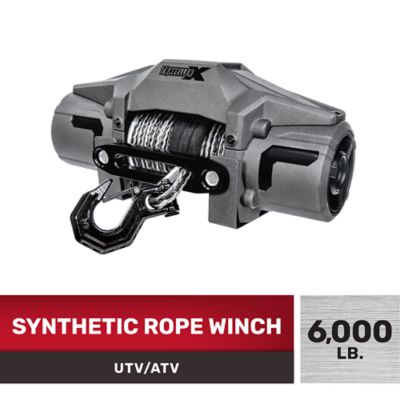
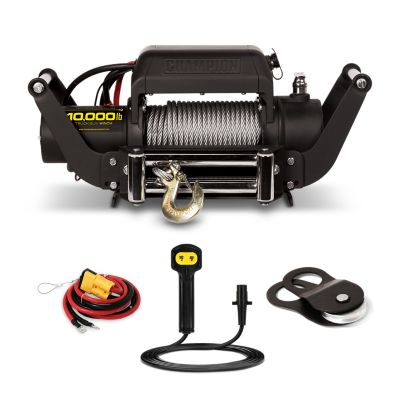
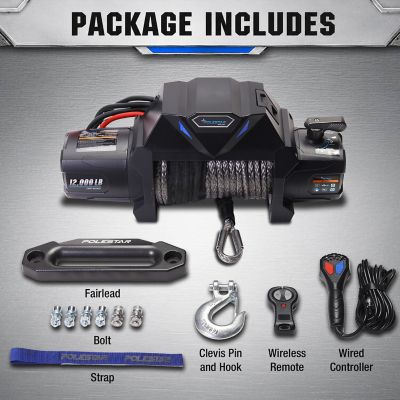
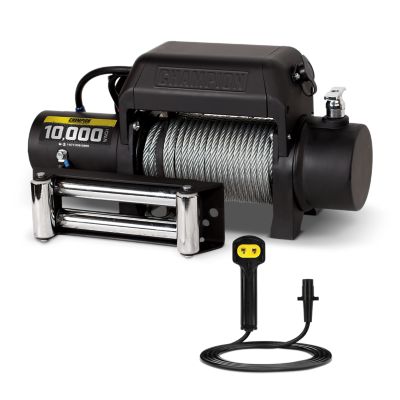
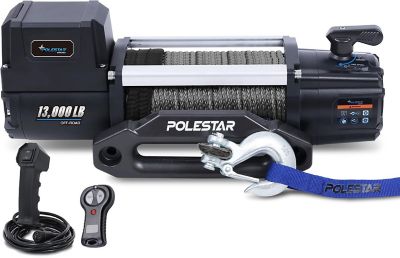
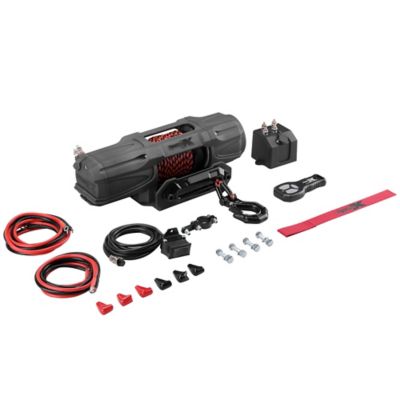
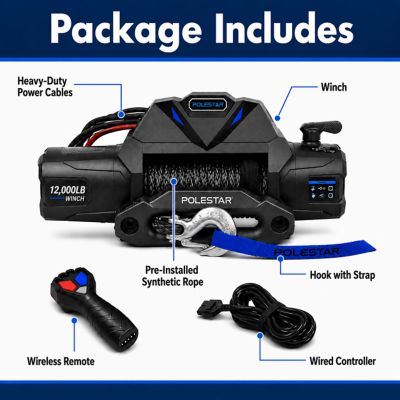
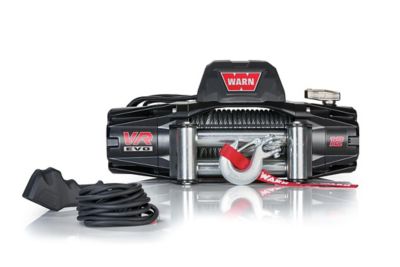
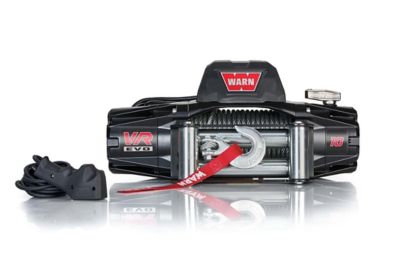
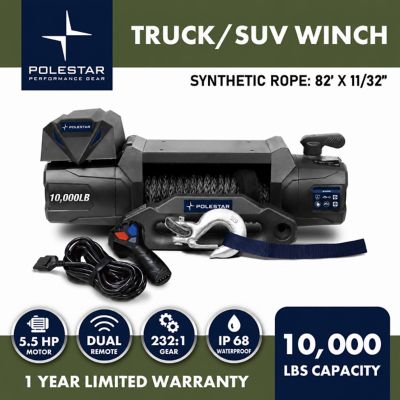
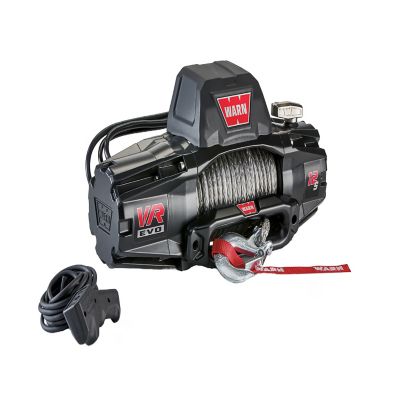
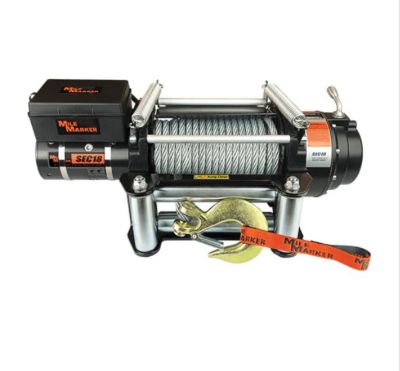
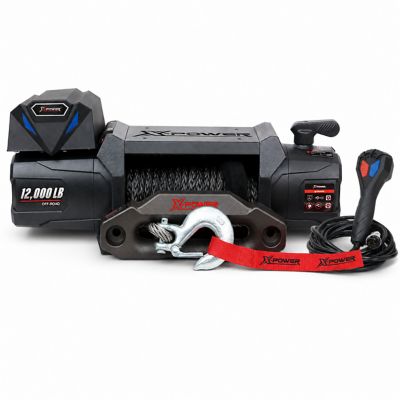
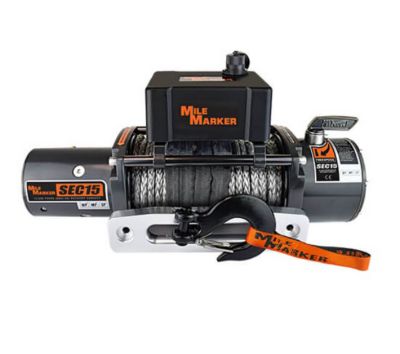
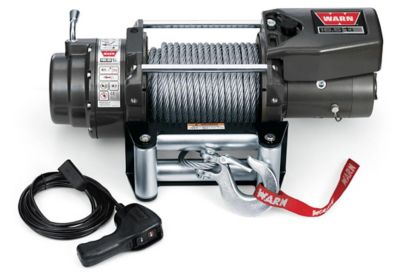
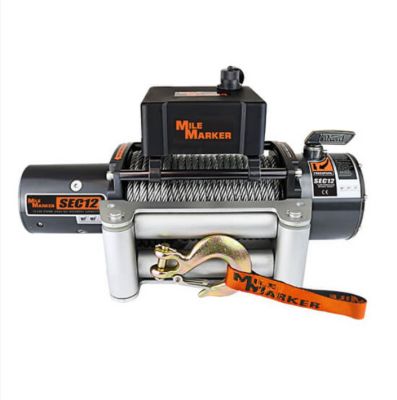
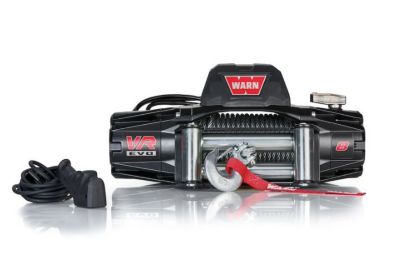
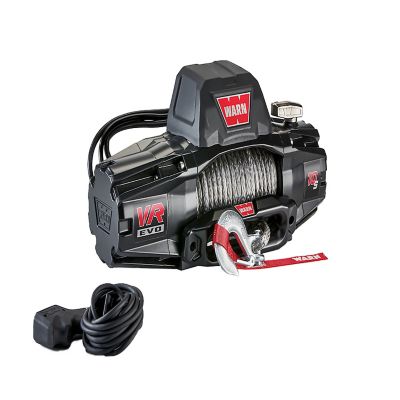
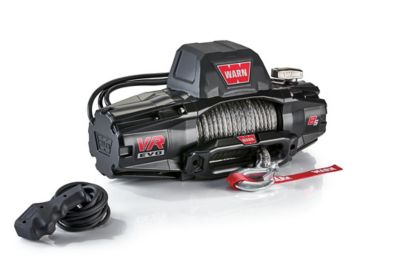
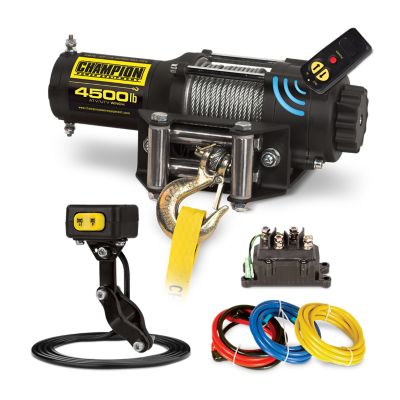
Automotive winches provide controlled pulling power when a truck, SUV, or other compatible vehicle needs help getting out of a rut, crossing loose ground, or moving onto a trailer. A motor turns a geared drum that winds in steel cable or synthetic rope, drawing the vehicle toward a suitable anchor or bringing a load toward the winch. For folks traveling pasture lanes, checking fence lines, or heading down rough trails, that capability can make a winch a practical part of a vehicle recovery setup. Unlike a tow strap, a powered winch takes up line gradually, giving the operator control over the pull without relying on another vehicle to keep moving. The right capacity depends on more than the number stamped on the housing. A common starting point for truck and SUV recovery is a rated single-line pull of at least 1.5 times the vehicle’s gross vehicle weight rating, or GVWR, with the winch manufacturer’s recommendations taking priority. GVWR is the vehicle’s maximum permitted loaded weight, not its empty curb weight. Deep ruts, steep grades, and tires buried in mud can substantially increase the force needed for recovery, so a capacity rating alone does not guarantee a successful pull. Published ratings generally describe pulling power on the first layer of rope around the drum; available line pull decreases as additional layers build up. Line length matters, too, especially when the nearest suitable anchor sits beyond a ditch or across a clearing. More rope is not automatically better if it crowds the drum or does not match the winch specifications. Automotive winches belong in a complete recovery setup that accounts for the vehicle, mounting structure, anchor, and connecting equipment. A strong winch cannot make an undersized mounting plate or an unsuitable anchor safe, and recovery winches are not substitutes for hoists or equipment intended to suspend loads overhead.
Fit starts with the vehicle and extends through the entire mounting and power system. Many automotive winches run on a 12-volt electrical system, while other configurations serve different vehicle and work applications. Matching voltage is only the beginning: battery capacity, charging-system condition, cable size, connection placement, and the manufacturer’s electrical requirements all affect operation. There is no single cold-cranking-amp requirement that fits every electric winch, so battery specifications need to match the equipment rather than a general rule of thumb. High-current wiring also needs proper routing and protection from sharp edges, moving parts, and exhaust heat. A winch-ready bumper, frame-mounted plate, or compatible receiver arrangement must support the intended pulling forces and match the winch’s mounting pattern. A bumper that has room for a winch is not necessarily designed to carry its load. Overall dimensions, front-end weight, access to the clutch, and clearance around the grille can matter just as much as bolt spacing. For a truck that spends its days hauling tools between the barn and a back field, convenient access to the controls can be more useful than extra line speed. Gear reduction affects the balance between speed and pulling force, while the stated duty cycle determines how long the motor can operate before it needs a cooling break. Electric winches draw substantial current under load and are generally intended for intermittent operation, not nonstop pulling. Corded controls offer a direct connection, while wireless controls can allow more freedom of movement within the manufacturer’s operating limits. Neither replaces a clear view of the recovery area or a safe position away from the tensioned line. For repairs,
Winch Motors must match the existing winch’s voltage, mounting arrangement, drive connection, and operating specifications. Motor size or appearance alone does not establish compatibility. A properly matched system keeps the motor, gearing, brake, drum, and controls working together as intended.
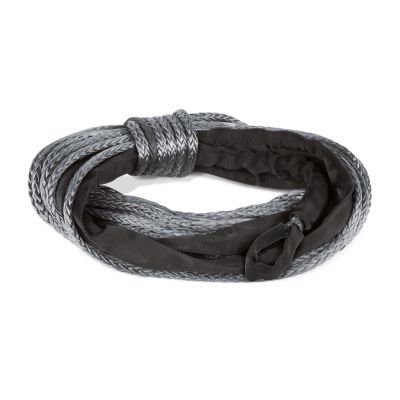
Rope material shapes handling, upkeep, and the overall weight of an automotive winch setup. Steel wire rope offers abrasion resistance suited to rough work, but it is heavy and can develop corrosion, kinks, crushed sections, or broken wires. Synthetic winch rope is lighter and easier to carry across uneven ground, though it needs protection from sharp edges, abrasion, heat, and sunlight. Some synthetic ropes float, but that feature depends on the material and should not be assumed. Both rope types require careful inspection, suitable gloves during handling, and a fairlead approved for the rope and winch combination. Smooth contact surfaces are especially important for synthetic line; a rough edge left by damaged steel cable can cut into replacement rope. Pulling at a severe angle can bunch line against one side of the drum, reducing usable space and putting stress where it does not belong. A clean, even wrap helps the line feed properly, and the minimum number of drum wraps must follow the manufacturer’s instructions. Around the farm or along a rough access road, dirt and grit can work into rope, controls, and connections, making routine cleaning and inspection worthwhile. Care varies by material: steel cable may need manufacturer-approved lubrication, while synthetic rope calls for its own cleaning method rather than a coating meant for wire rope. Covers can limit exposure during storage, but the equipment should be clean and dry before it is put away. Recovery straps, tree protectors, shackles, and pulley equipment also need ratings appropriate to their particular role and the forces involved. Ordinary trailer hitch balls are not recovery attachment points. People should stay clear of the tensioned line and potential recoil path, regardless of rope material. After a vehicle reaches a trailer, separate transport tie-downs secure it for travel; the winch line does not take their place. For property owners, trail riders, and anyone equipping a working truck, the most useful setup balances pulling capacity, vehicle fit, manageable controls, and care that fits the job.