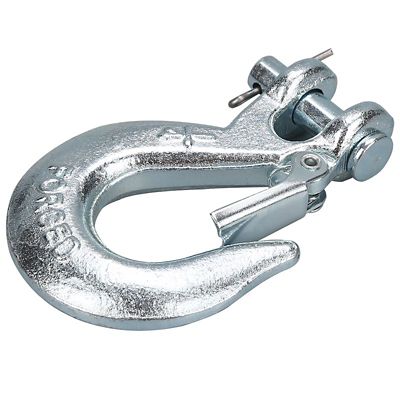
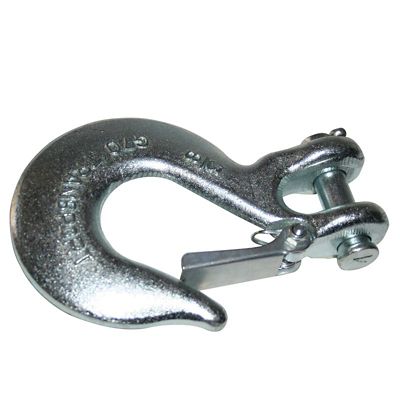
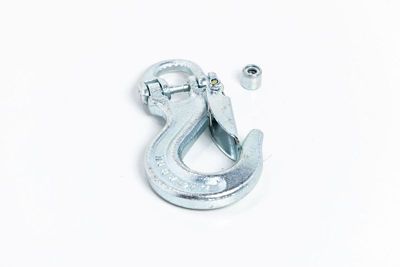
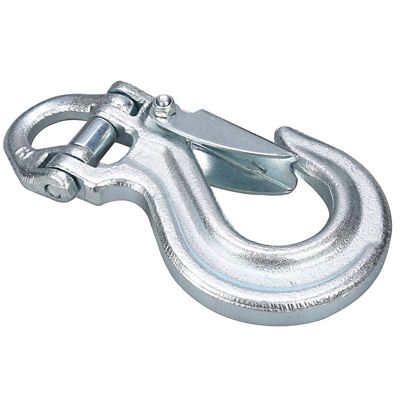
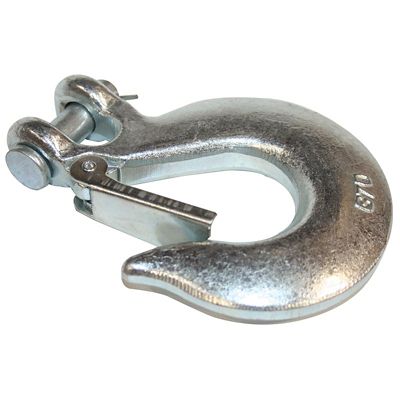
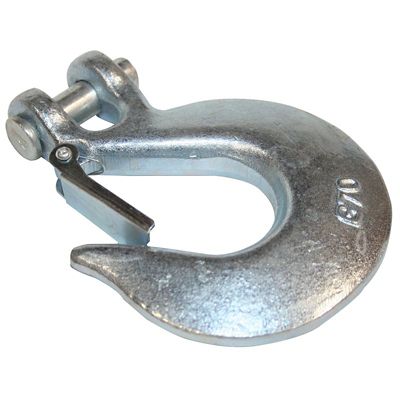
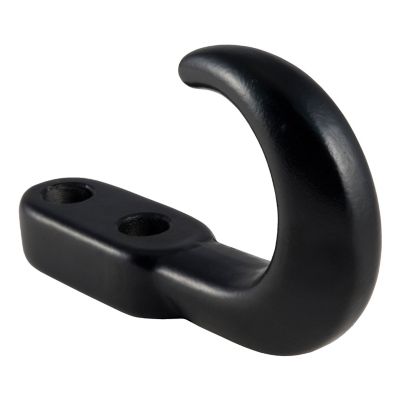
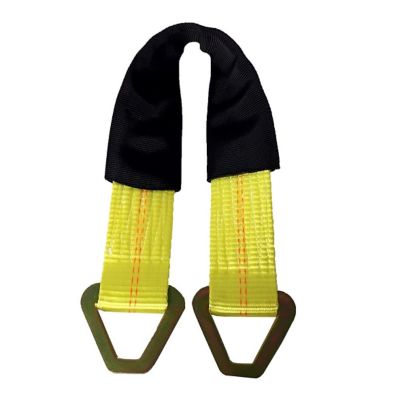
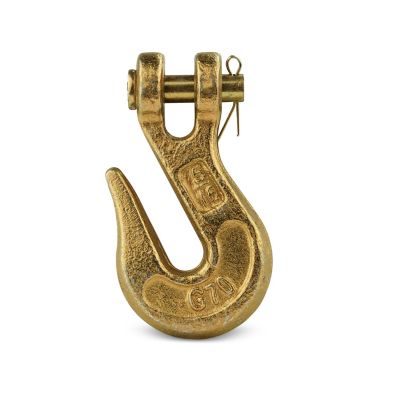
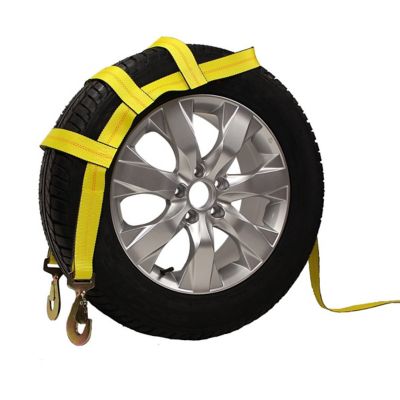
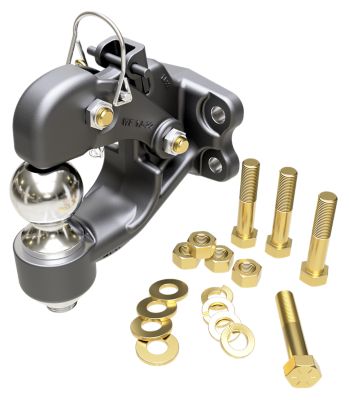
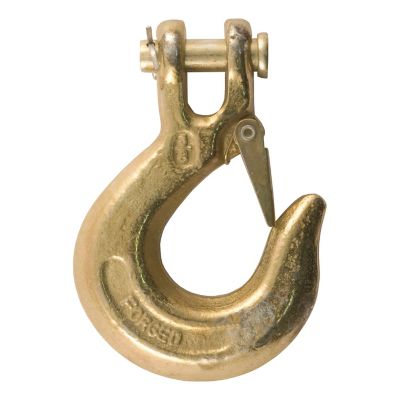
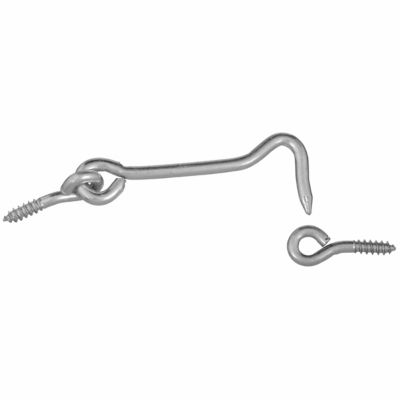
Winch hooks are the connection point between a winch line and the anchor, strap, shackle, or recovery point doing the heavy work. On a farm, ranch, hunting property, jobsite, or trail, that small piece of hardware deserves the same careful attention as the winch itself. A properly matched hook helps make it easier to pull a stuck ATV from a muddy lane, move a fallen limb, position a trailer, or recover a truck after a wet stretch of road. Most winch hooks attach to steel cable or synthetic rope through an eye, and common styles include clevis hooks, swivel hooks, self-closing hooks, and closed shackle-style mounts. A standard clevis hook is a familiar choice for general recovery and utility work, while a swivel hook can help reduce twisting when the line approaches at changing angles. Self-closing designs add a gate that locks into place under tension, which can help keep the connection from slipping free when the line is loaded. Flat shackle mounts replace an open hook with a closed connection point made for use with a rated soft or metal shackle. When comparing options, start with the winch line you have and the kind of work you expect to do. Steel cable and synthetic rope may use different termination methods, and the hook or mount needs to fit that setup correctly. Check the eye size, pin diameter, throat opening, latch clearance, and overall shape before buying. A generous throat can make it easier to connect to larger recovery straps or anchor points, but the hook still needs to sit squarely rather than hang on its tip. For general farm and property work, look for durable forged or alloy steel construction, a clearly marked rating, and a finish that can stand up to mud, rain, dust, and repeated handling. You can also browse related
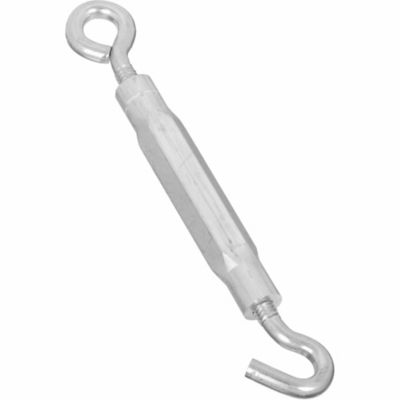
Metal Hooks for other hauling, tying, and utility needs around the barn, shop, or truck.
The most important number on a winch hook is its working load limit, often called WLL. Match that rating to the winch and every other part of the recovery system, including the rope or cable, shackles, straps, snatch blocks, tree savers, and vehicle recovery points. The setup is only as strong as its weakest component, and a hook with a high breaking-strength number is not automatically suitable for a load that approaches that figure. Breaking strength describes the point at which hardware may fail in a test; the working load limit is the rating intended for controlled use. Follow the manufacturer’s instructions for the hook and winch, and never treat a hook as a way to increase the winch’s capacity. A hook should be seated fully in a rated recovery point, with the load carried in the bowl of the hook and not on the latch, tip, or side. Side loading can put force on the hardware in a direction it was not made to handle, especially when a vehicle is stuck at an angle or the line is routed around an obstacle. Keep hands, feet, loose clothing, and tools away from a tensioned line, and wear sturdy gloves when handling cable or rough rope. A line damper or heavy blanket placed over a steel cable can help reduce movement if the line breaks, while bystanders should stay well clear of the line’s path and the vehicle being recovered. For synthetic rope, keep the line away from sharp edges, hot surfaces, and abrasive ground, and use the proper protective sleeve where it passes over a tree or rock. A tree saver strap is a better choice than wrapping a bare cable or rope around a living tree, and a rated snatch block can help redirect the line when used as part of a complete, properly rated system. Before each use, check for bent metal, stretched openings, cracks, deep rust, damaged welds, a loose pin, or a latch that does not close and return smoothly. Replace hardware after a shock load, visible damage, or any event that leaves you unsure about its condition. Keeping the hook clean and lightly protected from corrosion, then storing the winch line and accessories out of standing water and dirt, can help them stay ready when the ground turns soft or the weather gets rough.
Winch hooks are useful for more than off-road recovery. Farmers and landowners may use them with a truck or utility vehicle to clear brush, pull small equipment into position, handle gates, or assist with a stuck trailer. Contractors, road crews, hunters, and outdoor property owners often keep a recovery kit close by because a washed-out drive, a fallen tree, or a muddy access road can turn a routine trip into a hard afternoon. A spare hook can also be a practical gift for someone who maintains a homestead, works around heavy equipment, or spends time exploring back roads, especially when paired with the right recovery strap, gloves, and storage bag. Before choosing one, think about where it will be used and how it will be connected. A wide-mouth hook may be handy for thick straps and large anchor points, a latch may provide extra peace of mind during routine pulls, and a swivel can be useful where the line does not stay perfectly straight. For a closed-system setup, a shackle mount may offer a compact connection that sits neatly near the fairlead, but it requires compatible shackles and careful attention to pin size and clearance. Measure rather than guessing, and compare the hook’s rating with the winch’s capacity instead of choosing by appearance alone. During the warmer part of the year, mud, dust, and long hours on the property can hide wear, while cooler, wetter conditions can bring more slick ground, deadfall, and difficult access. A quick inspection before putting tension on the line helps keep a small problem from becoming a damaged winch or a dangerous recovery. Whether the hook is headed for a work truck, side-by-side, trailer, or shop shelf, choosing solid hardware that fits the line and using it within its rated limits makes everyday pulling and recovery work more controlled, dependable, and ready for the rough spots that come with country living.