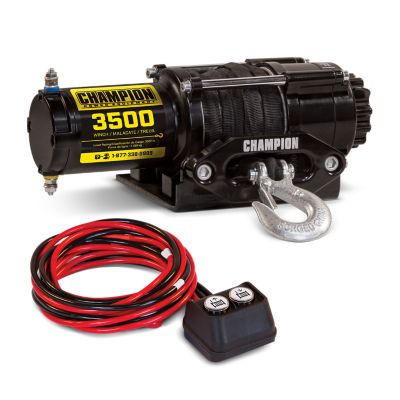
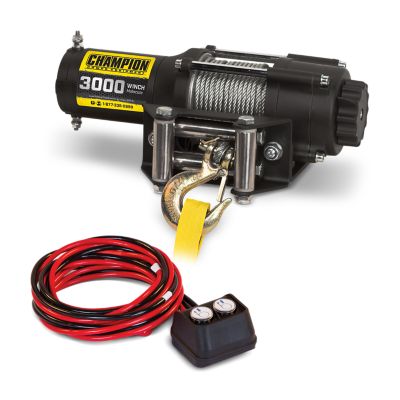
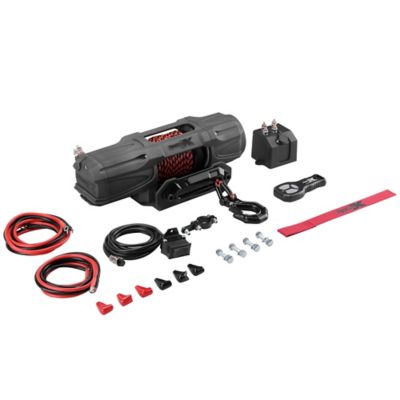
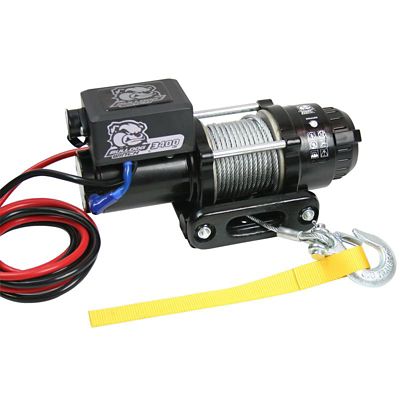
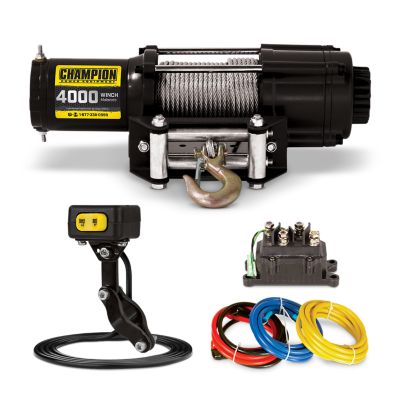
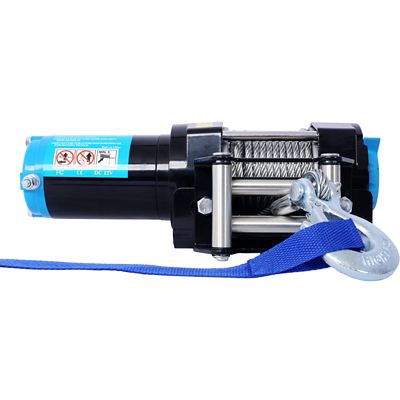
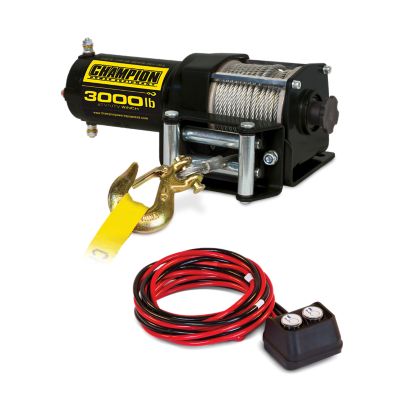
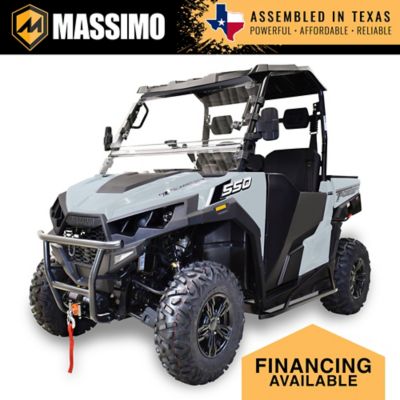
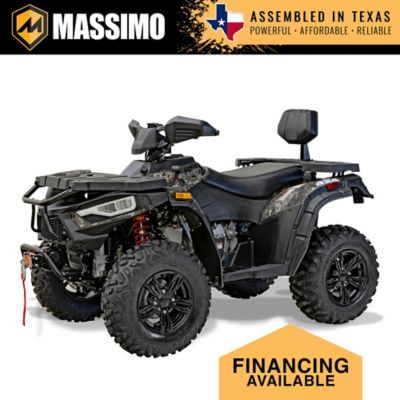
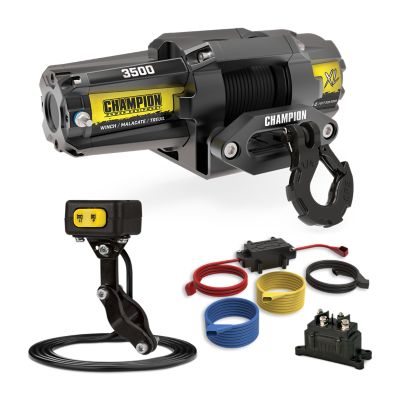
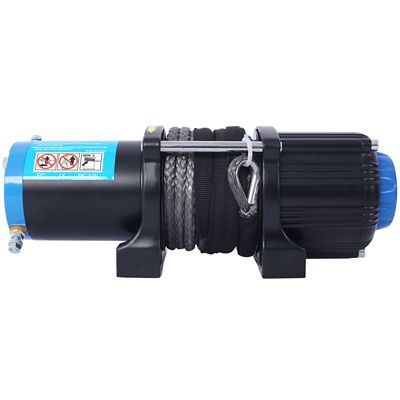
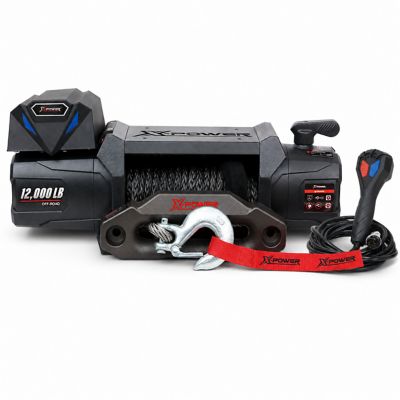
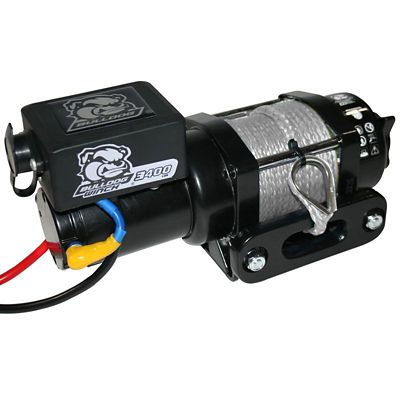
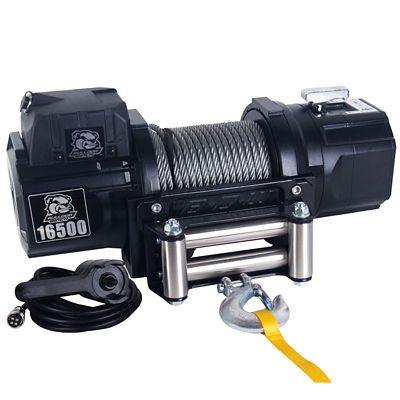
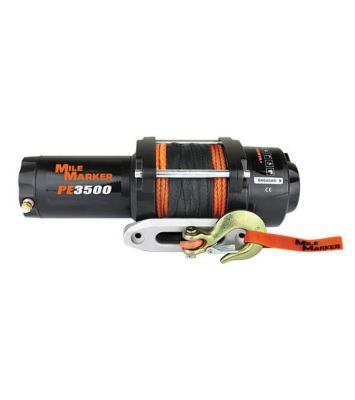
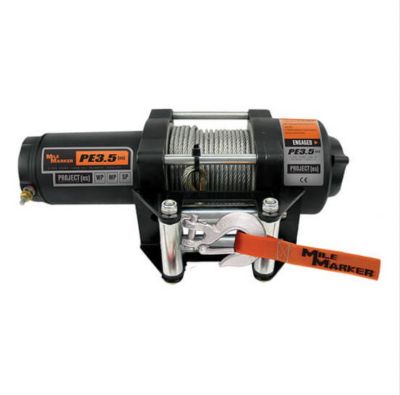
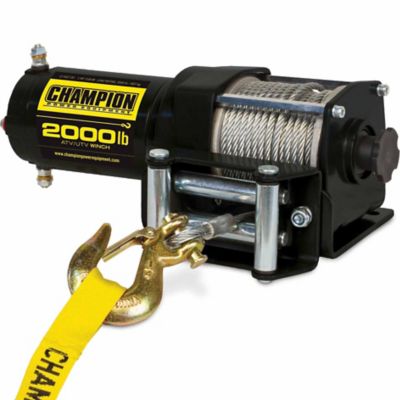
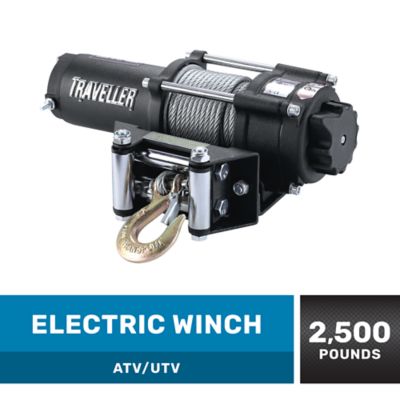
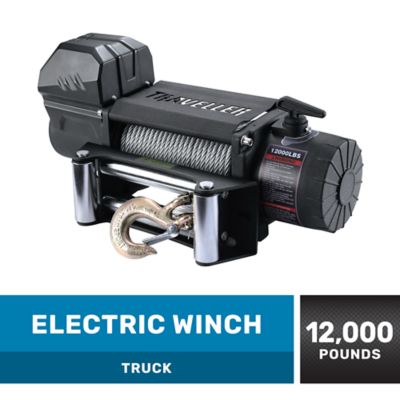
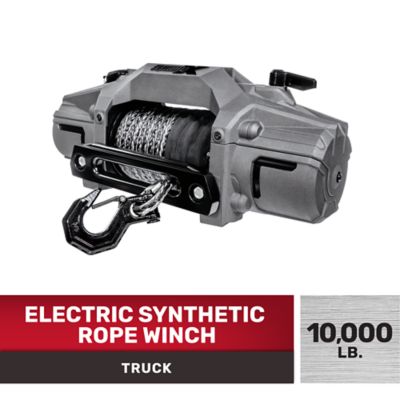
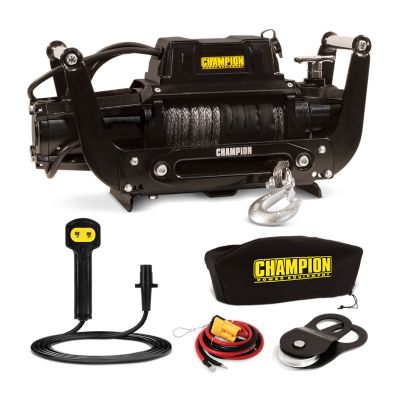
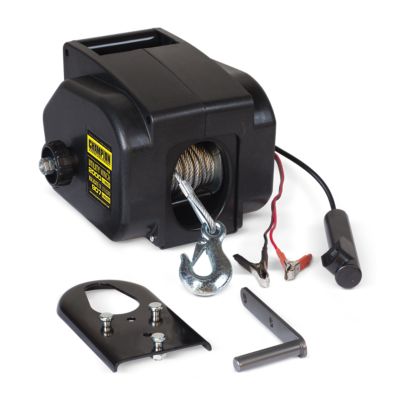
A 3,000-lb winch is a handy size for light recovery and utility work around the farm, property, campsite, or trail. These compact electric winches are commonly built for 12V systems and can provide up to 3,000 pounds of single-line pulling capacity under the right conditions. That makes them a practical match for many ATVs, UTVs, small utility trailers, and smaller boats, as well as equipment that needs a little help getting unstuck. Muddy ground, a steep bank, a loaded trailer sitting at an awkward angle, or a fallen limb blocking a lane can turn a simple job into a hard pull. A winch gives you a controlled way to move that load when there is a solid anchor point and the equipment is set up correctly. Many units in this size range use a permanent-magnet DC motor in the 1.0- to 1.3-horsepower range, along with a three-stage planetary gear system. Gear ratios in the neighborhood of 136:1 to 153:1 help provide pulling force while keeping the winch compact enough for smaller machines. Keep in mind that a 3,000-lb rating refers to a maximum straight-line pull on the first layer of line, not the amount the winch can lift or drag in every situation. Pulling uphill, working through mud, rolling resistance, added friction, and extra layers of cable on the drum can reduce usable capacity. Before choosing a winch, check the loaded weight of the vehicle or equipment, the mounting space, the electrical system, and the manufacturer’s recommended application. A useful rule is to select a winch with more capacity than the expected working load, especially for recovery work where conditions can change quickly.
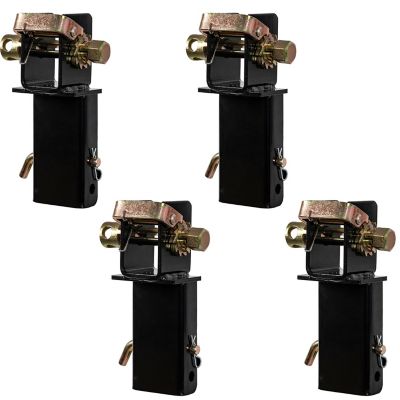
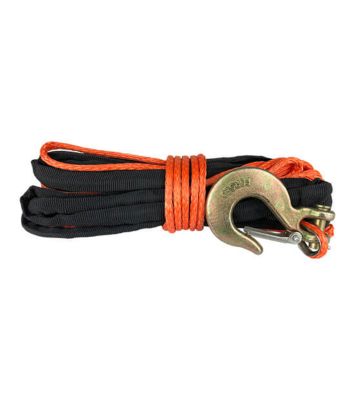
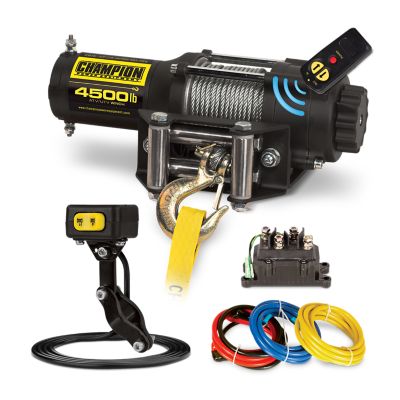
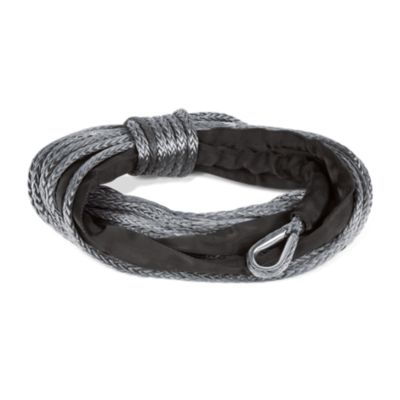
The line and controls are just as important as the motor. A 3,000-lb winch may come with roughly 39 to 46 feet of 3/16-inch steel cable, which handles everyday contact with dirt and rough surfaces well when it is inspected and maintained. Steel cable is durable, though it can develop kinks, rust, or broken strands, so wear gloves and replace damaged cable rather than trying to make it last one more job. Other options use synthetic rope, which is lighter and easier to handle, making it a popular choice for ATVs, UTVs, and recreational trail riding. Synthetic rope needs protection from abrasion, sharp edges, heat, and prolonged exposure to the elements. Steel cable models typically pair with a roller fairlead, while synthetic rope models often use an aluminum hawse fairlead to guide the line smoothly onto the drum. Controls may include a wired handlebar switch, a wired hand remote, or a wireless remote, depending on the setup. A handlebar switch keeps operation close at hand on an ATV or UTV, while a remote lets the operator stand clear and watch the line, anchor, and vehicle during a pull. Weather-resistant construction, sealed components, and an enclosure rated for exposure to dust or splashing water can be valuable for work outdoors, but water resistance is not the same as being fully waterproof. For dependable performance, inspect the battery and cables, use properly sized wiring, and follow the mounting instructions for the winch plate or bumper. A fairlead that sits square with the drum helps prevent uneven spooling, and a snatch block can improve pulling direction or reduce the load on the winch when the job calls for extra control. Wear gloves and eye protection, keep bystanders away from the line of pull, use a rated recovery strap or chain, and never stand over a loaded cable or rope. During the warmer part of the year, a compact winch can help with trail rides, boat launching, landscaping, and moving supplies around the property; as cooler weather arrives, it can be useful for handling firewood, clearing access lanes, or recovering a vehicle from soft ground. It is also a thoughtful gift for a landowner, ATV rider, UTV owner, small-boat operator, or do-it-yourselfer who likes to keep useful gear ready for the unexpected. Pairing a winch with a compatible mounting plate, battery cables, gloves, tree-saver strap, shackles, or a recovery damper can make the setup more complete, but every accessory must be rated for the intended load. For replacement or upgrade planning, take a look at
Winch Motors and compare the motor style, power requirements, mounting dimensions, and control connections with the equipment already on hand.