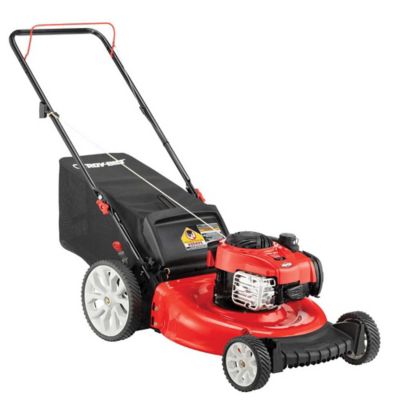
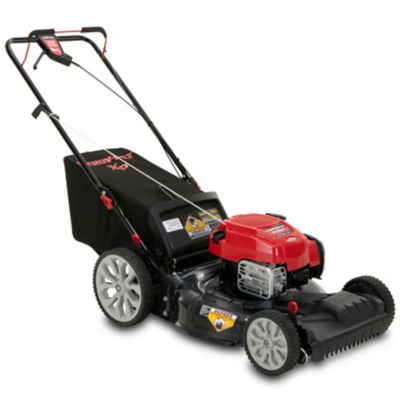
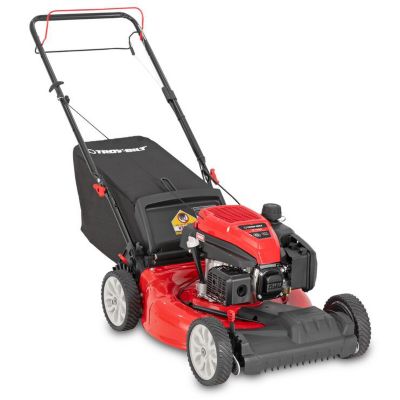
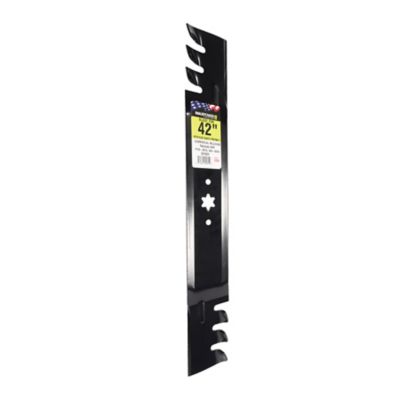
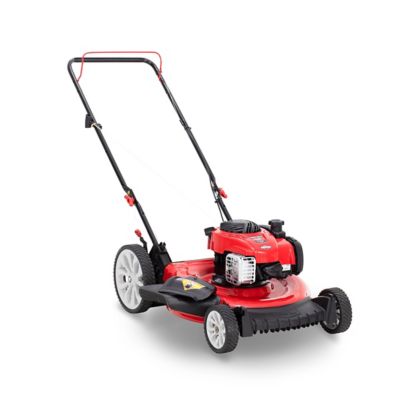
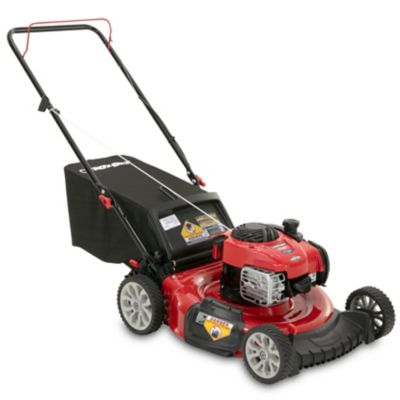
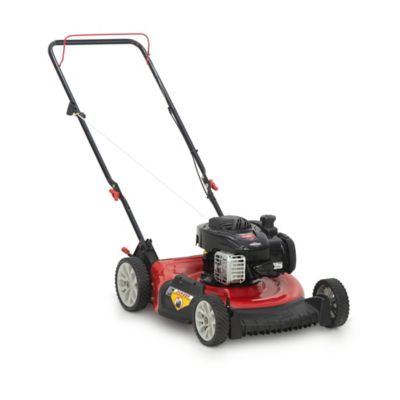
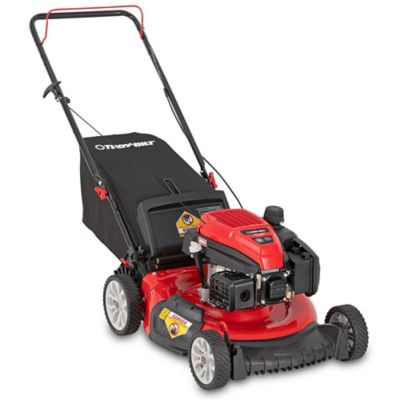
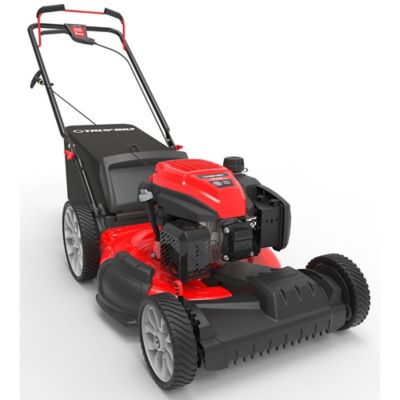
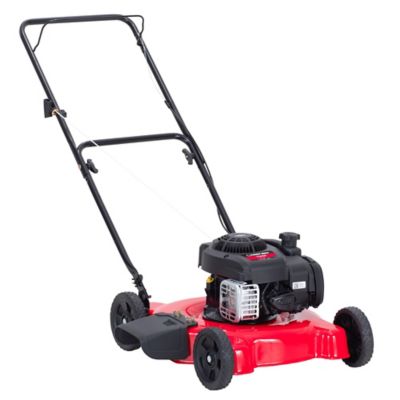
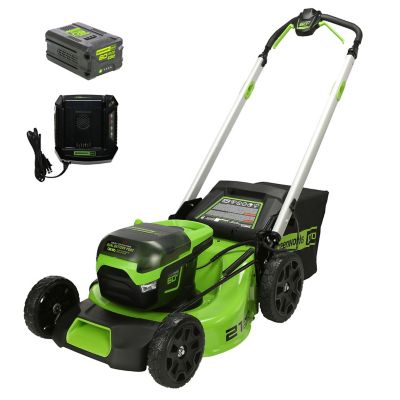
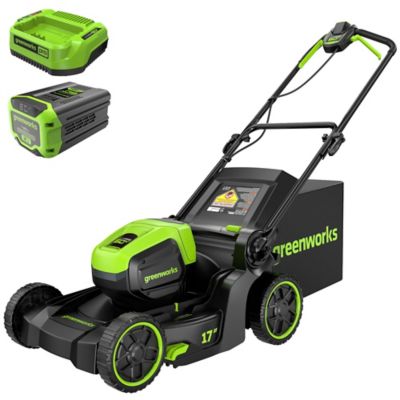
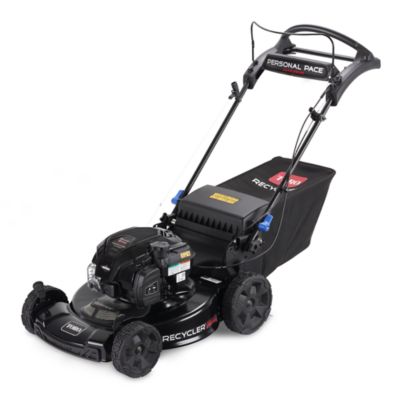
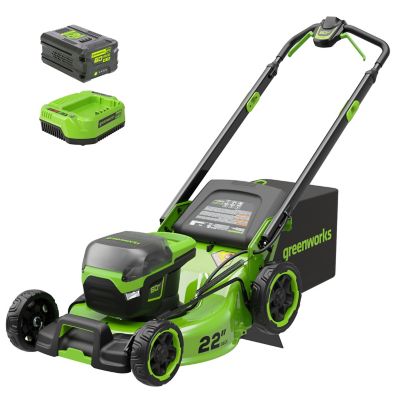
A gas push lawn mower is a practical fit for keeping the grass tidy around a house, along a driveway, or inside a fenced yard where larger mowing equipment has little room to turn. These walk-behind mowers pair a gasoline engine with a rotating blade beneath a cutting deck, giving homeowners a way to handle routine lawn work without a power cord or battery charging schedule. A four-cycle engine keeps gasoline and engine oil in separate systems, and its maintenance requirements depend on the engine design. Engine displacement, measured in cubic centimeters, helps describe engine size, but it does not tell the whole story of how a mower will handle thick grass. Blade condition, cutting height, ground speed, and moisture all affect the finished cut. A cutting width around 21 inches is common among residential walk-behind mowers, balancing coverage on open stretches with room to maneuver around fence posts and garden edges. The deck’s outside dimensions are wider than its cutting path, so a narrow gate or tight storage space deserves a closer look before choosing a mower. Steel decks are common for this kind of work, with a painted finish that helps protect the metal when the underside stays clear of damp grass buildup. Push models depend on the operator to move them forward, while self-propelled models add a drive system that helps move the mower across the lawn. That distinction matters when the route includes long straight passes, gentle grades, or frequent turns around trees. For a smaller, mostly level yard, a straightforward push mower can be a sensible match. For more ground or greater walking effort, the mower’s weight, drive setup, and handle feel become bigger considerations. Neither style is intended to take the place of a brush cutter in woody growth or heavy field vegetation. The best match comes from the ground being maintained, the space available, and the person doing the mowing—not engine size alone.
Cutting options shape how a mower fits into everyday yard work. Mulching cuts grass into smaller pieces that settle back into the lawn, bagging gathers clippings for collection, and side discharge sends them out beside the deck. Not every mower supports all three, and a bag, plug, or discharge chute may be necessary for a particular setup. Mulching generally works best with dry grass and manageable amounts of growth; tall, wet grass is more likely to leave clumps or clog the deck. Bagging can help keep clippings off a walkway or patio, though a filling bag adds weight and needs emptying. Side discharge can suit open areas where scattered clippings will not create extra cleanup, with the discharge directed away from people, animals, vehicles, and buildings. Cutting-height adjustments offer flexibility as grass growth changes through the season. Some mowers have individual wheel adjustments, while others connect adjustments through one or more levers, so the arrangement matters as much as the number of height positions. A suitable setting depends on the grass type and growing conditions rather than a preference for the shortest possible lawn. Taking off no more than about one-third of the grass blade at a time generally helps avoid stressing the turf. Wheel size and tread also deserve attention on a yard with shallow ruts, tree roots, or uneven patches. Larger rear wheels can help a mower roll over modest irregularities, but they do not make steep slopes safe or eliminate the need to watch the ground ahead. Handle height, grip shape, and access to the control bar affect comfort through repeated passes. A folding handle can make storage easier in a crowded shed, provided cables stay routed as directed by the manufacturer. Around a rural home, these details show up in ordinary chores: turning beside the well house, easing through the backyard gate, and finishing the strip of grass between the driveway and fence without a lot of awkward maneuvering.
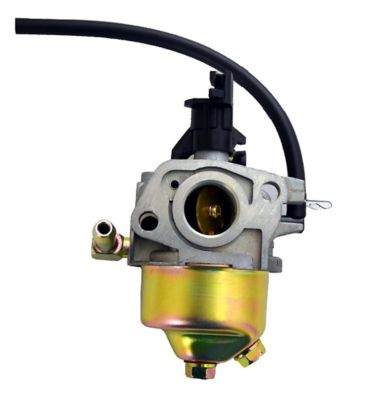
Long-term mower ownership also comes down to keeping the engine, blade, and deck ready for the next stretch of grass. Starting systems vary, with some engines calling for a primer or choke and others managing parts of that process automatically. The starting procedure, oil requirements, and service intervals belong to the specific engine, so its manual is the right reference rather than assumptions based on appearance. Access to the air filter, oil fill, spark plug, and fuel cap can make routine attention less of a chore. Dust from a gravel lane and dry clippings around an outbuilding can load an air filter faster than mowing a sheltered lawn, making operating conditions an important part of maintenance planning. Fresh gasoline that meets the engine manufacturer’s specifications supports proper operation, while fuel left sitting through a long break can contribute to starting trouble. As mowing slows during cooler weather, the recommended fuel-storage procedure helps prepare the machine for its next outing. Replacement engine parts require more than a visual match. A mower’s model identification and its engine model information can both matter, especially when different engines appear on similar mower frames. For shoppers comparing fuel-system replacement parts, the
Troy Bilt Push Mower Carburetor page offers a related place to look, with fit confirmed against the engine identification and part specifications. Deck and blade care matter just as much as engine attention. A sharp, balanced blade helps make a cleaner cut, while removing packed clippings limits trapped moisture against the deck. Inspection and service call for a stopped engine, disconnected spark plug wire, and the precautions described in the manual; tipping the mower in the wrong direction can send oil or fuel where it does not belong. A dry storage spot, clear of livestock feed and loose bedding, helps keep the mower protected between jobs. Those everyday considerations make a walk-behind gas mower a useful tool for homeowners tending the grass around the places where family, chores, and outdoor time come together.