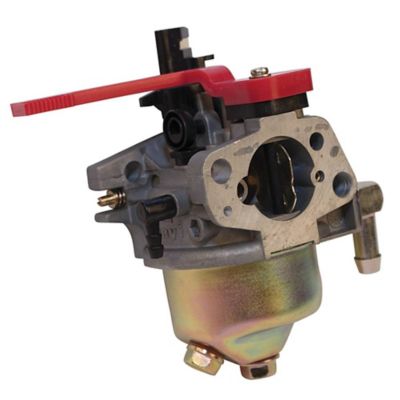
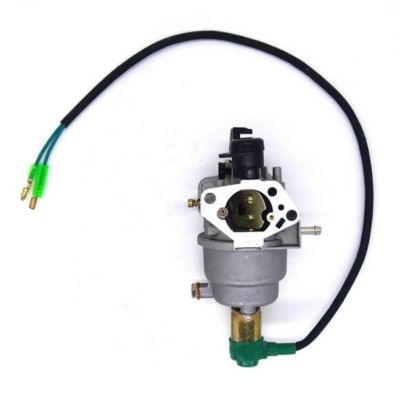
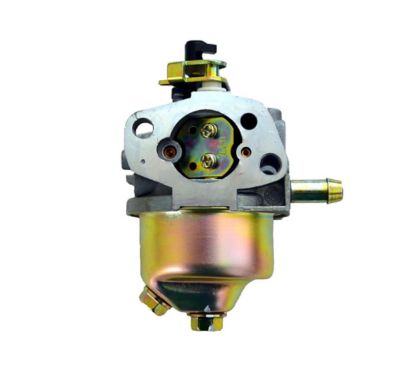
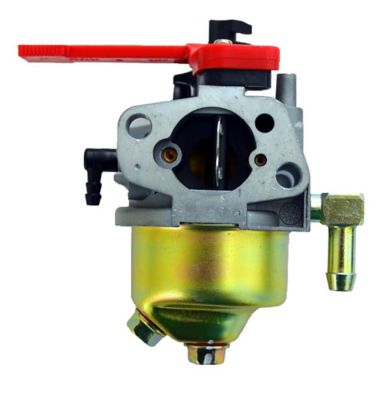
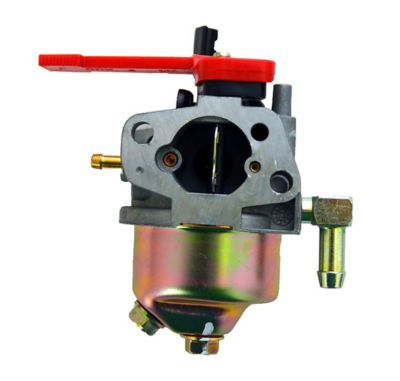
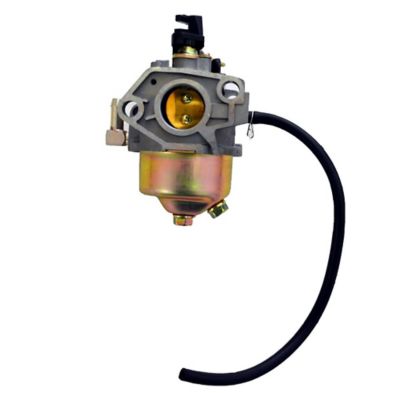
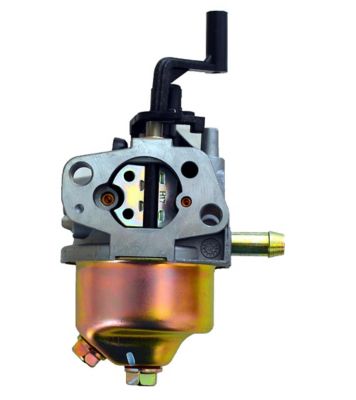
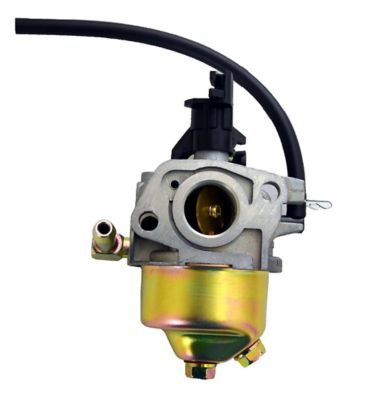
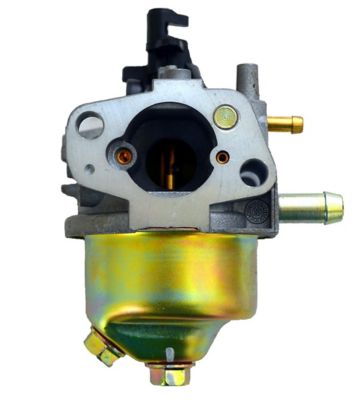
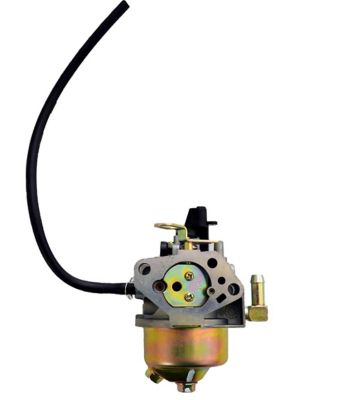
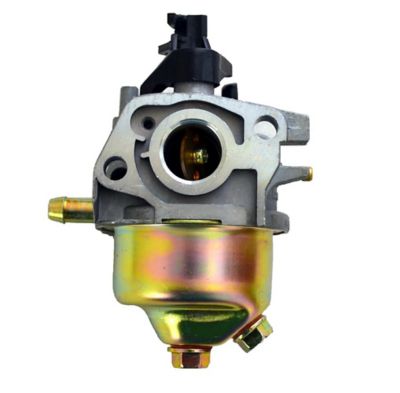
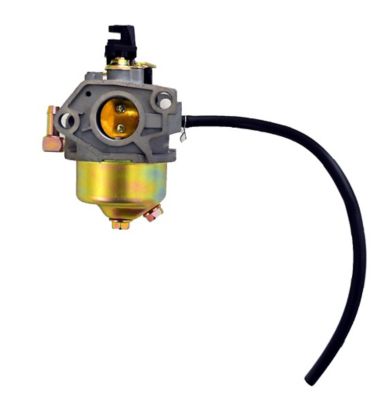
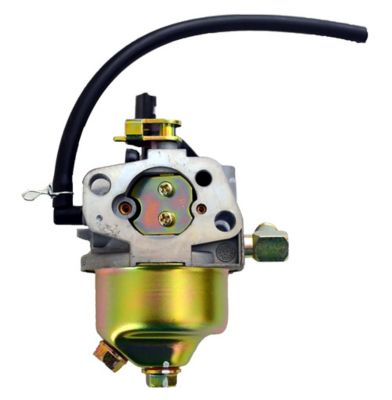
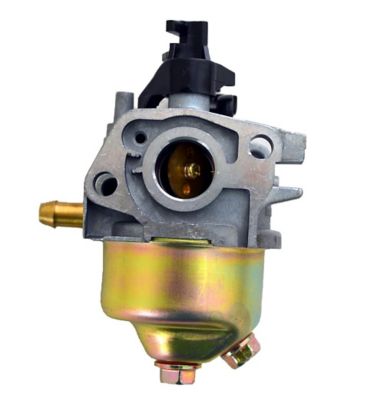
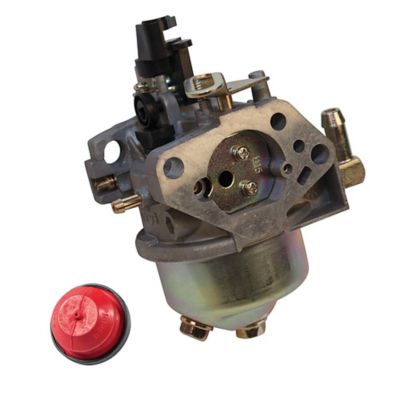
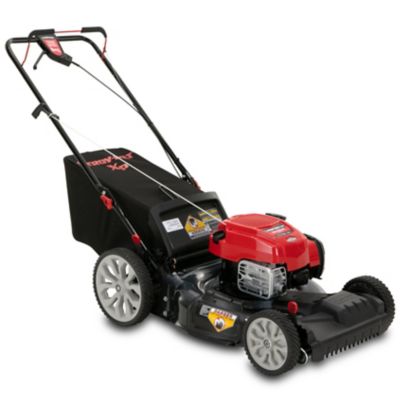
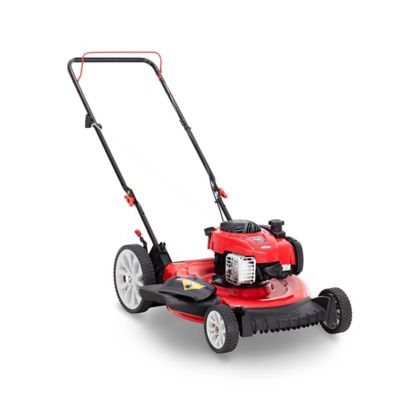
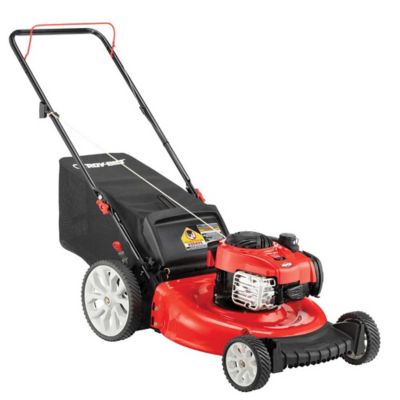
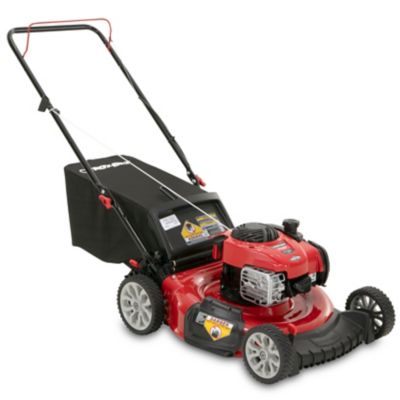
A push mower carburetor controls the blend of air and gasoline that a small engine needs to start and run. The right replacement is matched to the engine’s identification numbers and specified carburetor part number, not just the mower’s name, deck size, or horsepower rating. That distinction matters because similar-looking walk-behind mowers can have different engines, and engines within the same family can have different fuel-system arrangements. A mower model number helps identify the machine, while the engine model, type, code, or serial information helps narrow down the parts that belong on it. Depending on the engine, those details may appear on a label or be stamped into a housing. Comparing that information with the manufacturer’s parts listing gives a stronger starting point than matching a photograph alone. Mounting-hole spacing, intake opening, fuel-inlet position, choke arrangement, and throttle-linkage connections all affect fit. A carburetor that bolts to the engine can still be the wrong match if its passages or controls differ from the specified assembly. Manual-choke and automatic-choke systems also have different connection requirements, so the starting setup deserves a close look. Hard starting, surging, stalling, or an engine that runs only with the choke partly closed can point toward a fuel-delivery problem, but those symptoms do not prove the carburetor needs replacement. Restricted fuel flow, an intake air leak, ignition trouble, or a clogged air filter can produce similar complaints. For a mower that handles the grass around a farmhouse, garden fence, or equipment shed, proper engine identification helps keep a straightforward repair from becoming a string of mismatched parts. The most useful comparison is between the engine’s documented requirements and the replacement assembly’s stated compatibility, including any part-number supersessions. Appearance is supporting information, not the deciding factor. Even a small difference in a linkage hole or mounting surface can affect how the engine starts, responds under load, and maintains its intended operating speed.
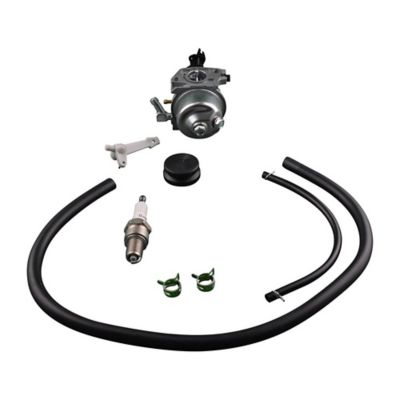
Carburetor construction combines a rigid body with small passages, moving controls, and sealing surfaces that must work together. Many small-engine carburetors have an aluminum-alloy body, while other designs incorporate molded plastic components; brass fittings, steel hardware, floats, needles, and fuel-resistant seals may also be part of the assembly. The material alone does not establish suitability. Correct dimensions, sound sealing surfaces, and compatibility with the engine’s specified fuel matter just as much. On float-bowl designs, the float and inlet needle regulate the fuel level inside the bowl. Deposits or wear in that area can interfere with fuel delivery or allow leakage. A worn throttle shaft or damaged mounting surface can create problems that cleaning alone will not resolve. Replacement assemblies, rebuild kits, and individual gaskets serve different purposes, so their descriptions deserve careful attention. A gasket kit does not replace a worn carburetor body, and a complete carburetor does not necessarily include every seal, spacer, linkage, or mounting fastener required for installation. Package contents and the engine’s parts diagram help clarify what belongs between the air-cleaner housing, carburetor, and intake. Those connections need the correct seals rather than extra sealant applied to make an imperfect fit work. Care also affects service life. Dirt introduced through an open fuel line, residue left by deteriorated gasoline, and debris from a neglected air filter can interfere with narrow internal passages. Clean fuel handling and air-filter maintenance help protect the fuel system after a repair. Cleaning products must be suitable for the assembly’s materials, since some solvents can harm plastic or rubber components. Forcing wire through a calibrated opening can change its size and affect fuel metering. Fresh gasoline that meets the engine maker’s requirements, along with the recommended storage practices, helps limit deposits without relying on additives to correct mechanical wear. Any fuel leak calls for attention before the mower returns to work, regardless of how well the engine seems to run.
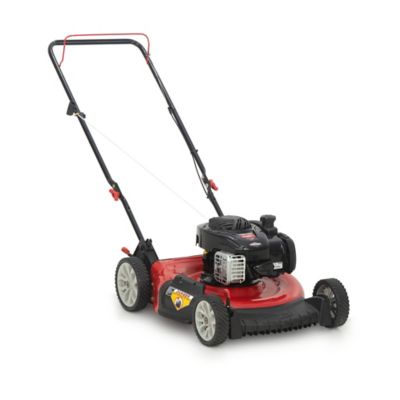
Push mower carburetors are practical repair parts for homeowners, acreage owners, grounds crews, and small-engine shops looking after walk-behind equipment. Their intended job is to restore the specified fuel-metering function, not turn a lawn mower into a higher-output machine. Keeping the factory governor and throttle arrangement intact matters when the mower is working through ordinary lawn grass or trimming areas a larger mower cannot reach. A mower that cuts beside gates, around trees, or along a narrow strip behind an outbuilding still needs the same careful part matching as one that handles an open yard. When matching a carburetor to a
Troy Bilt Briggs And Stratton Lawn Mower, the engine identification and documented replacement number remain more useful than the mower name alone. The surrounding components matter, too. A cracked fuel hose, damaged intake gasket, or loose air-cleaner connection can undermine an otherwise suitable replacement. Where an engine has a fuel filter or shutoff valve, its condition can also affect delivery to the carburetor. These are connected parts of one fuel-and-air system, rather than separate details to overlook once a new assembly is fitted. For someone maintaining several mowers, keeping each machine’s model and engine information with its service records helps prevent mixing up assemblies that look nearly identical on the workbench. For a single household mower, the same information makes future maintenance less of a guessing game. Choosing between cleaning, rebuilding, and replacing depends on the condition of the existing assembly, the engine manufacturer’s service guidance, and whether the necessary repair parts match that design. Replacement alone cannot correct every running problem, but a properly matched carburetor addresses a worn or damaged fuel-metering assembly without changing the engine’s intended setup. Clear compatibility information, appropriate materials, correct seals, and sensible fuel-system care are the details that support a sound repair and help keep a familiar mower ready for its regular rounds.