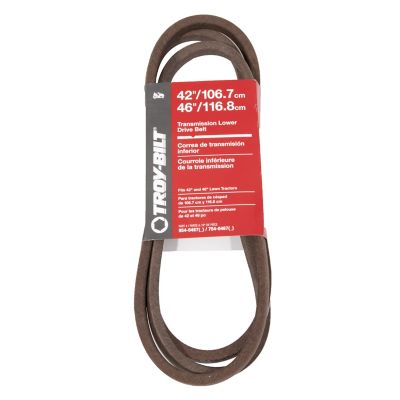
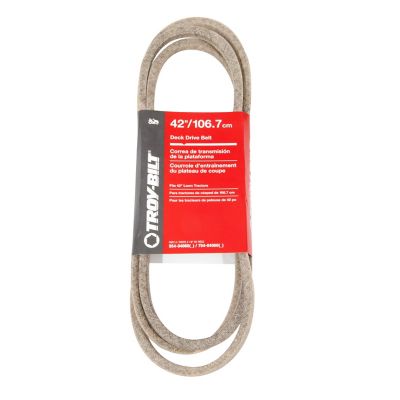
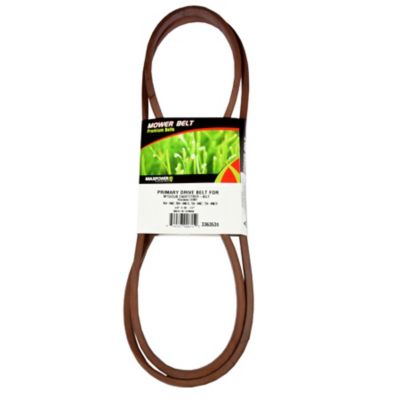
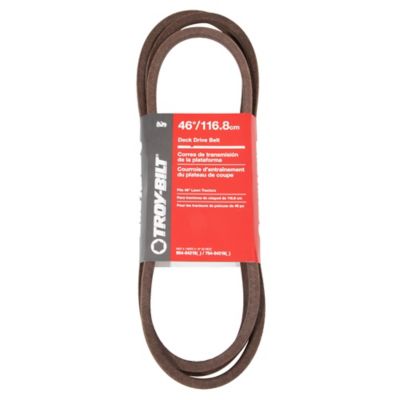
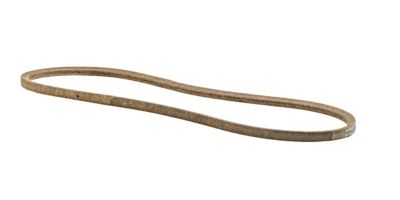
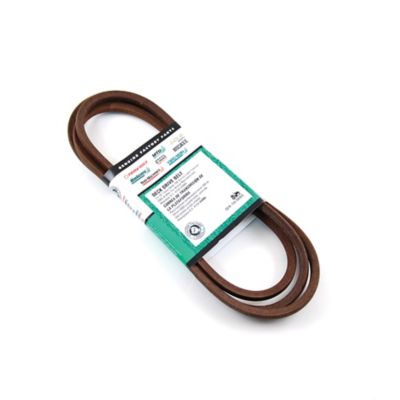
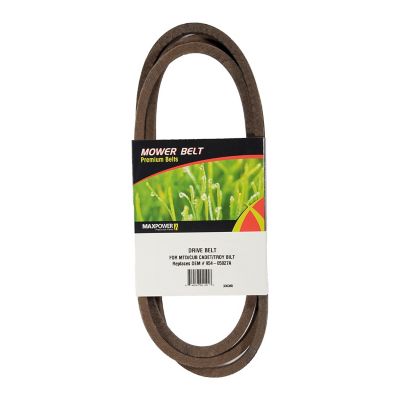
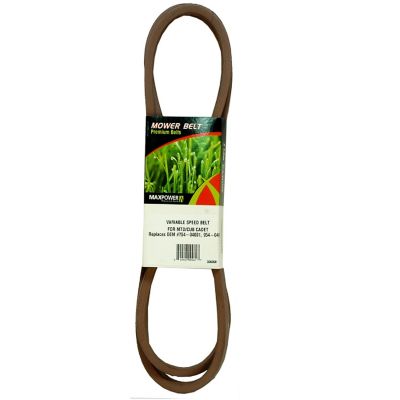
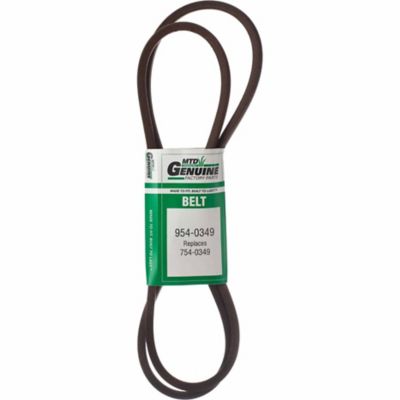
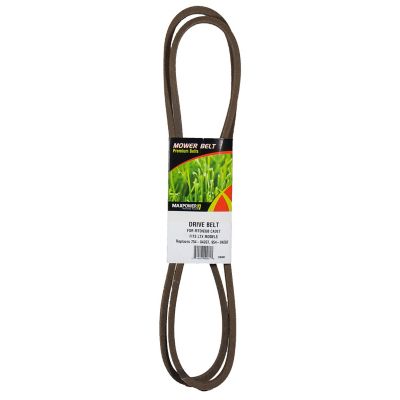
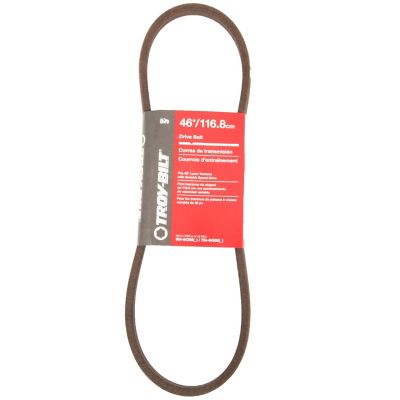
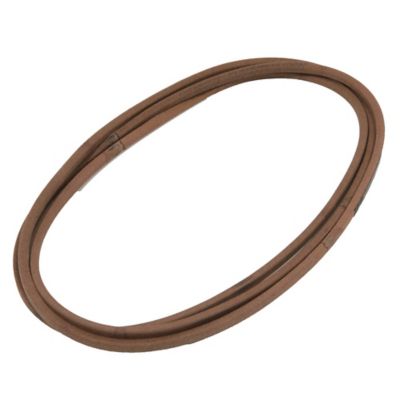
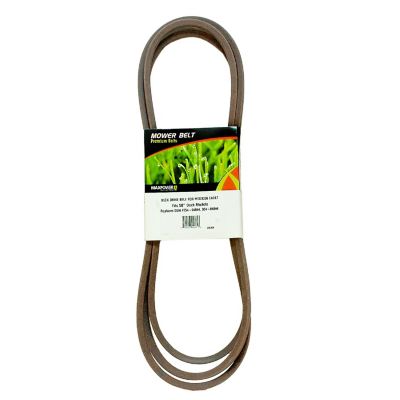
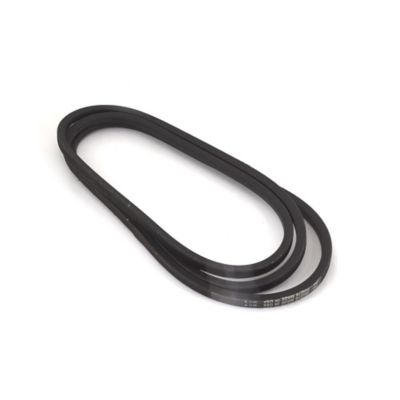
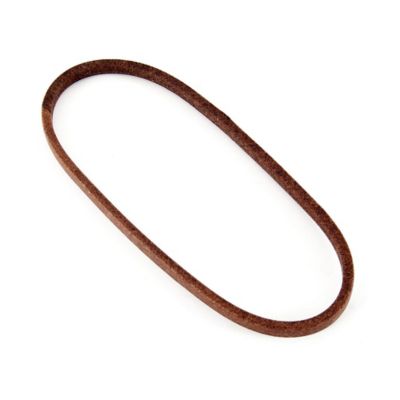
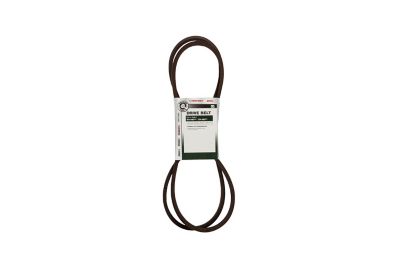
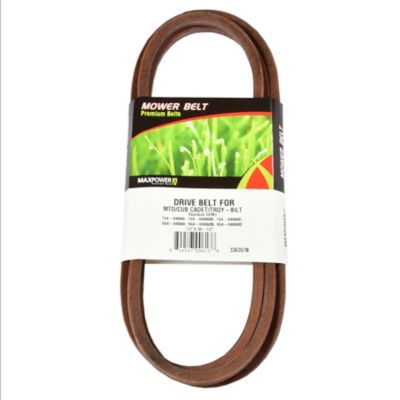
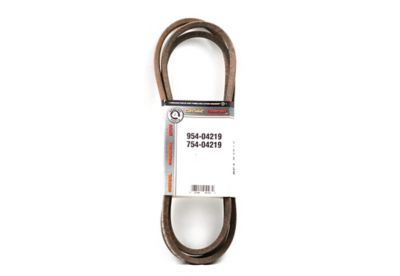
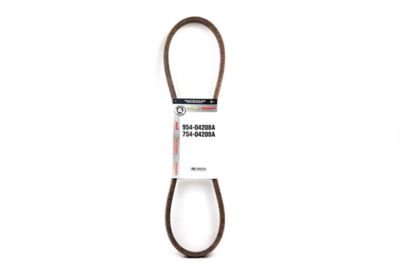
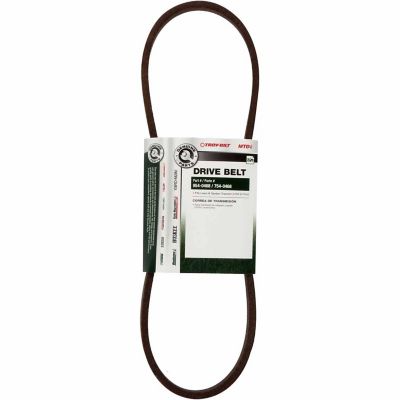
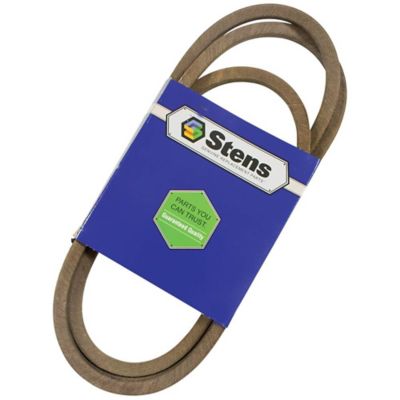
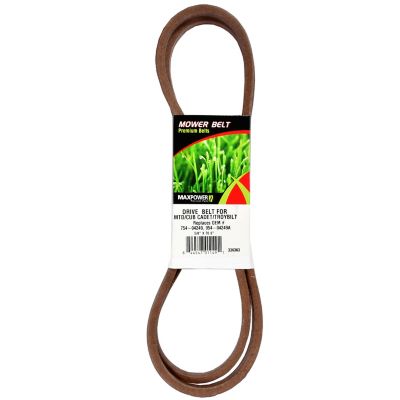
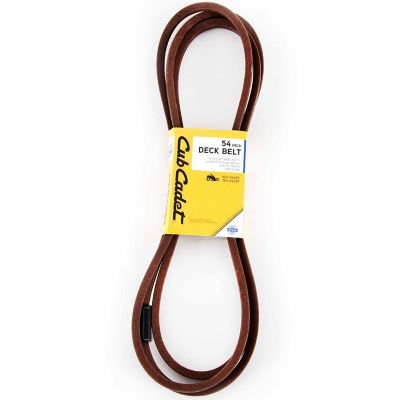
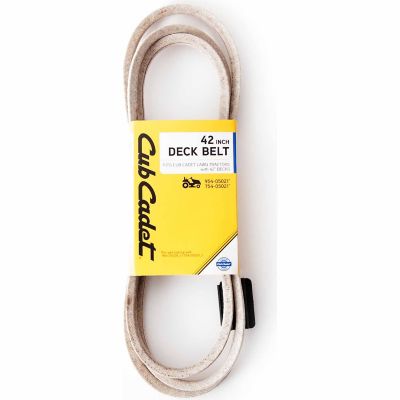
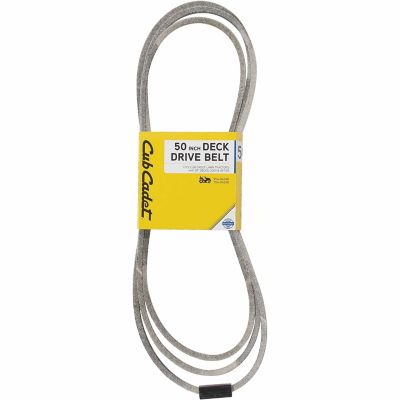
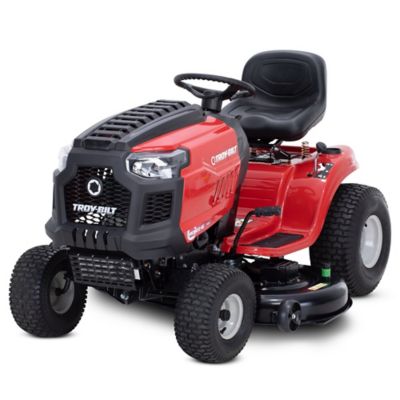
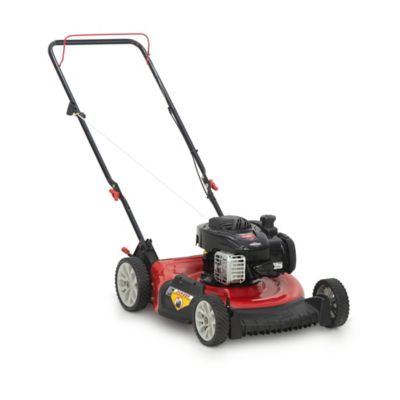
A riding mower belt is a small part that plays a big role in keeping mowing work moving along. Whether you are shopping for a Troy Bilt riding mower belt or comparing replacement belts for another lawn tractor, the first step is matching the belt to the mower’s exact model and the part’s location on the machine. Deck belts transfer power from the engine to the mower blades, while transmission or drive belts help move the tractor across the yard. These belts are not interchangeable, and even mowers with similar-looking decks may require different lengths, widths, profiles, or belt construction. Before ordering, locate the mower’s model and serial information on the identification label, then check the owner’s manual for the original equipment part number. If the old belt is still in place, its part number may also be printed along the outer surface, though wear and cracking can make those markings difficult to read. Measuring the belt can help when a part number is unavailable, but measurements taken from a stretched, worn, or broken belt may not be exact. The mower’s deck size is another useful detail, but it should be used alongside the model number rather than as the only guide. A 42-inch deck, for example, can use a different belt from another 42-inch deck depending on the pulley arrangement and mower design. Taking a few minutes to gather these details can prevent a frustrating return trip to the shed and help get the mower ready for dependable work.
The belt’s condition often gives plenty of warning before a complete failure. Look for visible cracks, frayed edges, glazing, missing chunks, or a belt that feels loose when it should be properly tensioned. A sharp squeal during startup, blades that stop turning in thick grass, uneven cutting, or a mower that struggles to move can also point to belt wear, although pulleys, tensioners, spindles, and other components may create similar symptoms. Shut off the engine, remove the key, disconnect the spark plug wire where appropriate, and allow moving parts to come to a complete stop before inspecting the belt. A belt should follow the routing shown in the manual, with its grooved and flat sides resting against the correct pulley surfaces. Taking a quick photo of the old routing before removal can be helpful, especially when several pulleys are involved. Replacement belts are available in different widths and lengths, and some are built with high-strength aramid or other reinforced materials designed to handle heat, abrasion, and repeated flexing. Choosing a durable construction can be especially useful for large lawns, rough pasture edges, hilly ground, or frequent mowing where the belt sees a steady workout. Still, a stronger material cannot make an incorrectly sized belt fit safely. Avoid forcing a belt over a pulley, substituting a belt that is close in size, or relying on excessive tension to make up for a poor match. Check that pulleys turn freely and that guards, covers, and tensioning hardware are returned to their proper positions before starting the mower. After installation, engage the blades briefly at low engine speed in a clear area, then shut the mower down and inspect the belt for proper tracking.
A replacement riding mower belt can be useful for homeowners who keep a few spare maintenance parts on hand, as well as landowners, caretakers, and small-acreage operators who depend on a mower to keep grass, lanes, and open areas under control. Having the correct belt stored in a dry place can make a real difference when a worn belt gives out during a busy stretch of yard work. During the cooler months, many people take time to clean the mower deck, scrape away packed grass, inspect pulleys, and replace worn belts before equipment is stored or put back to work as weather allows. Keep the belt in its original packaging or a clean container away from direct sunlight, moisture, fuel, oil, and sharp tools. It should not be folded tightly, tied in a knot, or hung in a way that leaves a permanent bend. A little routine care goes a long way: clear grass clippings from around the deck, avoid mowing over hidden stumps and heavy debris, and use the mower at a steady pace suited to the ground. If the mower needs other engine or fuel-system maintenance during the same inspection, you can also browse
Troy Bilt Carburetors as part of a broader parts search. With the right model information, accurate belt specifications, and careful installation, a replacement belt helps restore smooth blade engagement or dependable drive performance and keeps ordinary lawn chores from turning into an all-day repair job.