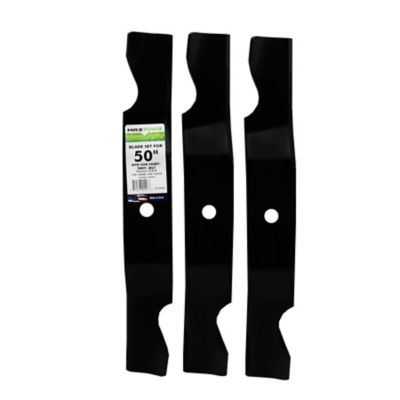
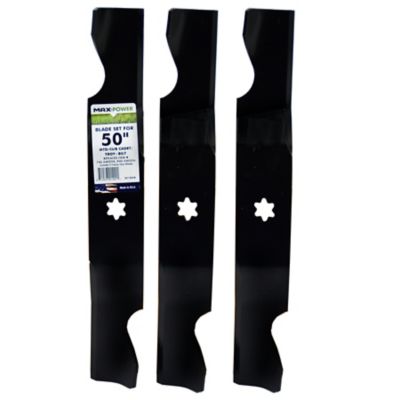
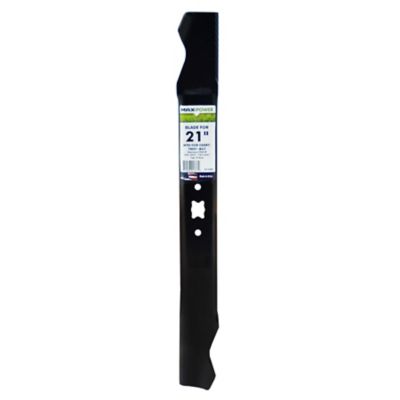
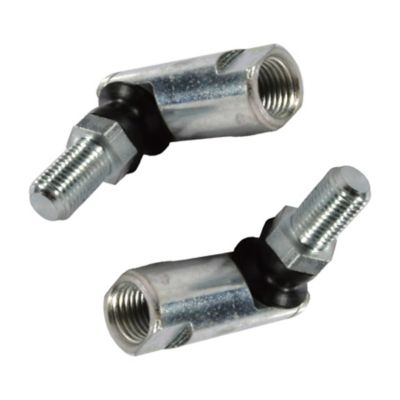
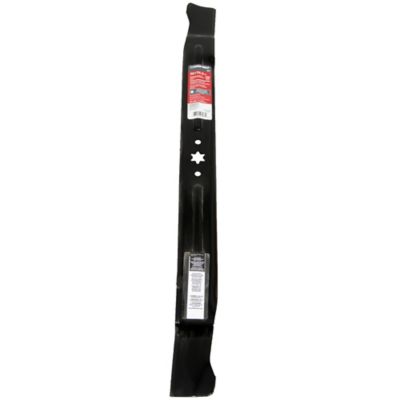
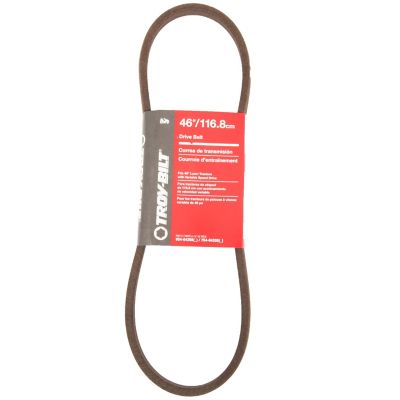
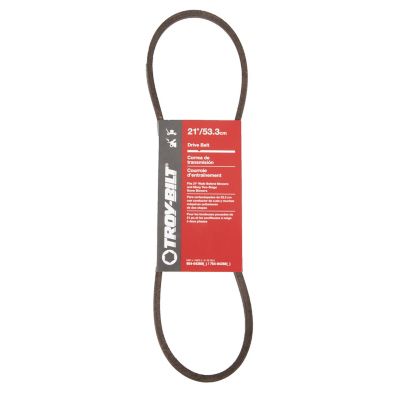
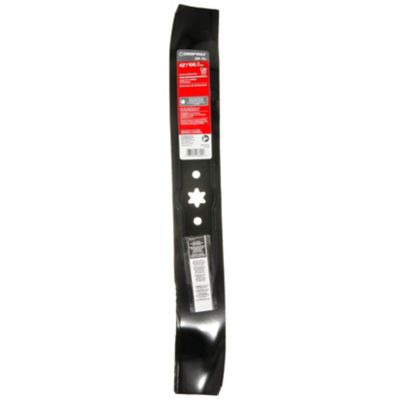
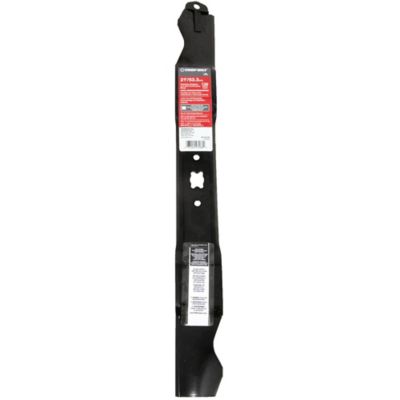
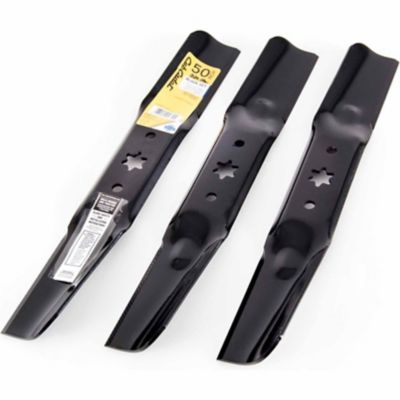
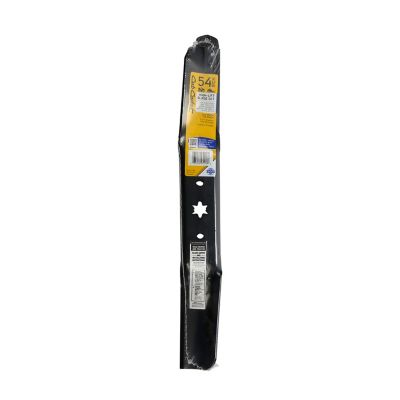
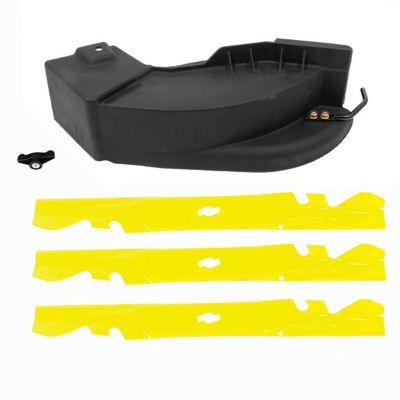
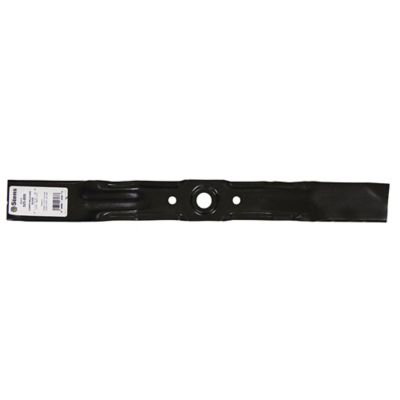
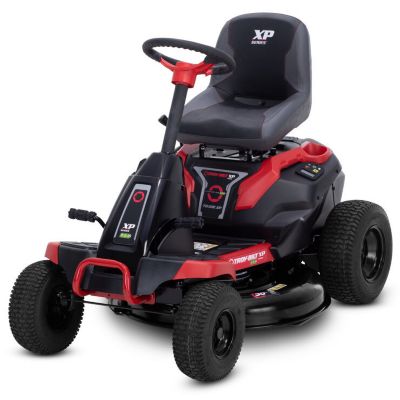
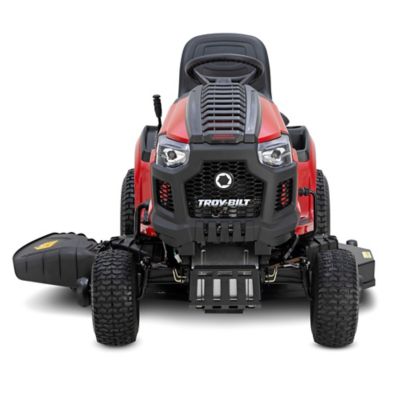
Lawn mower parts cover the cutting, drive and engine components that keep walk-behind mowers and riding lawn tractors ready for the next pass. Common replacement categories include cutting blades, deck belts, transmission drive belts, spindle assemblies, control cables, wheels, air filters, spark plugs and oil filters for engines that require them. Walk-behind mowers may need attention to wheel adjusters, handles and self-propelled drive components, while riding mowers have larger deck assemblies, steering components and additional drive hardware. The right fit depends on the mower model, its manufacturing details, the deck configuration and, for engine components, the engine’s own identification. A mower’s model and serial numbers help identify the machine, while the engine may have a separate model number that matters when matching filters or ignition parts. That distinction is worth keeping straight when a mower has been working around the property for years and its original paperwork has gone missing. Deck width alone does not establish compatibility, and two machines with the same cutting width may require different belts, blades or spindles. Blade length, center-hole shape, mounting hardware and blade count all affect the match. Belts need the specified length and profile, not just a similar appearance beside an old belt stretched from service. Control cables also depend on their attachment ends, housing length and routing, so a close-looking cable may not operate a handle or drive system properly. The owner’s manual and model-specific parts diagram provide a stronger starting point than appearance alone. For a small fenced yard, a long grassy stretch beside the driveway or open ground around the house, replacement needs follow the machine and the work it handles. Keeping those details together makes shopping less of a guessing game and helps separate a routine engine service part from a component that belongs to the cutting deck or drive system.
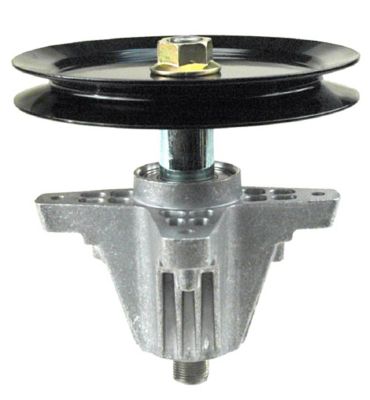
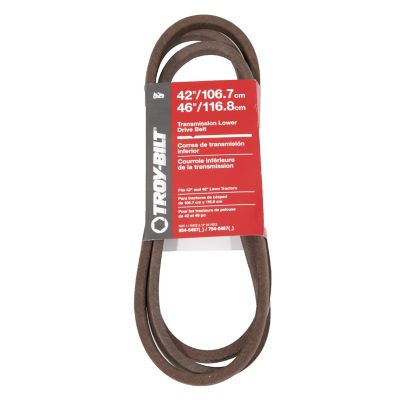
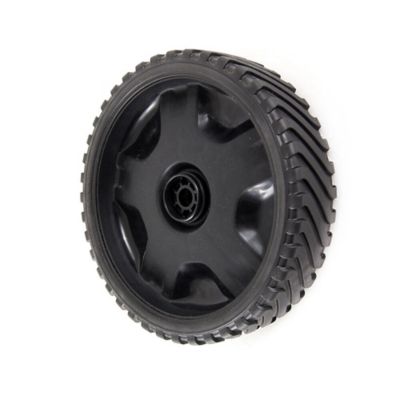
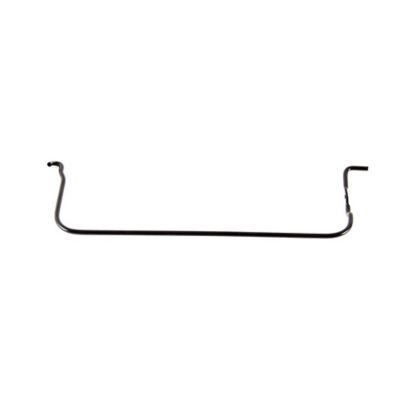
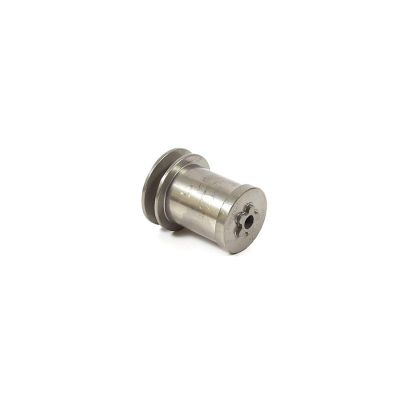
Cutting and drive parts take on different kinds of wear, so their materials and construction deserve a closer look. Mower blades are commonly made from steel, with their shape and lift designed for a particular deck and cutting function. Mulching, bagging and side-discharge setups can call for different blade designs; the correct choice depends on what the mower’s deck supports, not simply the finish someone wants across the yard. Sandy ground can wear cutting edges faster, while roots, hidden stones and other obstacles can damage blades or nearby deck components. A blade with a bend or crack needs evaluation according to the mower manufacturer’s guidance rather than another round of sharpening. Deck belts and drive belts commonly combine flexible rubber compounds with reinforcing cords to handle repeated bending and operating tension. Their service life depends partly on proper routing, pulley condition and keeping interfering buildup out of the belt path. A replacement belt cannot make up for a damaged pulley or a spindle that no longer turns as intended. Spindle assemblies support the blades beneath the deck, and their mounting pattern, shaft dimensions, pulley arrangement and blade connection must match the application. Some assemblies have grease fittings, while others have sealed bearings, making the specified care requirements important. Wheels and tires bring another set of fit details, including diameter, width, axle opening and tread pattern. On a walk-behind mower, the correct wheel helps preserve the intended cutting-height range; on a riding mower, tire size and specified inflation affect how the machine sits and handles. Cables, springs and brackets may look less substantial than a blade or pulley, but their dimensions help controls engage and return as intended. For anyone mowing around fence corners, trees and outbuildings, smooth control operation matters just as much as straight passes across open grass. These components work together, and a sound repair accounts for the surrounding hardware rather than treating every worn part as an isolated problem.
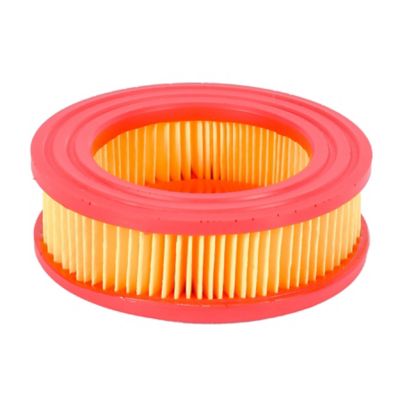
Engine service parts help address another side of mower upkeep, especially on gas-powered equipment that sees regular hours around a home or acreage. Air filters may contain paper elements, foam elements or a combination, and the engine’s specifications determine the correct style and care method. A filter needs the right dimensions and sealing surfaces so incoming air follows the intended path instead of slipping around the edges. Paper and foam elements do not necessarily share the same cleaning procedure, so the engine manual matters here as much as it does for fit. Spark plugs also differ in thread size, reach, heat range and gap requirements; matching the engine specification is more useful than choosing by appearance. Oil filters belong only on engines designed for them, and the specified oil type, capacity and service interval remain separate considerations. Dust, grass clippings and accumulated engine hours can affect maintenance needs, particularly for a mower that handles several stretches of grass rather than one small backyard. Clear service records help keep track of filter changes, blade attention and other work without relying on memory. Care also includes cleaning according to the manual, checking for loose or missing hardware and inspecting components with the engine off and the equipment secured as directed by the manufacturer. Repairs involving blade mounting, drive systems or safety controls may call for a qualified service technician. For households managing more than one mower,
Honda Lawn Mower Parts provides another place to narrow the search, with each machine’s model and engine information kept separate. Whether the mower trims a compact yard or handles the grass around a larger property, matching parts to the machine supports sensible upkeep. The goal is straightforward: controls that work as intended, a deck set up for its intended task and an engine maintained according to its own requirements.