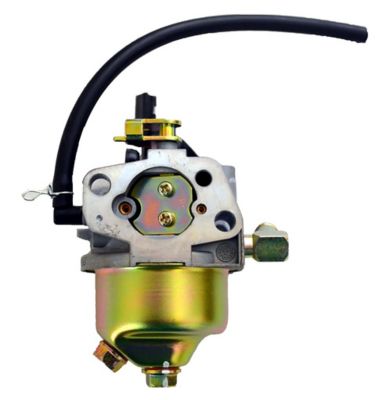
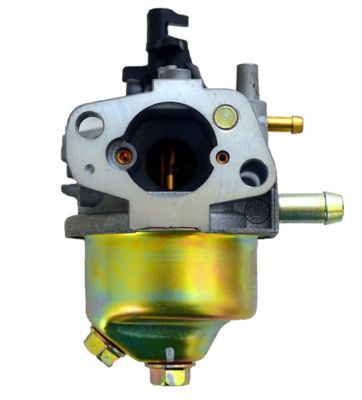
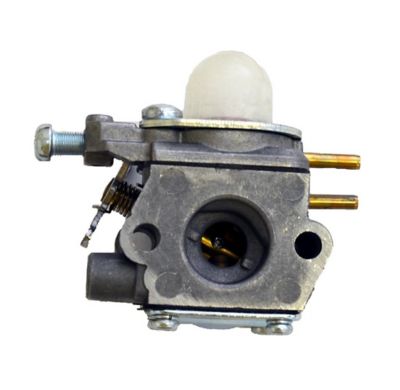
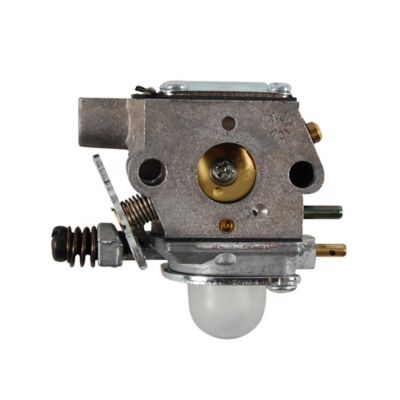
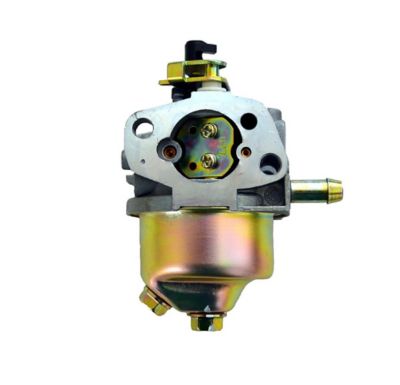
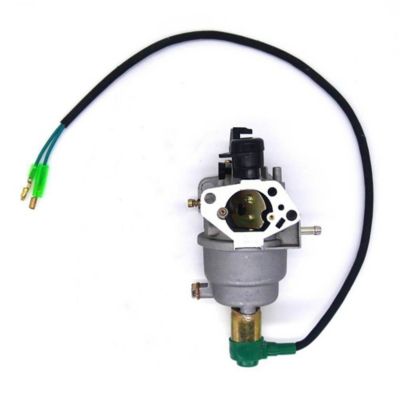
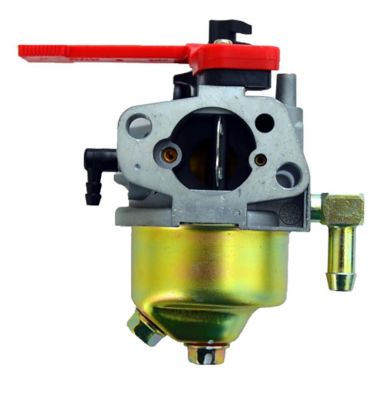
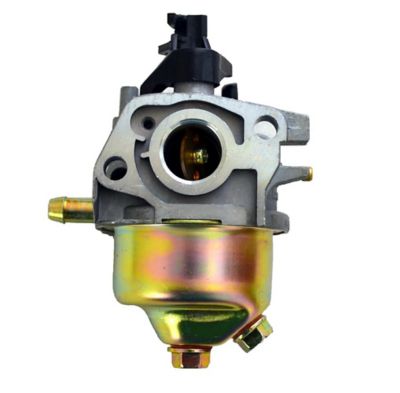
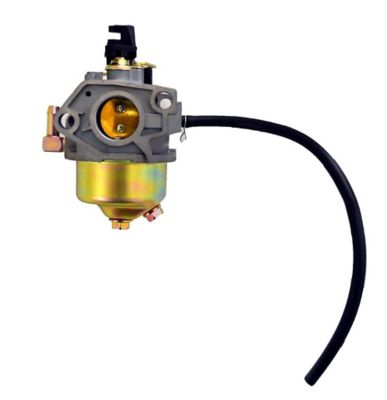
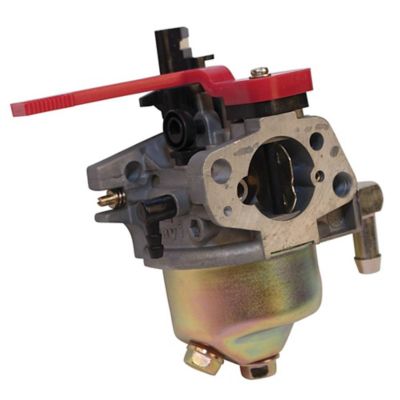
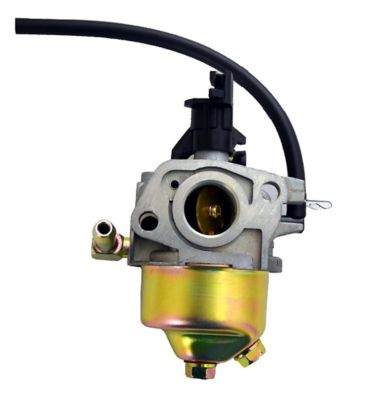
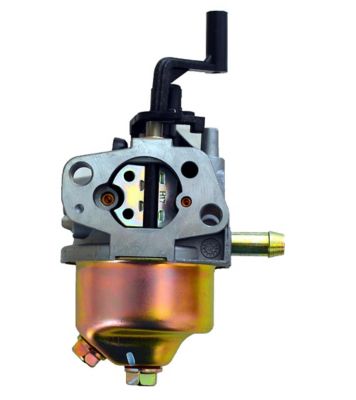
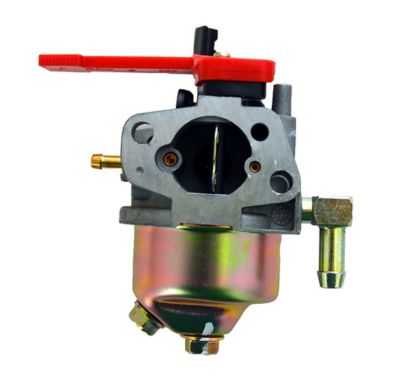
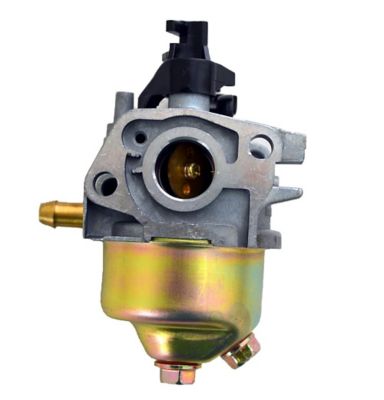
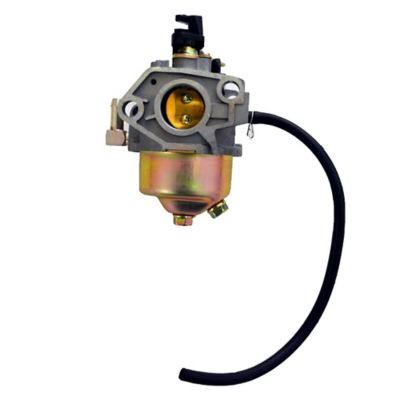
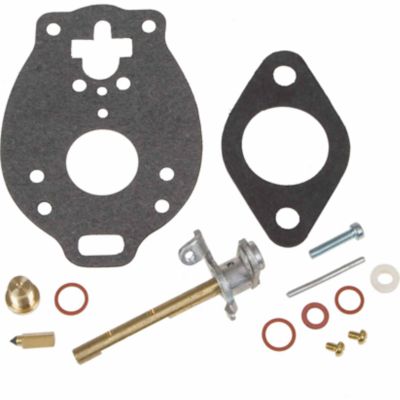
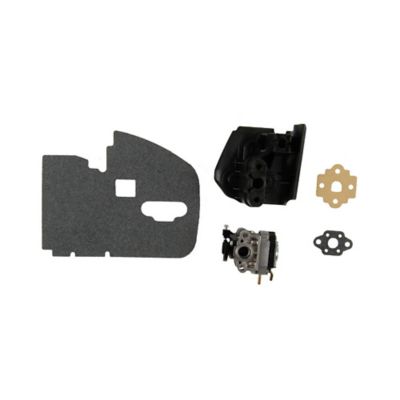
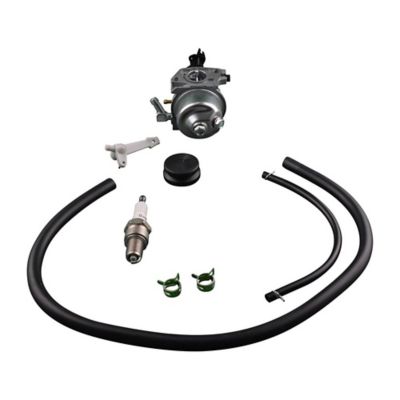
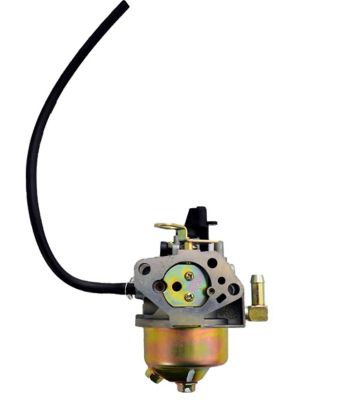
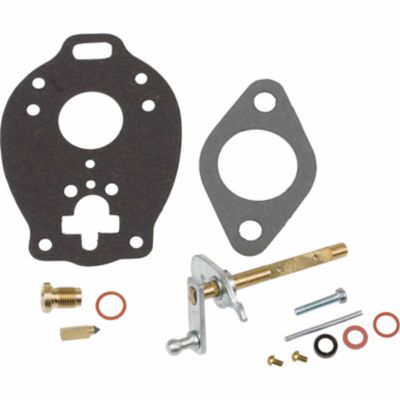
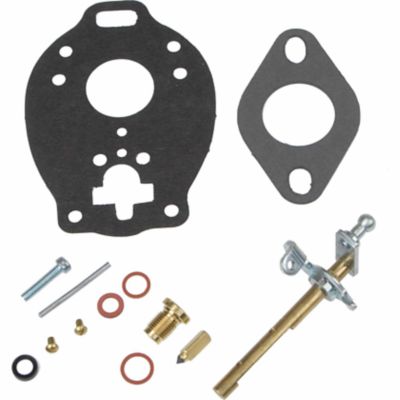
Troy Bilt carburetors help lawn and outdoor power equipment mix fuel and air so the engine can start, idle, and run under load. When that mixture is off, even a dependable mower or small engine may become difficult to start, surge while running, stall when the throttle changes, or stay running only when the choke is partly engaged. A replacement carburetor can restore normal fuel delivery when cleaning no longer solves the problem, while a compatible rebuild or repair part may be useful when the existing assembly is still in sound shape. Before choosing a carburetor, find the full equipment model number and the engine identification information printed on the machine, usually on a label near the frame, starter housing, engine cover, or rear deck. Similar-looking carburetors can have different mounting patterns, linkage points, fuel line locations, choke arrangements, gasket shapes, and bowl designs, so matching by appearance alone can lead to a frustrating installation. Check the original part, compare connection points, and confirm that the replacement is intended for the exact engine configuration. The model number is especially important when equipment has been repaired or repowered over the years, since the machine name may not provide enough information to identify the correct carburetor. Shoppers may also want to compare complete replacement assemblies with repair-focused options, taking into account the condition of the fuel bowl, float, needle, gasket surfaces, and throttle or choke linkage. A complete assembly is often the straightforward choice when several internal pieces are worn or corroded. A repair option may make sense when the body is clean and undamaged and the problem is limited to a clogged passage, hardened gasket, sticking float, or worn metering component. Browse related replacement and maintenance options through
Lawn Mower Parts For Troy Bilt to help keep the rest of the machine’s service needs in one place.
Signs of a failing or restricted carburetor often show up gradually. An engine may crank longer than usual before starting, cough and quit when the choke opens, run unevenly at idle, or lose power when cutting thick grass. Fuel that has been left in the tank through storage can leave varnish and deposits in small passages, and dirt from an old fuel line or a neglected air filter can work its way into the fuel system. Before replacing a carburetor, make sure the basic causes have been checked. Fresh, properly stored fuel, a clean air filter, a sound spark plug, an open fuel shutoff if the equipment uses one, and an unobstructed fuel line can all affect starting and performance. If the engine has been sitting, inspect for stale fuel, moisture, cracked hoses, or a bowl that shows residue. When removing a carburetor, take a quick photo of the linkage and spring locations before disconnecting anything; that small step can save time when putting the equipment back together. Work on a cool engine in a well-ventilated area, keep fuel away from sparks and open flames, and use a container to catch any fuel that drains from the line or bowl. Replacement work should include the correct gaskets and seals, because an air leak at the intake can create symptoms that look like a fuel problem. Tighten fasteners evenly without forcing them, reconnect every linkage and hose as it was routed originally, and check for leaks before starting the engine. After installation, allow the engine to warm at idle, then test it at different throttle settings and under the normal operating load. A steady idle, quick response, and smooth power are good signs that the fuel and air mixture is being delivered properly. If the engine still surges, smokes, leaks fuel, or will not stay running, the issue may involve ignition, compression, governor adjustment, or another fuel-system component rather than the carburetor alone.
These parts are useful for homeowners who keep a mower ready for regular lawn work, property owners who maintain rough grass and paths, and anyone who prefers to repair dependable equipment instead of replacing it when a small engine problem appears. They can also be handy for farm chores, acreage maintenance, rental properties, and seasonal cleanup, where a working mower or outdoor machine needs to start after sitting between jobs. During warmer stretches, grass grows quickly and equipment may see long hours in the yard; during cooler months, a replacement carburetor can be part of a sensible storage or restoration project before the next heavy-use season. Keeping a matched carburetor, fresh fuel-system gaskets, a clean air filter, and basic hand tools on the shelf can make a weekend repair feel far less rushed, especially when a machine stops working just before a large mowing job. For a gift, these parts are best suited to a practical homeowner, hobby mechanic, groundskeeper, or relative who enjoys maintaining their own equipment, though the recipient will need the equipment and engine numbers to confirm fit. A carburetor is not a universal part, and buying based only on the deck size, horsepower rating, or general machine type is not enough. Look for details such as engine displacement, mounting-hole spacing, fuel inlet position, choke style, throttle linkage, primer arrangement, and included seals. Consider whether the machine has been used in dusty conditions, stored outdoors, or operated with fuel containing debris, since those conditions can influence whether related cleaning and maintenance parts are needed as well. Once the right match is installed and the fuel system is kept clean, routine care goes a long way: use fresh fuel, avoid leaving untreated fuel in the tank for extended storage, replace dirty filters, and inspect hoses and connections when servicing the machine. With the proper fit and a careful installation, a replacement carburetor can help bring back reliable starts and steady performance for everyday mowing and property upkeep.