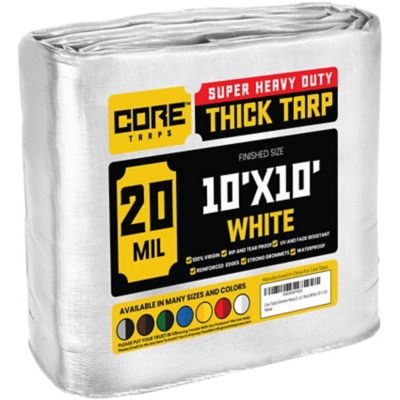
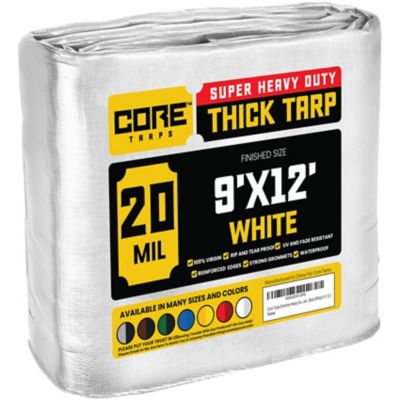
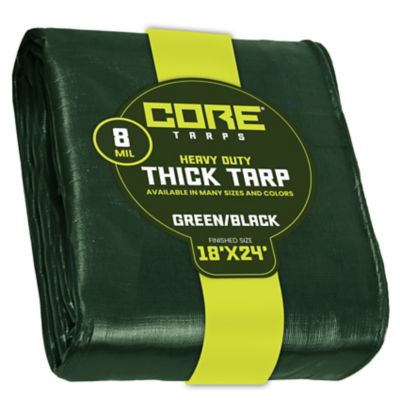
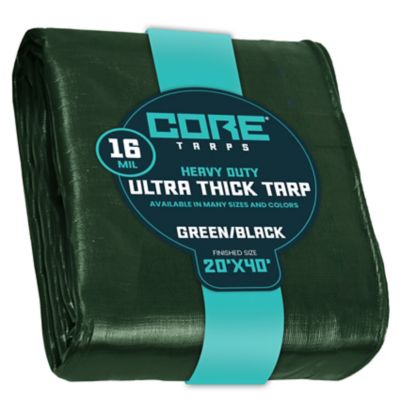
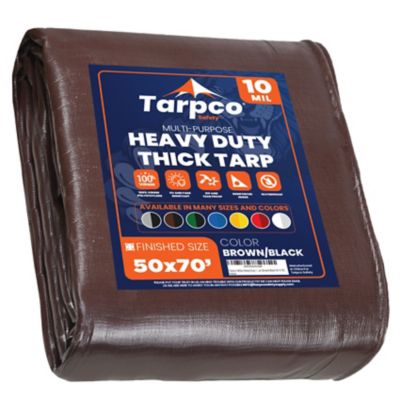
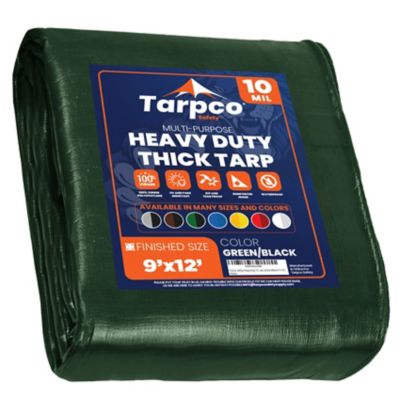
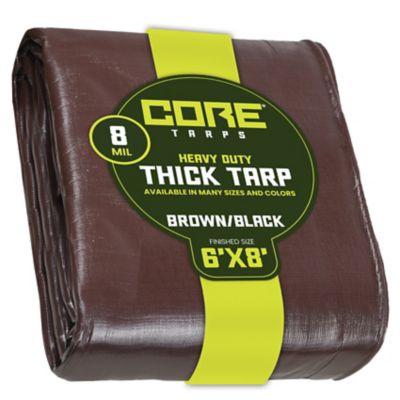
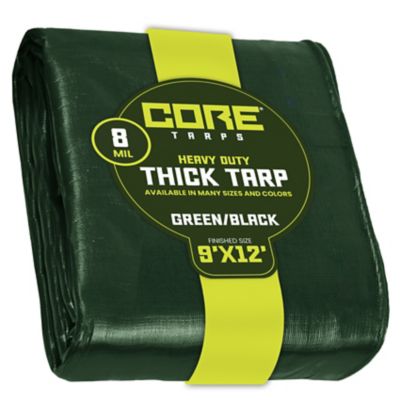
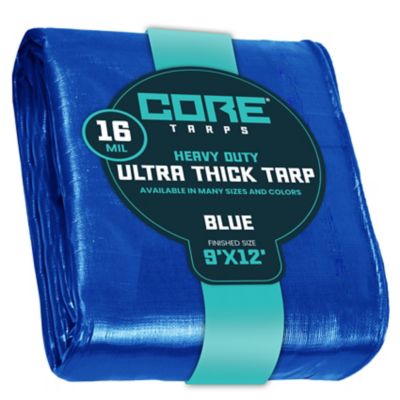
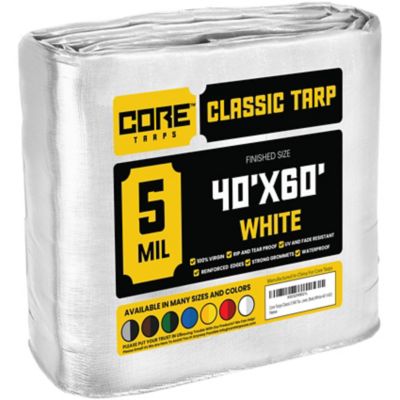
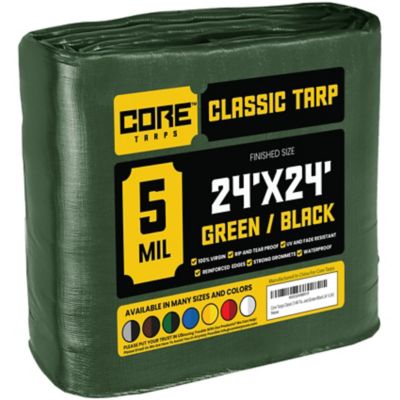
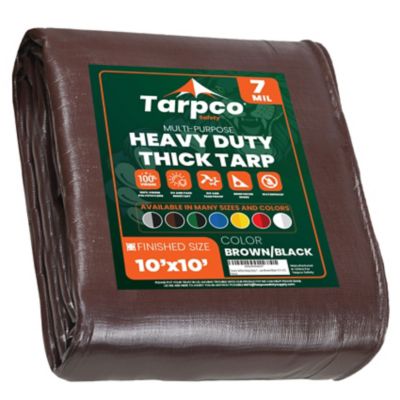
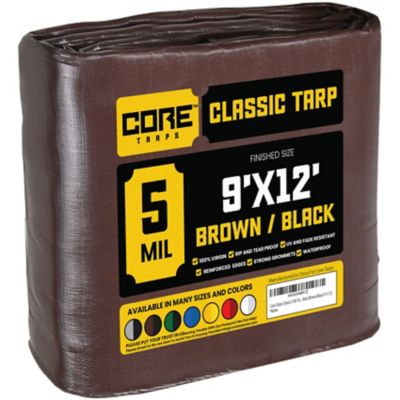
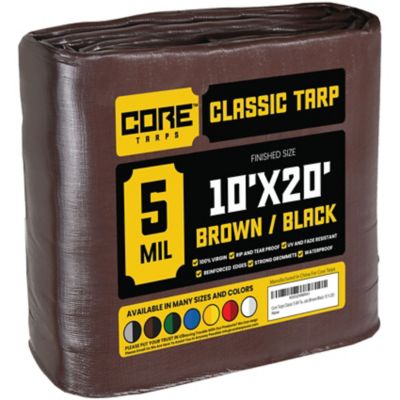
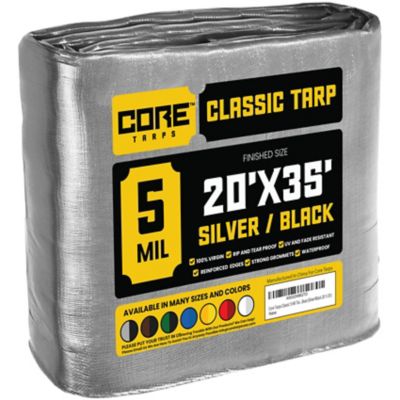
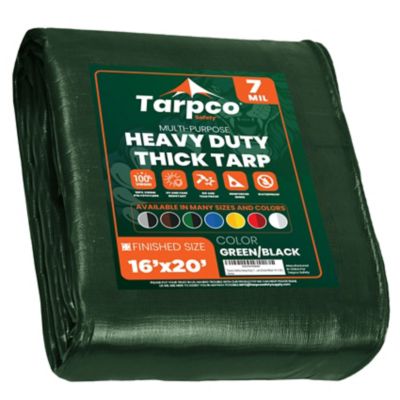
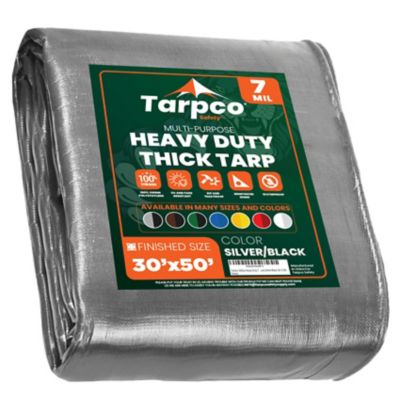
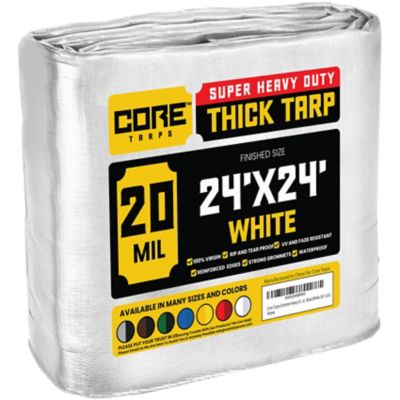
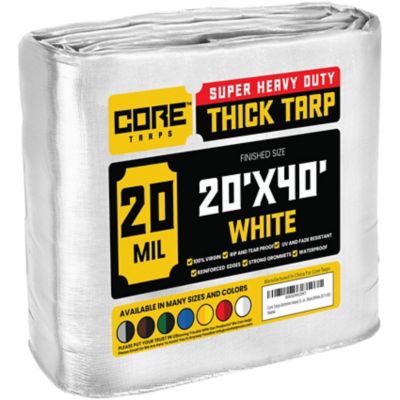
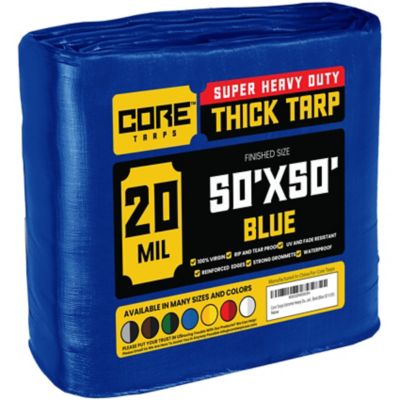
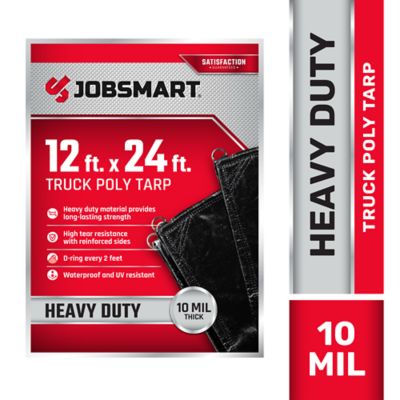
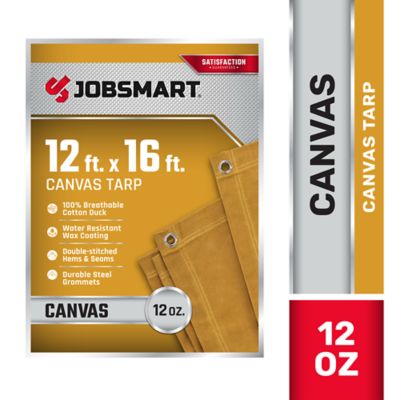
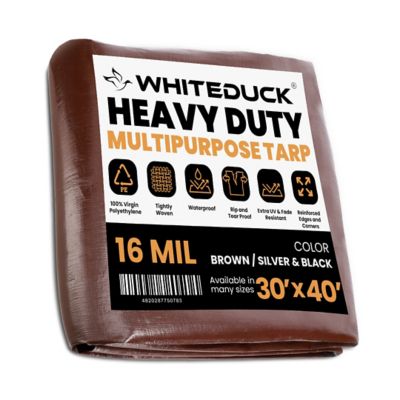
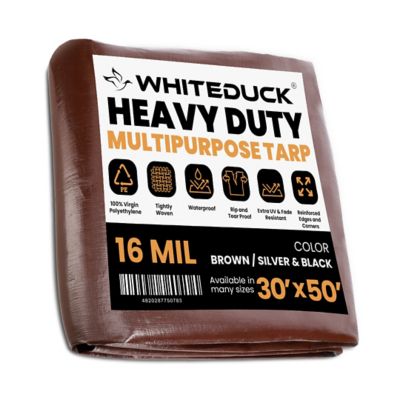
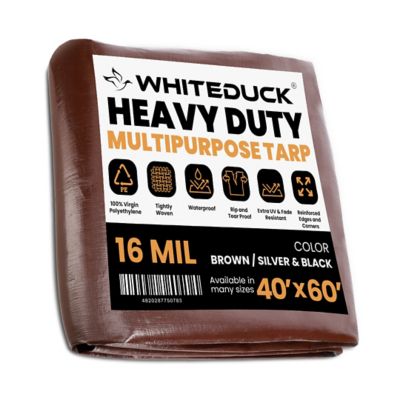
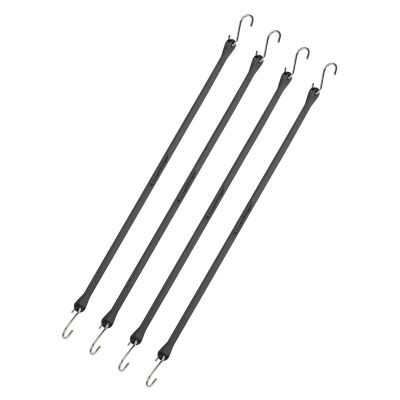
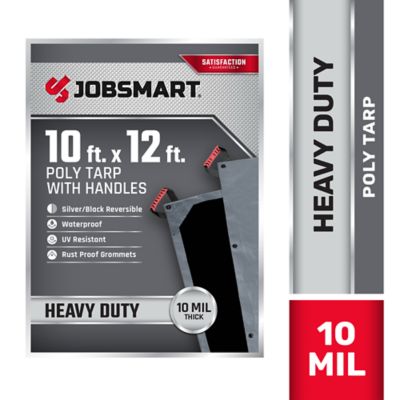
A tarp with grommets is a handy cover for the jobs that come up around a farm, homestead, workshop, campsite or jobsite. Made with reinforced holes along the edges and corners, these tarps can be secured with rope, tie-down straps, bungee cords or other compatible fasteners to help protect equipment and materials from rain, wind, dust, leaves and sun. Use one to cover a stack of firewood, shield a trailer load during a haul, keep feed and bedding dry, cover lumber or landscaping supplies, or provide a quick layer of protection over outdoor furniture and machinery. They can also be useful around livestock areas for temporary windbreaks, shade or shelter from passing showers, as long as the tarp is installed securely and does not create a hazard for animals. During the warmer part of the year, a tarp may help keep tools and stored materials out of direct sunlight, while cooler, wetter weather brings plenty of reasons to cover hay, split wood, lawn equipment and other items that are better kept dry. A well-chosen tarp is one of those practical supplies that tends to earn its keep; many folks keep several on hand because the tarp that covers a load one day may be protecting a leaky shed door, garden supplies or a freshly repaired roof the next.
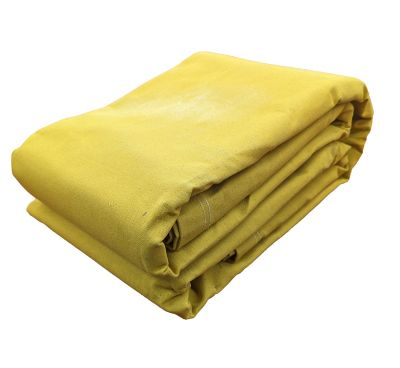
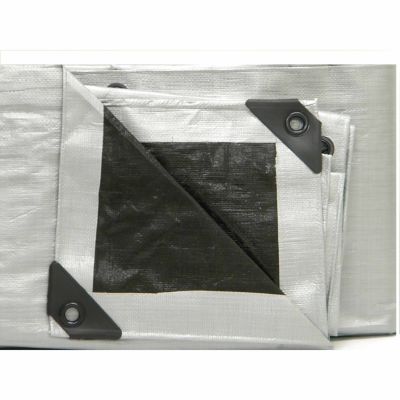
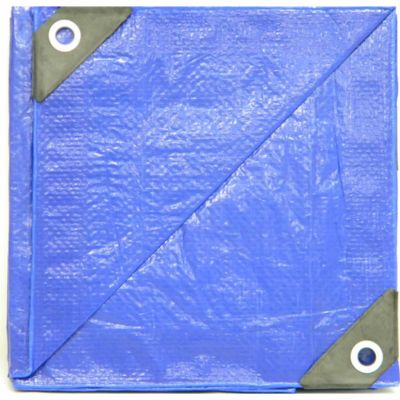
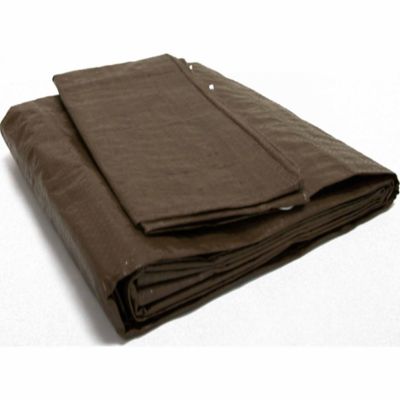
Material and construction make a big difference when choosing a tarp with grommets. Polyethylene, often called poly, is a common choice for general outdoor coverage because it is lightweight, flexible and typically water resistant or waterproof, depending on its construction. Poly tarps are easy to fold, carry and clean, making them useful for everyday chores and occasional hauling. Canvas tarps have a heavier, more breathable feel and can be a good fit for covering equipment, protecting work areas or handling jobs where a sturdy fabric cover is preferred. For larger fabric coverage, take a look at
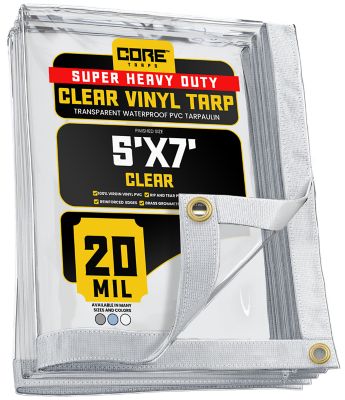
Large Canvas Tarps. Clear materials may be useful when light or visibility matters, such as around a greenhouse, porch or temporary outdoor enclosure, while heavier-duty materials are better suited for repeated use, rough handling and exposed locations. Tarp thickness is commonly measured in mils, and a higher mil rating generally means a thicker material with greater resistance to punctures, abrasion and tearing. Thickness alone does not tell the whole story, though. Check for reinforced edges and corners, since these areas carry the most strain when a tarp is tied down. Grommets are often made from rust-resistant metal and may be spaced at regular intervals around the perimeter. Closer spacing gives you more places to fasten the tarp and can help distribute tension, especially on a larger cover or in a breezy spot. When comparing sizes, remember that the stated dimensions may be taken before hemming, so the finished tarp can be slightly smaller. Measure the area you need to cover, then allow enough extra material to reach over the load and down the sides without stretching the tarp tight across sharp edges.
Think about the conditions the tarp will face before settling on a size and style. If it will stay outdoors in full sun, UV resistance can help slow the brittleness, fading and material breakdown that may occur with prolonged exposure. For rainy conditions, look for a waterproof construction and plan the cover so water can run off rather than collect in a low pocket. A simple slope can make a big difference; standing water adds weight and strain to the grommets. Wind is another important consideration. Use enough tie-down points to keep the tarp from flapping, but avoid pulling so hard that the grommets or reinforced edges bear more tension than they can handle. Tie the cover to a solid anchor instead of relying on light branches, loose boards or unstable objects, and keep ropes and straps clear of walkways, driveways and animal paths. Padding sharp corners with old blankets, cardboard or purpose-made edge protection can help reduce rubbing and punctures. Avoid dragging a tarp across rough gravel or placing it directly against hot exhaust, sharp metal, chemicals or other surfaces that can damage the material. After use, shake off dirt and debris, let the tarp dry thoroughly, fold it loosely and store it away from rodents and prolonged sunlight. A small tarp can make a useful gift for a new homeowner, camper, gardener, truck owner or anyone setting up a workshop, while a larger, heavier cover is a thoughtful practical addition for a landowner or do-it-yourselfer who regularly tackles outdoor projects. With the right material, size, reinforcement and tie-down plan, a tarp with grommets can help keep everyday belongings and hard-earned supplies protected through changing weather.