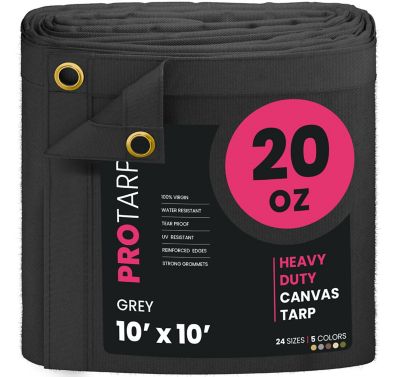
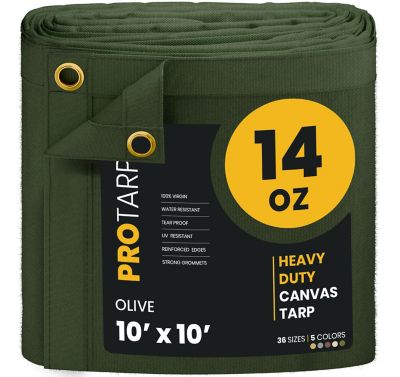
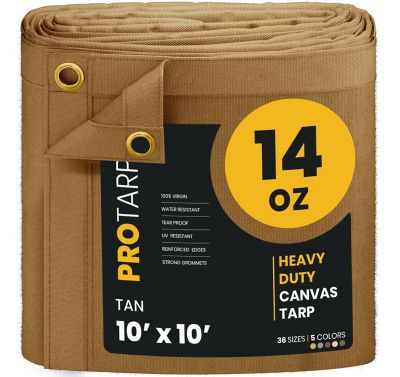
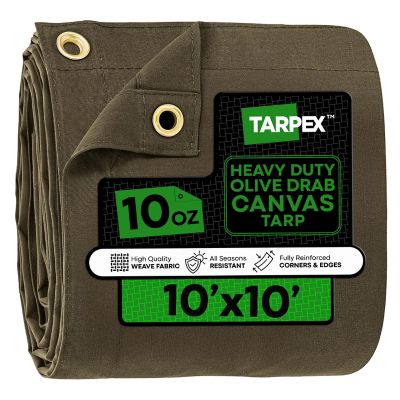
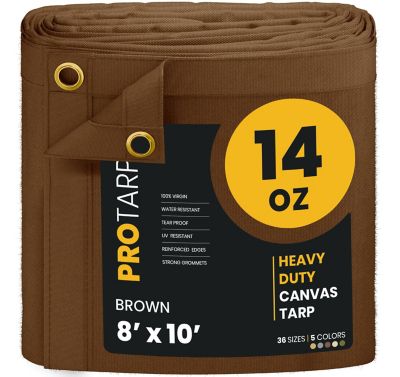
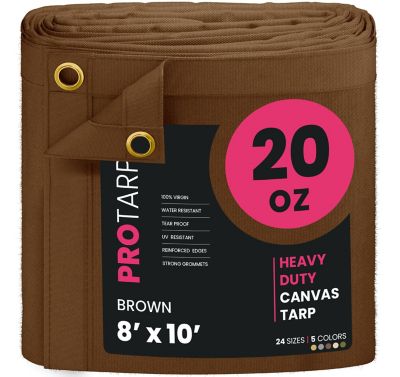
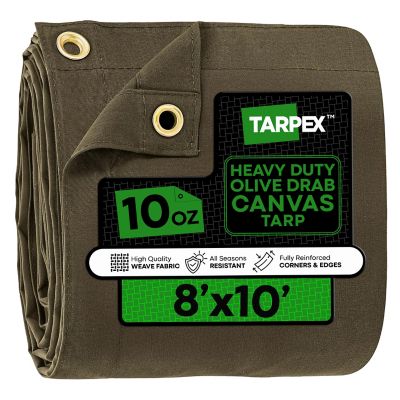
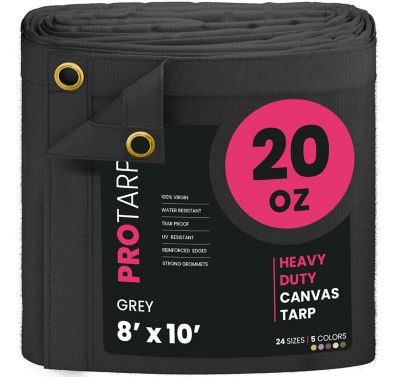
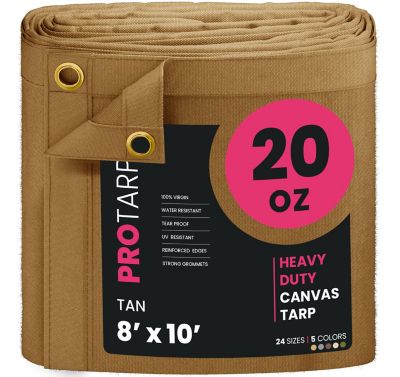
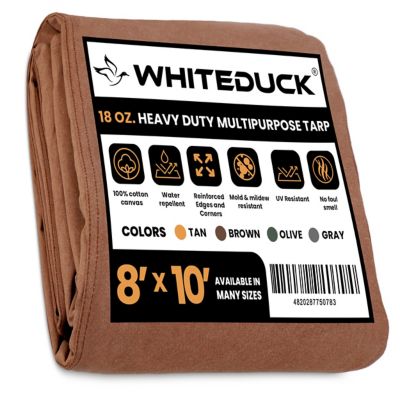
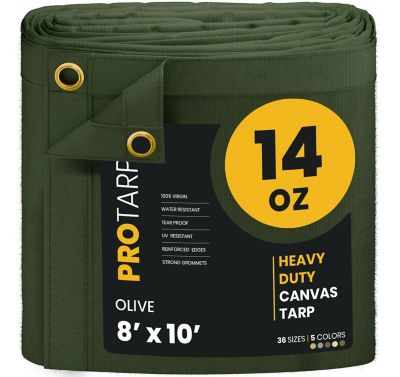
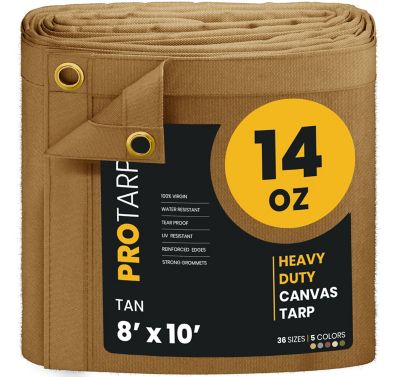
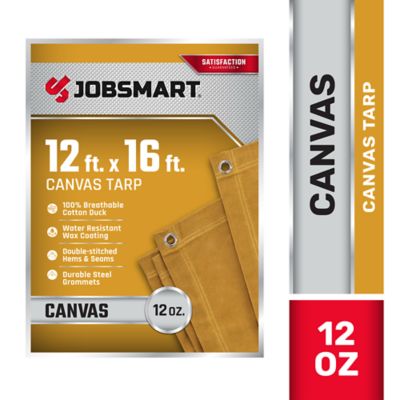
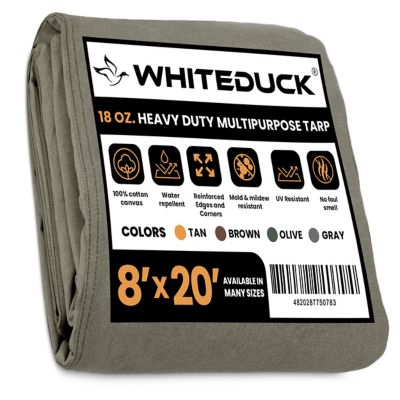
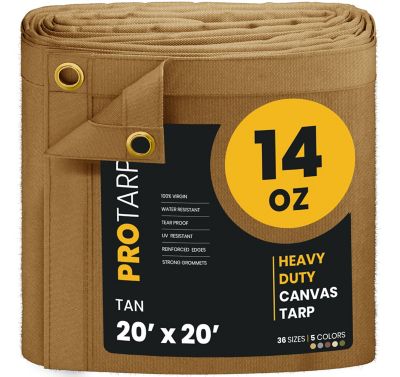
A 10x10 canvas tarp is a square, woven-fabric cover with nominal dimensions of 10 feet by 10 feet, suited to covering equipment, protecting work areas, and keeping loose dirt off stored supplies. That footprint represents about 100 square feet before allowing for hems, drape, and any difference between cut size and finished size. Around a farm, acreage, or busy shop, this size can cover smaller equipment, a stack of lumber, or a section of floor beneath a project. Canvas has a substantial feel and tends to lie more quietly than a lightweight plastic sheet, though its weight and handling depend on the fabric and treatment. Cotton canvas is common, while some fabrics combine cotton with other fibers to change how they handle moisture, stretching, or wear. A tight weave, reinforced edges, and well-secured attachment points contribute to a tarp’s performance when it gets pulled over equipment or folded away between jobs. Fabric weight, often listed in ounces per square yard, helps describe how much material goes into the cover. Comparisons make more sense when those weights refer to the same basis, since a stated weight may describe the fabric before or after treatment. Heavier canvas generally adds heft and can take more effort to lift, fold, and dry, so more weight is not automatically the best match for every chore. Construction matters, too: sturdy stitching, reinforced corners, and properly placed grommets help spread tension across the edges. Grommet material and spacing can vary, and the right layout depends on where the cover will be tied down. For someone covering a compact implement beside the barn or laying out a work surface in the garage, the best fit comes from matching those details to the task rather than judging by square dimensions alone.
The difference between treated and untreated canvas matters as much as size. Canvas can allow moisture vapor to escape, but its breathability depends on the weave, coating, and finish; it does not guarantee that covered equipment will stay dry or free of condensation. Untreated cotton canvas absorbs water, while water-resistant treatments help the fabric shed moisture. Water-resistant does not mean waterproof, and a cover that handles splashes may not stop prolonged soaking or water collected in a low spot. For equipment protection, a supported shape that lets water run off is better than a loose pocket sagging between two high points. Air space around covered gear also matters, especially when the equipment goes under the tarp with moisture already on it. Some treatments provide mildew resistance, but that does not make damp fabric suitable for long-term storage. Other finishes may leave residue or affect sensitive surfaces, so contact with painted panels, upholstery, or finished wood deserves a check against the care and application information. For painting and repair work, untreated canvas can help catch dust and small drips, but it is not a guaranteed liquid barrier. Paint, oil, and other liquids can soak through, making an appropriate backing important when the floor or surface underneath cannot take a stain. Fabric treatments also determine whether direct contact with feed, food, or animal bedding is appropriate; an equipment cover should not be assumed suitable for those jobs. Canvas remains combustible unless otherwise specified, and even flame-resistant fabric is not fireproof. Campers and crews working near welding, grinding, heaters, or cooking equipment need separation from sparks and open flame. These distinctions help explain why two 10x10 canvas tarps can suit different chores even when their dimensions look the same: one may fit a dry indoor painting task, while another is intended for equipment coverage with a particular protective treatment.
Fit starts with the full shape of what needs covering, not just the space it takes up on the ground. A machine that measures 10 feet across will need more than a 10-foot-wide tarp if the cover must drop down both sides. Height, projecting handles, attachment points, and the amount of overlap all take up fabric. Listed dimensions may describe the starting cut rather than the finished cover, and cotton canvas can shrink, so the stated finished measurements and shrinkage information are worth checking. On equipment with sharp corners or rough edges, padding at contact points helps limit concentrated rubbing. Even tension along several attachment points is easier on the fabric than pulling hard from a single grommet, while loose edges can flap and wear against nearby surfaces. A square tarp is also different from a framed shelter. For an overhead work area or gathering space with room to stand,
10x10 Pop Up Canopies offer a different setup; a loose canvas tarp needs suitable support and secure attachment for an overhead application. Back in the shop, care is usually straightforward but should follow the fabric’s label. Loose soil can often be brushed off once dry, while more involved cleaning depends on the finish. Strong detergents, bleach, pressure washing, or machine washing may damage fibers or strip protective treatments when the manufacturer does not permit them. Thorough drying before folding helps prevent trapped dampness, odors, and mildew. Storage off the floor in a dry spot keeps the cover away from puddles, sharp tools, and rodents looking for nesting material. An occasional check of hems, stitching, and grommets can catch a small tear or loose fitting before the next job puts it under tension. With the right dimensions, finish, and care, a 10x10 canvas tarp can earn its place among the everyday covers that move between the barn, garage, campsite, and work area.