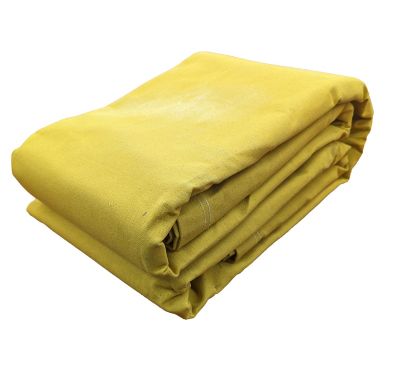
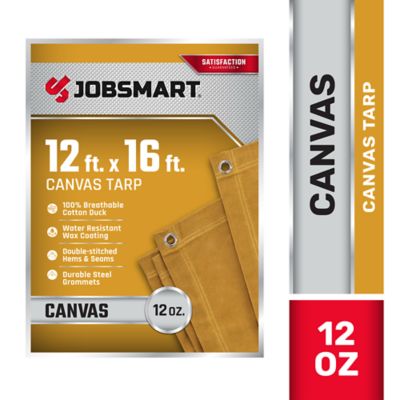
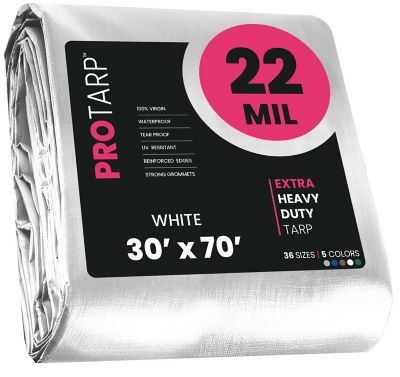
Yellow tarps bring a bright, easy-to-spot cover to chores around the barn, garage, workshop, and jobsite. The color stands out against packed dirt, concrete, and stacks of lumber, making a covered pile or spread-out work area easier to notice at a glance. That can come in handy on a busy property where tools, materials, and equipment move from one task to the next. A tarp might keep sawdust off a parked mower, catch loose scraps beneath a repair project, or separate a load of brush from a trailer bed. For acreage owners, contractors, grounds crews, and folks tackling projects at home, the right cover depends on more than color alone. Construction, dimensions, edge reinforcement, and the way the tarp will sit over a load all affect how well it suits the job. Woven polyethylene is a common tarp material, pairing a flexible fabric base with a coating that helps resist water penetration. Its manageable weight can make folding, carrying, and repositioning less of a chore, particularly when a cover moves between several work areas. Heavier coated fabrics, including some vinyl constructions, may offer greater resistance to rubbing and repeated handling, though they also take more effort to lift and fold. Thickness tells part of the story, but the strength of the weave, coating, seams, and reinforced edges matters, too. When thickness appears in mils, each mil equals one-thousandth of an inch; that measurement is different from fabric weight. Neither number, by itself, tells the whole story about tear resistance or service life. Product specifications help distinguish a light cover for occasional projects from a tarp intended for more demanding work. Yellow adds visibility, not a performance rating, so color alone does not establish tear strength, water resistance, or suitability for a particular task. It also does not turn a tarp into a safety barrier or replace required signs and markings around a work area.
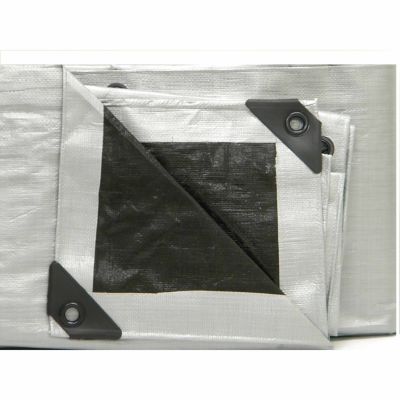
A good fit leaves enough material to cover the top of an object, reach down its sides, and meet the intended attachment points without stretching the fabric tight. A mower deck, stack of boards, or piece of shop equipment has height as well as length and width, so its footprint alone rarely tells the full story. For a rectangular load, the distance up one side, across the top, and down the other gives a more useful starting point for sizing. Space for tie-downs matters as well, especially when anchor points sit beyond the edges of the load. Listed dimensions may describe the cut size before hems and seams or the finished size after construction, so that distinction deserves attention when a close fit matters. Extra fabric can provide needed coverage, but too much loose material can bunch underfoot, snag on corners, or make a small job harder to manage. Reinforced hems, corner patches, and grommet spacing influence how a tarp attaches and where tension lands. A grommet offers a place for a cord or compatible fastener; it does not make that point strong enough to bear unlimited force. Spreading tension across several attachment points generally puts less strain on any single section of the edge. A smooth support beneath the cover also helps keep a sharp corner or exposed bolt from becoming a puncture point. On a trailer, the cargo needs its own suitable restraints, with the tarp serving as a cover rather than a substitute for rated straps or other required securement. For ground-level projects, the useful size may be the area available to catch shavings, soil, or small scraps, plus enough room to gather the edges afterward. A tarp spread beneath a messy repair can simplify cleanup, but it is not automatically suitable for lifting the collected material. Load ratings and intended applications still govern those jobs, especially when the contents become heavy or contain sharp pieces.
Long service life often comes down to how the tarp meets the surface beneath it and how it is put away between jobs. Constant rubbing against a rough board, dragging across gravel, or pulling a corner tight against a metal edge can wear through even a substantial cover. Smooth contact points and a fit that avoids needless strain help limit that wear. Equipment should be cool before covering, with the tarp kept away from exhaust parts, moving components, and other heat sources. Water resistance also deserves a practical distinction: a coated sheet may resist water through its main surface while seams, punctures, and attachment openings remain possible entry points. A tightly wrapped cover can hold moisture against what is underneath, too, so stored materials may need clearance and ventilation rather than a close wrap on every side. For cleanup, care directions for the particular fabric and coating take priority. Loose grit can often be brushed away, while mild soap and water may suit routine washing when the manufacturer permits it. Harsh solvents, stiff scrubbing, or cleaning equipment with excessive pressure can harm some coatings. Letting the tarp dry fully before folding helps prevent trapped moisture and unpleasant odors in storage. An occasional check around grommets, creases, and corners can catch small trouble spots before the next demanding job; compatible repair tape or a patch may address certain minor tears when the material and intended use allow it. A clean storage spot away from sharp tools makes the next setup easier. Color can matter when keeping supplies organized, too. Yellow is easy to pick out among many common work surfaces, while
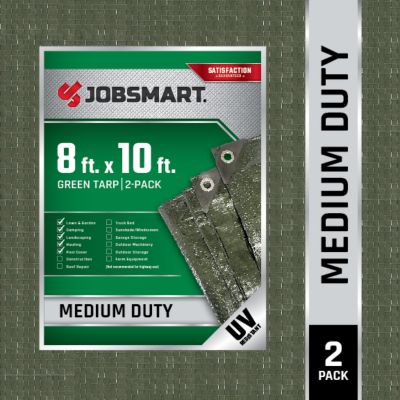
Green Tarps offer another color option for the same broad range of covering tasks. Matching the material, finished dimensions, attachment layout, and care requirements to the work helps make a tarp a practical part of the regular chore routine, whether it stays near the workbench or travels from the shed to the jobsite.