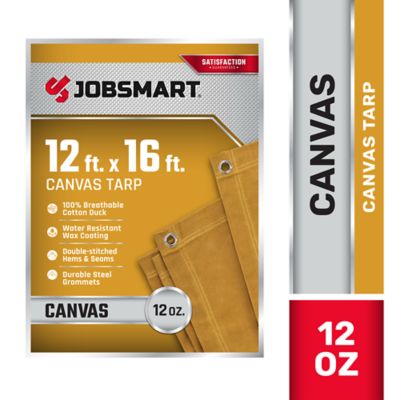
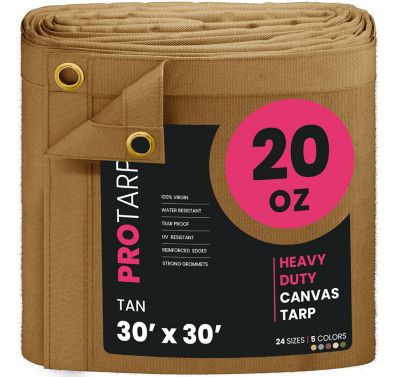
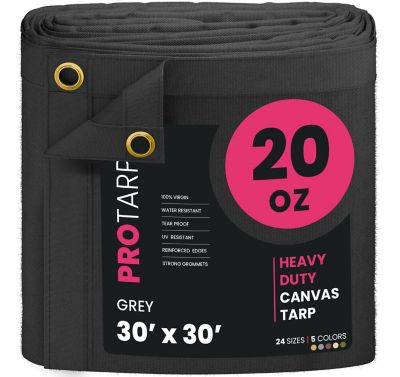
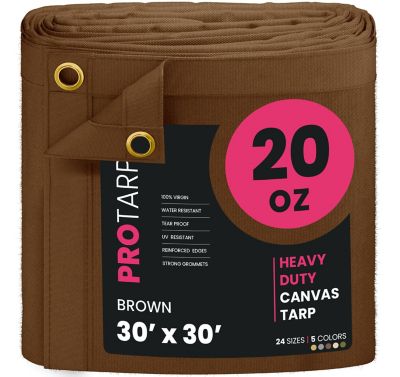
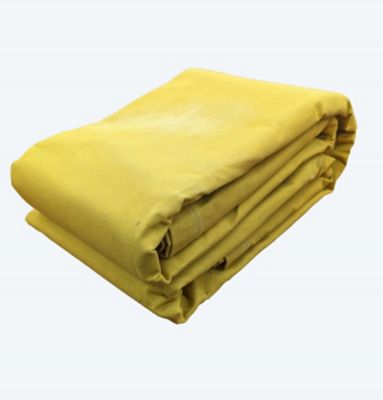
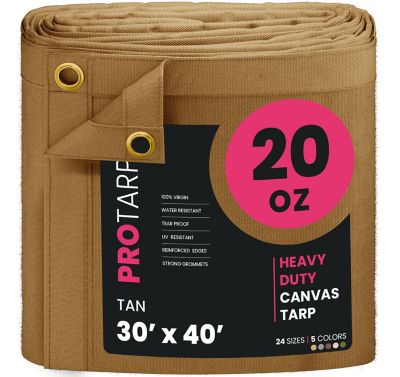
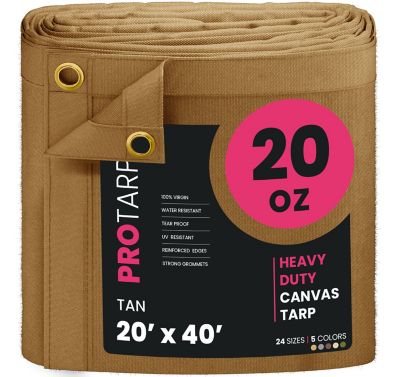
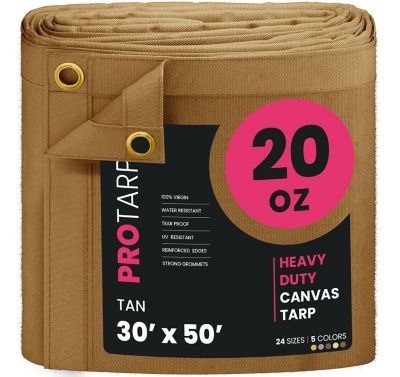
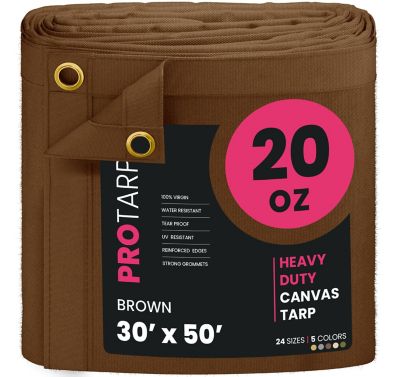
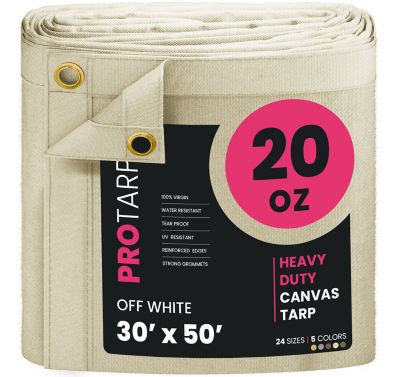
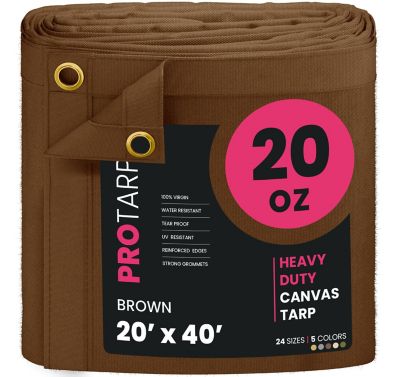
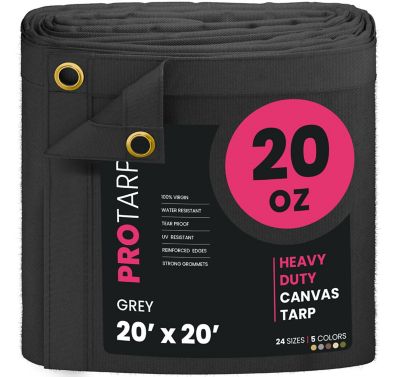
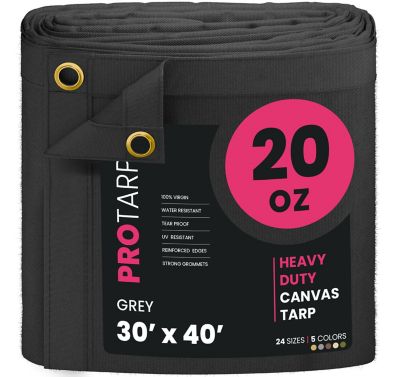
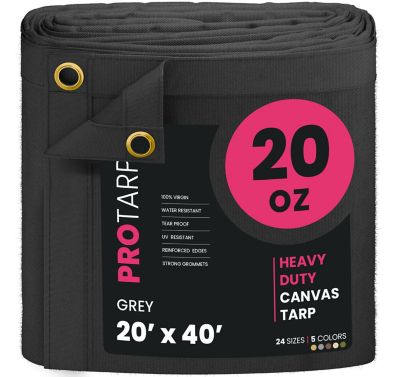
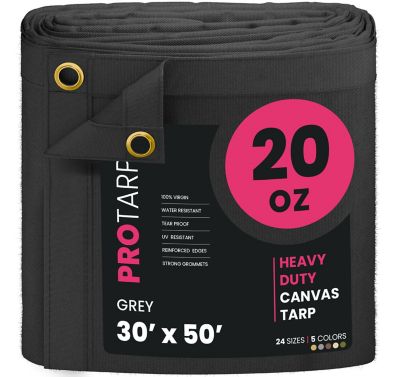
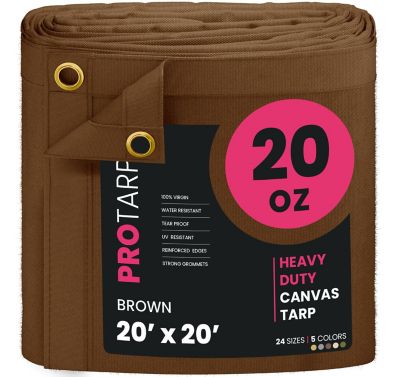
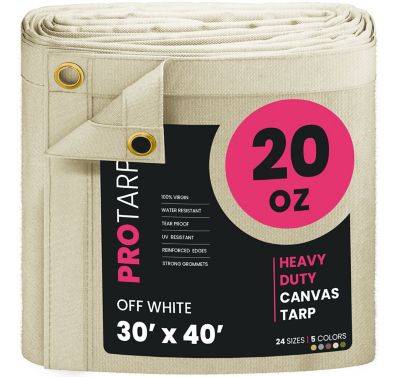
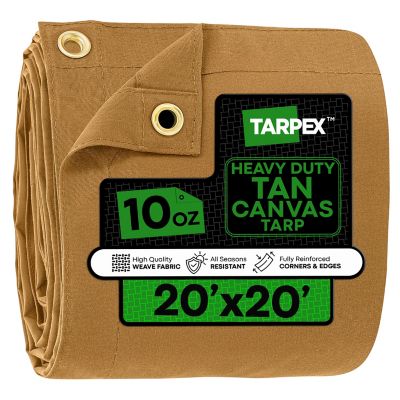
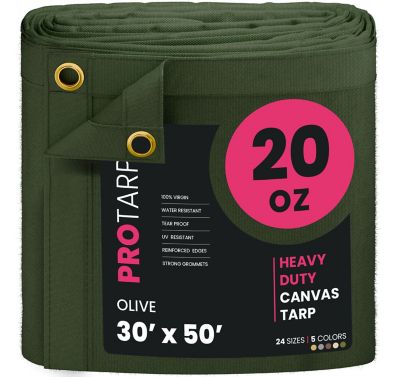
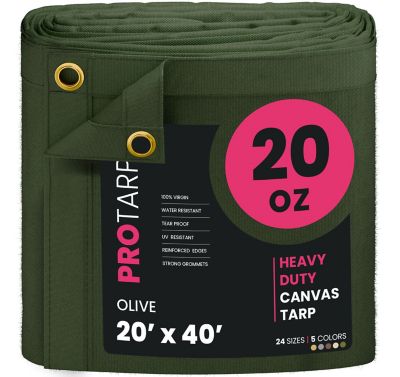
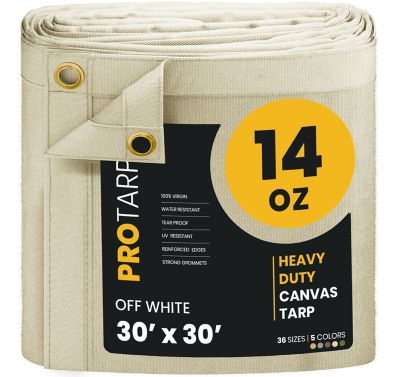
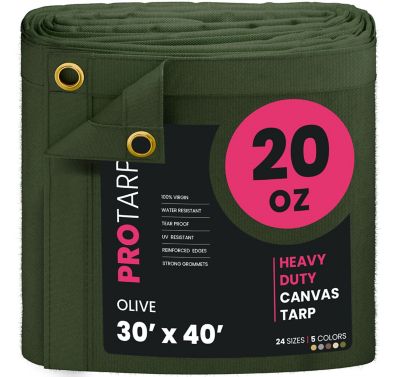
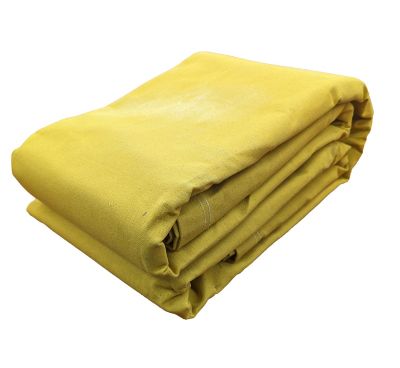
Large canvas tarps give farm, ranch, shop, and worksite crews a sturdy way to cover, shade, separate, or protect large areas. They are commonly made from tightly woven cotton duck or heavy polyester canvas, with fabric weights often ranging from about 12 ounces to 18 ounces per square yard. That heavier weave helps the tarp stand up to rough surfaces, sharp corners, brush, firewood, equipment, and repeated handling better than a light sheet. Large sizes can cover a tractor, mower, hay tools, lumber, pallets, scaffolding, or a stack of supplies while leaving enough room for the edges to be secured. When choosing a size, measure the item and add extra material for draping, tying, and air space. A 12-by-16-foot tarp, for example, may cover a sizeable load, while a 12-by-20-foot tarp gives more room for larger equipment or a broader work area. Keep in mind that canvas is heavier and takes up more storage space than a plastic tarp, especially when it is wet. Check the listed fabric weight, finished dimensions, grommet spacing, hem construction, and treatment before placing an order. A tarp with reinforced hems and closely spaced grommets gives you more places to attach rope, straps, or tie-downs, helping spread tension across the fabric instead of pulling on one point. For a smaller coverage area, browse
10x10 Canvas Tarps. For broad loads and equipment, a large canvas size can save time by covering the full area in one piece rather than layering several smaller covers.
Canvas breathes, which is one of its main advantages around equipment, lumber, tools, and stored materials. Air can move through the woven fabric, helping reduce trapped condensation beneath the cover. That can help lower the chance of rust on metal, rot in wood, and mildew in damp conditions, though no tarp can replace proper ventilation or dry storage during long periods of rain. Most outdoor canvas tarps have a water-repellent treatment made with wax, oil, paraffin, or a similar coating. These treatments help rain bead and run off, but canvas should generally be considered water-resistant rather than fully waterproof during long, heavy downpours. Leave room for air movement, keep the tarp from sitting in standing water, and pitch the cover so rain can drain away instead of pooling in the middle. A little slope can make a big difference when covering a hay rack, firewood pile, or piece of machinery. Treated canvas may have an odor or a slight surface residue when first opened, so allowing it to air out in a dry, open space can help. Never pack a damp tarp tightly for storage. Shake off soil and leaves, let the fabric dry completely, then fold it loosely in a cool, dry place away from rodents, sharp tools, and direct sunlight. Read the care instructions for the specific tarp, since harsh cleaners, pressure washing, or improper drying can affect the treatment. Canvas also tends to be quieter in wind than plastic, which is helpful around a barn, campsite, or house where loud flapping can become a nuisance. Its woven fabric is less likely to tear when it rubs against a rough edge, and it offers better resistance to stray sparks than many synthetic sheets. Even so, keep every tarp away from open flame, hot exhaust, welding sparks, and grinding work unless the manufacturer specifically states that the material is suited for that setting.
Large canvas tarps fit a wide range of rural and work-related jobs. A farmer may cover implements between seasons, shield feed equipment during a storm, or create a temporary windbreak near a loading area. A rancher can protect gates, lumber, fencing supplies, and portable equipment while moving materials around the property. At a shop or building site, canvas can cover a workbench, stack of pipe, saw, generator, or building materials while keeping dust and light moisture off the surface. Campers and outdoor crews may stretch a large tarp above a cooking area, gear pile, or seating space, provided the cover is tied securely and kept clear of flames. The grommets make setup flexible: run rope through opposite sides, attach straps to a frame, or anchor the cover to stakes and posts. Avoid pulling so hard that the grommets bend or the hems strain, and do not rely on loose rocks or unstable objects as anchors when wind is expected. Inspect the tarp before each season and after rough weather. Look for torn stitching, bent grommets, worn corners, holes, and coating wear. Small problems are easier to address before a strong gust turns them into a long tear. Because a large canvas tarp can be heavy, plan how it will be lifted and secured before spreading it over equipment. Two people may be safer than one when the fabric is wet or the wind picks up. These covers are practical additions to a farm shop, truck, trailer, campground, or property maintenance setup, especially during cooler months when rain, wind, and shifting weather can arrive with little warning. Choose the largest size that fits the job without excessive loose fabric, pair it with suitable tie-down hardware, and store it properly so it is ready for the next load, project, or storm.