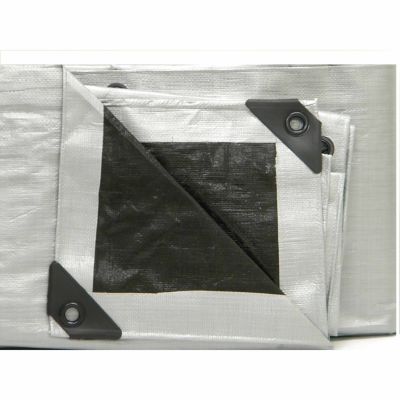
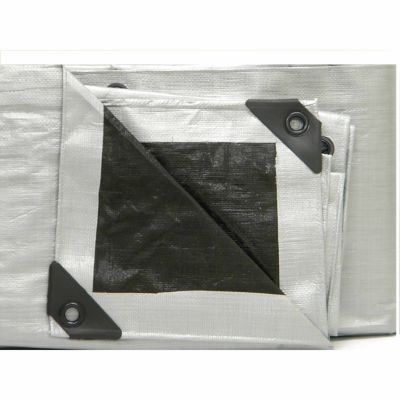
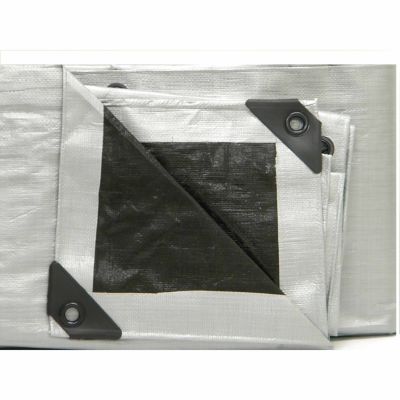
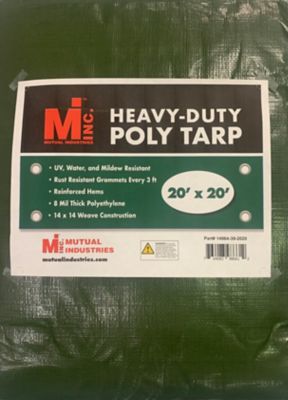
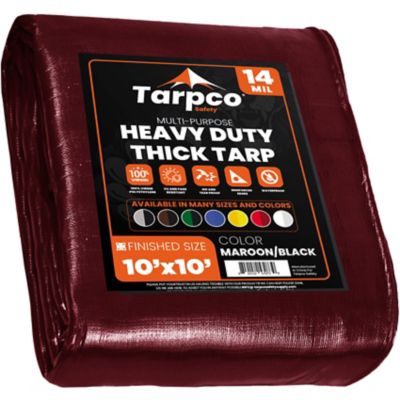
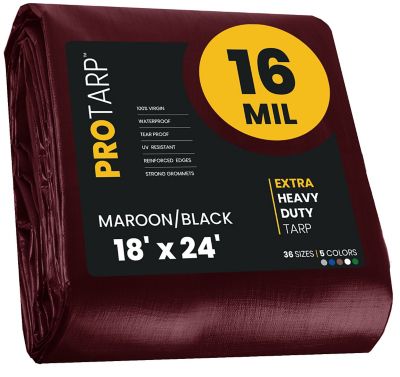
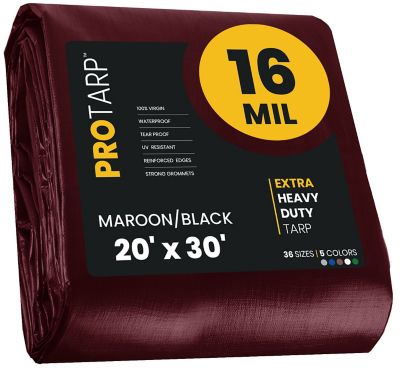
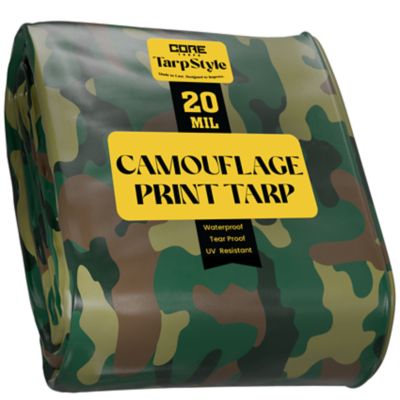
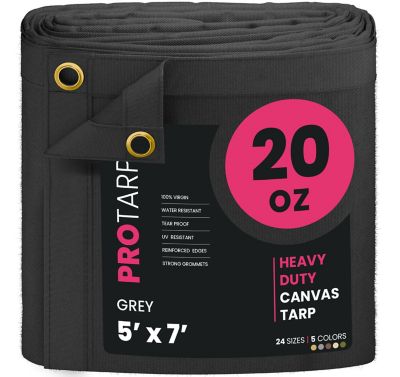
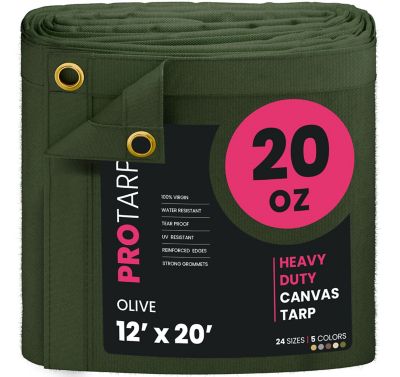
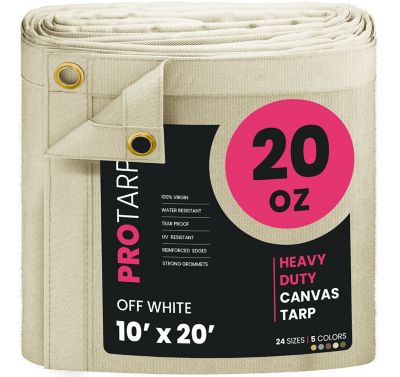
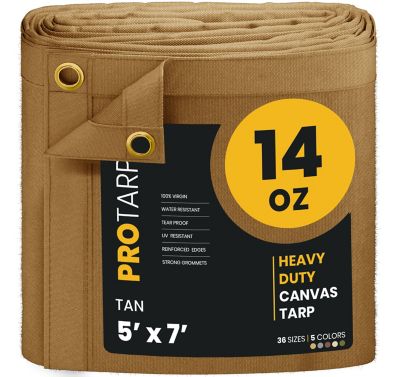
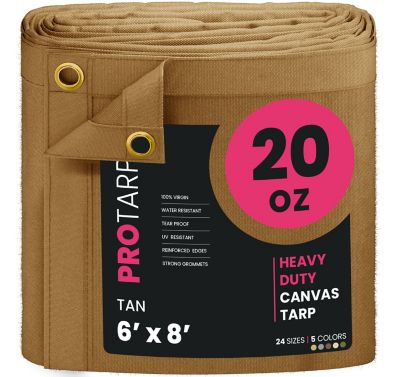
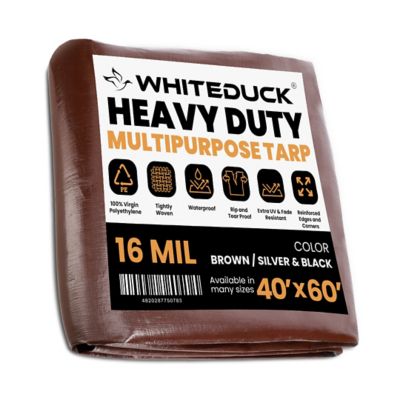
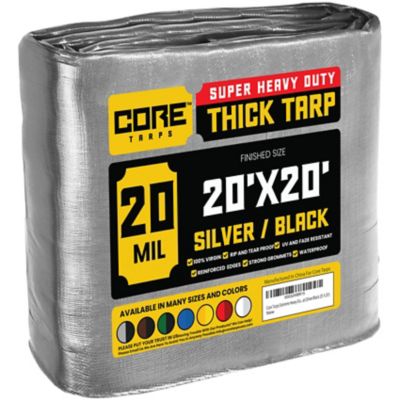
Heavy duty tarps for camping give you a dependable layer of protection when the ground is wet, the wind picks up, or a clear forecast takes an unexpected turn. Unlike thin plastic sheets that can flap, split, or pull loose under strain, a rugged camping tarp is made for repeated use around rough ground, damp grass, gravel, brush, and busy camp setups. Use one as an overhead rain fly between trees, a lean-to shelter over a picnic table, a windbreak beside a tent, or a covered cooking and gear area at base camp. A tarp can also serve as a ground cloth beneath a tent, a clean place to sort firewood, or a cover for coolers, camp chairs, and supplies when camp is closed up for the night. Families at a drive-in campground, hunters setting up a temporary camp, anglers spending a long weekend near the water, and folks using a truck or utility trailer as part of their setup can all put a sturdy tarp to work. It is handy for a weekend in the woods, but just as useful in the backyard when the kids need a dry fort or guests need a little shade. During the cooler months, a properly pitched tarp helps keep rain and damp leaves off your sitting area, while in warmer weather it can provide welcome shade and improve airflow around camp. Choose a size that gives you enough coverage without becoming hard to handle. A small tarp may be just right for a solo sleeping area or gear cover, while a larger rectangular or shaped tarp offers room for a group, cooking station, or sheltered gathering spot. Keep in mind that larger tarps catch more wind and need stronger anchor points, longer lines, and a little extra room for a safe, well-tensioned setup.
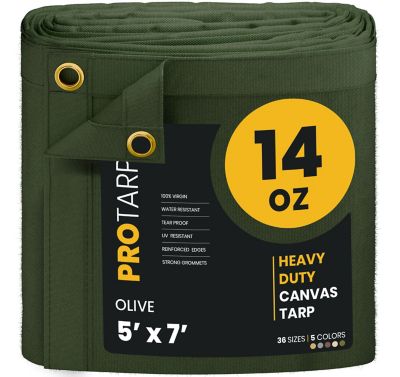
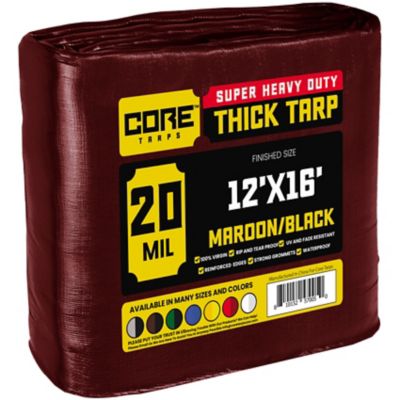
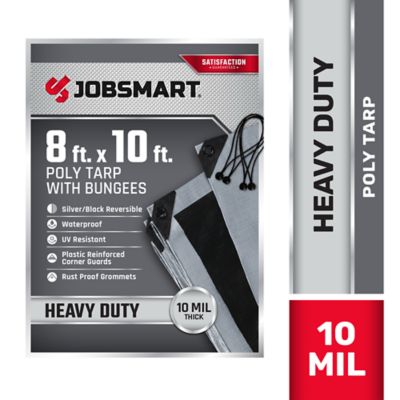
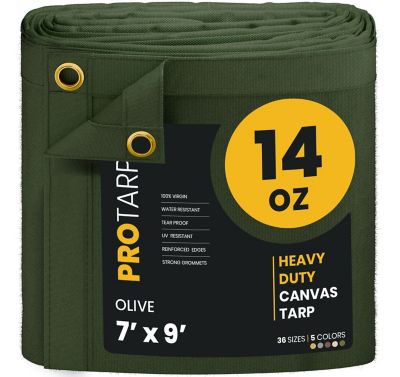
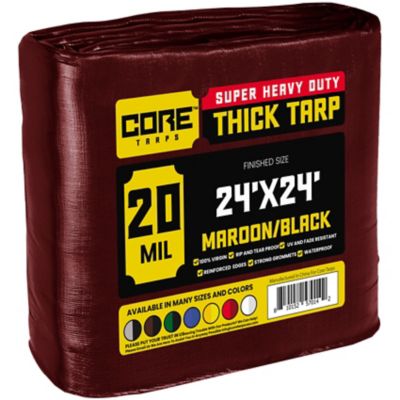
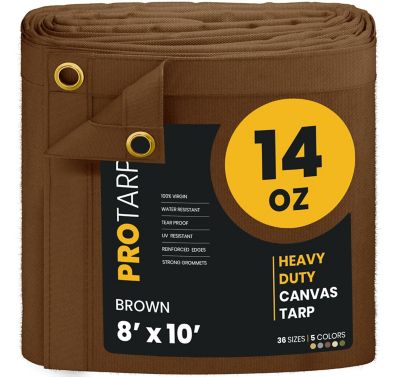
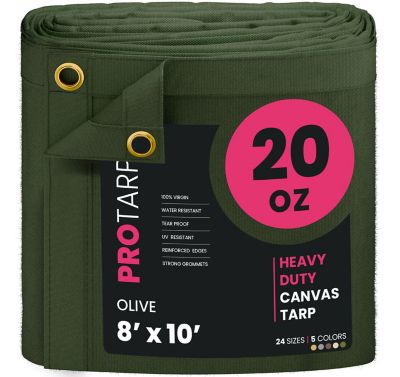
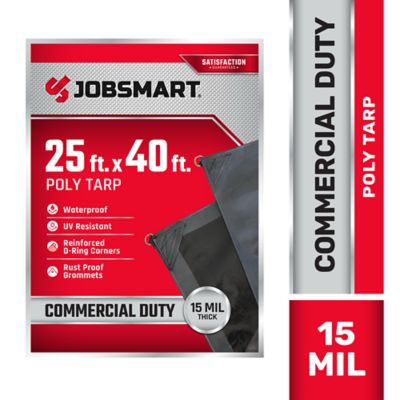
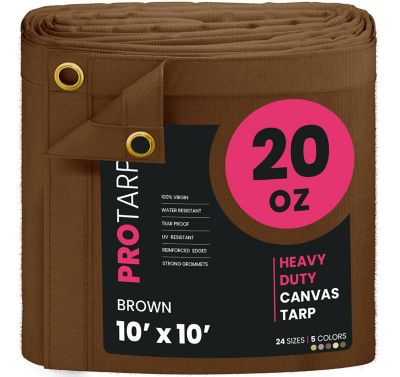
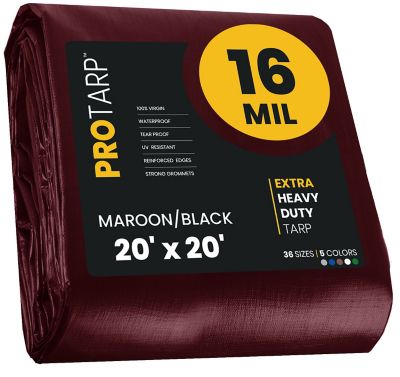
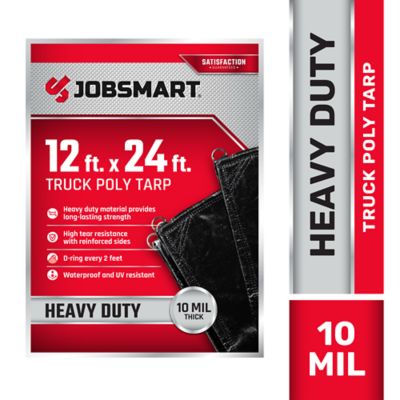
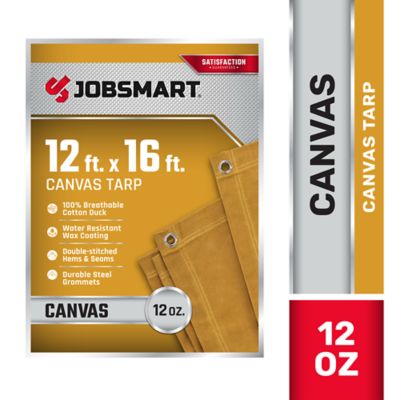
Material and construction make a noticeable difference in the field. Heavy-duty polyethylene tarps are a practical choice when you need waterproof coverage, easy cleanup, and a price that works for general camping, farm use, truck-bed protection, and outdoor storage. Look for a thicker construction, commonly around 10 to 14 mil, when the tarp will be dragged over rough ground or used often in demanding conditions. Heavy-duty nylon can offer a useful balance of strength and lower weight, especially when the tarp needs to be packed and carried from the vehicle to camp, though coated fabrics and properly sealed seams matter for dependable rain protection. Treated cotton canvas has a traditional, substantial feel and can be a good fit for established camps, hunting cabins, and shelter setups where durability and breathability are valued. Canvas is also more resistant to brief contact with stray sparks than many synthetic materials, but no tarp should be placed close to an open flame or treated as fireproof. For more information about this material, browse
Heavy Duty Canvas Tarps. As you compare options, inspect the tie-out points along the edges and corners. Reinforced webbing loops or firmly set metal grommets help spread tension and reduce the chance of tearing when lines are pulled tight. Closely spaced attachment points give you more ways to adjust the pitch around trees, poles, vehicles, and uneven ground. A tarp with a center ridge point or additional interior loops can create a higher, roomier shelter, while a simple flat tarp offers flexibility for ground cover and general protection. Pay attention to finished dimensions, since the usable area may be slightly smaller than the listed cut size. Weight and packed size matter, too. A truly heavy-duty tarp may be bulky and better suited to car camping, a truck bed, a base camp, or a trailer than to lightweight backpacking. Pack cord, stakes, and a few extra tie-downs in the same tote so the tarp is ready when the skies turn gray.
Before setting up, clear away sharp sticks, stones, and dead branches that could rub against the fabric or fall into the shelter area. Avoid placing a tarp beneath damaged limbs, and leave enough room around stoves, lanterns, heaters, and campfires to prevent heat and sparks from causing trouble. Pitch the high side into the wind when possible, use a sturdy ridgeline for overhead shelters, and keep the fabric taut without pulling so hard that the grommets or webbing take unnecessary strain. Sloping the tarp allows rain to run off instead of collecting in a heavy pocket, and a small adjustment to one corner can make a big difference in keeping runoff away from sleeping bags and boots. In changing weather, check the lines and attachment points from time to time; wet fabric can loosen as it settles, while gusty conditions may call for a lower pitch. After the trip, shake off dirt, rinse away mud, and let the tarp dry fully before folding it for storage. Trapped moisture can lead to mildew, odors, and premature wear, especially when a tarp is put away after a damp fall camp. Store it somewhere cool and dry, away from fuel, chemicals, and sharp tools. Heavy duty tarps for camping also make thoughtful gifts for campers, hunters, new homeowners, outdoor cooks, and anyone who spends time working around a barn, pond, campsite, or truck. They are the kind of useful gear that may start as a rain shelter and end up protecting firewood, covering a load, lining a muddy work area, or giving a family a dry place to gather when the weather does not cooperate.