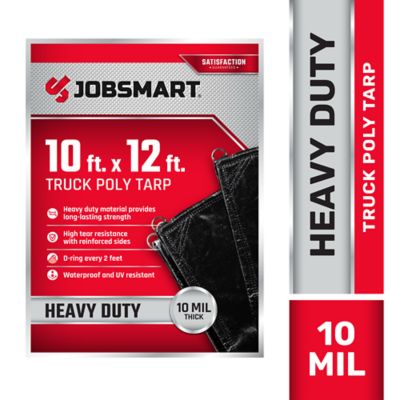
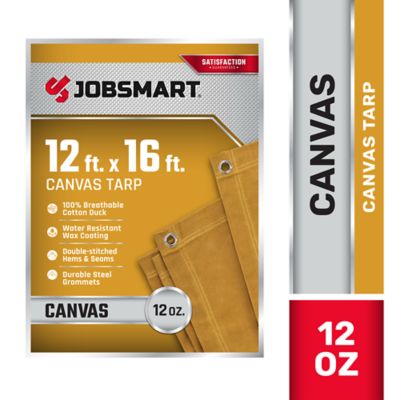
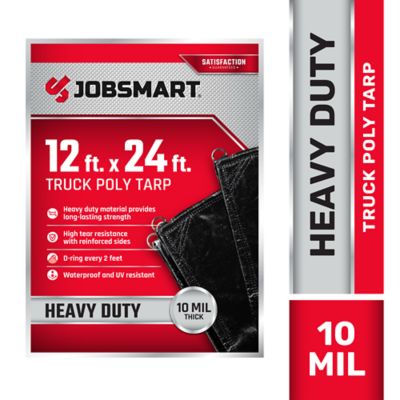
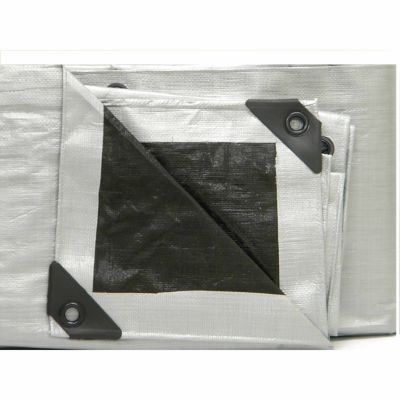
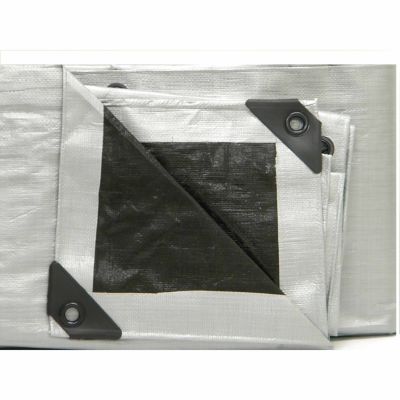
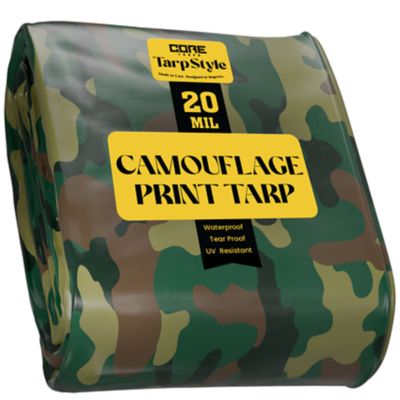
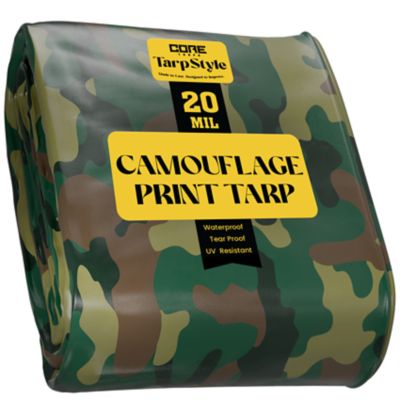
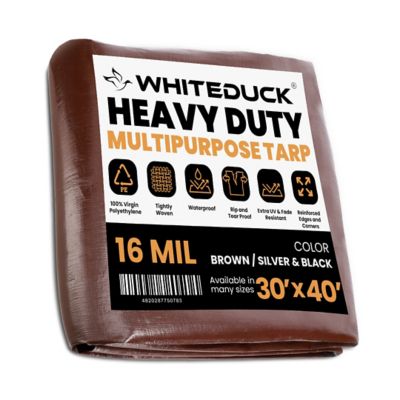
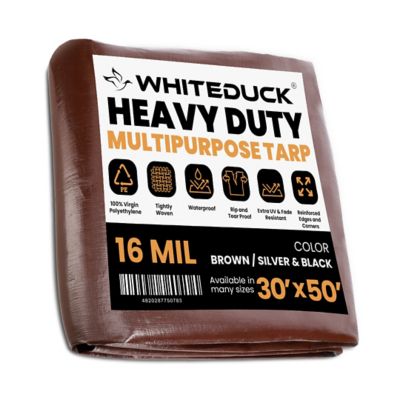
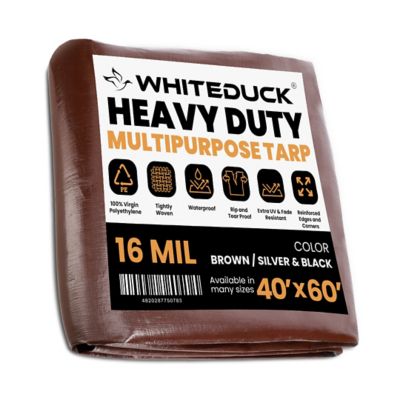
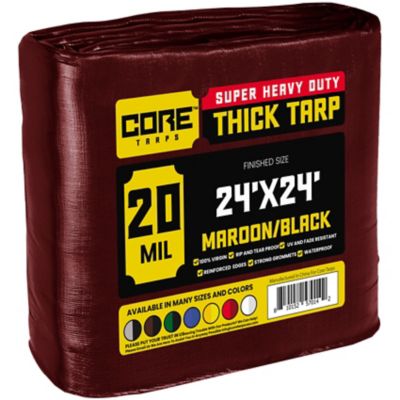
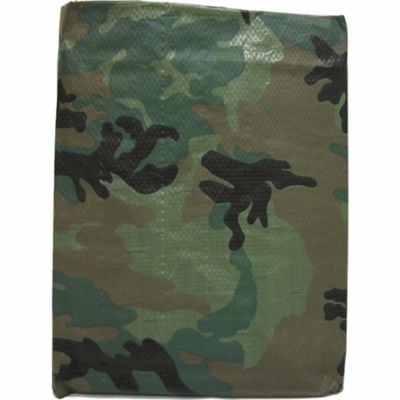
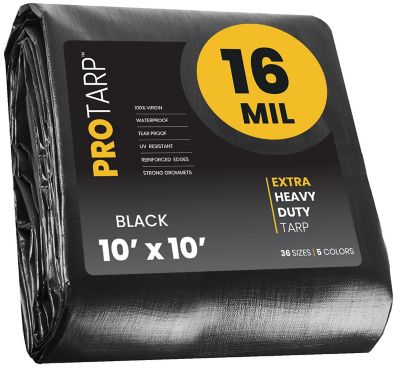
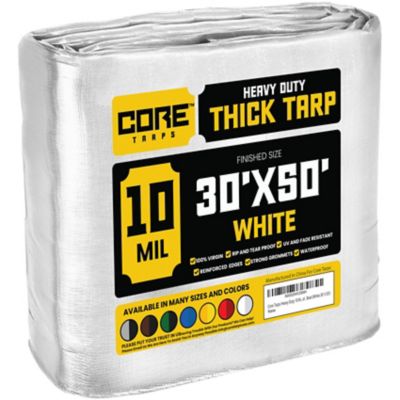
Heavy duty reversible tarps are made for the jobs where a thin cover will not hold up to regular handling, strong sun, wind, rain, or rough ground. Around a farm, ranch, workshop, campsite, or busy jobsite, a dependable tarp can protect the things that are too large, awkward, or valuable to move indoors. Use one to cover a tractor or mower between projects, keep a stack of lumber dry, shield bagged feed and bedding, cover firewood, or create a temporary barrier around an outdoor work area. The reversible design gives you two useful sides in one cover. A silver side can reflect sunlight and help reduce heat buildup over equipment, roofing materials, hay, or other items that should not sit under blazing sun for long stretches. The darker side, often black, brown, or blue, can offer a lower-profile appearance that blends more naturally with a yard, field edge, campsite, or work area. When choosing a tarp, start with the size of the load or surface you plan to cover, then allow extra material for draping over the sides and making a secure tie-down. A cover that only reaches the edges may leave corners exposed and put too much strain on the grommets. Heavy-duty poly tarps are commonly made with a tight, cross-woven high-density polyethylene fabric, often described by the weave count and material weight. A tighter weave and heavier construction generally provide better resistance to tearing and everyday wear, especially when the tarp is folded, pulled across a trailer, or handled with work gloves. Lamination on both sides helps shed water and resist mildew, while UV inhibitors help slow damage caused by repeated exposure to sunlight. No tarp is indestructible, but these features make a meaningful difference when a cover stays outdoors through changing weather.
The edges and tie-down points deserve just as much attention as the center of the tarp. Look for a reinforced hem, poly-rope edging, and strengthened corners that help distribute tension instead of allowing the fabric to pull directly against a single grommet. Rust-resistant metal grommets or sturdy capped grommets spaced at regular intervals—often about every 18 inches—give you more options for securing the cover to a trailer, fence post, stake, frame, or anchor point. Use every practical tie-down point when wind is expected, and choose rope, bungee cords, straps, or tarp clips that match the size and weight of the cover. Keep the tarp reasonably tight without making it drum like a sail, since loose sections can flap hard enough to wear through the fabric and fasteners. For a woodpile or equipment stack, slope the cover so rain runs off instead of pooling in the middle. Over a trailer or truck bed, make sure the load is balanced and the tarp cannot reach the tires, exhaust, or other hot and moving parts. A reversible tarp can also help manage solar heat: place the reflective side outward when the main concern is direct sun, then turn the darker side outward when you want a less noticeable cover or better visual blending. During the warmer part of the year, that simple change can help protect heat-sensitive supplies and keep covered surfaces from becoming unnecessarily hot. As the weather turns cooler and wet conditions settle in, the same tarp can help keep firewood, tools, fencing supplies, and outdoor furniture cleaner and drier. For more options in different sizes, colors, and construction weights, explore
Heavy Duty Poly Tarps and compare the features that fit your setup.
These covers are useful for far more than basic storage. Farmers and ranchers use them to protect feed, seed, machinery, gates, and building materials while a permanent shed or repair project is underway. Landscapers and contractors may use them as ground covers beneath gravel, mulch, concrete work, or firewood, or as temporary shields around scaffolding and active construction areas. Homeowners can cover a swimming pool, patio furniture, garden supplies, or a freshly loaded utility trailer, while campers may use a heavy tarp as a rain fly, gear cover, windbreak, or clean surface beneath a tent. A tarp can also come in handy when hauling brush, keeping muddy tools contained, or making a quick covered work area beside the barn. It is a practical gift for someone setting up a new homestead, maintaining a hunting camp, renovating an older property, or building a workshop because there is always another job where a strong, weather-resistant cover saves time and protects supplies. Before putting a tarp to work, inspect it for cuts, worn hems, bent grommets, or sharp objects underneath that could cause damage. Avoid pulling hard against a rough corner, and pad contact points with an old blanket, piece of carpet, or smooth board when covering machinery or a lumber stack. Heavy-duty tarps are best used as covers and temporary protection, not as a substitute for a permanent roof, a rated fall-protection system, or a secure livestock shelter. Never fasten one where it could sag onto animals, block ventilation, touch a hot engine or exhaust, or come loose across a roadway. With the right size, a solid edge, well-placed tie-downs, and a little attention to wind and runoff, a reversible tarp becomes one of those dependable pieces of farm and worksite gear that earns its place year after year.