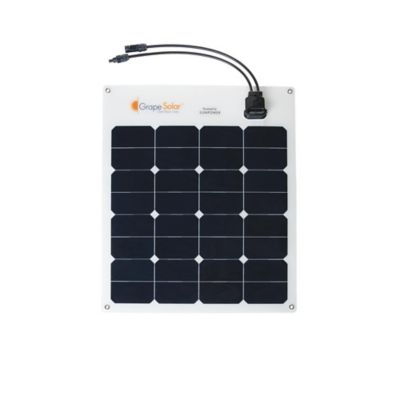
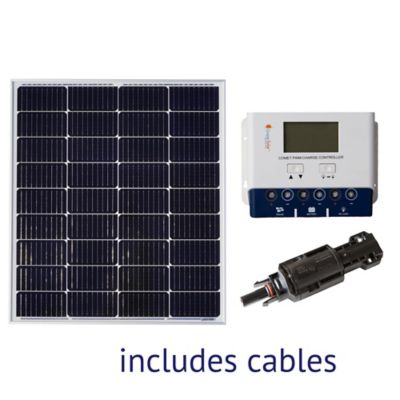
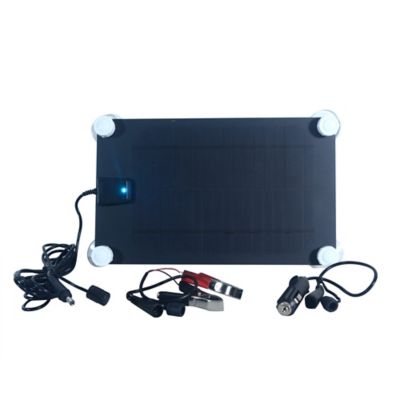
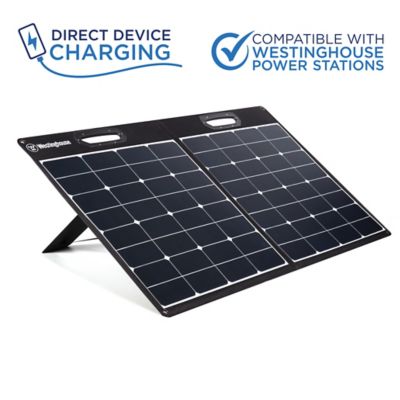
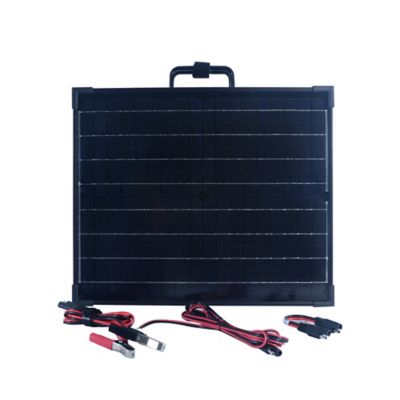
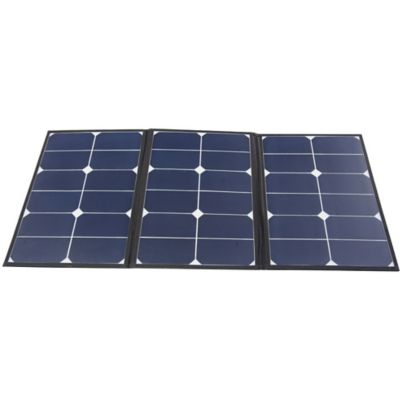
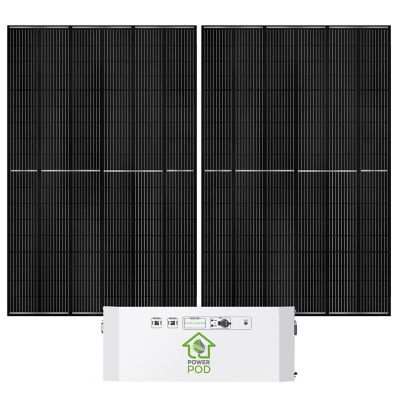
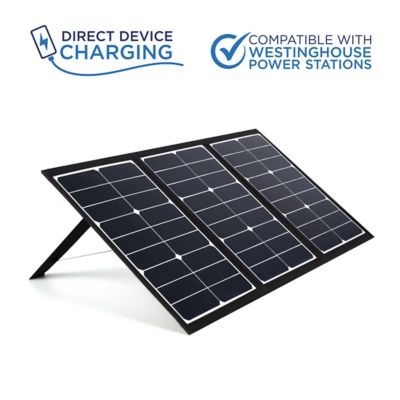
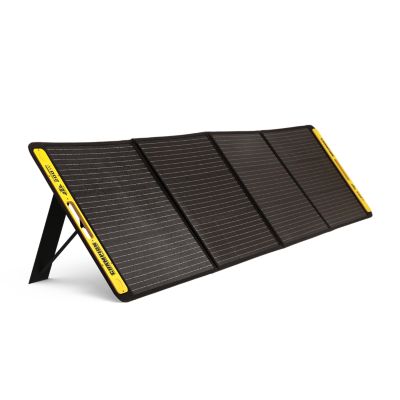
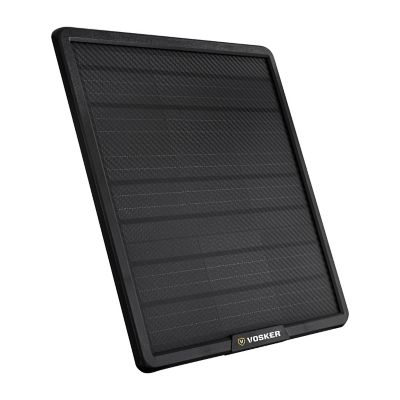
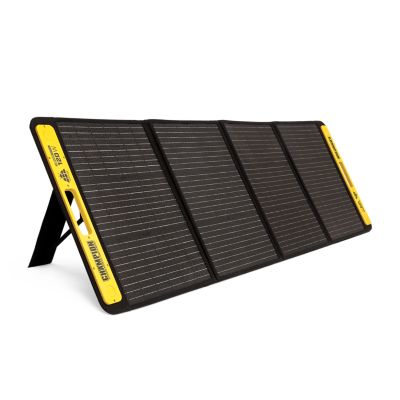
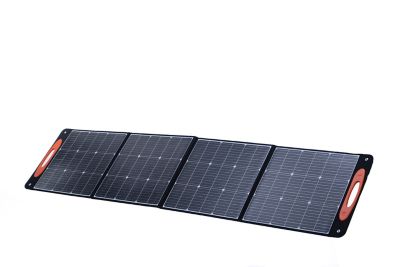
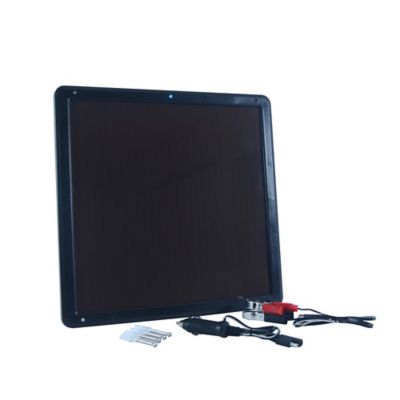
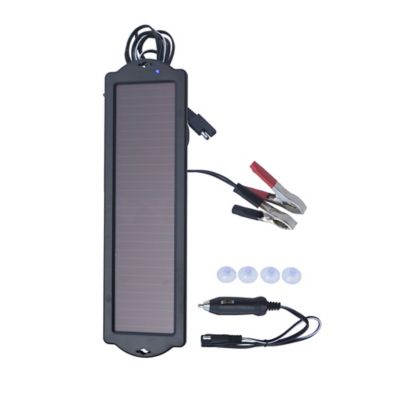
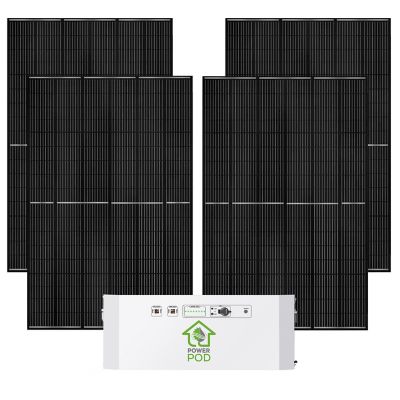
Solar panels for RVs make it easier to enjoy a quiet campsite, hunting trip, tailgate, or stretch of backcountry road without staying tied to campground hookups. These systems use sunlight to create DC electricity, which passes through a solar charge controller and charges the RV’s battery bank. The stored power can then run everyday essentials such as LED lights, phones, tablets, fans, water pumps, vent fans, and other 12-volt equipment. With the right battery capacity and an inverter, stored DC power can also be changed into 120-volt AC power for household-style devices, though larger appliances require considerably more energy than small electronics. RV solar panels generally fall into two handy categories: roof-mounted panels that collect power while you travel or camp, and portable ground panels that can be set in a sunny spot away from the RV. Roof-mounted systems are convenient for regular use and do not take up campsite space, while portable panels offer flexibility when the rig is parked beneath trees or when the sun moves across the sky. Monocrystalline panels are a popular choice because they provide strong efficiency in a relatively compact footprint, which matters when roof space is limited. When comparing solar panels for RVs, look beyond the panel wattage alone. Check the total system output, included wiring, connector type, mounting hardware, charge-controller compatibility, and whether the setup is designed for the RV’s existing battery voltage. A small weekend setup in the 100-watt to 200-watt range may be enough to keep phones charged, power lights, and help maintain a battery during simple trips. A mid-size arrangement around 400 watts to 600 watts can better support moderate off-grid camping, including laptops, small fans, communication gear, and other routine loads. Larger systems with 800 watts or more are intended for campers who spend long stretches away from hookups or depend on several power-hungry devices. Actual performance depends on sunlight, panel placement, shade, weather, battery condition, and how much electricity is used each day, so these wattage ranges are useful starting points rather than a guarantee of runtime.
A complete RV solar setup works as a team. The panels gather energy, the charge controller manages the incoming voltage, the batteries store power for cloudy periods and nighttime use, and an inverter supplies AC electricity when needed. A pulse-width modulation controller can be a practical choice for straightforward, budget-minded systems, while a maximum power point tracking, or MPPT, controller can capture energy more efficiently in changing conditions and may be especially useful with larger arrays or longer cable runs. Battery capacity is just as important as panel size. A system with plenty of panel wattage but a small or aging battery bank may not store enough power for evening use, while a large battery bank can take longer to recharge if the panels are undersized. Lead-acid batteries are familiar and widely used, but lithium iron phosphate batteries are lighter, can typically be discharged more deeply, and may offer a longer service life when properly installed and maintained. Before choosing a setup, make a simple list of the devices used during a normal day and note their wattage and hours of operation. A refrigerator, microwave, coffee maker, hair dryer, electric heater, and air conditioner can draw far more power than lights or a phone charger. Air conditioning in particular usually requires a substantial battery bank, a large inverter, and plenty of solar-generating capacity, making it a different project from keeping basic camp gear running. Pay attention to roof dimensions, roof vents, air conditioners, antennas, racks, and other shaded areas before planning a permanent installation. Portable panels should have a stable stand, enough cable to reach the battery or controller, and a location where they will not become a tripping hazard. Keep connections clean and secure, protect wiring from sharp edges and rubbing, and follow the instructions for fuses, disconnects, grounding, and battery ventilation. If a system involves roof penetrations, high-current wiring, or changes to the RV’s electrical system, professional installation can help protect both the equipment and the camper.
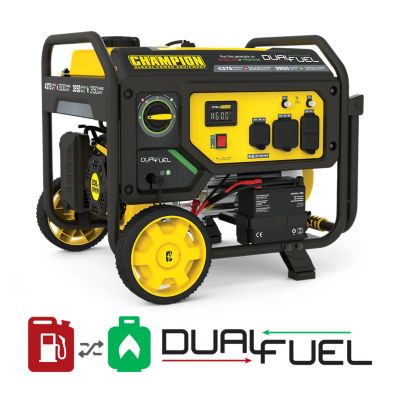
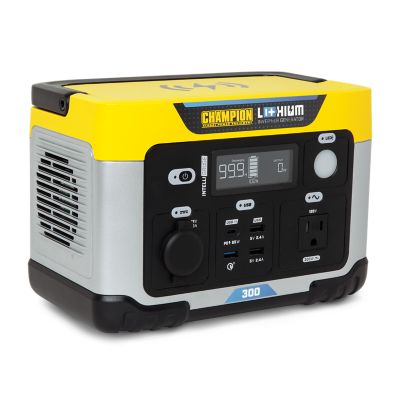
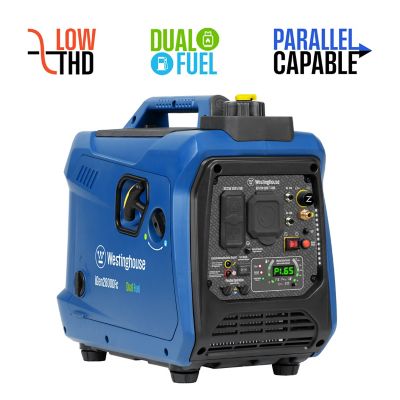
Solar panels for RVs suit a wide range of travelers, from families spending a few nights at a primitive campground to full-time RVers who prefer a more independent setup. They are useful for boondocking on public land, staying at an off-grid hunting cabin, working from a campsite, or keeping communication and safety equipment ready when shore power is unavailable. They can also be a thoughtful gift for someone who already has an RV, camper van, boat, horse trailer, or utility trailer used as a mobile living space. A portable panel may suit a weekend camper who wants a simple way to maintain a battery, while a coordinated panel-and-battery system may be a better match for someone who regularly travels far from developed campgrounds. During the cooler months, solar power can help keep lights, phones, radios, and small fans or ventilation equipment available when hookups are scarce, and it can be handy for travelers who stop at quiet rural sites rather than crowded campgrounds. Sunlight is weaker on some days and shorter daylight can reduce charging, so it pays to conserve power, clear snow or debris from panels, angle portable units toward the sun, and keep realistic expectations about cloudy weather. For extra off-grid flexibility, some RV owners pair solar panels with
Solar Powered Generators for Off Grid, battery storage, or a backup charging method. The best choice comes down to how often the RV leaves hookups, how many days the battery must carry the campsite, which appliances matter most, and how much roof or storage space is available. With the right balance of panel output, battery storage, controller capacity, and everyday power habits, an RV solar system can make camp quieter, more comfortable, and a whole lot less dependent on a pedestal.