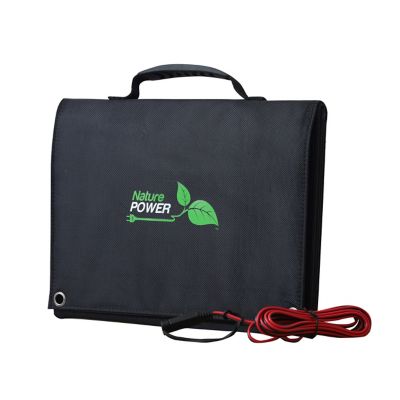
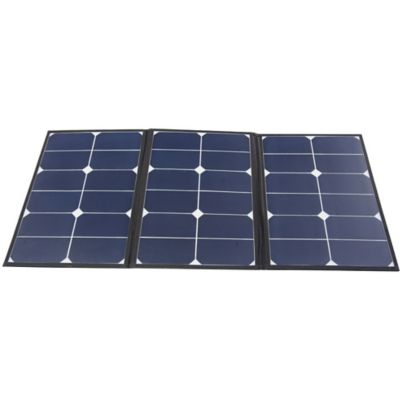
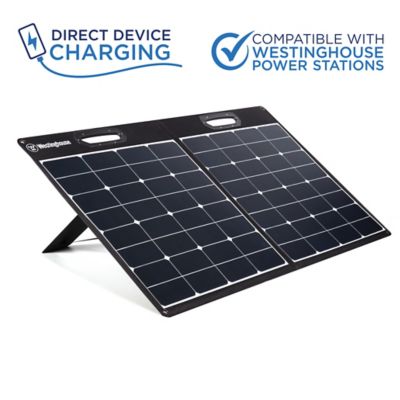
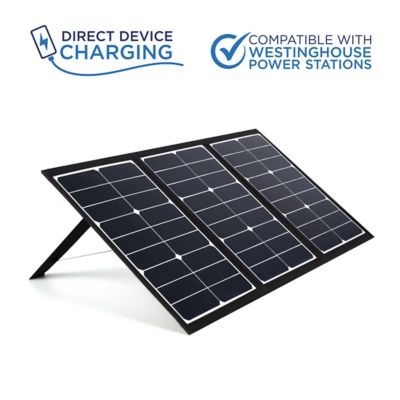
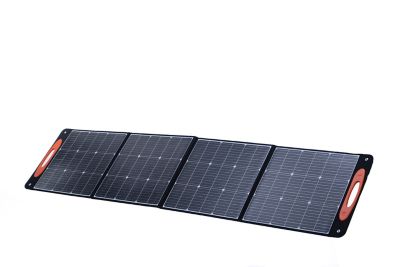
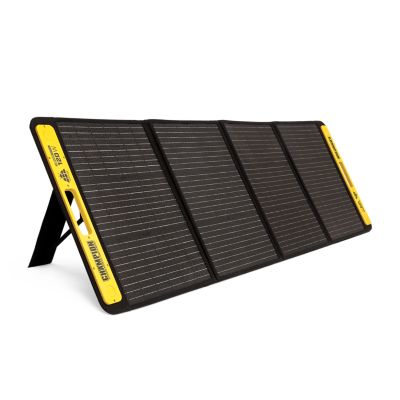
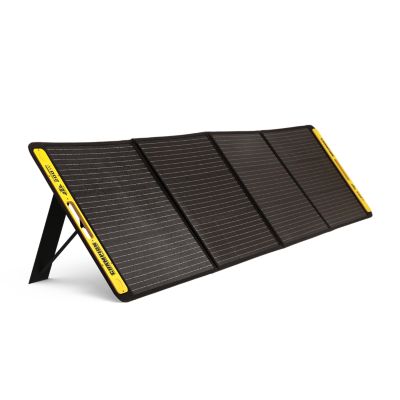
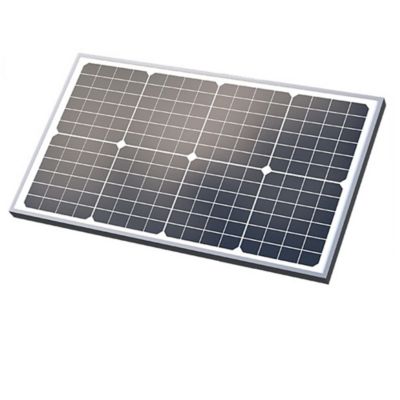
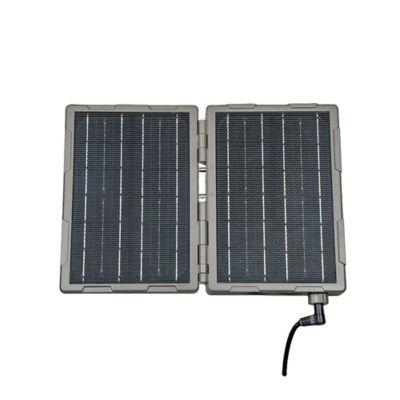
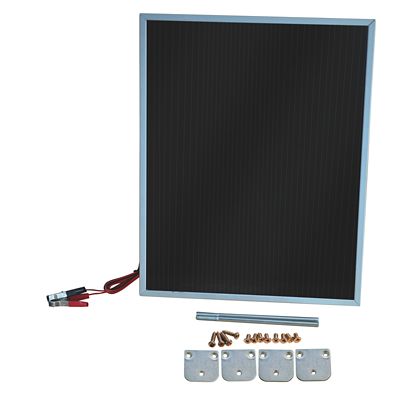
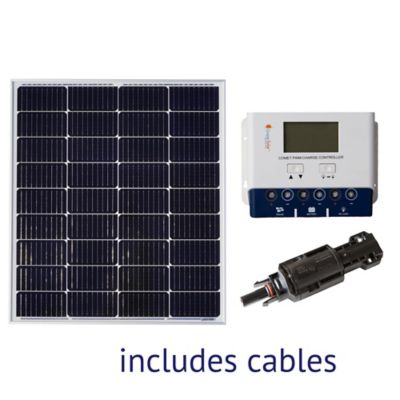
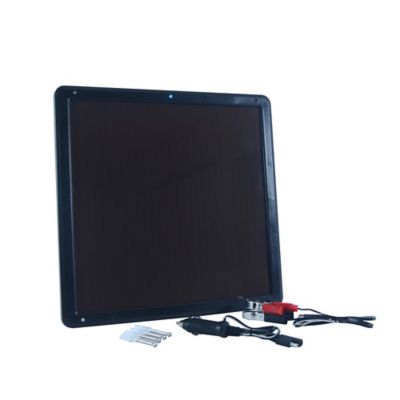
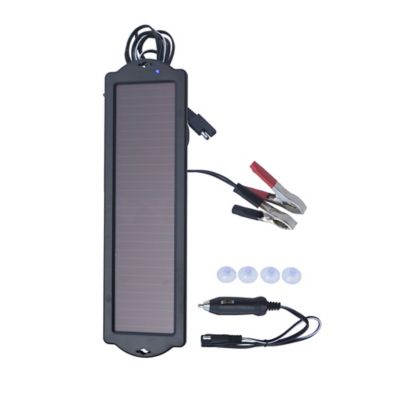
Foldable solar panels make it easier to bring useful power along when you leave the house, head to the campsite, or spend a long day working away from an outlet. These portable panels use sunlight to produce electricity, then send that power to a compatible portable power station, battery, USB device, or 12V system. Unlike traditional rigid panels, a foldable design packs down much like a small suitcase, making it easier to carry in a truck, camper, side-by-side, boat, or emergency storage bin. Many models have built-in handles, kickstands, or fabric cases that help with carrying and setup. Set the panel on a sunny patch of ground, angle it toward the sun, and connect the charging cable to the device or power station you plan to use. Sunlight is strongest when the panel has a clear view of the sky, so keeping it out from under tree branches, awnings, and deep shade can make a noticeable difference. A passing cloud will slow charging, while dust, leaves, and mud can also reduce the amount of light reaching the solar cells. A quick wipe with a soft, dry cloth and a little repositioning throughout the day can help the panel collect more energy.
When shopping for foldable solar panels, start by matching the panel’s wattage and connectors to your intended setup. Smaller panels in the 30- to 60-watt range are generally a practical fit for phones, tablets, lights, cameras, radios, and other small USB-powered gear. Medium panels around 100 to 200 watts can be a better choice for charging a portable power station during camping trips, tailgates, hunting weekends, and travel in an RV or van. Larger briefcase-style panels rated around 300 to 400 watts or more may suit bigger power stations, mobile work areas, and backup needs, though they also tend to take up more room and weigh more when folded. Check the panel’s output ports, cable ends, voltage requirements, and compatibility with your battery or power station before buying. A panel may produce enough wattage but still need an adapter or charge controller for your particular equipment. It is also worth looking at the folded dimensions, carrying weight, stand design, cord storage, and the way the cells are protected. Water-resistant materials and coated fabrics can be helpful when dew, light drizzle, or damp ground are part of the day, but weather resistance is not the same as being safe to leave outside through heavy rain. Follow the manufacturer’s care instructions, keep connection points dry, and fold the panel only after brushing off grit and letting wet surfaces dry.
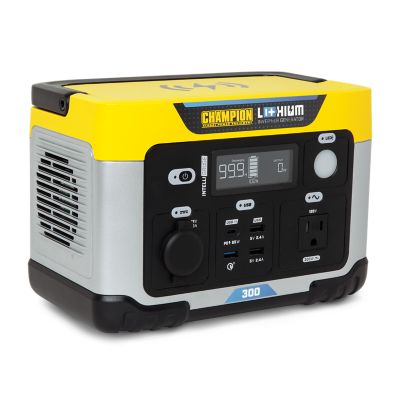
These panels can earn their keep in plenty of everyday situations. Campers use them to keep a power station topped off for lanterns, phones, fans, small coolers, and other low-draw necessities. RV owners and van travelers can use portable solar charging to stretch battery power between stops, while hunters, anglers, and remote workers may appreciate a way to recharge electronics far from a wall outlet. Around the farm or property, a foldable panel can help maintain power for a small communication device, trail camera, gate accessory, or field lighting setup, provided the equipment is compatible and its energy needs are within the panel’s capacity. They can also be stored with emergency supplies for occasional outages, storm cleanup, or situations where getting to a working outlet takes time. Pairing a foldable panel with a properly sized battery gives you a way to collect energy during daylight and use it later, including during the cooler months when evening arrives earlier. For anyone shopping for practical gifts, a portable solar panel can be a thoughtful choice for a camper, RV traveler, prepper, gardener, hunter, contractor, or family member who spends time off the beaten path. It is especially handy for folks who like gear that earns its space: fold it up after use, tuck it behind a truck seat or in a closet, and bring it out whenever the next trip, job, power outage, or sunny afternoon calls for a little extra electricity. For a ready-to-use power setup, shoppers may also want to compare these panels with
Compact Solar Generators, which combine battery storage with outlets for running compatible devices.