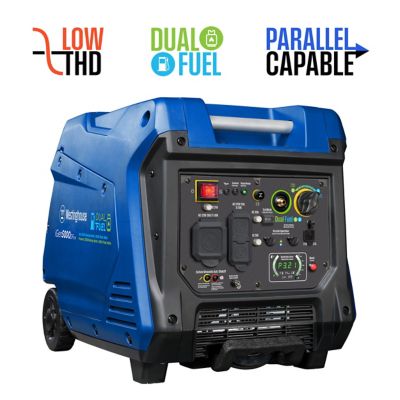
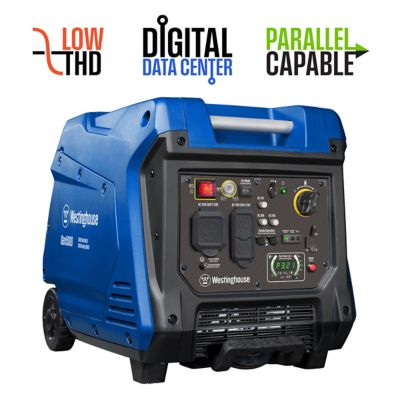
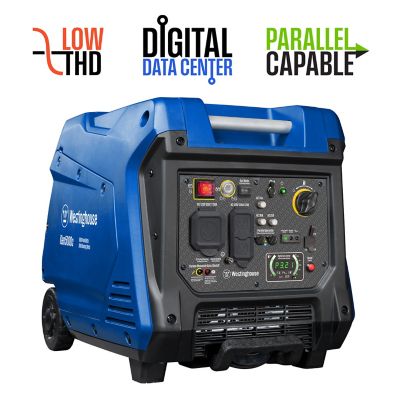
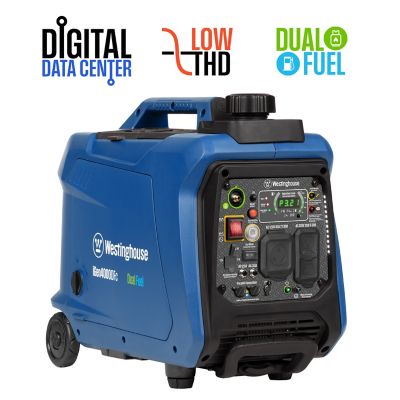
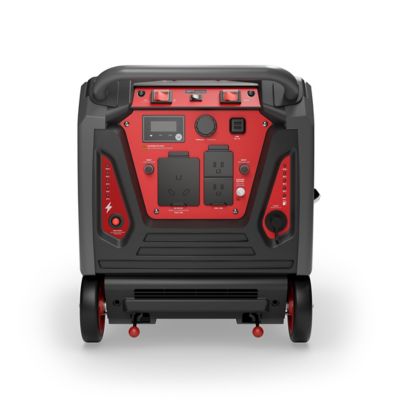
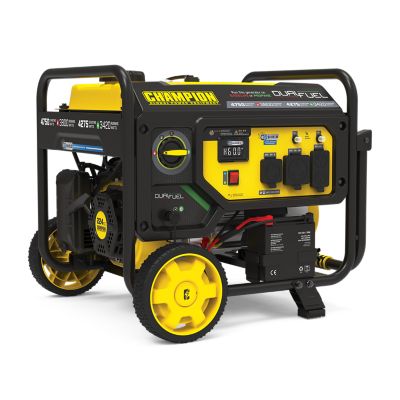
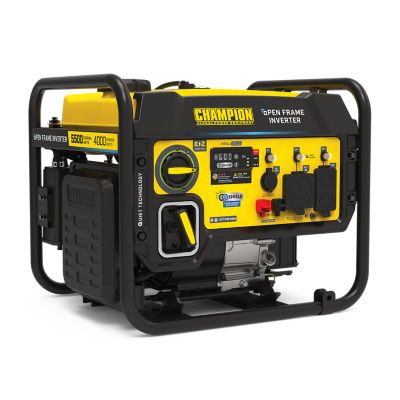
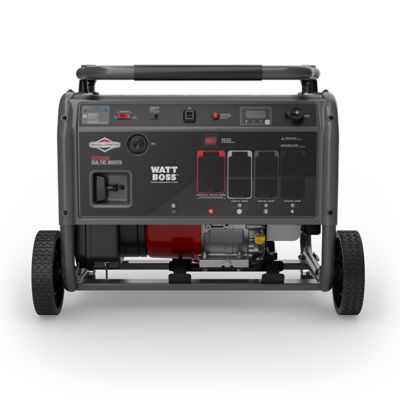
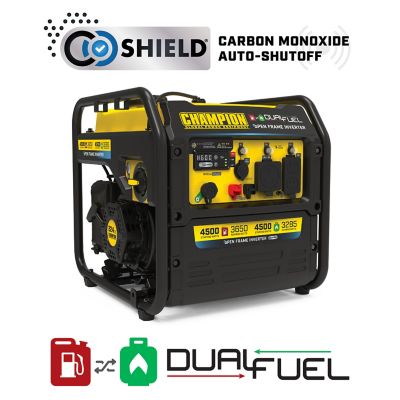
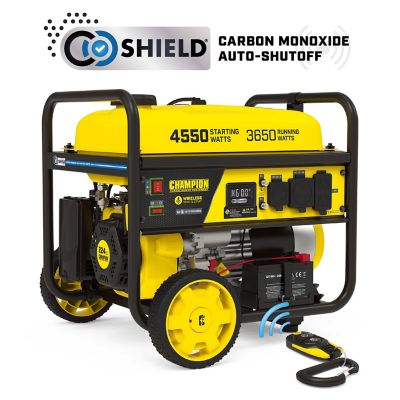
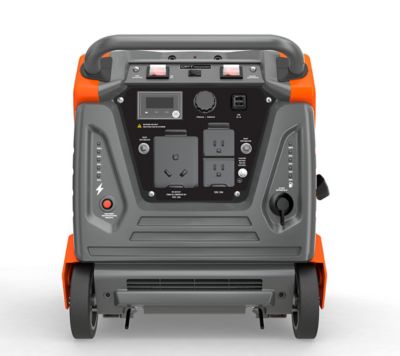
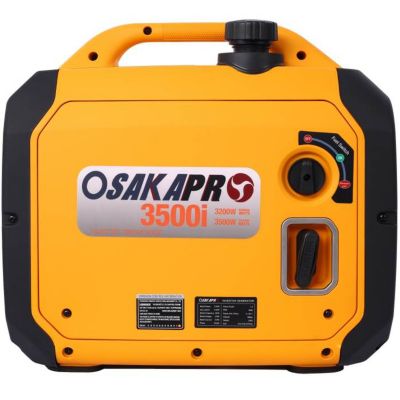
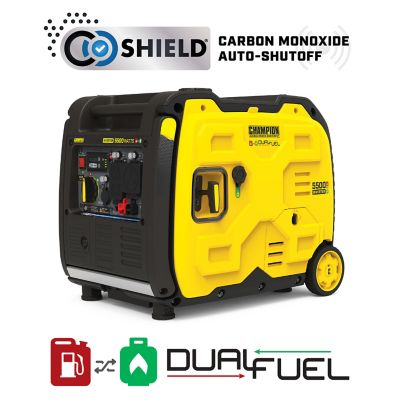
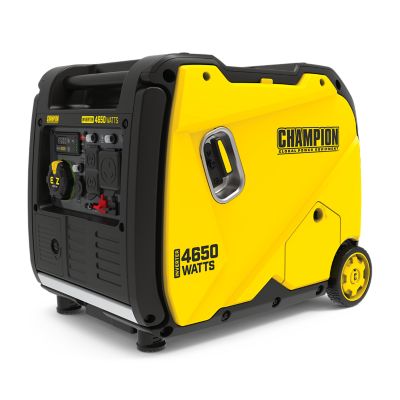
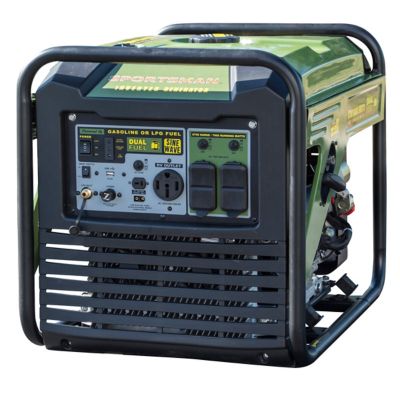
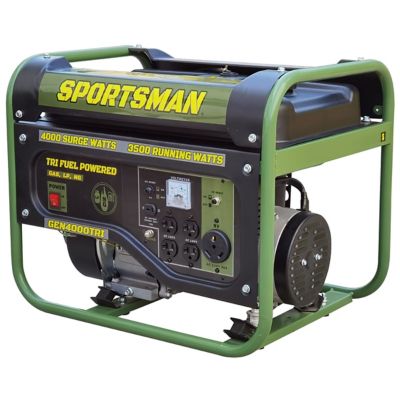
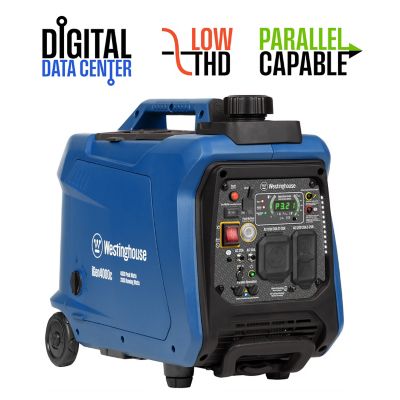
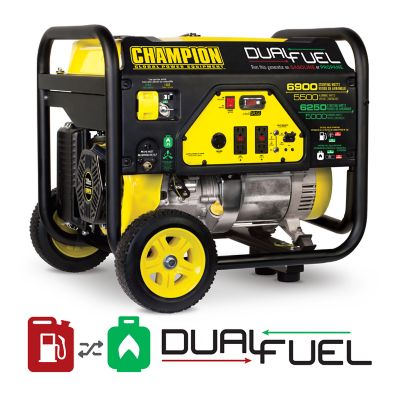
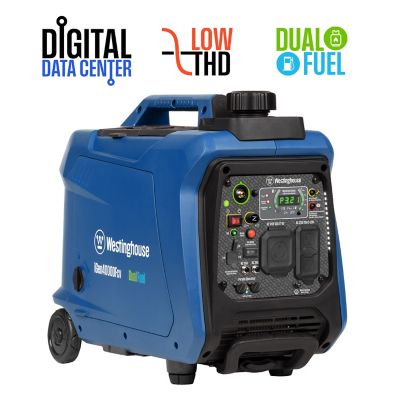
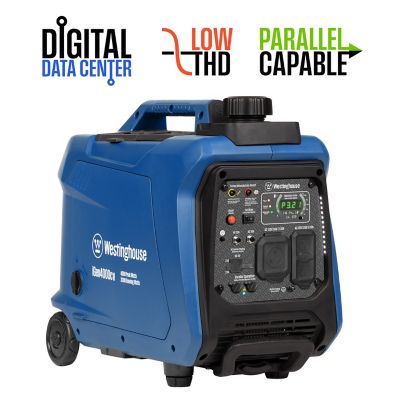
Generators for RVs supply electrical power when a campsite has no hookups, shore power goes out, or the next stop is a stretch of open land rather than an RV park. They can keep a refrigerator running, support battery charging, and power selected appliances, with capacity depending on the generator’s output and the loads running together. For families traveling in a fifth wheel, couples pulling a small camper, or hunters settling into camp during the cooler months, that means more flexibility without giving up every comfort of home. Portable generators travel separately from the RV and operate outdoors, while onboard generators are installed in a purpose-built compartment and connect to the vehicle’s electrical system. Onboard units may draw gasoline or diesel from the vehicle’s fuel supply or run on a connected propane system, depending on the installation. Portable inverter generators are often a good fit for camping because many combine enclosed housings, lower noise levels, and engine-speed control that responds to electrical demand. Their inverter technology generally produces electricity with low harmonic distortion, an important consideration for compatible electronics and RV control systems. The generator’s specifications still matter, especially when powering sensitive equipment. Conventional portable generators can also serve RV loads, though their size, sound, and electrical characteristics deserve a close look. Gasoline models offer familiar fueling, while dual-fuel models provide the flexibility to run on gasoline or propane; output can differ by fuel type. Campers comparing smaller portable power sources can also explore
Inverter Generators For Camping for options suited to time away from electrical hookups. Noise ratings are worth comparing at the same distance and load, since a light-load rating does not tell the whole story when the air conditioner kicks on. A quieter setup can make conversation around the picnic table easier, but campground generator hours and local rules still apply. Fuel capacity and published runtime help round out the picture, provided the runtime’s stated load matches the way the generator will work at camp.
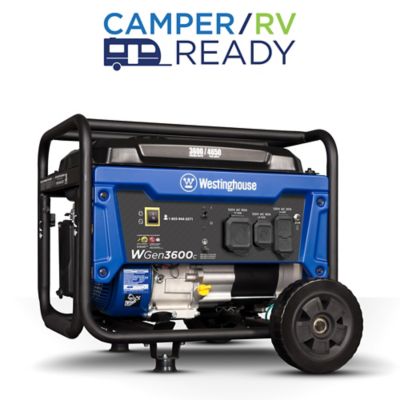
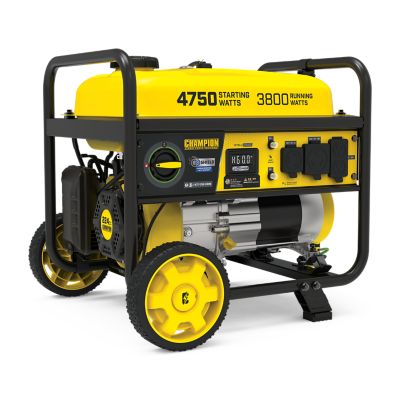
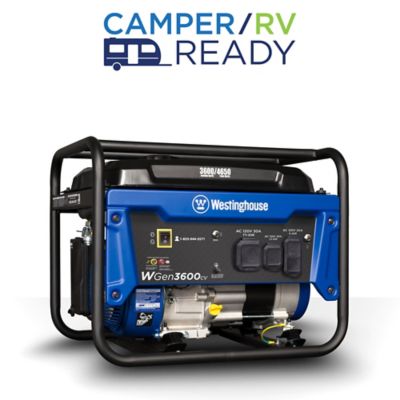
The right generator size for an RV comes down to running watts, starting watts, and the RV’s electrical connection—not just the size of the trailer. Running watts describe the power a generator can supply continuously, while starting watts cover brief surges from equipment such as an air conditioner compressor. A 30-amp RV connection supplies up to 3,600 watts at 120 volts, but a generator rated for 3,600 starting watts may provide substantially less continuous power. A generator with 3,600 running watts can cover many everyday RV needs, although starting and running a particular air conditioner depends on its requirements and whatever else is switched on. A microwave heating supper, an electric water heater, and an air conditioner can quickly push the total beyond that capacity. Standard 50-amp RV service provides two 120-volt legs, each rated for 50 amps, for up to 12,000 watts combined. Matching that full service calls for suitable 120/240-volt split-phase output and compatible connections; simply finding a generator with a 50-amp receptacle does not establish its total capacity. Many campers with 50-amp rigs choose less generator output and manage their loads instead of trying to run both air conditioners and every kitchen appliance together. Generators in the 3,600- to 5,000-watt range may support selected essentials and one air conditioner, but that is not a guarantee for every RV or generator pairing. Appliance nameplates and manufacturer specifications provide a better basis than trailer length or sleeping capacity. Battery charging also adds to the load through the RV’s converter, particularly after a night without shore power. Receptacle type, voltage, cord rating, and the RV manufacturer’s connection requirements all affect fit. An adapter changes the plug connection, not the generator’s wattage or the capacity of a cord. Some inverter generators support parallel operation with a manufacturer-approved kit and compatible units, giving campers another way to increase output. That arrangement still needs the right outlet and electrical configuration for the trailer. Electric start, accessible controls, fuel gauges, and remote-start capability can make daily operation simpler, though none replaces matching the electrical load to the generator.
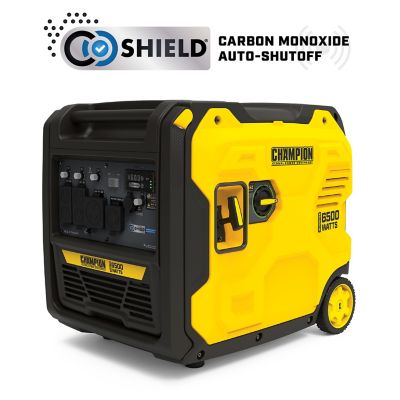
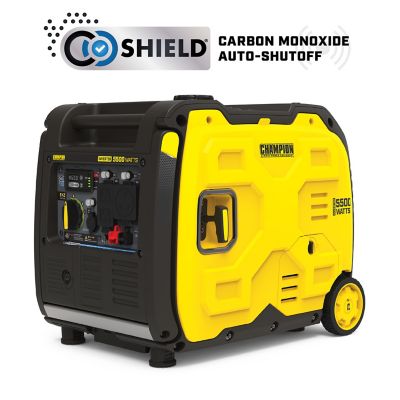
Physical fit matters nearly as much as electrical fit when packing an RV generator for a trip. A compact travel trailer may have limited storage space and cargo capacity, while a larger tow vehicle may offer room for a heavier unit with a wheel kit. Published dry weight does not include fuel or every accessory, so lifting handles, loaded weight, and the height of the truck bed deserve attention before a generator becomes part of the regular camp setup. Steel frames can help shield components during transport, and enclosed housings help control sound, but neither makes a generator weatherproof. Wheel size and handle placement influence how easily a unit moves across firm gravel or uneven ground. Any cargo carrier must meet its own rating and the RV or vehicle manufacturer’s limits. Safe operation also requires space: portable generators belong outdoors, at least 20 feet from RVs, nearby campers, tents, and buildings, with exhaust directed away from occupied areas, doors, windows, and vents. They must never run inside an RV, garage, storage bay, or other enclosed or partly enclosed space, even with doors open. Installed generators have different installation requirements and need their specified exhaust routing and ventilation maintained. Working carbon monoxide alarms inside the RV are essential; automatic carbon monoxide shutoff on a generator adds protection but does not replace proper placement. Rain and snow call for manufacturer-approved operating protection that preserves ventilation and exhaust clearance, not an improvised enclosure. Routine care includes checking oil as directed, servicing air filters, inspecting cords and connections, and following the maintenance schedule for the engine and fuel system. Dust from a backroad campsite can make filter checks especially important. Before refueling a gasoline generator, shut it down and let it cool, keeping fuel in approved containers away from ignition sources. Storage care depends on the fuel and manufacturer’s directions, particularly between trips. With output, transport, maintenance, and safe placement accounted for, an RV generator can support everything from a short county-park stay to a longer stretch beyond the campground power pedestal.