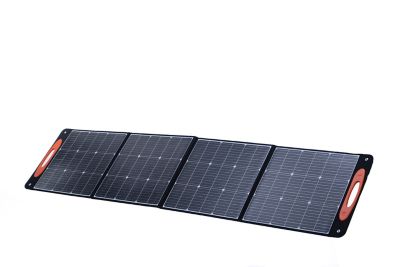
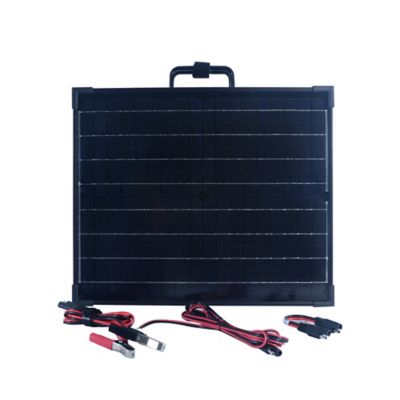
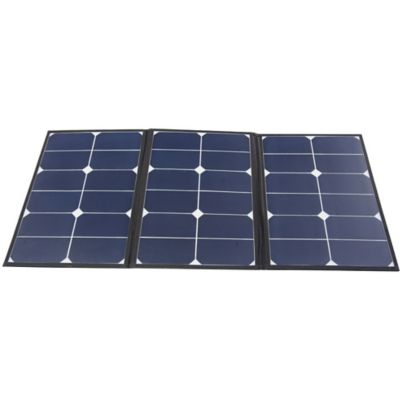
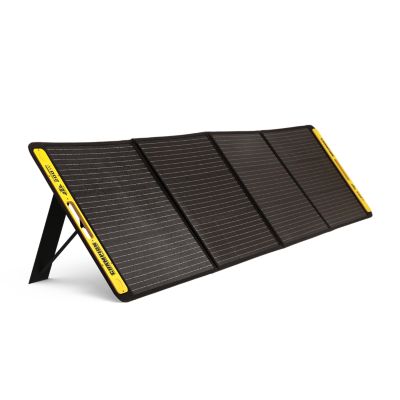
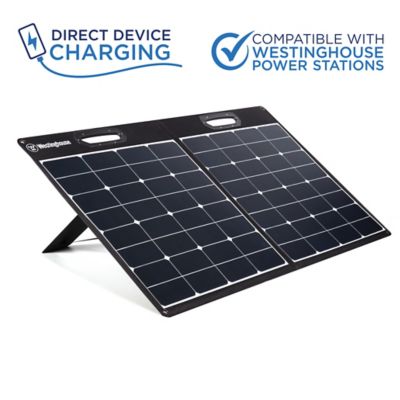
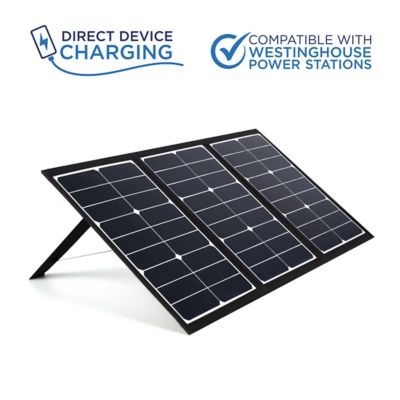
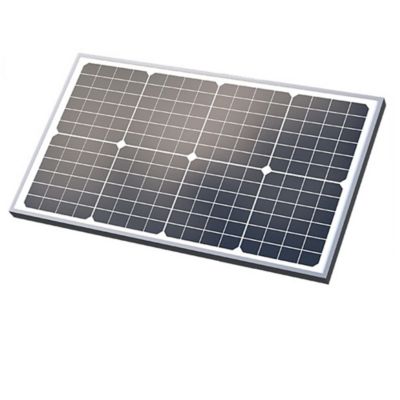
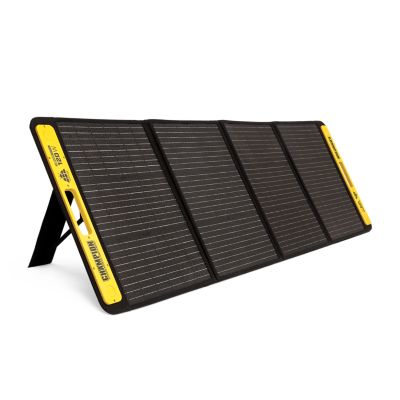
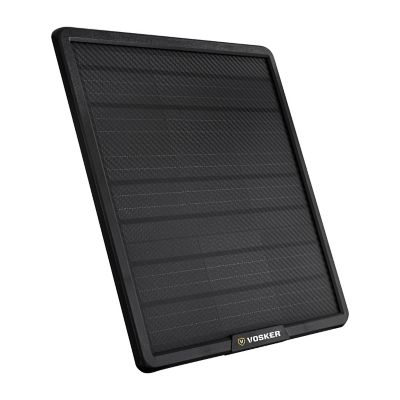
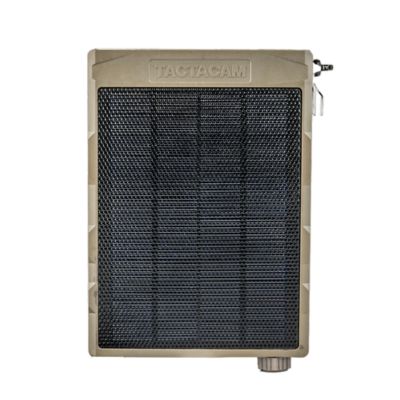
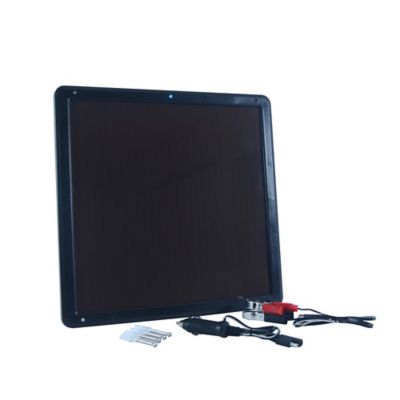
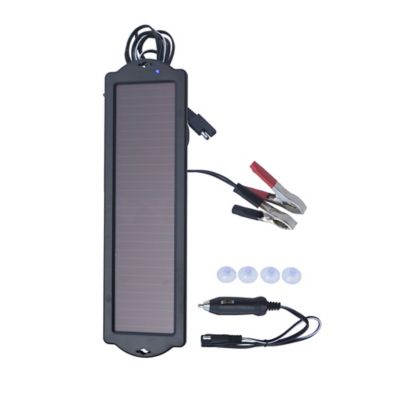
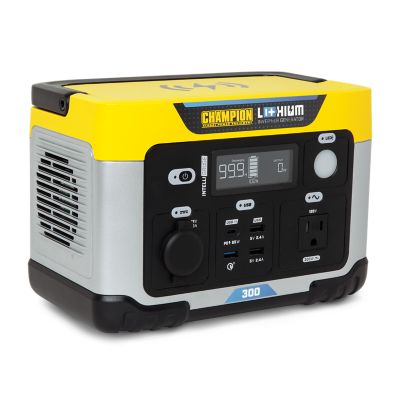
Portable solar panels make it easier to bring a little extra power along when an outlet is out of reach. These lightweight, foldable panels use sunlight to produce direct current (DC) electricity, which can be sent to compatible electronics or stored in a portable power station for later use. They are handy for camping trips, hunting camps, tailgating, RV travel, fishing weekends, remote work, and emergency preparedness at home. A small panel may be enough to top off a phone, GPS unit, tablet, or rechargeable lantern, while a larger setup can help recharge a power station used for lights, fans, cameras, small coolers, or other low-draw equipment. Many folks find them especially useful around a barn, cabin, workshop, or hunting blind where running an extension cord is inconvenient. Set a panel in a sunny spot, adjust its angle as the sun moves, and let it gather energy while you handle chores, cook supper, or enjoy a quiet afternoon outdoors. Portable solar panels are also a thoughtful gift for campers, RV owners, preparedness-minded family members, landowners, and anyone who spends time away from dependable electrical service. They can be useful during the warmer camping season and just as helpful during the cooler months, when shorter days, storms, or downed power lines make a backup charging option worth having close by.
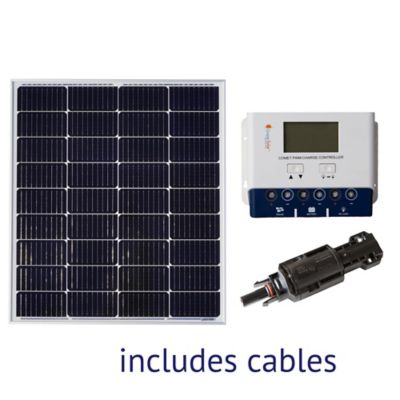
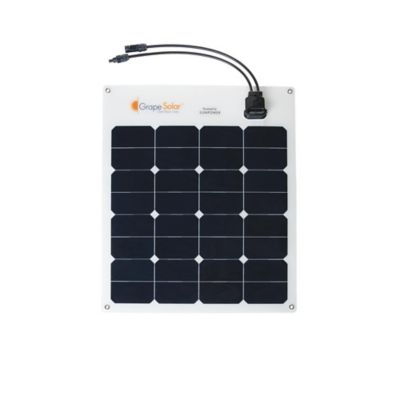
Choosing the right portable solar panel starts with figuring out what you want to charge and how often you expect to use it. Wattage gives you a general idea of how much energy a panel can provide in strong sunlight. Compact panels in the lower wattage range are easy to pack and work well for basic gadgets, while mid-size panels offer a practical balance for many campers and can recharge a power station used for lights, phones, and other small electronics. Higher-output panels are better suited to RV travel, off-grid cabins, longer stays, or backup power needs where more energy must be collected during the day. A 100-watt panel can be a sensible starting point for everyday charging needs, and you can compare options in our
100w Solar Panels selection. Keep in mind that the number printed on the panel reflects ideal test conditions, not necessarily the amount collected on every afternoon. Cloud cover, shade, dust, panel angle, temperature, and the length of available sunlight all affect performance. If you plan to charge a battery, check the battery’s capacity and input limits so the panel and power station are a good match. A panel that produces more power than the station can accept may not charge it any faster, while a panel that is too small may leave you waiting longer than expected.
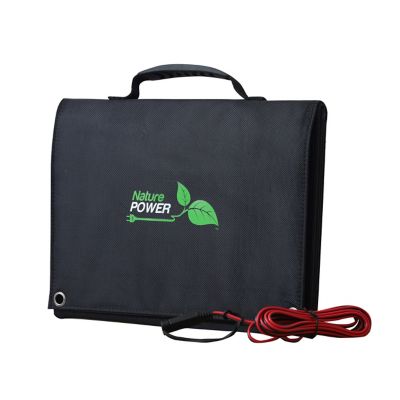
Compatibility matters just as much as wattage. Before choosing a panel, check the connector style, voltage range, and charging requirements of the power station, battery, or device you plan to use. Common connectors may include MC4-style leads, Anderson-style ports, USB connections, or other fittings, and an adapter is only helpful when it is rated for the equipment involved. When in doubt, compare the specifications for both pieces of equipment instead of relying on appearance alone. For outdoor use, look for sturdy frames, reinforced handles, protective coatings, dependable kickstands, and a weather-resistant design. Panels may be built to handle a little dust or light moisture, but weather resistance does not mean they should be left in standing water or exposed to severe storms. Wipe away dirt, leaves, and bird droppings with a soft cloth, keep the panel out of deep shade, and fold it up for storage when the trip is over. A rugged carrying case can help protect the panel in a truck cab, camper, or gear shed. On a typical outing, place the panel where it has the clearest view of the sky, reposition it when practical, and keep cables tidy so they do not become a tripping hazard. Whether it is charging a phone beside a tent, keeping a radio ready at the farm, or adding resilience during a household outage, a well-matched portable solar panel offers a simple way to make useful power from daylight.