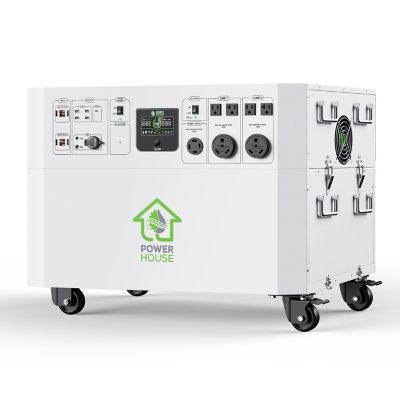
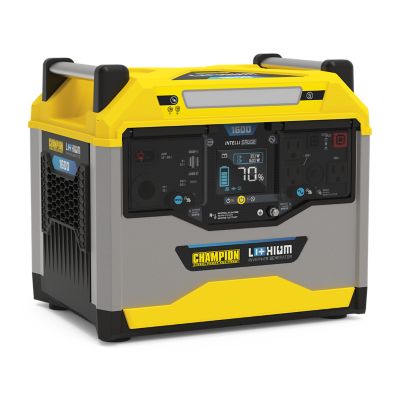
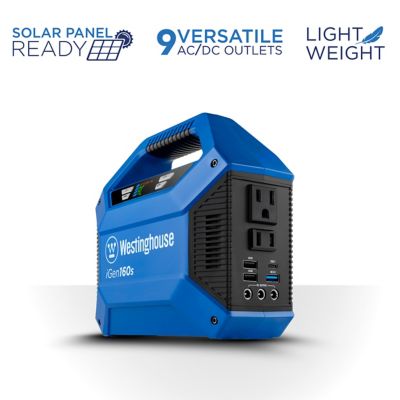
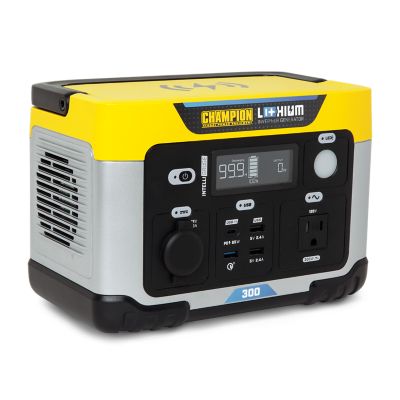
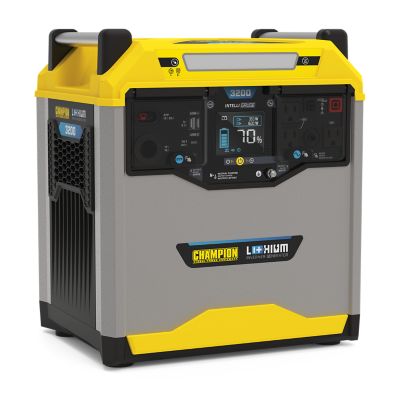
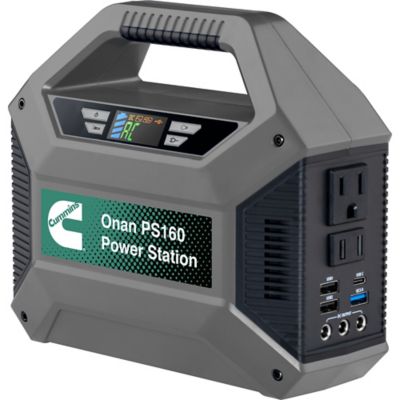
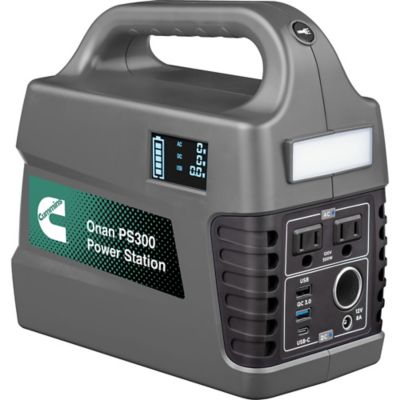
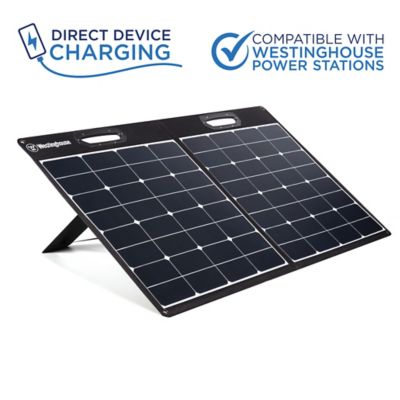
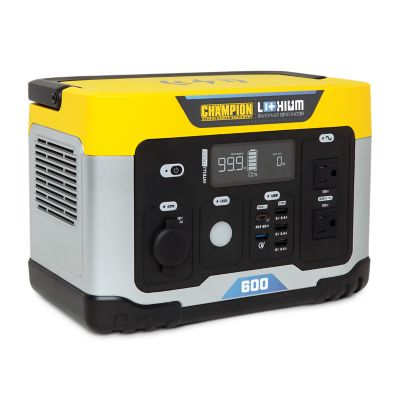
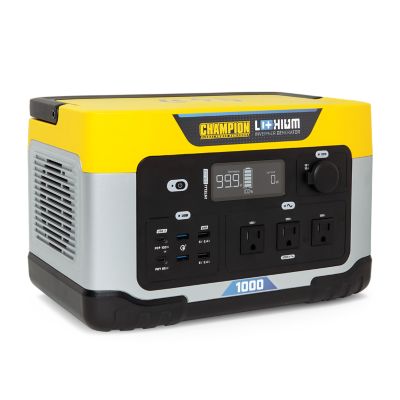
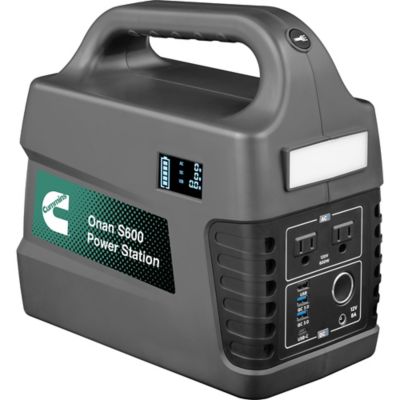
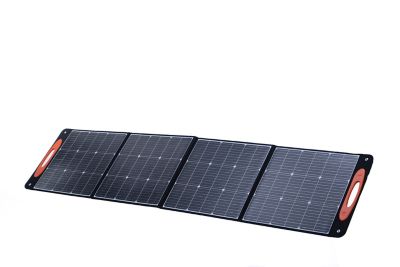
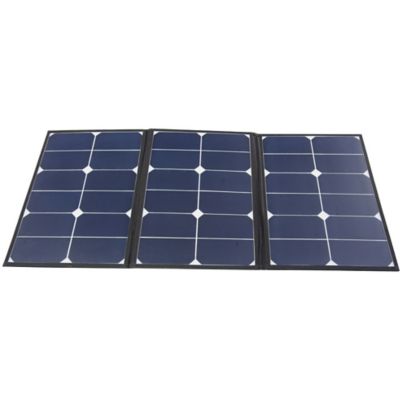
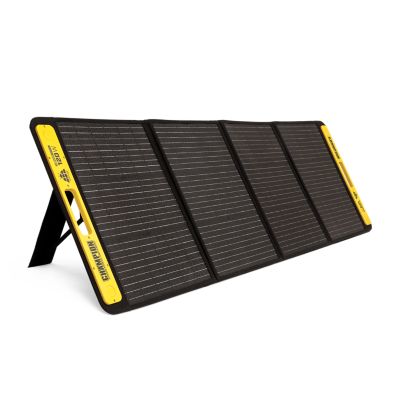
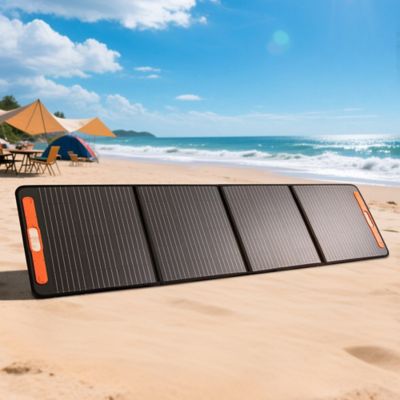
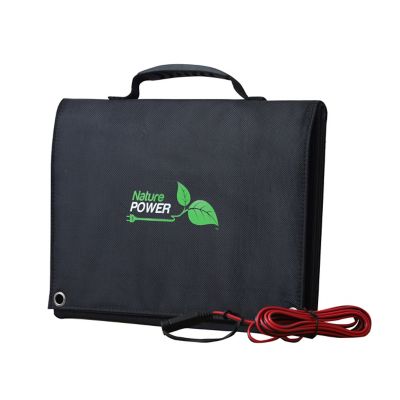
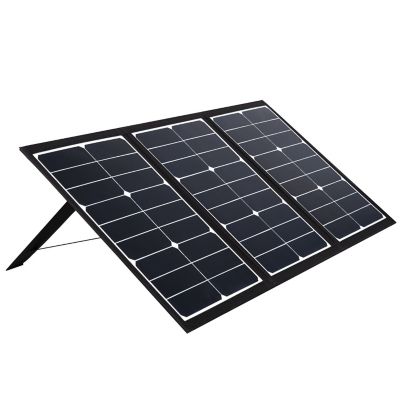
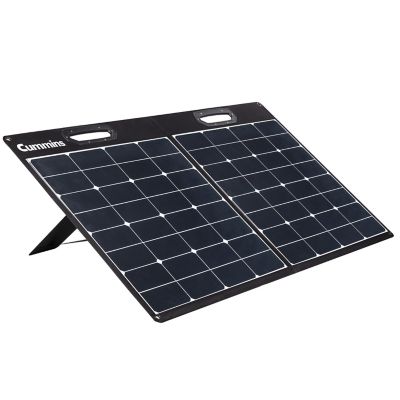
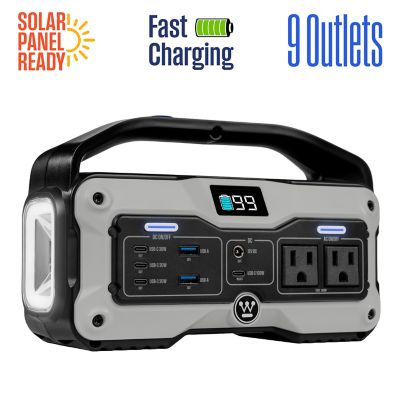
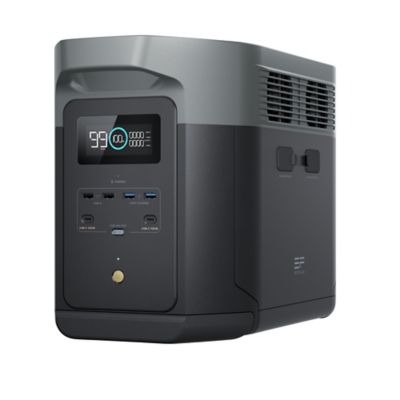
Compact solar generators bring portable battery power to places where an outlet is a long walk away, from a campsite picnic table to a workbench in an outbuilding. A solar generator setup combines a rechargeable power station with compatible solar panels: the panels turn sunlight into electricity, and the battery stores that electricity for later. The power station supplies connected equipment through AC outlets, USB ports, or DC connections, depending on its design. That makes these setups handy for charging phones, keeping a laptop going, powering small lights, or running other modest electrical loads within the unit’s ratings. Unlike a fuel-burning generator, a battery power station produces no engine exhaust while supplying electricity, and there is no gasoline tank to fill or engine oil to change. Cooling fans can still make sound, so quiet operation does not necessarily mean silent operation. For folks heading out in a pickup, traveling in a camper, or spending time away from household outlets, the appeal is having stored power that travels without taking over the whole cargo area. Compact size is especially helpful when the same space also needs to hold tools, tackle, feed buckets, or camping gear. Overall dimensions, carrying weight, handle placement, and the space needed around connections all affect how easily a unit fits into that routine. A molded polymer shell can help keep weight down, while metal components, reinforced corners, and recessed controls are construction details worth comparing where present. A broad, steady base matters on a firm work surface, and a comfortable handle matters between the truck and the cabin. Foldable solar panels can make the complete setup easier to pack, though panel weight and folded dimensions belong in the space calculation, too. The best fit is not simply the smallest box; it is a manageable combination of battery capacity, output, and charging equipment that suits the jobs ahead.
Battery capacity and power output describe two different parts of a compact solar generator’s performance. Capacity, expressed in watt-hours, indicates how much energy the battery can store. Output, expressed in watts, indicates how much power the station can deliver at a given moment. A larger watt-hour number generally supports longer operation at the same load, while a higher continuous-watt rating allows more demanding equipment to run. For a simple illustration, a 300-watt-hour battery supplying a steady 30-watt load has a theoretical runtime of 10 hours before conversion losses and other limits enter the picture. Actual runtime will be shorter because the inverter and internal electronics consume energy, and the full stated capacity may not reach the connected device. A phone charger and an LED light place different demands on a station than a coffee maker or electric cooking appliance, even when everything fits the available outlets. Equipment with a motor or compressor may also require a brief startup surge above its running wattage. Both continuous output and surge ratings matter, along with the appliance manufacturer’s requirements. Small solar generators are often a better match for charging electronics and supporting selected essentials than for running large tools, electric heaters, or an entire household. The connection layout matters just as much as the headline numbers: a USB-C port’s rated output can affect laptop charging, and several devices sharing one section may share its total power limit. An AC inverter with a pure sine wave output may be important for equipment that calls for it. For electronics that accept direct USB charging, a compatible USB connection can avoid the extra conversion step of an AC charging brick. During a short power interruption, having enough capacity for a phone, a small light, and other selected essentials can be more practical than trying to plug in every appliance. For medical equipment, confirm electrical requirements and backup arrangements with the equipment provider rather than relying on a general runtime estimate.
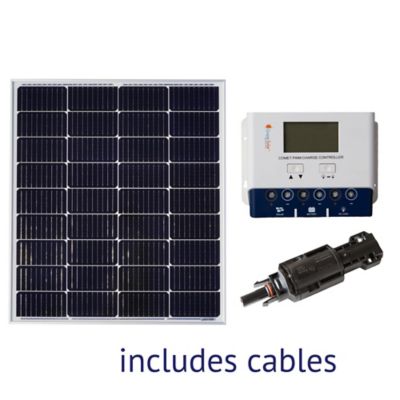
Solar charging adds flexibility, but the panel and power station need to work together electrically, not just have plugs that appear to fit. Solar input voltage, maximum current, connector type, and the station’s charging limits determine which panels can connect safely and how much incoming power the battery can accept. A panel’s rated wattage is measured under specified test conditions, so everyday charging results vary with sunlight, panel angle, shading, and system losses. Even a small patch of shade across a panel can reduce its output. An open spot with the panel aimed toward the sun helps the setup collect energy, while secure cable routing keeps cords clear of foot traffic, vehicle paths, and sharp edges. A battery can supply stored electricity after dark, but solar panels cannot replenish it without sufficient light. Wall charging and vehicle charging, where supported, provide other ways to top off the battery before heading out. Battery chemistry also shapes the ownership experience; lithium iron phosphate is one type of lithium-ion chemistry, and cycle-life ratings are worth comparing alongside weight and capacity. For more options in that battery category, explore
Lithium Ion Solar Generators. Day-to-day care includes keeping vents clear, protecting connections from dust and moisture, and checking cables for cuts or loose fittings. Follow the manufacturer’s directions for cleaning, storage charge level, and charging intervals when the station will sit between trips. A battery station needs the placement and ventilation specified in its manual, and it should never feed household wiring through an improvised connection. For a camper, a traveling family member, or someone who spends long stretches working away from outlets, a compact setup can make a thoughtful gift when its weight, ports, and power limits match their routine. Having the right cables and a clear understanding of those limits helps make portable solar power a practical part of the next trip or workday.