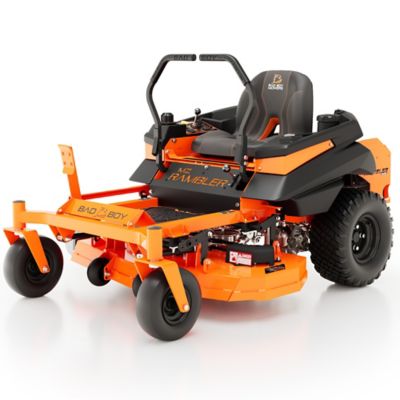
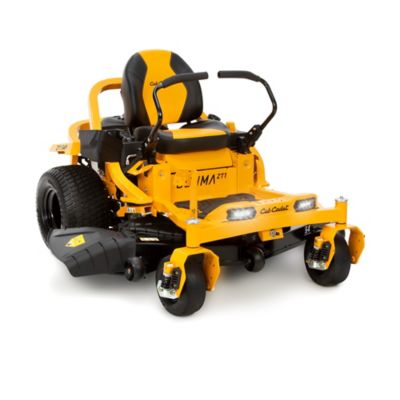
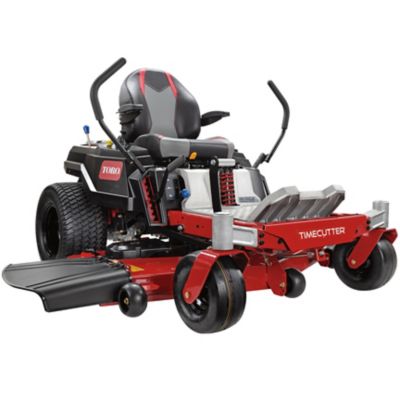
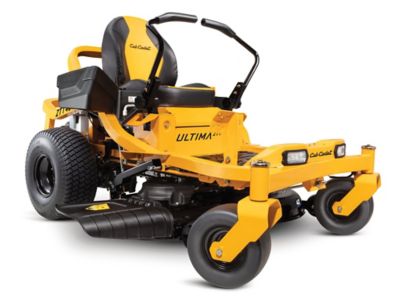
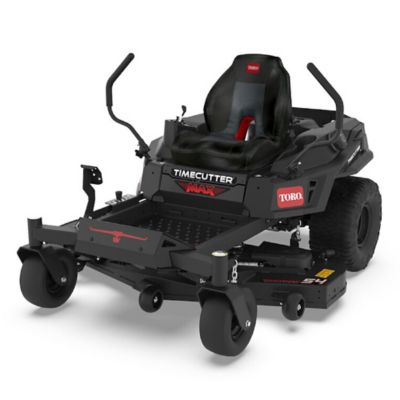
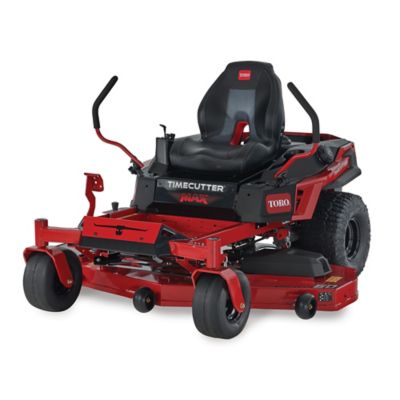
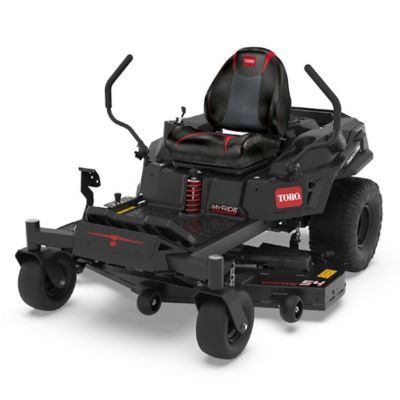
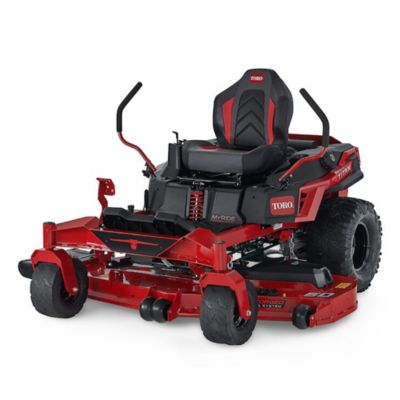
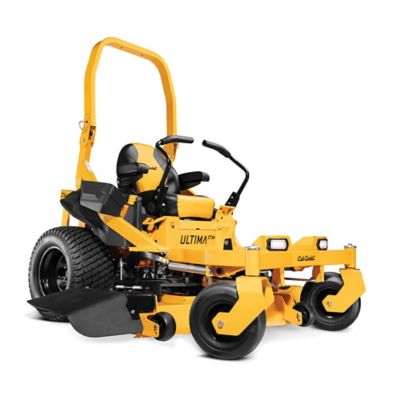
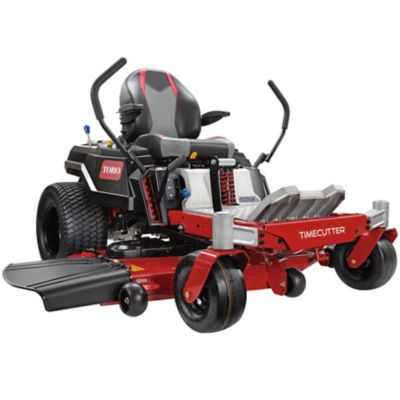
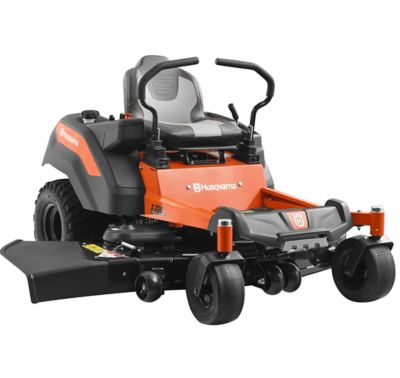
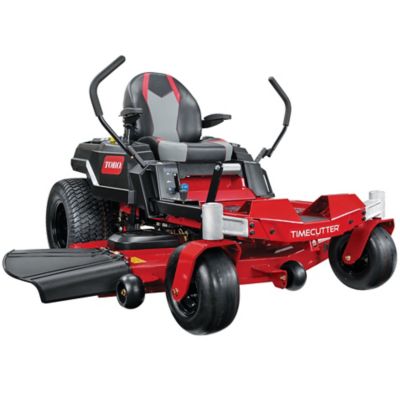
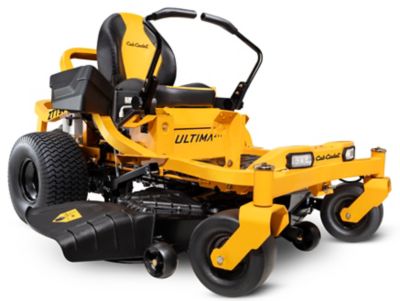
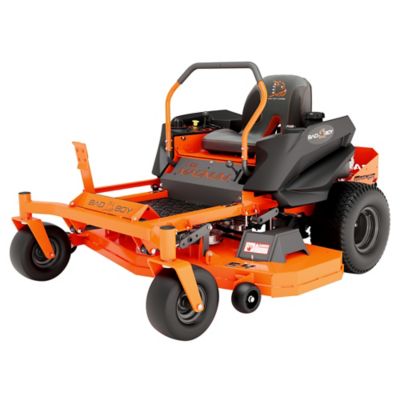
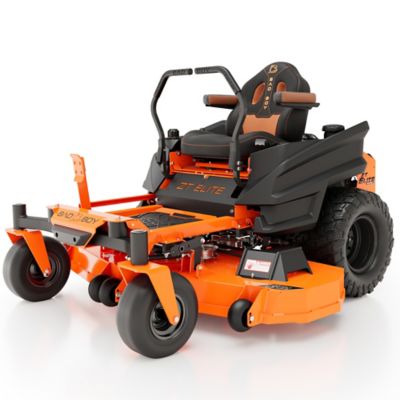
Sloped terrain zero-turn mowers bring tight maneuvering and broad cutting coverage to properties where the lawn rolls instead of lying flat. Around a farmhouse, along an orchard edge, or between widely spaced shade trees, a suitable mower can help manage grass without the wide turning space a conventional riding mower may need. The important distinction is that a zero-turn mower’s turning ability does not establish its hillside capability. Suitability for a slope depends on the exact machine, its manufacturer’s operating limits, ground conditions, and the terrain itself. Some residential zero-turn mowers have a maximum operating slope of 15 degrees, while others have lower limits; that figure is not a blanket safety rating for the category. Certain machines designed specifically for hillside operation may carry higher ratings, but neither a steering wheel nor an aggressive tire tread proves that a mower belongs on a steeper bank. The operator’s manual is the controlling source for slope limits, travel direction, attachment restrictions, and required protective equipment. A slope rating expressed in degrees also differs from percent grade: 15 degrees is roughly a 27 percent grade, not a 15 percent grade. That distinction matters when matching equipment to a rolling pasture-side lawn or a long rise behind the house. Even within a stated operating limit, wet grass, loose soil, hidden holes, and abrupt changes in grade can make riding unsafe. Pond banks, drainage ditches, retaining walls, and drop-offs call for the clearances specified by the manufacturer and may require a different mowing method altogether. For acreage owners, grounds crews, and folks maintaining several separate lawn areas, the best fit starts with the steepest section that actually needs mowing, not simply the number of acres. These mowers make the most sense where their documented operating capabilities match the property, with room to maneuver and firm ground beneath the tires.
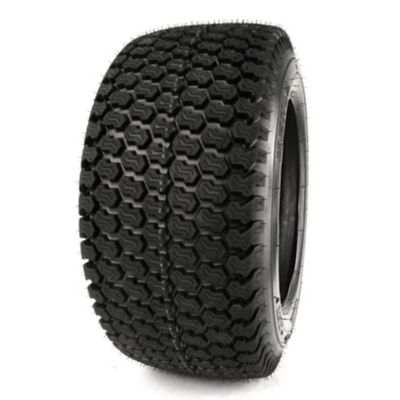
Construction and layout have a lot to do with how a zero-turn mower fits everyday work on uneven ground. Steel frames and steel cutting decks are common, with deck designs that may be stamped or fabricated from welded sections. Deck thickness, reinforcement around mounting points, and protection along exposed edges are worth considering where the lawn includes rough transitions or the occasional low spot. Those features support service life, but a heavy frame or thick deck should never be mistaken for permission to tackle a steeper slope. Traditional lap-bar zero-turn mowers steer by changing the speed and direction of the rear drive wheels, while their front caster wheels generally roll freely. That arrangement gives them their tight turning radius, but steering and braking control can diminish when the drive tires lose traction. Steering-wheel systems vary in design, so their hillside suitability still comes down to the individual machine’s documentation. Tire dimensions, specified inflation pressure, machine balance, and transmission design all deserve attention alongside engine output. More horsepower alone does not solve a traction problem. Cutting width is another practical consideration: a broad deck covers open stretches with fewer passes, while a narrower deck may fit better between fence corners, gates, trees, and outbuildings. On rolling ground, a deck that spans a sharp crest can scalp the grass, and anti-scalp wheels help limit deck contact without leveling the whole mower. Adjustable cutting heights offer flexibility for different turf types and changing growth through the cooler months. Seat adjustment, reachable controls, a clear view of the cutting path, and enough foot space matter during a long afternoon outside. A suspension seat can improve comfort over small bumps, but it does not increase the permitted slope angle. Where a rollover protective structure is fitted, its position and seat belt requirements must follow the manual; this equipment is protection, not an extension of the mower’s operating limits. A useful match brings together property access, cutting needs, operator fit, and documented terrain capability rather than leaning on a single feature.
Care and intended use matter just as much as the mower’s initial specifications. Grass around a home, barnyard lawn, or maintained field edge presents a different job from tall brush, saplings, or an overgrown embankment. A finish-cut zero-turn mower belongs on vegetation and terrain within its stated purpose, and attachments can change handling as well as workload. Collection systems, tow-behind equipment, and other add-ons may alter weight distribution or introduce separate slope restrictions, so compatibility includes more than whether the hardware connects. Access to the engine oil check, filters, belts, battery, grease fittings, and deck-cleaning points makes regular upkeep less of a chore. Sharp, balanced blades support an even cut, while clearing packed clippings from the deck helps limit moisture buildup against metal. Tire pressure should stay at the specified setting rather than being lowered in an attempt to gain hillside grip. Engine lubrication requirements also deserve attention, since operating beyond approved angles can affect lubrication on some designs. During the cooler months, dew, frost, damp leaves, and softened soil can turn a familiar rise into a poor place for a riding mower. Waiting for suitable conditions protects both the operator and the lawn; no tread pattern makes slick turf safe. Smooth control inputs and the manufacturer’s recommended operating speed and travel pattern are especially important on permitted slopes, while sudden pivots can tear turf and reduce control. There is no single uphill, downhill, or across-slope rule that fits every mower design, so generic hillside advice should not replace the machine’s instructions. Properties with sections outside a zero-turn mower’s limits may call for another equipment type or a separate maintenance approach. The
Lawn Mower For Sloped Terrain Cutting page offers a broader category to consider alongside zero-turn equipment. For ongoing ownership, accessible service points, suitable storage space, and maintenance requirements that fit the work schedule round out the decision. The right equipment fits the land as it stands, from the wide-open lawn to the narrower stretches, without asking the operator to push past its limits.