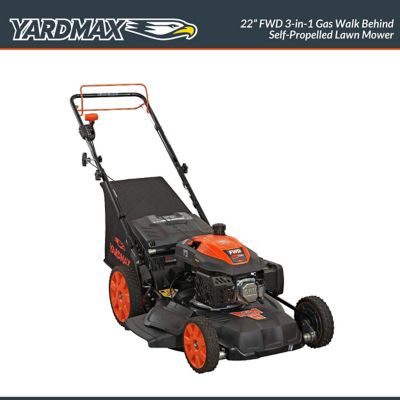
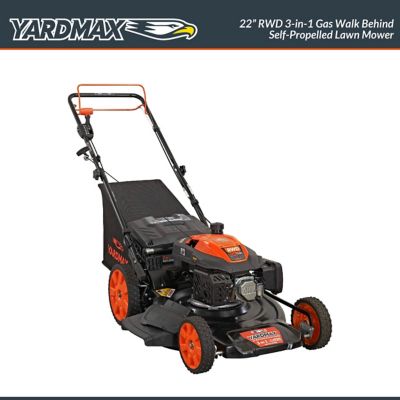
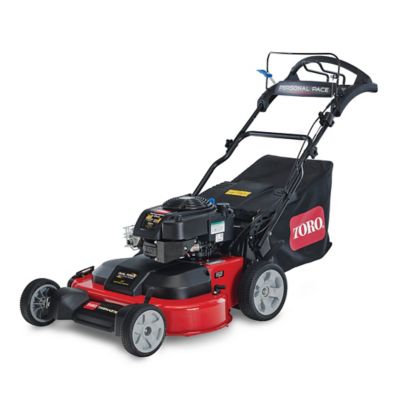
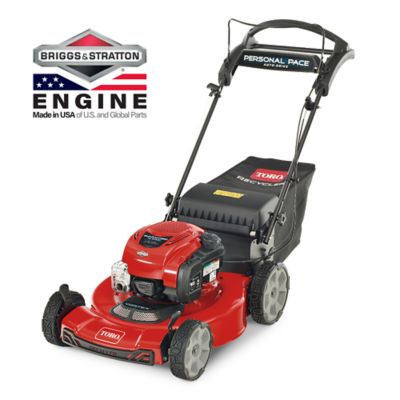
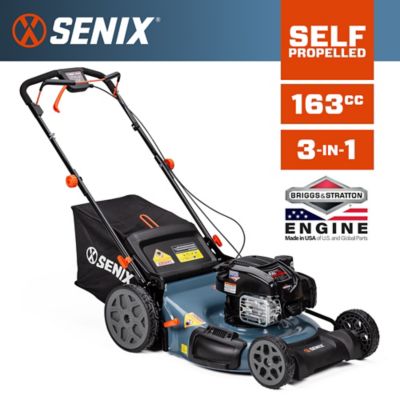
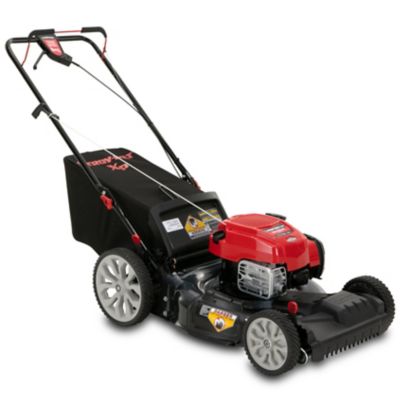
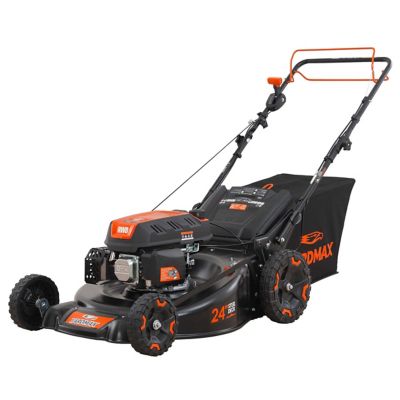
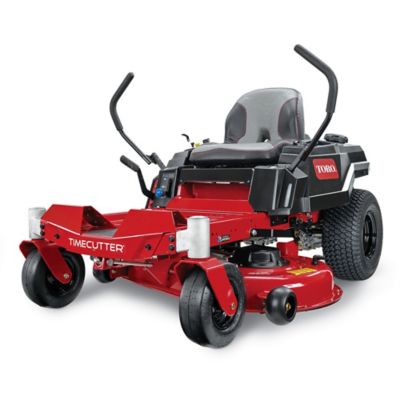
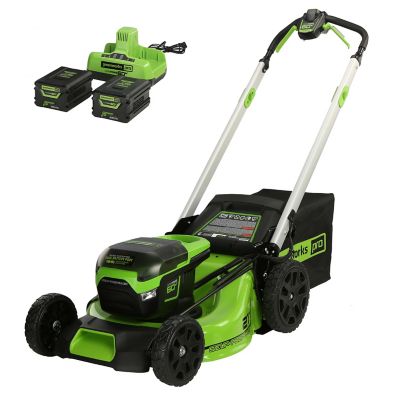
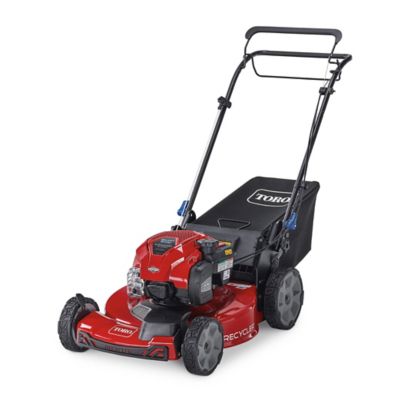
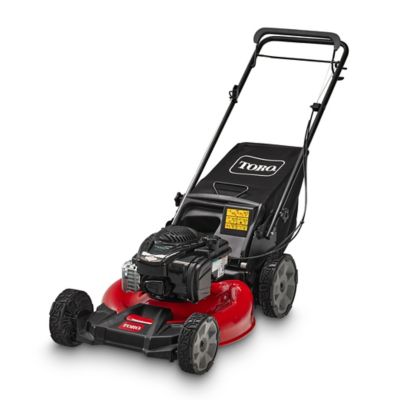
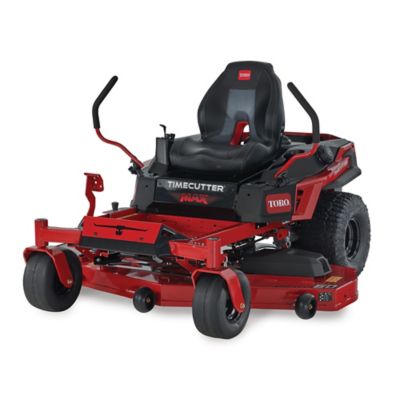
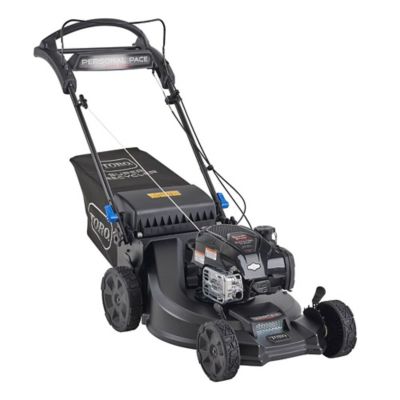
A variable speed lawn mower lets you adjust how fast its self-propelled drive moves, so the mower can match your walking pace. That control makes it easier to slow down near fence posts, round a flower bed or settle into a steady pace across an open stretch of lawn. Variable speed generally describes ground speed, not cutting height or blade speed, which are separate parts of the mower’s design. Instead of keeping up with one fixed travel speed, the operator can adjust propulsion as the mowing route changes. Depending on the design, that adjustment may come through a lever, a squeeze control or a handle that responds to pressure. The feel of those controls matters over a full yard, especially when the route includes trees, gates and plenty of turns. A comfortable grip and an easy-to-reach drive control help make repeated starts and stops less awkward. Self-propulsion reduces the pushing effort needed to move the mower forward, although the operator still steers, manages turns and controls the machine. Front-wheel-drive designs can make direction changes straightforward when the front wheels lift slightly during a turn. Rear-wheel-drive designs can help maintain traction when mowing uphill within the manufacturer’s operating limits or carrying a filling grass bag. All-wheel-drive designs distribute propulsion across both axles, though no drive layout makes a mower suitable for every slope. Wheel tread, mower weight and the shape of the ground also affect how it handles. For a yard wrapped around a farmhouse, the benefit may be a slower pace beside porch steps and a quicker stride along the straight run by the driveway. For a smaller lot, it may be easier maneuvering between planting beds and play equipment. These mowers fit maintained lawns rather than brush, woody growth or rough pasture, where different cutting equipment belongs. The best fit comes from matching the mower’s handling to the ground and the person behind the handle, not simply choosing the fastest travel setting.
Power source, cutting width and control layout all shape how a variable speed mower fits the regular mowing routine. Gas-powered designs need the fuel, oil and engine care specified in their manuals, while battery-powered designs pair an electric motor with a rechargeable power source. A corded electric design, where offered with the desired drive features, also brings cord reach and routing into the picture. An
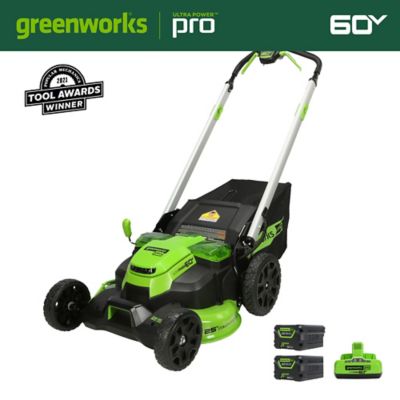
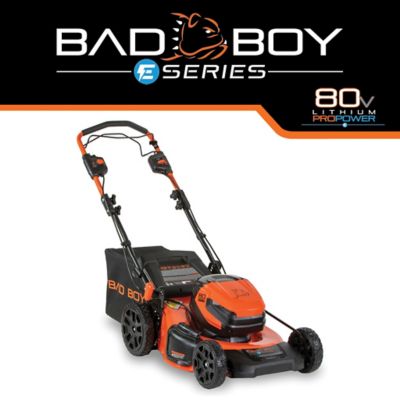
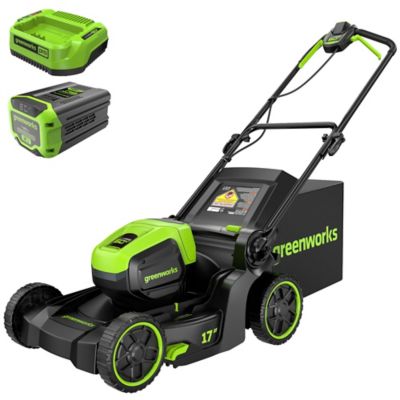
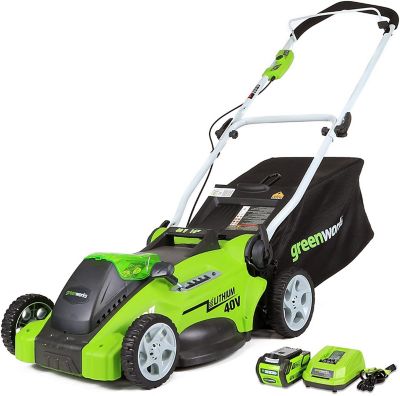
Electric Lawn Mower can be a good fit for someone who prefers mowing without gasoline handling, but electric power alone does not mean a mower has self-propulsion or variable travel speed. Those features depend on the machine’s design. With battery-powered equipment, operating time varies with battery capacity, grass height, grass thickness, cutting settings and the effort required by the drive system. A lawn with several uphill stretches can place different demands on the battery than a level yard of the same size. Battery compatibility, charging requirements and the space needed for charging deserve attention alongside cutting performance. Deck width brings another practical trade-off: a wider cutting path can cover open ground with fewer passes, while a narrower mower may fit more comfortably through a garden gate or between closely spaced beds. Overall dimensions matter, too, since wheel placement and discharge equipment can extend beyond the cutting path. Cutting-height adjustments allow the deck to suit different lawn grasses and mowing preferences; some layouts adjust each wheel separately, while others move several wheels with one control. Variable ground speed adds flexibility when grass gets thicker along a fence or around a heavily growing patch, giving the cutting system more time to process each pass. It does not replace an appropriate cutting height or a sharp blade. A mower that feels balanced at a comfortable walking pace, clears the narrow spots on the property and offers controls within easy reach is better suited to everyday work than one selected on deck size alone.
Construction and clipping management round out the differences between variable speed lawn mowers. Steel decks bring strength but benefit from prompt removal of stuck-on clippings and attention to damaged finishes that can expose metal to rust. Composite or polymer decks resist rust, while their care requirements and impact limits depend on the material and design. Wheels, axles, handle joints and drive components all contribute to how well a mower holds up through repeated trips over the yard. Larger wheels may roll more easily across uneven patches, but they do not eliminate the need to watch for holes, exposed roots and loose objects. Mulching, bagging and side-discharge options serve different routines. Mulching cuts clippings into smaller pieces for return to the lawn when grass conditions and mower settings allow. Bagging collects clippings for removal, with the trade-off of added weight as the catcher fills and pauses to empty it. Side discharge sends clippings away from the deck, making discharge direction important near walkways, vehicles, animals and people. Conversion methods vary, so the fit and handling of bags, plugs and chutes can matter as much as the number of clipping options. Routine care helps preserve both cutting performance and the drive system. Blade inspection, wheel checks, removal of grass buildup and the maintenance specified for belts, cables or other drive parts all have a place in ownership. Before cleaning beneath the deck or handling the blade, the power source needs to be disconnected according to the manual, including spark-plug or battery precautions where applicable. Folding handles can help with shed space, while upright storage is appropriate only for mowers designed for it. Accessible service points, clear maintenance directions and room to store the mower safely make regular upkeep less of a chore. Together, those details help a variable speed lawn mower fit the property, the storage space and the person doing the mowing.