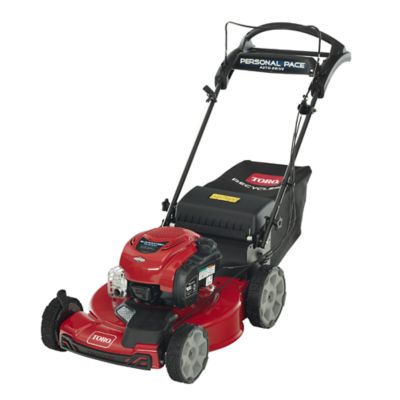
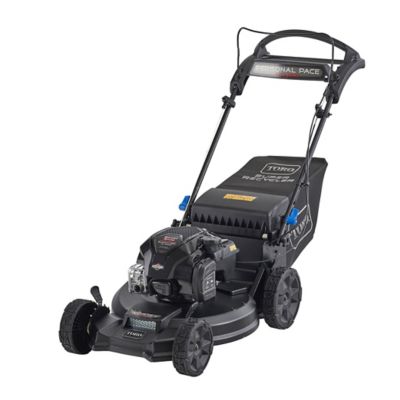
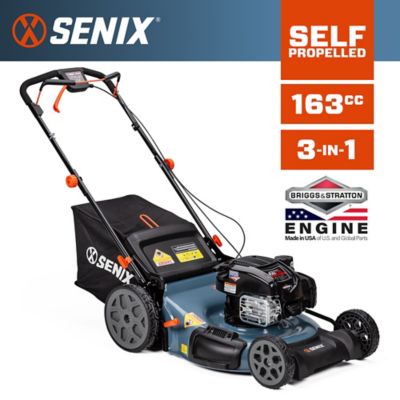
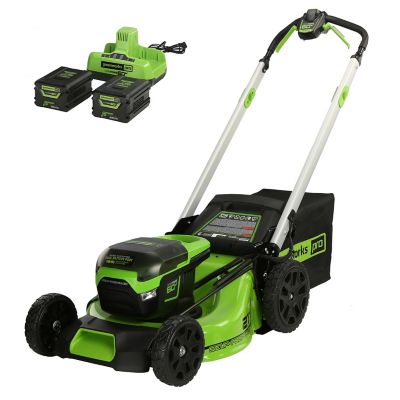
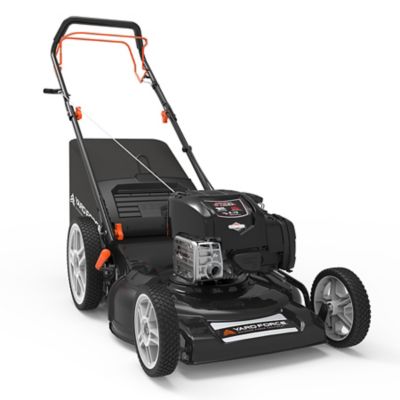
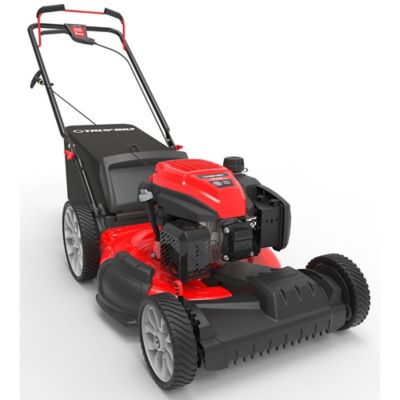
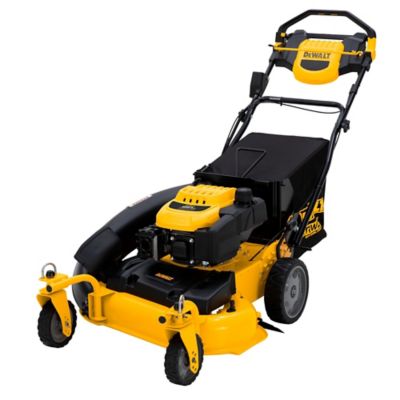
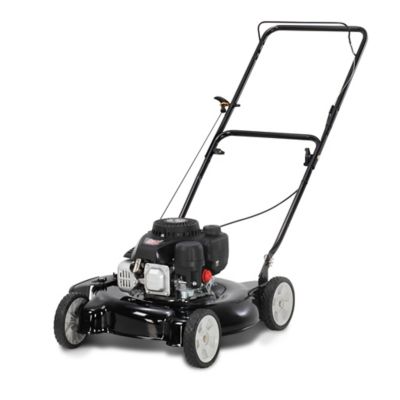
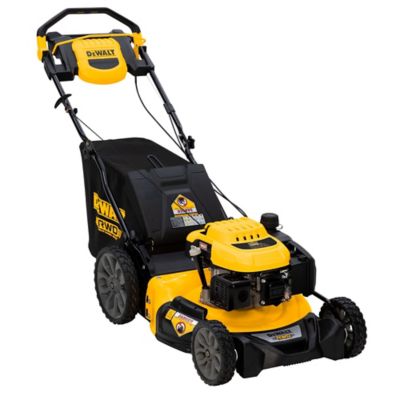
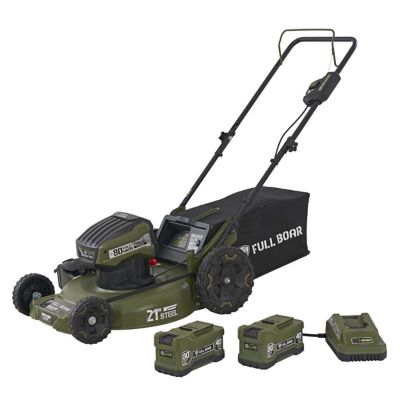
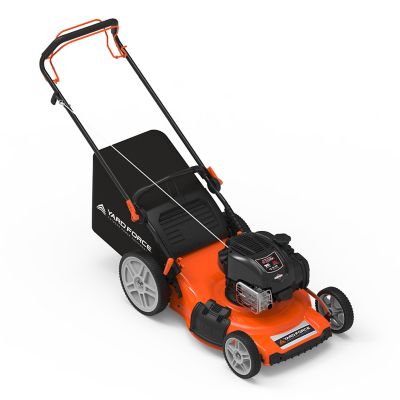
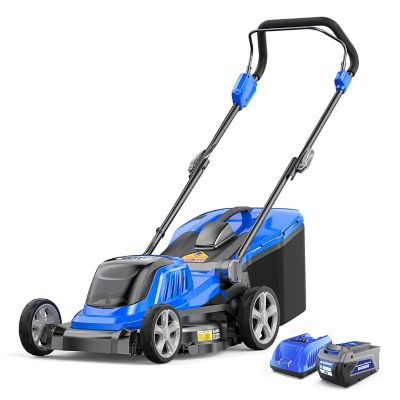
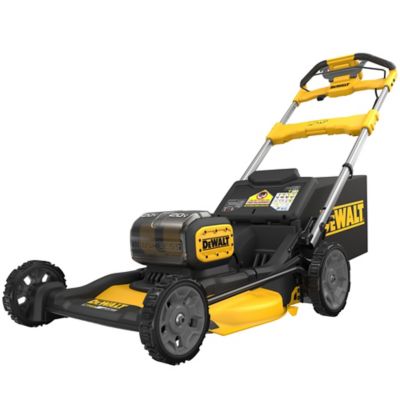
Sloped terrain gas lawn mowers suit the kind of yard that rarely gives you a straight, level pass: a rise behind the house, a rolling stretch beside the driveway, or a grassy knoll between the garden and the fence. For these lawns, the right fit comes down to more than engine size. Traction, travel speed, mower weight, and the manufacturer’s slope limits all matter when the ground starts climbing. Gas-powered walk-behind mowers provide cordless operation for properties where an outlet is a long way from the back corner, while self-propelled drive can ease the effort of moving the machine over suitable inclines. Rear-wheel drive can provide helpful traction on rising ground, and all-wheel drive distributes power to both axles for changing ground conditions. Neither system prevents slipping or makes a mower suitable for every hillside. A variable-speed drive lets the pace better match the person at the handle, especially around turns and uneven patches where a brisk walking speed feels like too much. Large rear wheels can roll more easily over small irregularities, while tire tread and tire condition affect grip; wheel size alone does not establish slope capability. For homeowners tending rolling lawns, these details can make the difference between equipment that fits the property and equipment that adds work to every pass. A broad, open lawn may favor a wider cutting deck, while a narrower deck can be easier to maneuver through gates, around trees, and along planted beds. Weight deserves the same attention. A heavier mower can take more effort to turn or control, particularly when the drive is disengaged. Handle height, grip shape, and control placement also affect how comfortably someone can maintain a steady stance. The best match is a mower approved for the actual grade, with controls the operator can comfortably reach and a pace that stays manageable from the first strip of grass to the last.
Engine design and cutting-deck construction help explain how gas lawn mowers differ beyond their drive systems. Lubrication is especially important on inclines because the engine needs a steady supply of oil to its moving parts. Some engines have pressure lubrication, which can support oil circulation during operation, but that feature alone does not establish safe operation on a slope. The engine’s operating-angle restrictions and the mower’s stated slope limit both apply, including any limits on how long the engine can operate at an angle. Splash-lubricated engines also have specific operating requirements, so the owner’s manual matters more than a broad claim about hill-climbing performance. Engine displacement is another comparison point, though a larger engine does not automatically mean better traction or greater stability. Cutting width, grass density, blade condition, and travel speed all affect the load during mowing. A patch of thick grass at the foot of a rise can demand more cutting effort than the thinner turf higher up, even when the slope stays consistent. Deck materials bring their own tradeoffs. Steel is common for its strength, but damaged finishes and damp clippings left underneath can encourage rust. Aluminum resists rust, though overall service life still depends on construction, care, and operating conditions. Deck shape and blade design influence how clippings move through the cutting chamber, whether the mower supports mulching, bagging, or side discharge. Mulching returns finely cut clippings to the lawn when grass conditions allow, while bagging collects clippings for removal. A filling grass bag adds weight and can change the mower’s balance and handling, which matters on rolling ground. Side discharge can suit longer stretches of lawn where collecting clippings is not necessary, provided the discharge stays directed away from people, animals, roads, and buildings. Cutting-height range is worth considering, too. Enough adjustment helps match the mower to the grass species and growing conditions, while an appropriate deck setting can reduce scalping where a slope levels out or the ground forms a shallow crown.
A mower for hilly ground needs to fit the whole property, not just its steepest patch. Fence corners, exposed roots, drainage swales, and the room available to turn all shape how practical a machine will be. A self-propelled walk-behind can be a sensible fit for a manageable residential lawn with slopes within its rating, while larger rolling properties may call for a closer comparison of equipment types. For that comparison,
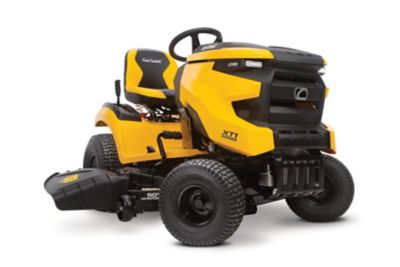
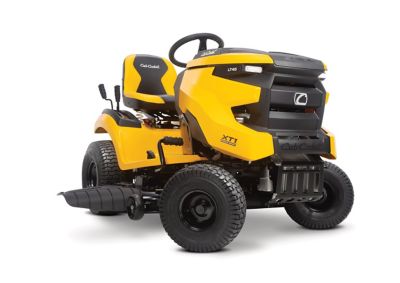
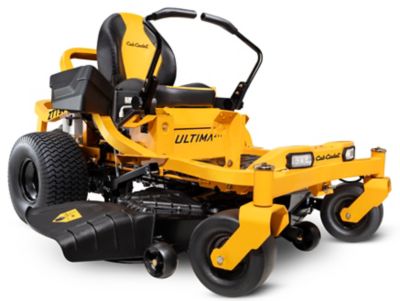
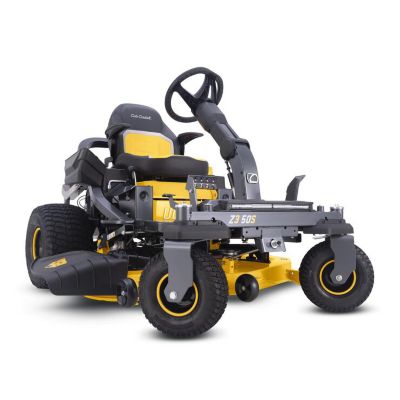
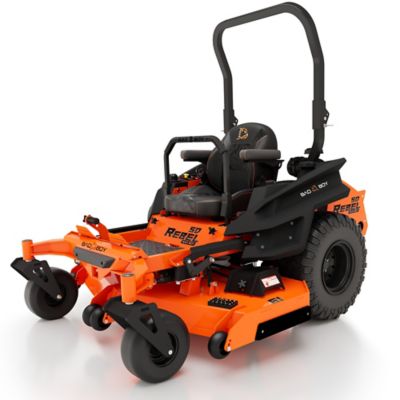
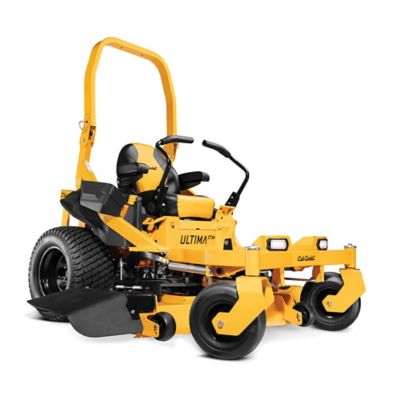
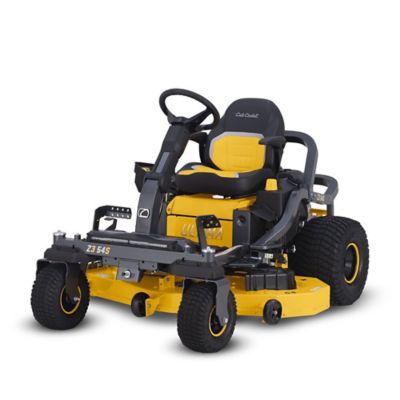
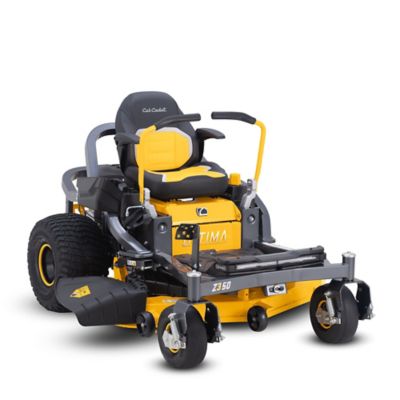
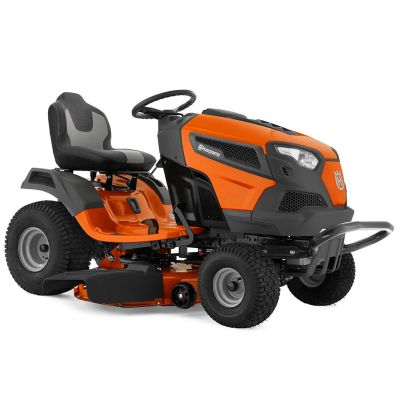
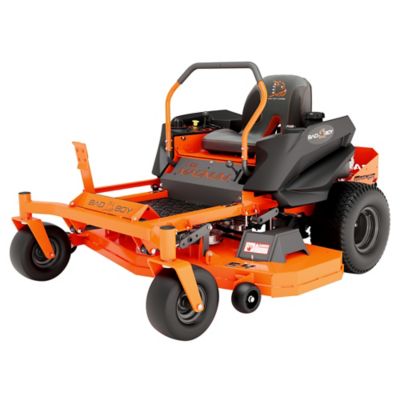
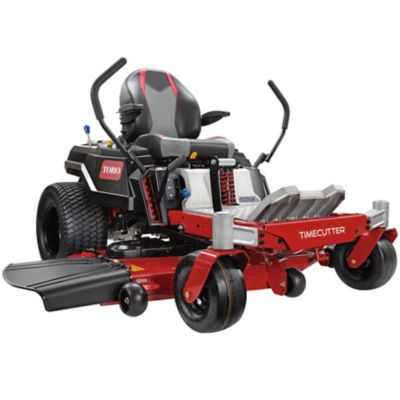
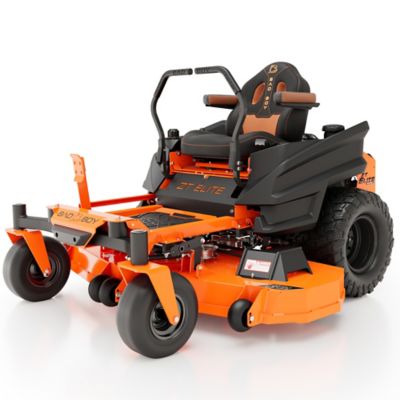
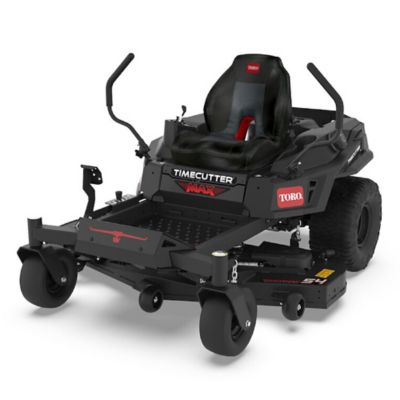
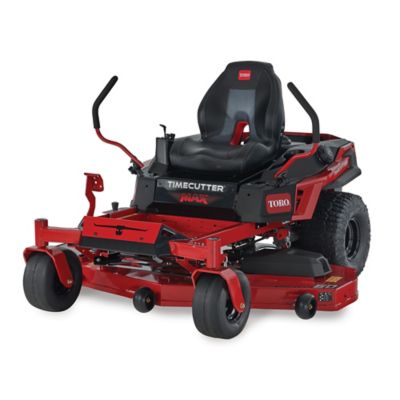
Sloped Terrain Zero Turn Mowers offers another category to consider, but a zero-turn design is not automatically suitable for hills. Riding equipment has different handling characteristics and mowing-direction requirements, and each machine’s manual governs where and how it can operate. Walk-behind mowers generally travel across slopes rather than straight up and down, while riding mowers commonly require the opposite approach; manufacturer instructions take priority. Wet grass, loose soil, hidden holes, and edges near ditches or ponds can make otherwise familiar ground unsafe. Dry footing, clear sightlines, and space away from drop-offs matter more than finishing one last strip. Ground beyond the mower’s limits calls for another maintenance approach rather than extra engine power. Routine care also has a direct bearing on performance throughout the mowing season. Sharp, properly installed blades cut more cleanly and reduce unnecessary strain, while clean air filters, the specified oil, and sound drive components help keep the machine working as intended. Tire wear, loose handles, damaged guards, and controls that do not return properly deserve attention before operation. With the engine off and cool and the spark plug wire disconnected as directed, clearing grass buildup helps protect the deck; any tipping for access must follow the manual to avoid fuel or oil leakage. During the cooler months, mowing frequency may taper off, making fuel care and sheltered storage especially important. Manufacturer-approved storage steps, a dry parking spot, and room to reach service points help keep a gas mower ready for the next stretch of growing weather. Those practical details count on a country property, where mowing often shares the day with fence checks, garden work, and keeping the place in good order.