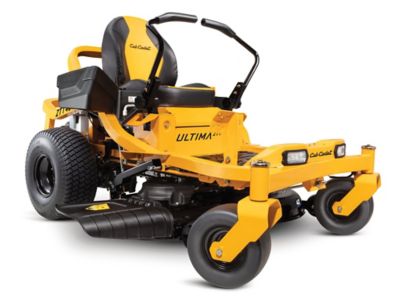
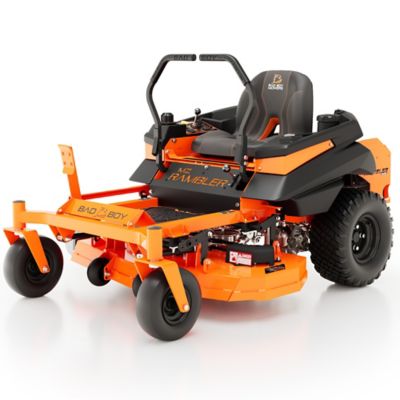
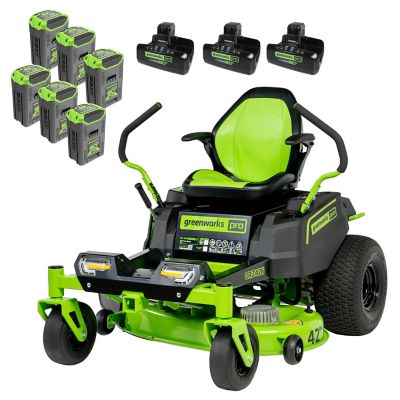
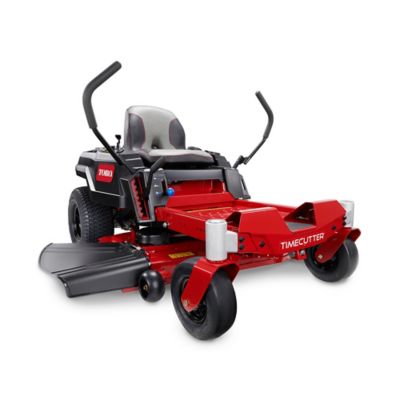
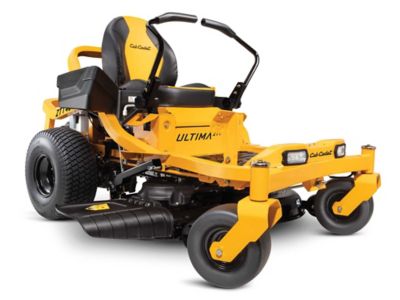
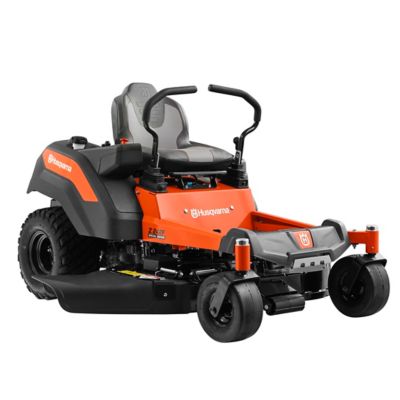
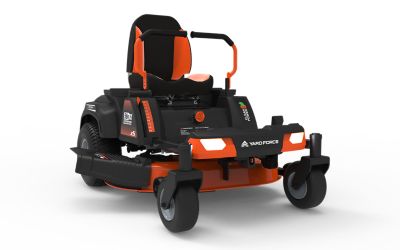
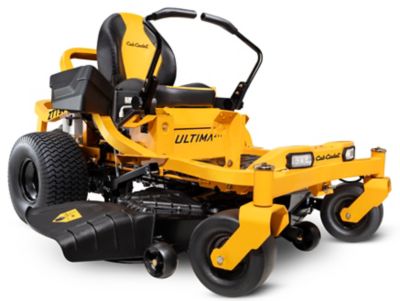
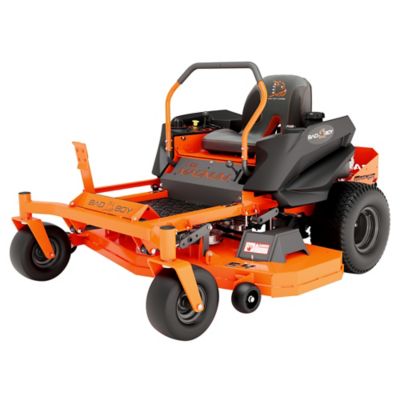
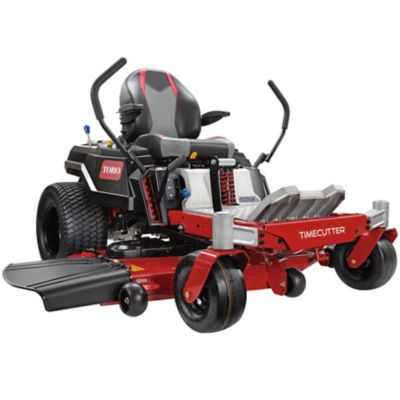
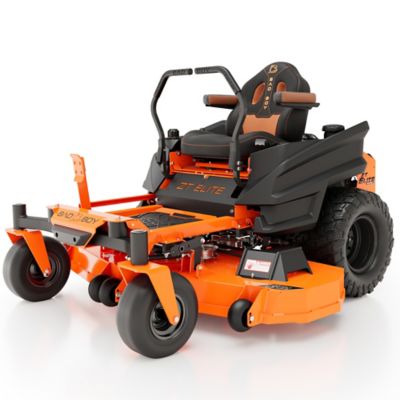
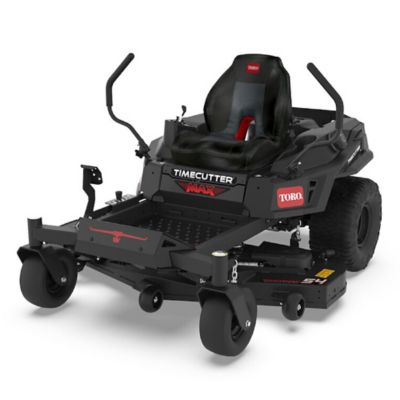
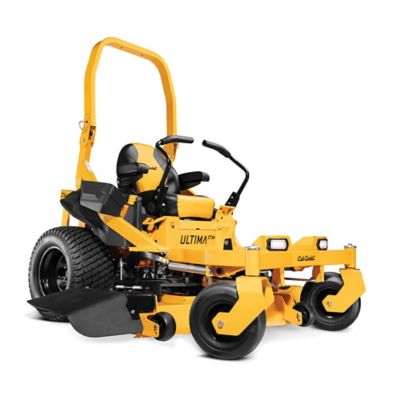
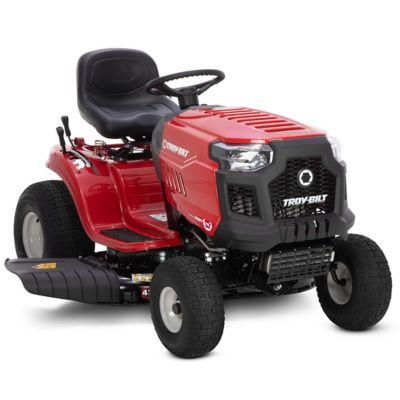
A 42-inch zero-turn mower pairs a manageable cutting width with the maneuverability to work around trees, garden beds, fence corners, and other features that break up a yard. The 42-inch measurement refers to the mower’s cutting swath, not its overall width. That distinction matters on a property where the route from the shed to the backyard runs through a gate or between fence posts. The deck housing, discharge chute, tires, and other components can extend beyond the cutting width, so the machine’s listed overall dimensions matter as much as the number on the deck. For many residential properties of roughly half an acre to two acres, this size offers a practical balance between covering ground and working in tighter spaces. Actual suitability depends on the layout, grass growth, terrain, and the machine’s operating capacity rather than acreage alone. A level yard with scattered shade trees presents different demands than the same acreage divided into narrow stretches around outbuildings. Zero-turn steering controls the drive wheels independently, allowing tight turns and helping reduce the wide loops needed at the end of a mowing pass. Many machines have lap-bar controls, though steering arrangements vary. Smooth, gradual turns help protect the turf; spinning sharply around a stationary wheel can scuff grass, particularly when the ground is soft. These mowers are intended for maintained lawns, not brush clearing, pasture reclamation, or cutting woody growth along a field edge. Their agility also does not make them suitable for every slope. The manufacturer’s terrain limits, along with traction and ground conditions, determine where a mower can operate safely. Steep banks, ditch edges, wet slopes, and pond margins call for particular caution and may require a different mowing setup. Around a farmhouse, a fenced backyard, or a smaller rural homesite, a 42-inch zero-turn lawn mower can make sense when the property has enough grass to warrant a riding machine but too many close quarters for a broad deck.
Deck construction, power source, and operator fit all shape how a 42-inch zero-turn mower handles regular yard work. Steel cutting decks commonly come in stamped or fabricated designs. A stamped deck is formed from a sheet of steel, while a fabricated deck is assembled from cut and welded steel sections. Steel thickness, reinforcement, deck shape, and spindle design vary by machine, so the construction label alone does not tell the whole story about strength or service life. Neither style turns a lawn mower into a brush cutter. Adjustable cutting heights help match the cut to the grass type and growing conditions, while deck wheels, where equipped, can help limit scalping over small changes in grade when set as directed. Side discharge, mulching, and grass collection offer different ways to handle clippings, but compatibility matters: a bagger or mulch kit needs to match the mower and may be a separate attachment. Gas-powered 42-inch zero-turn mowers commonly pair an engine with hydrostatic drive systems, providing variable ground speed without shifting through fixed gears. Engine output is one consideration, but deck performance, traction, grass density, and mowing speed also affect results. Battery-powered versions offer another approach, with electric motors and no gasoline engine oil changes. Their working time depends on battery capacity, grass height, moisture, terrain, travel speed, and whether clippings are being mulched or collected. Charging time and access to an appropriate electrical outlet belong in the fit assessment alongside mowing range. From the seat, details such as back support, legroom, control reach, vibration management, and a clear view of the deck edges can make a noticeable difference during longer mowing sessions. A deck-lift control that is easy to reach is helpful near exposed roots or uneven transitions, though raising the deck does not make an obstacle safe to mow over. Comfort features help with the ride, but slowing down on uneven ground remains important for both the operator and the lawn.
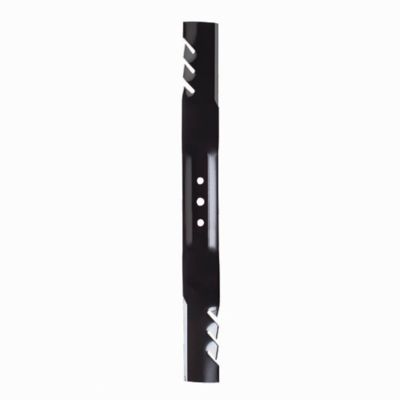
Living with a mower also means having room to park it, access to routine service points, and a plan for keeping the cutting system in good shape. A 42-inch cutting deck can be a sensible match for a smaller equipment shed, but storage space needs to account for the mower’s full length and width, any attached collection equipment, and enough clearance to get on and off safely. The same attention to dimensions applies to trailer space and loading equipment, along with the mower’s weight and the trailer and ramp ratings. For regular care, sharp, balanced blades support an even cut and help prevent the ragged grass tips that can leave a lawn looking brown after mowing. Packed clippings beneath the deck can interfere with airflow and hold moisture against metal, making cleaning part of protecting the cutting system. Any inspection, cleaning, or blade work should follow the manual’s shutdown and power-isolation procedure, with the mower secured against movement. Gas machines also need engine care at the specified intervals, including oil, filters, and fuel-system attention. Battery-powered machines have different service needs, but blades, tires, electrical connections, and other components still need checks according to the manufacturer’s schedule. Correct tire pressure and deck leveling matter because an uneven stance can translate into an uneven cut across the yard. During cooler months, mowing needs depend on local grass growth rather than a fixed calendar date. Where mowing continues, dry conditions generally make clippings easier to manage; where growth slows, cleanup and storage preparation take on more importance. Fuel storage practices and battery storage temperatures should follow the equipment instructions. Deck size remains a property-fit decision: open lawns with long, uninterrupted passes may suit
60 Inch Riding Mowers, while a 42-inch machine offers a narrower cutting path for tighter layouts. For homeowners balancing lawn space with gates, trees, sheds, and fence lines, that combination of turning control, manageable dimensions, and straightforward upkeep is what gives this mower size its place in the yard.