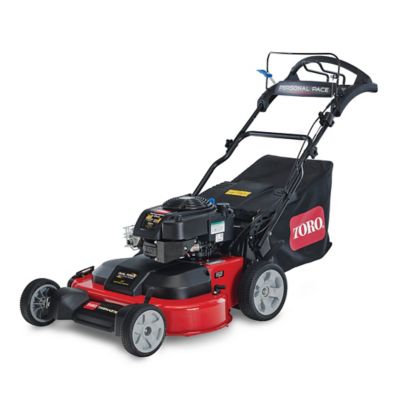
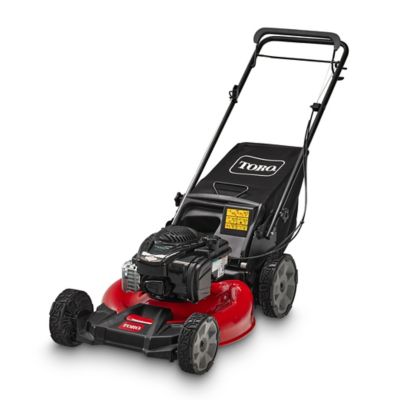
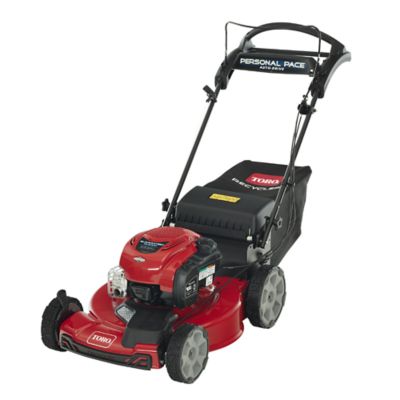
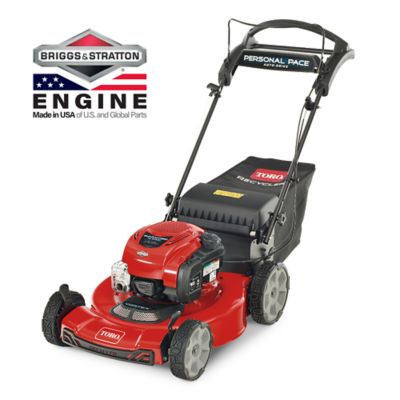
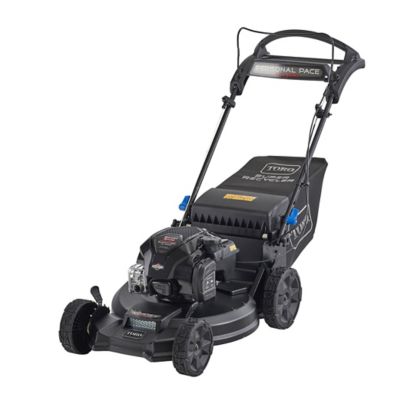
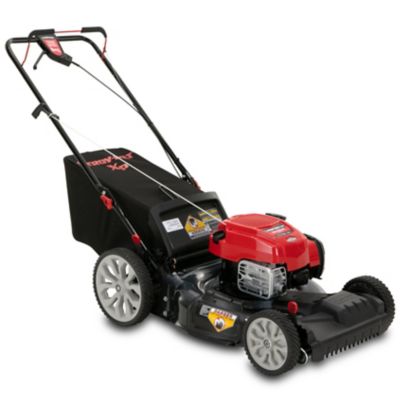
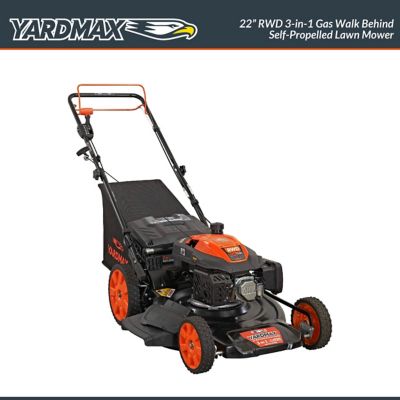
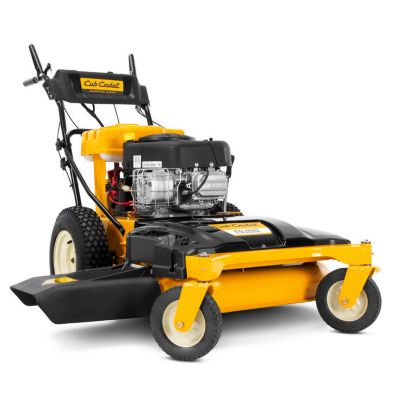
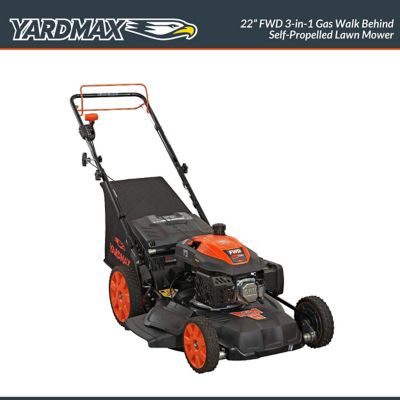
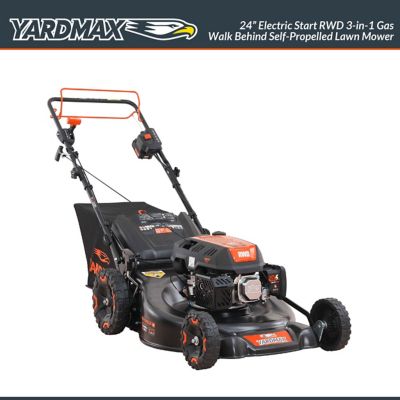
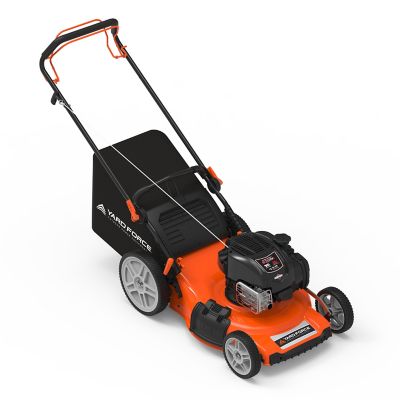
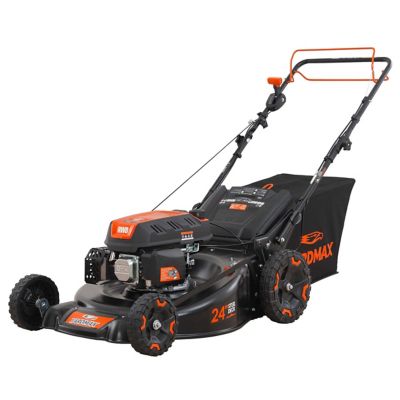
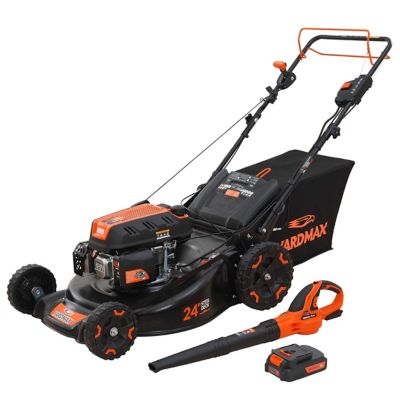
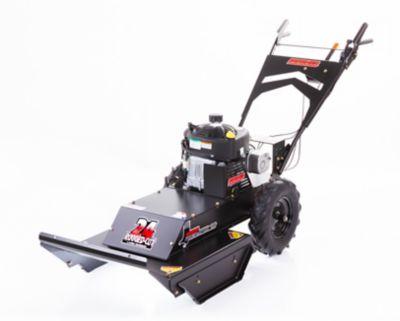
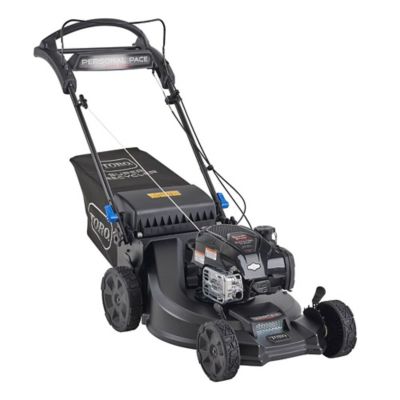
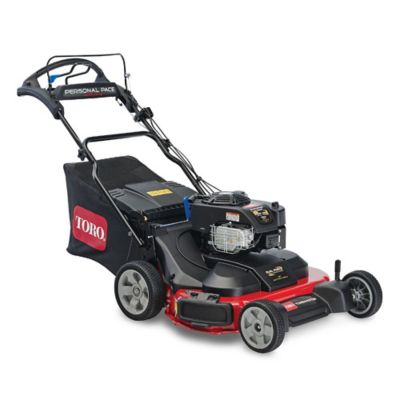
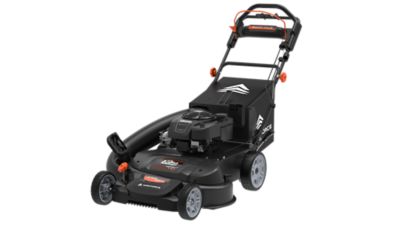
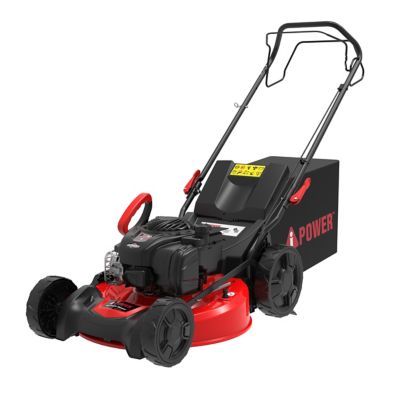
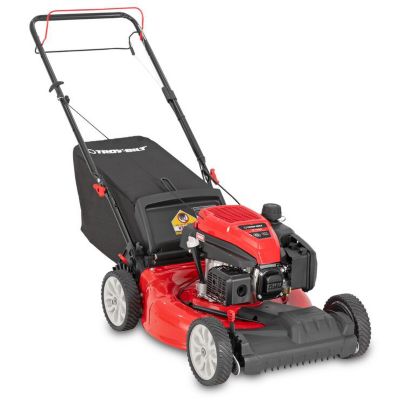
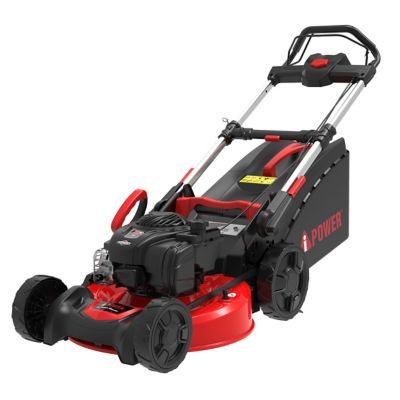
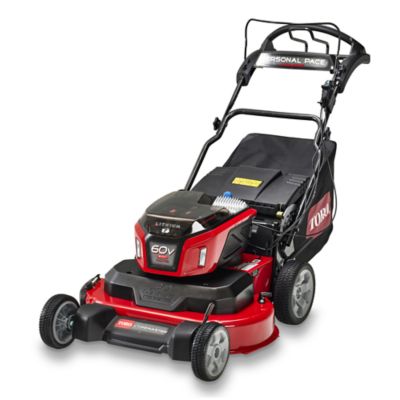
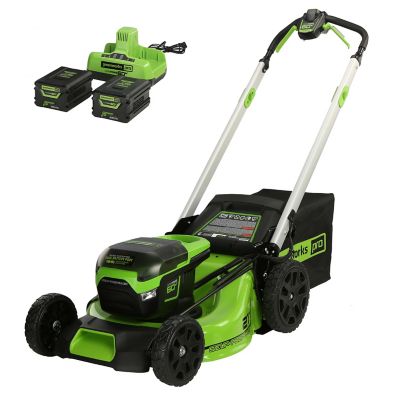
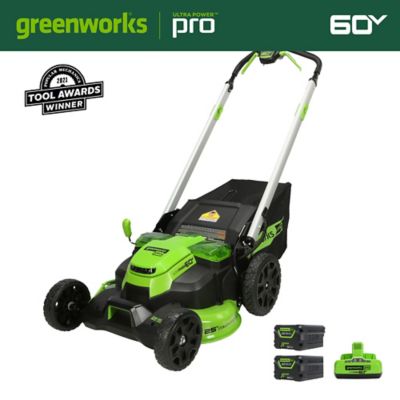
A self-propelled gas lawn mower takes some of the pushing out of cutting grass by sending engine power to the drive wheels as well as the blade. The operator still walks behind, steers, and controls the machine, but powered wheels help move it along instead of leaving all that work to muscle alone. That makes this type of walk-behind mower a practical fit for homeowners with a broad front lawn, a fenced backyard, or grassy stretches around a farmhouse where a riding mower would be awkward to maneuver. Drive layout makes a difference in how the mower feels on the property. Front-wheel-drive mowers generally suit flat, open lawns and can be easy to pivot when the front wheels lift slightly during a turn. Rear-wheel-drive mowers generally provide better traction on uneven ground and gentle slopes, particularly when a grass bag adds weight toward the back. All-wheel-drive designs power both sets of wheels for additional traction, though no drive system makes steep slopes safe to mow. Terrain limits still depend on the machine and its operating instructions. Variable-speed controls let the operator adjust travel speed to a comfortable walking pace, which comes in handy when moving from an open stretch into a tighter run along a fence. Some controls respond to pressure on a handle or lever, while others offer set speed positions. Comfortable speed control matters as much as the drive layout when the yard has frequent turns, narrow passages, or scattered trees. Larger rear wheels can help a mower roll over small bumps, but wheel size alone does not determine traction or handling. Tire tread, mower weight, balance, and the ground underfoot all play a part. A good match balances powered assistance with a size and weight that the person mowing can comfortably steer, turn, and move into storage.
Cutting width and grass-handling options shape how a self-propelled gas mower fits the job. A wider deck covers more grass on each pass across an open lawn, while a narrower deck can be easier to maneuver between planting beds and through gates. The clear opening of a backyard gate matters more than the size of the yard when that gate is the only way through. Deck width is not always the mower’s overall width, so the full machine dimensions deserve attention. Engine displacement, measured in cubic centimeters, describes engine size, but it does not tell the whole story about cutting performance. Blade condition, deck design, grass height, and travel speed also affect the finish. Thick or tall grass can require a slower pace even when the drive system is ready to move faster. Mulching, bagging, and side discharge each serve a different purpose. Mulching cuts clippings into smaller pieces and returns them to the lawn; it works best when the mower is not taking off too much grass at once. Bagging gathers clippings for a tidier surface around patios, walkways, and places where children play. Side discharge spreads clippings out of the deck and can be useful across less formal lawn areas, provided the discharge points away from people, animals, vehicles, and buildings. A mower with multiple cutting modes offers flexibility, though the necessary attachments vary by design. Cutting-height adjustment is another useful detail, especially where different parts of a lawn need different treatment. Single-lever systems move several wheels together, while individual wheel adjustments take more hands-on effort. Steel decks are common, and protective finishes help limit corrosion when the deck is properly cared for. Wheel construction, handle hardware, and deck condition also affect long-term performance. Handle height, grip shape, and control pressure deserve equal consideration: a mower should let the operator walk naturally without hunching over or constantly stretching to keep the drive engaged.
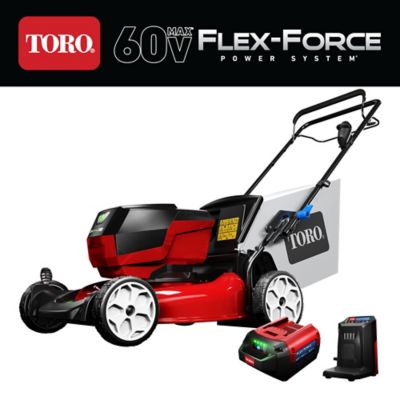
Gas power brings the convenience of refueling rather than waiting for a battery to charge, along with engine-care responsibilities that belong in the buying decision. Most gas walk-behind mowers have four-cycle engines with separate gasoline and engine-oil systems. Fuel requirements, oil type, and service intervals depend on the engine, so the owner’s manual remains the reference for those details. Some engines call for scheduled oil changes, while others have different oil-care requirements; neither arrangement removes the need to monitor oil level as directed. Recoil starting is common, and some mowers have electric-start systems that reduce the pulling involved. Electric start may bring a separate starter battery and charging requirements, so starting convenience and upkeep go together. Routine care also includes attention to the air filter, spark plug, blade, drive components, and underside of the deck. A sharp, properly installed blade cuts grass cleanly rather than leaving ragged tips, while clearing packed clippings helps preserve airflow and limits moisture buildup against the deck. Cleaning and blade work require the engine to be off and the mower secured against accidental starting according to its instructions, including disconnecting the spark plug lead where directed. Rocks, wire, fallen branches, and other loose objects should be cleared from the mowing area before the engine starts. Sturdy footwear, eye protection, hearing protection, and keeping bystanders clear are part of operating a gas mower, even for a short pass beside the driveway. Storage space matters, too: folding handles can reduce the footprint, but upright storage is appropriate only for machines specifically designed for it. Refueling belongs outdoors with the engine stopped and cooled, and gasoline needs an approved container and a suitable storage location. For households considering a different power source, an
electric self-propelled lawn mower provides powered wheel assistance without gasoline-engine upkeep. The right choice comes down to the lawn’s layout, the operator’s comfort, and which care routine fits life around the property.