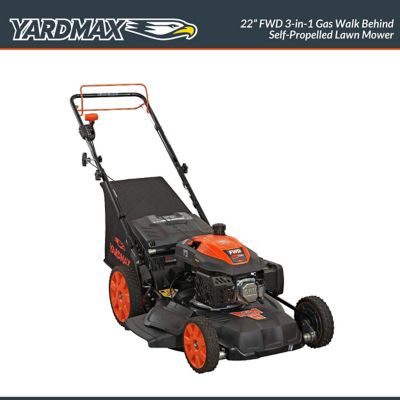
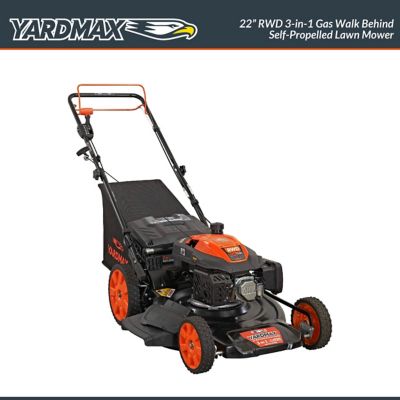
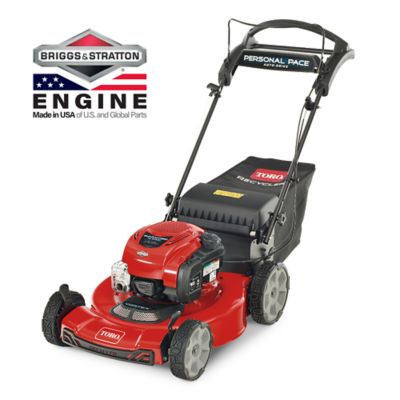
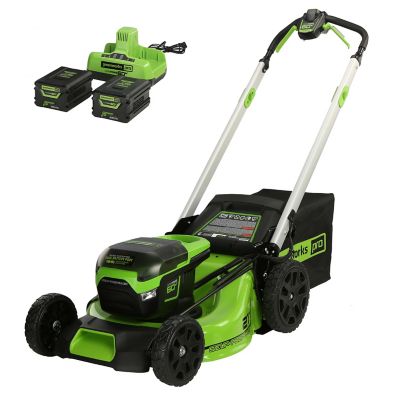
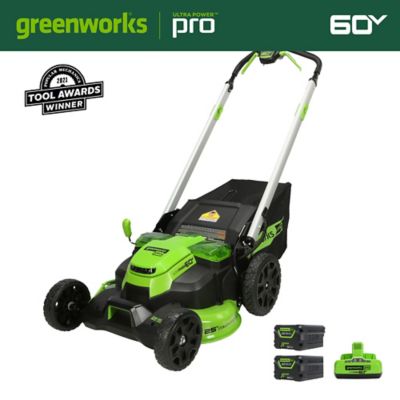
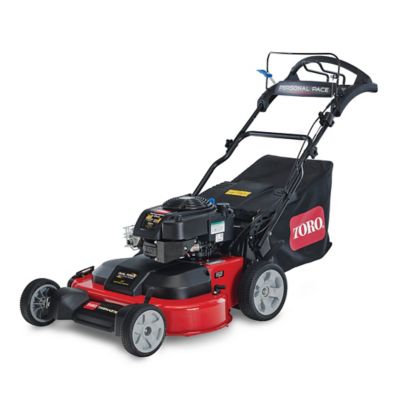
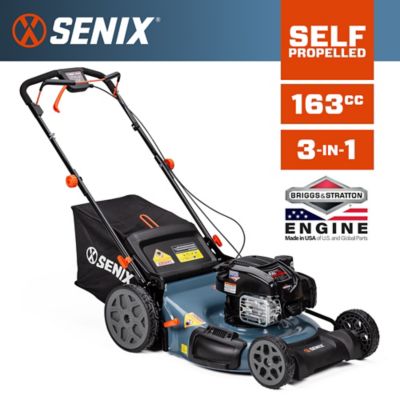
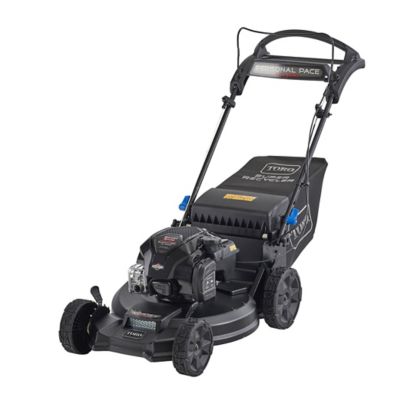
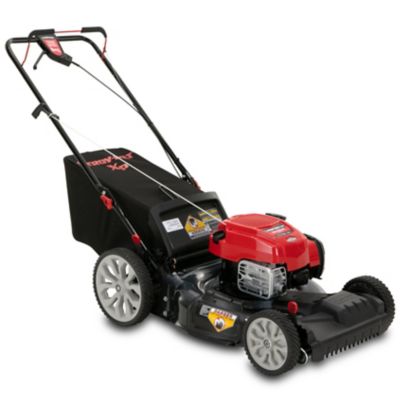
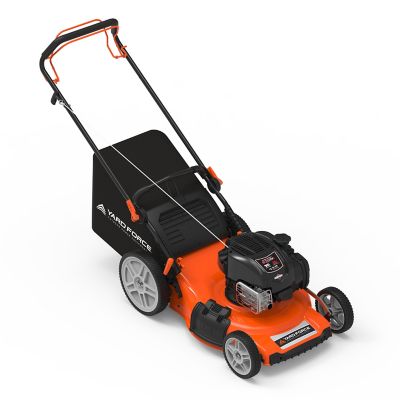
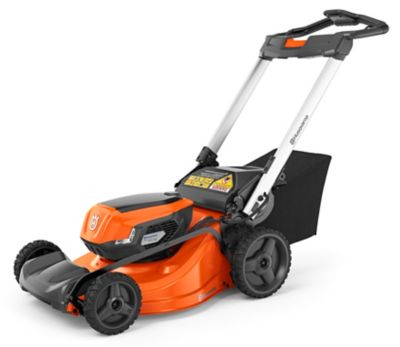
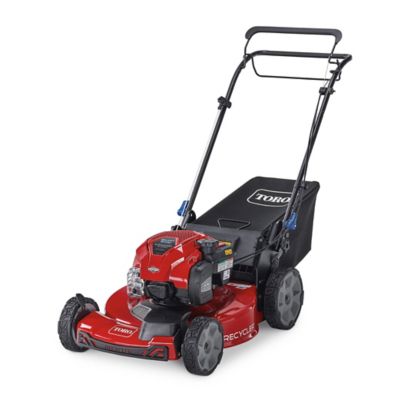
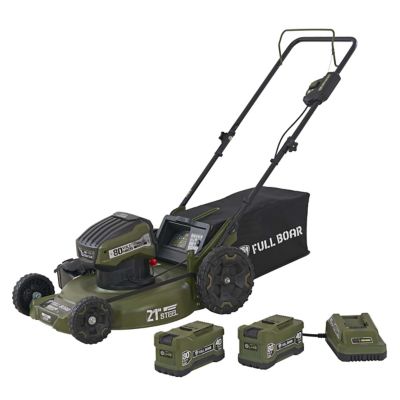
A self-propelled rear-wheel-drive lawn mower sends power to its back wheels, helping move the mower forward while the operator steers and controls its pace. That added drive assistance takes some of the pushing out of mowing, especially on rolling yards, longer stretches of lawn and ground that takes more effort to cover with a push mower. Because the rear wheels provide propulsion, they can maintain a useful grip when weight shifts toward the back of the machine, including when a rear collection bag fills with clippings. Compared with front-wheel-drive designs, rear-wheel drive generally offers better traction on inclines, though actual performance depends on the tires, mower weight, ground conditions and operator control. It does not make steep ground safe to mow; the slope limits and operating directions in the owner’s manual still apply. For walk-behind mowing, those directions generally call for traveling across a slope rather than straight up and down it. This category fits homeowners handling open lawn around the house, grassy stretches beside a driveway or a yard with a mix of level ground and gentle rises. It also makes sense for someone who wants help moving a walk-behind mower without stepping up to a riding machine. The drive system handles forward movement, but turning around trees, backing out of tight corners and moving between mowing areas still require some physical effort. A yard with plenty of straight passes gives the drive system room to do its work, while closely spaced fence posts, garden borders and narrow gates make overall size and turning behavior more important. Rear-wheel drive describes the powered wheels, not the mower’s starting method, engine size or cutting width. Those separate features shape how a mower feels on the lawn, how easily it fits through an opening and how much ground each pass covers. The right fit comes down to the whole yard, not just its total square footage.
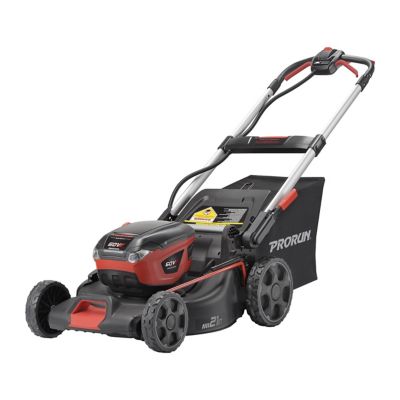
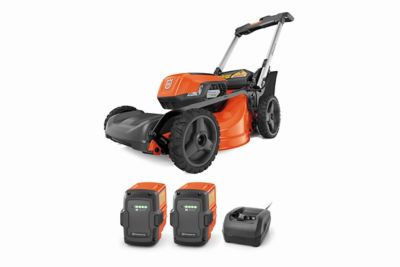
Gas and battery-powered designs both appear within the broader rear-wheel-drive mower category, with different routines for getting started and keeping the machine ready. Gas engines require fuel, oil checks and engine maintenance, while battery-powered mowers require charged batteries and a suitable charging location. Battery runtime varies with grass height, cutting load, travel speed and battery capacity, so a wide-open lawn and a patch of heavy growth may draw very different amounts of energy. Engine displacement and battery voltage describe parts of the power system, but neither number alone tells the full story of cutting performance. Blade design, deck airflow and the load on the mower matter, too. For another look at battery-powered walk-behind options, the
Self Propelled Cordless Lawn Mower page covers that power-source category; wheel-drive configuration remains a separate feature to check. Deck construction adds another practical difference. Steel is common and brings a sturdy feel, while some designs feature aluminum or composite materials with different weight and corrosion characteristics. A wider deck covers more ground per pass but takes more room between obstacles and in the shed. A narrower deck can be easier to work through a gate or around a small lawn broken up by beds and walkways. Cutting-height range matters wherever one section of grass needs a different finish from another. Single-lever adjustments can simplify changing the deck height, while separate wheel adjustments may require more individual settings. Variable-speed propulsion lets the travel pace better match the person walking behind the mower, rather than making every pass feel rushed. Controls differ in how they engage and respond, which matters during repeated turns at the end of a row. Handle height, grip shape and the effort needed to hold the drive control all contribute to comfort across a full mowing job. A comfortable setup helps keep attention on the path ahead, especially around exposed roots, low branches and uneven edges where steering needs a little extra care.
Clipping management is another big part of how a self-propelled rear-wheel-drive lawn mower fits everyday yard work. Depending on the model, a mower may mulch, bag or discharge clippings, and not every machine includes every option. Mulching cuts clippings into smaller pieces that settle back into the lawn, while bagging gathers them for removal and leaves less loose material behind. Discharge sends clippings out of the deck without collecting them, making the direction of the chute important near walks, vehicles and other people. Heavy growth can challenge any of these systems, so manageable cutting loads and a suitable travel pace help the deck clear material instead of packing it underneath. A filling rear bag also changes the mower’s balance and adds weight that must be handled when the bag comes off. Bag opening size, attachment points and clearance beneath the handle can make that chore feel straightforward or awkward. Beyond the cutting job, everyday ownership includes keeping the blade in good condition, clearing buildup beneath the deck and checking wheels, cables and drive components for wear. A sharp, properly installed blade cuts grass more cleanly than a nicked or dull one, and the correct replacement blade must match the mower’s specifications. Cleaning and service call for the shutdown and power-disconnection steps in the owner’s manual, including battery removal or spark-plug precautions where specified. Storage fit deserves attention as well: folding handles can save floor space, but upright storage is appropriate only for machines designed for it. Moving the mower over gravel or between buildings may call for disengaging the drive and stopping the blade, following the machine’s controls and instructions. For a household with a modest lawn, a larger yard with gentle grades or a property where a riding mower cannot reach every patch, rear-wheel-drive self-propelled mowers offer a practical middle ground between full pushing effort and a larger machine. Matching traction, deck size, controls and upkeep needs to the work helps make each pass feel more manageable.