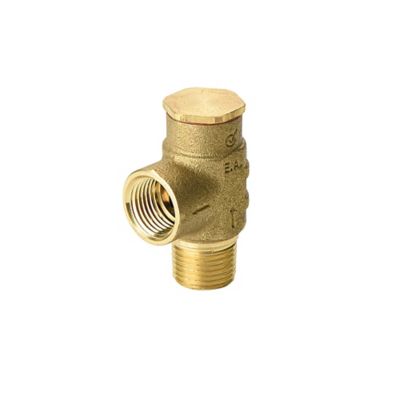
Safety valves help protect pressurized equipment by automatically releasing gas, steam, or liquid when pressure rises above a preset limit. Around a farm, workshop, or maintenance building, that protection matters wherever stored pressure supports the workday. An air compressor may power tools through an afternoon of repairs, while heating equipment keeps a work area comfortable during the cooler months. In either setting, the safety valve serves as a protective device, not an everyday pressure control. Under normal conditions, a closing force holds the valve’s disc against its seat. In a common spring-loaded design, pressure acting on the disc eventually overcomes the spring force, allowing the valve to open and discharge pressure. Once pressure falls sufficiently, the valve reseats. The difference between its opening pressure and reseating pressure is known as blowdown, and that behavior is part of matching a valve to its application. Although the terms often overlap in everyday conversation, safety valves, relief valves, and safety relief valves do not always operate the same way. A safety valve generally opens rapidly for compressible media such as air or steam. A relief valve generally opens more gradually as pressure increases in a liquid system. A safety relief valve can provide either response, depending on its design and the service for which it is rated. Those distinctions matter more than how closely two valves resemble each other on a shelf. A valve intended for compressed air is not automatically suitable for steam, water, fuel, or another medium. Whether the equipment sits beside a barn workbench or in a busy service shop, the right selection starts with the equipment manufacturer’s requirements and the valve’s documented ratings. It is a small component with a serious job: providing a designated pressure-release path when normal controls cannot keep pressure within the intended limits. That role makes application fit far more important than appearance, convenience, or choosing whatever happens to screw into the opening.
Shopping for safety valves means looking beyond connection size and the pressure number stamped on the body. Set pressure, usually expressed in pounds per square inch, or PSI, is the pressure at which the valve is designed to begin its specified opening action. It must meet the equipment’s requirements and applicable rules for protecting the system’s maximum allowable working pressure. A higher setting is not an upgrade, and changing the setting to stop a valve from opening can defeat the protection the equipment needs. Discharge capacity is just as important: the valve must be able to release enough of the operating medium to keep pressure within permitted limits under the conditions it is meant to address. That capacity depends on the medium and operating conditions, so a matching PSI rating alone does not establish compatibility. Connection type, thread standard, inlet size, outlet size, and installation orientation also deserve a close look. Two fittings can appear nearly identical while having different sealing requirements or thread forms. Body material, spring material, and seals must suit the operating medium, temperature range, and exposure to corrosion. Steam service, for instance, places different demands on materials than an ordinary compressed-air application. Where required, code markings, certifications, and documented capacity ratings help establish whether a valve meets the application’s specifications. Manufacturer documentation should also identify any restrictions involving discharge piping or backpressure, since the outlet arrangement can affect valve performance. Shoppers comparing nearby categories may also come across
Air Relief Valves; some air-release designs remove trapped air rather than provide overpressure protection, so the stated function deserves careful attention. The practical approach is to have the equipment model, operating medium, required set pressure, temperature limits, and connection details handy before selecting a replacement. An old valve’s markings can provide a starting point, but the equipment documentation is the better reference when a previous repair or an unreadable label leaves room for doubt.
Safety valves are practical purchases for farm owners, ranch hands, mechanics, maintenance crews, and property owners responsible for pressure-bearing equipment. They belong among the parts selected for a particular machine, rather than general-purpose supplies chosen on appearance alone. In a shop where the compressor cycles between tire work and tool work, a replacement valve needs to match the tank and compressor specifications, not simply the habits of the person operating it. The same care applies in agricultural buildings and other workspaces where pressure systems may run for long stretches with little attention. You can picture the setting: dust on the workbench, a hose looped beside the door, and a machine that everyone expects to be ready when chores need doing. A safety valve helps provide protection in that familiar setting, but it cannot compensate for a damaged pressure vessel, failed controls, or neglected maintenance. Repeated opening, persistent leakage, corrosion, or visible damage calls for evaluation rather than a plug, cap, or higher-pressure replacement. A valve that releases pressure may be responding to a system problem, and stopping the discharge without finding the cause can create a dangerous condition. Escaping steam, hot water, or compressed gas can also injure people nearby, which is why discharge routing and installation belong within the manufacturer’s requirements and applicable codes. During the cooler months, moisture, freezing conditions, and exposure around outbuildings may warrant extra attention where the equipment manufacturer identifies those risks. Inspection and testing intervals vary by valve and application; a test lever, if present, is not an invitation to operate it without the prescribed procedure. Qualified service is especially important when specifications are uncertain or equipment requires code-compliant installation and inspection. For purchasing decisions, clear ratings, compatible connections, suitable materials, and the required documentation offer a stronger basis than a close visual match. Choosing a safety valve with those details in hand helps keep pressure protection aligned with the equipment, whether the next job is a quick repair before feeding time or a full day’s work in the shop.