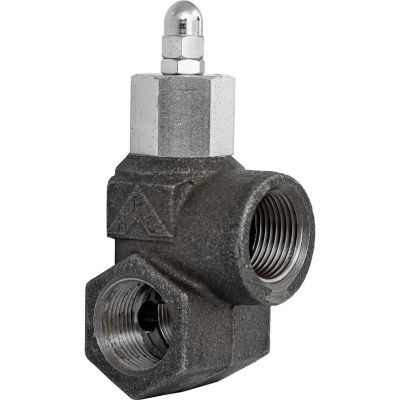
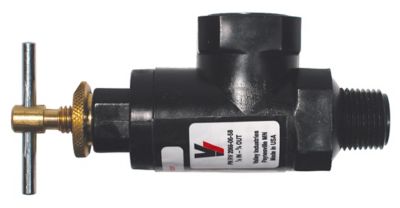
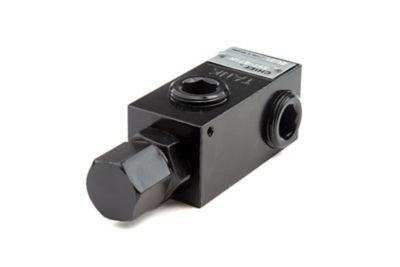
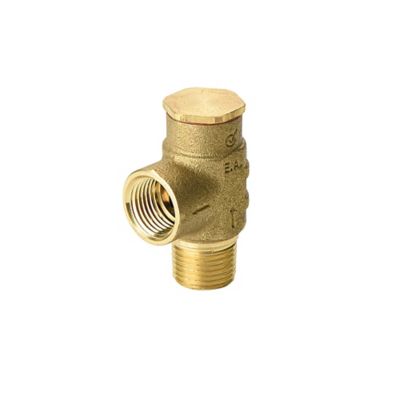
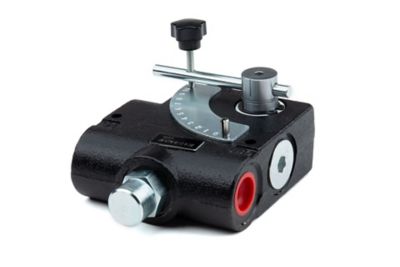
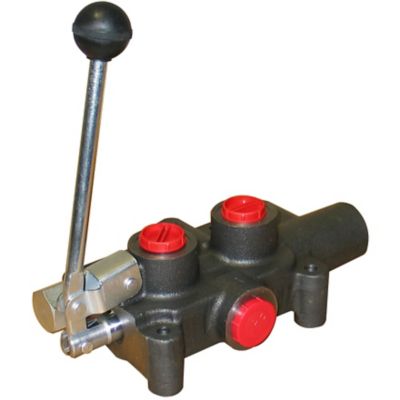
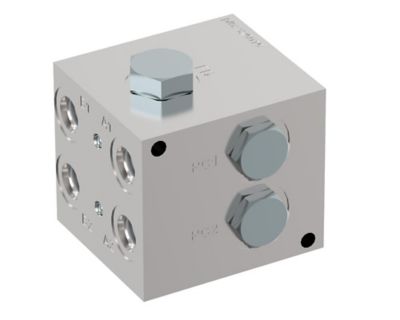
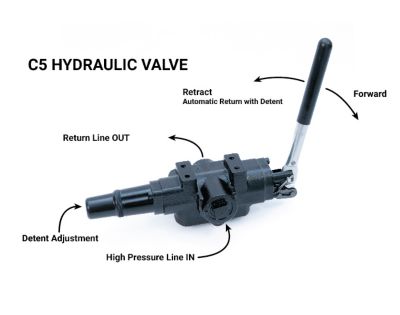
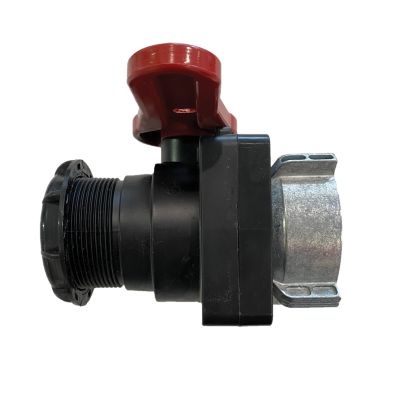
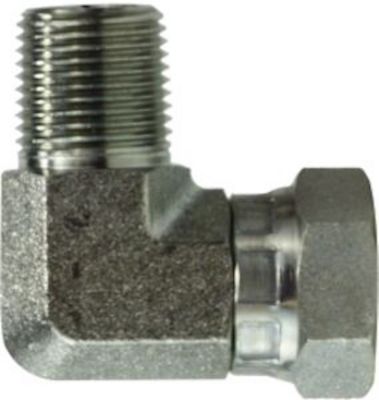
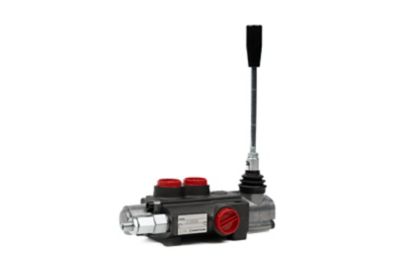
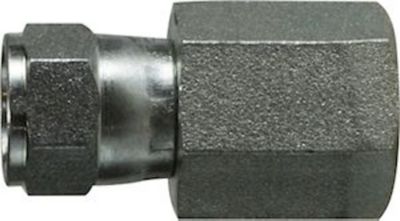
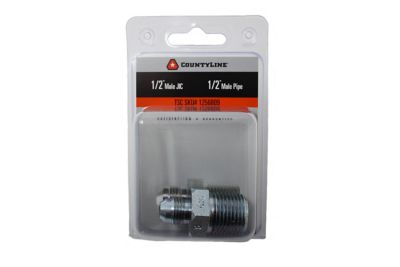
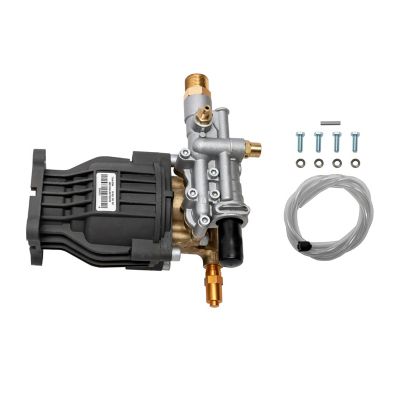
When it comes to keeping your hydraulic systems running safe and steady, nothing does the job quite like a dependable hydraulic relief valve. Folks working with tractors, log splitters, loaders, or any kind of heavy equipment know just how important it is to have solid hydraulic pressure relief in place—especially as the weather warms and the chores ramp up out in the fields or around the homestead. A hydraulic pressure relief valve acts like a trusty safety net, protecting your equipment from the kind of over-pressurization that can cause real headaches, from blown hoses to damaged pumps or even total system failure. Whether you’re running a small setup with a direct-acting valve for quick response, or you’re managing a larger operation where a pilot-operated valve handles high flow rates with pinpoint control, the right relief valve makes all the difference. Adjustable hydraulic pressure relief valves are especially handy for anyone who needs to fine-tune system pressure for different attachments or changing workloads—think switching from a post hole digger to a hay bale spear, or dialing things in for a new implement just added to the lineup.
Hydraulic relief valves aren’t just for the big rigs or commercial farms, either. Hobby farmers, ranchers, landscapers, and even folks maintaining a few acres of pasture all benefit from reliable hydraulic pressure relief. As summer rolls into fall and the work shifts from mowing and baling to prepping for cooler weather, having your system protected means less downtime and more peace of mind. These valves are a smart investment for anyone who values their time and equipment, and they make a thoughtful gift for the mechanically minded—maybe for that neighbor who’s always lending a hand, or the family member who’s forever tinkering in the shop. When you’re picking out a hydraulic relief valve, keep an eye on key factors like pressure range, flow capacity, and compatibility with your machine’s specs. It’s also wise to check for signs of wear or trouble, like noisy operation, slow actuators, or visible leaks around the valve body—those can be early warnings that it’s time for a replacement. Properly sized and maintained, these valves help keep everything running smooth, whether you’re stacking hay, grading a driveway, or fixing fence lines before the first frost hits.
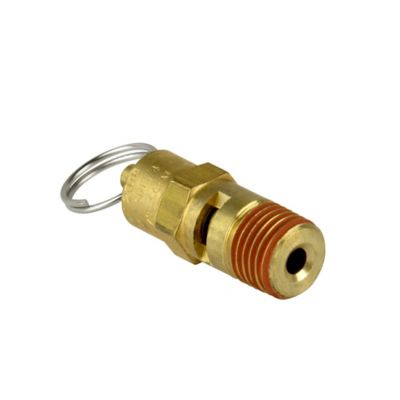
For folks running multiple systems, it’s worth knowing the difference between main system relief valves, work port relief valves, and crossover relief valves. Main system relief valves are usually installed right at the pump’s discharge or on the main manifold, setting the safe pressure for the whole hydraulic circuit. Work port relief valves are perfect for limiting force in specific parts of your equipment, like the cylinder on a front-end loader or the boom of a backhoe. Crossover relief valves help absorb pressure spikes and shocks, especially with reversible motors—think sudden stops or direction changes that can send a jolt through the lines. And if you’re looking to round out your pressure control setup, don’t forget about air relief valves, which help vent trapped air and keep your system working at its best. You can find more information on
Air Relief Valves to see how they fit into your operation. No matter what you’re running or how you use it, choosing the right hydraulic relief valve is key to protecting your investment, saving time, and making sure your equipment is ready for whatever the season brings.