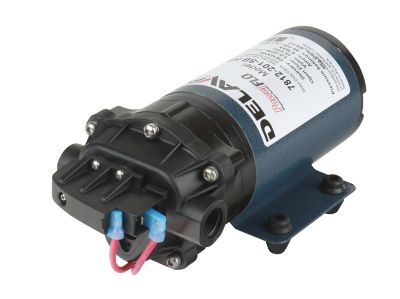
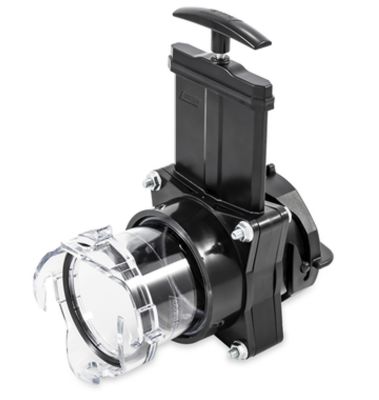
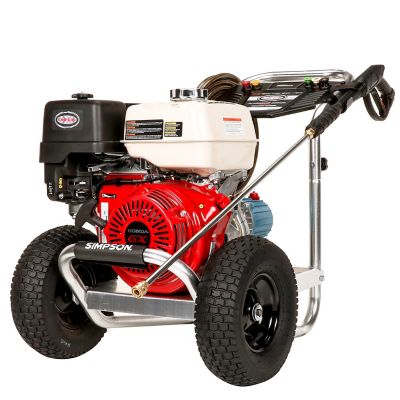
Pump valves are the small but hard-working parts that help a pumping system move water or other fluids in the right direction and at the right pressure. They can regulate flow, prevent backflow, maintain suction and help protect a pump from strain when the motor starts or stops. A valve that fits a well system may not be suitable for a sump pump, transfer pump, sprayer or compact personal-care pump, so matching the valve to the equipment is the first step toward a dependable repair. Look for the pump’s make, model and specifications, along with the valve size, connection style, material and intended fluid. The inside diameter matters just as much as the outside measurement; a valve that is too small can restrict flow, while a loose or mismatched connection may leak or allow air into the line. It also helps to consider the working pressure, temperature range and whether the valve will be exposed to grit, fertilizer, treated water or other demanding conditions. For related fittings and water-system parts, browse
Plumbing Valves. In a farm shop, barn, basement or utility room, keeping the right replacement valve on hand can save a lot of trouble when a system acts up during the cooler months. A sound valve helps a well pump hold prime, helps a sump system move water away from a foundation and helps other pumping equipment run without unnecessary cycling or pressure loss.
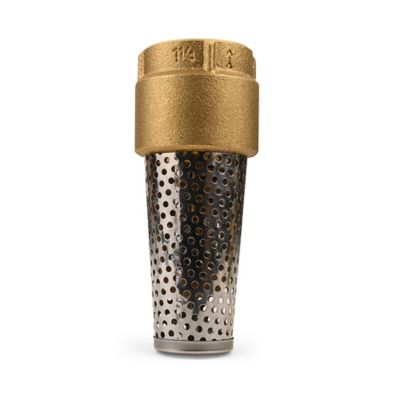
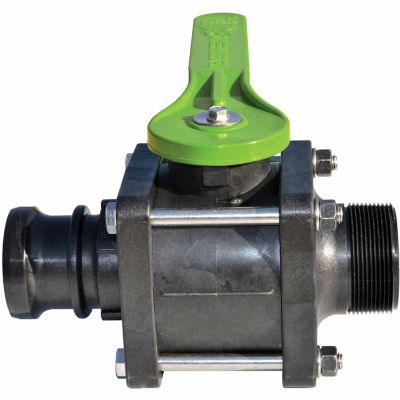
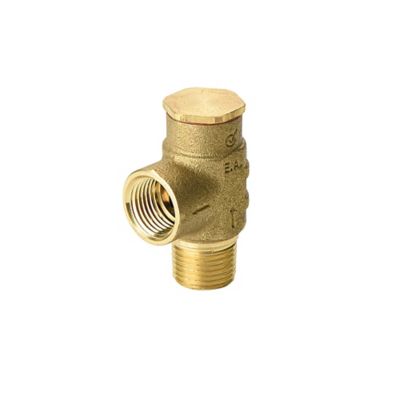
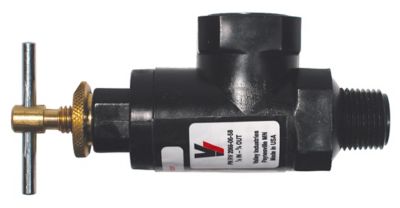
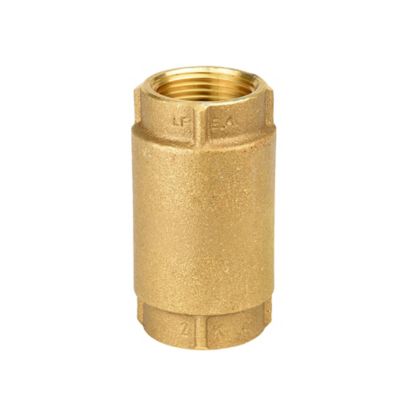
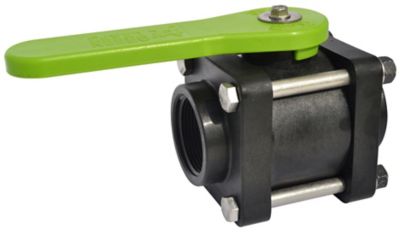
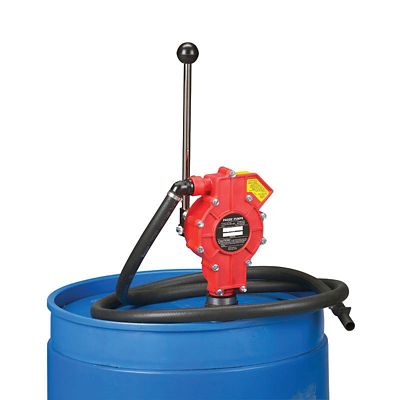
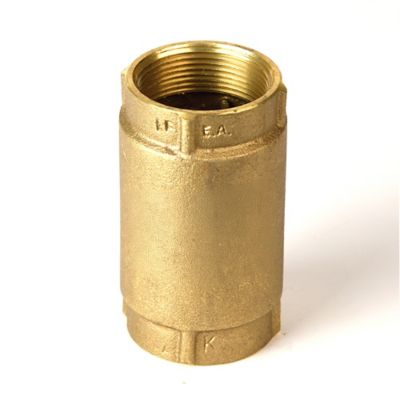
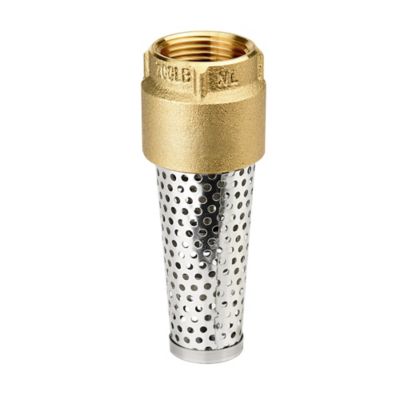
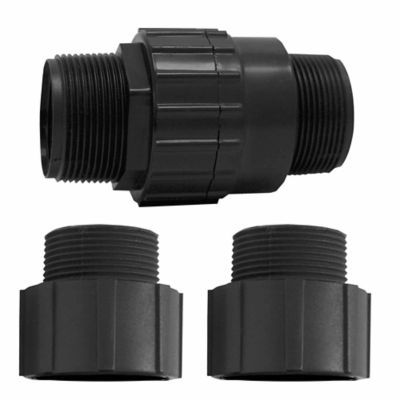
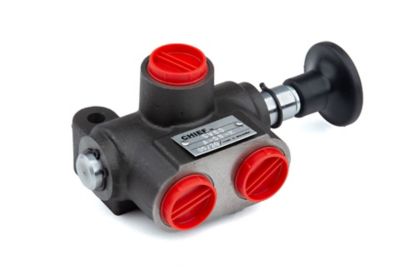
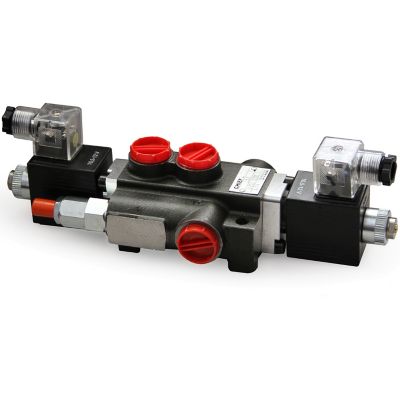
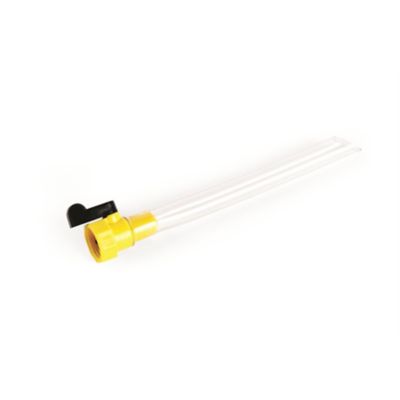
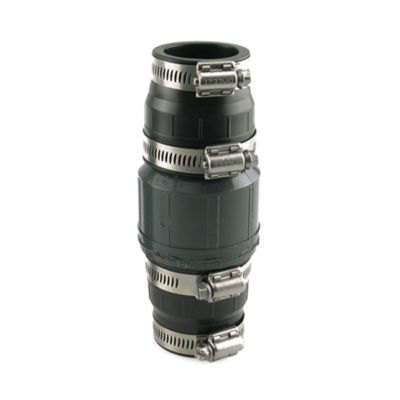
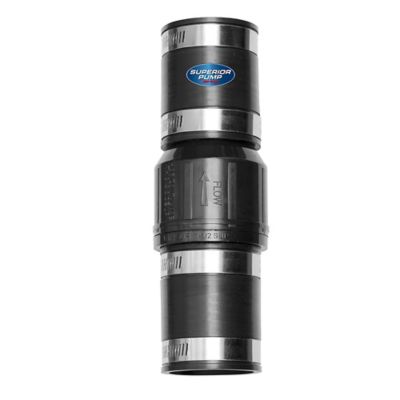
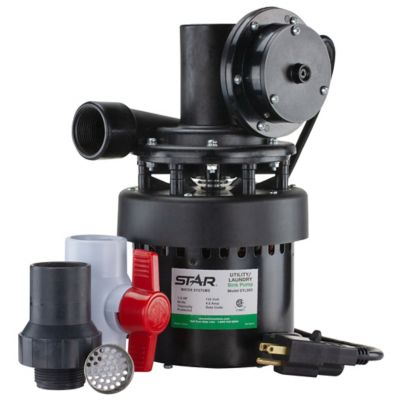
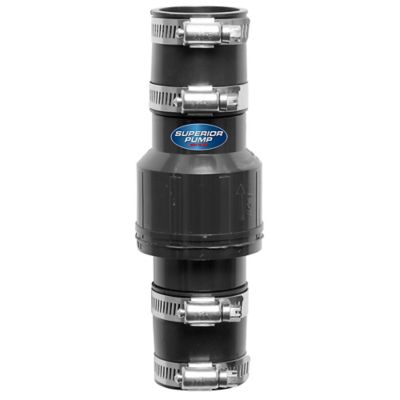
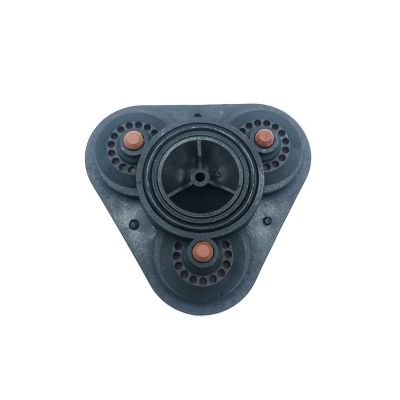
The most common types serve different jobs. Check valves allow fluid to travel in one direction and close when flow reverses, helping stop water from draining back through the line after the pump shuts off. Foot valves are a type of check valve installed at the lower end of a suction line, often below the water level, where they help keep the line full and the pump primed. Control valves manage how quickly a line opens or closes and can help reduce sudden pressure changes, surges and water hammer—the banging sound that may happen when moving water stops too quickly. Some compact pumps use flexible duckbill-style valves made with a soft membrane that opens under pressure and seals when the pressure changes, helping maintain steady suction. The correct style depends on the pump design and the direction, volume and pressure of the flow. A homeowner maintaining a private well may be looking for a valve that keeps water in the suction pipe between cycles. Someone caring for a basement may need a replacement part that works with a sump setup and its discharge line. Farmers, ranchers and hobby growers may use pump valves in watering, livestock water, spraying or transfer applications where a secure seal and reliable flow help keep chores moving. Before ordering, compare the old part with the equipment instructions, measure the connection carefully and check whether the valve is meant for suction, discharge or pressure control. Material is important, too. Durable plastic, rubber, silicone, brass or stainless components each have different strengths, and seals should be compatible with the fluid being pumped. If the part will sit outdoors, in a damp pit or near livestock, choose construction suited to moisture, dirt and repeated use rather than relying on appearance alone.
Loss of suction, weak pressure output or a pump that runs longer than usual can point to a worn, dirty or incorrectly installed valve. A system that cycles on and off without delivering water may have a leak, a blocked passage, a failing check valve or air entering the suction side. Loud banging when the pump stops can signal a rapid pressure change or a valve that is closing too abruptly. Before inspecting anything, shut off electrical power and relieve line pressure according to the equipment instructions. Check for visible cracks, a hardened or torn seal, mineral buildup, grit and debris that may keep the valve from closing completely. A valve that looks clean on the outside can still have a weak spring, damaged membrane or worn sealing surface inside. On a foot valve, sediment at the bottom of a tank, pond or well can prevent proper operation, while a small air leak at a threaded joint can cause a pump to lose prime even when no water is visibly dripping. Replace damaged parts with the correct size and service rating instead of forcing a near match into place. During seasonal maintenance, especially before freezing weather, inspect exposed lines, drain equipment as recommended and protect vulnerable plumbing from ice and impact. A little attention can help prevent a flooded basement, a dry-running pump or a stalled watering setup when dependable flow matters most. Whether the work is handled by a seasoned do-it-yourselfer, a property manager or a local plumber, the right pump valve provides a practical way to direct flow, maintain pressure and keep everyday water systems working as they should.