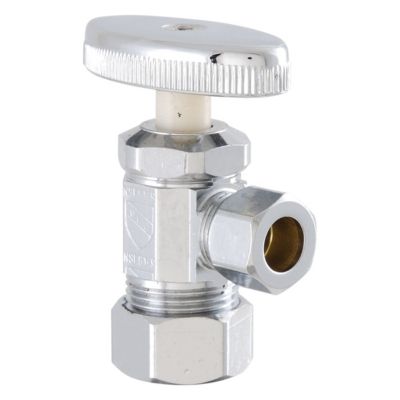
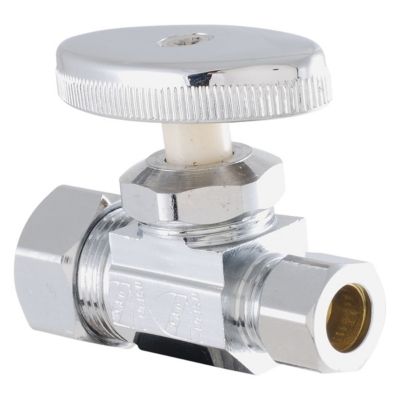
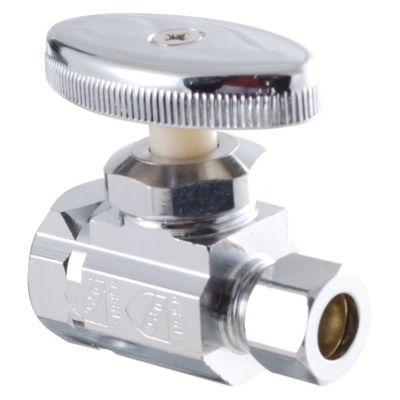
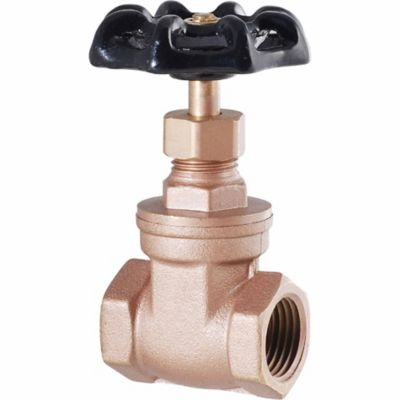
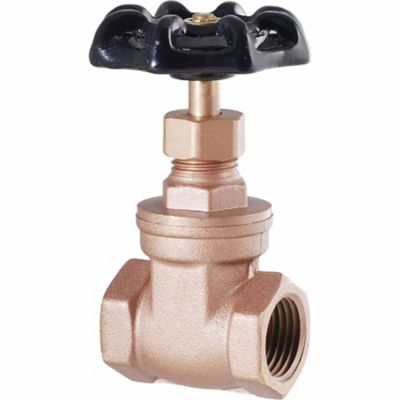
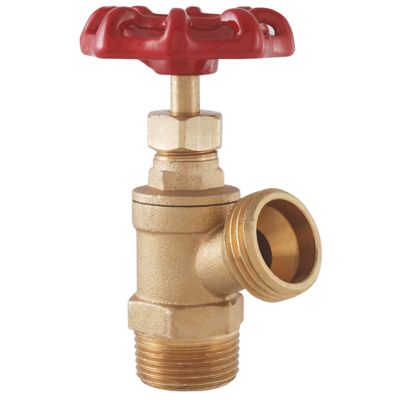
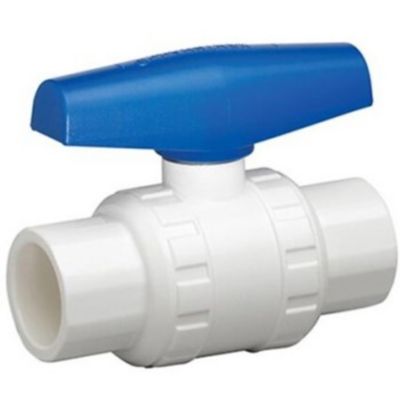
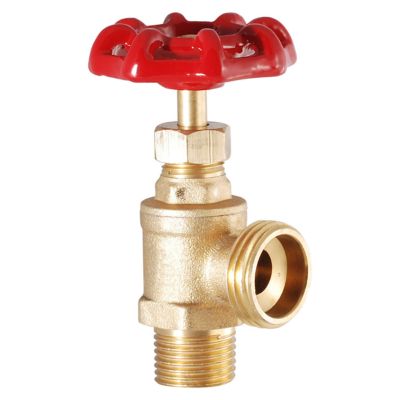
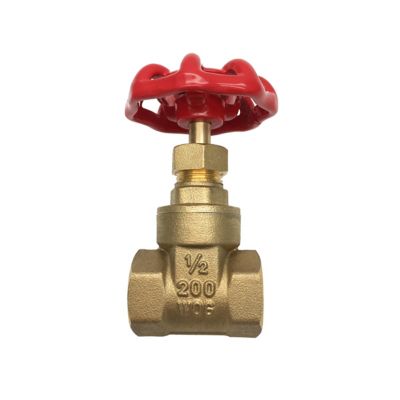
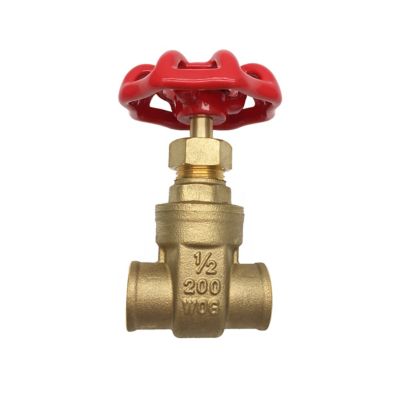
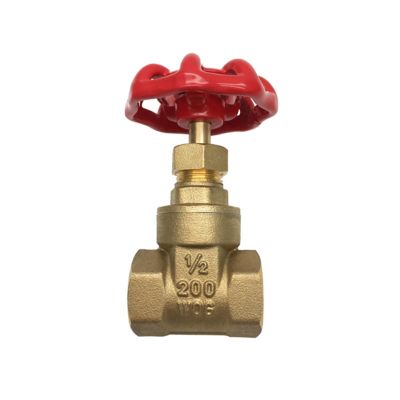
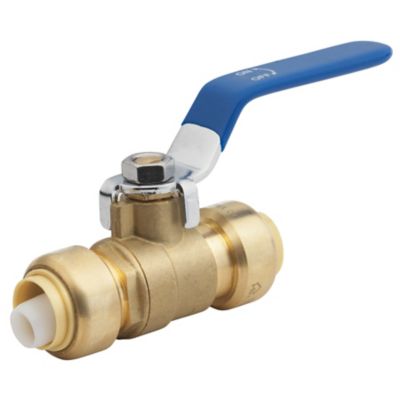
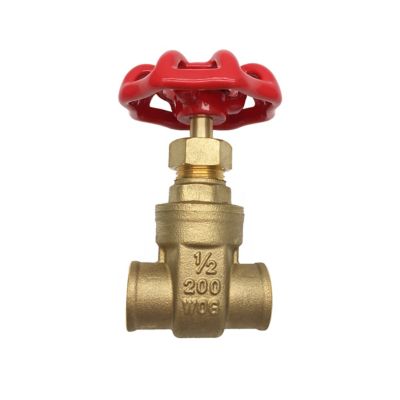
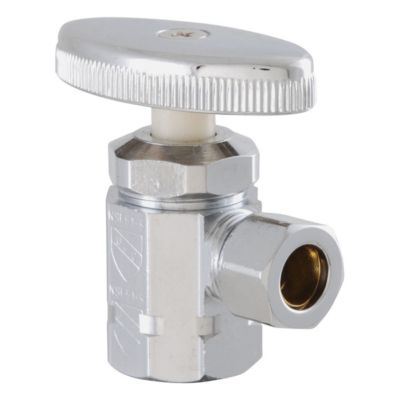
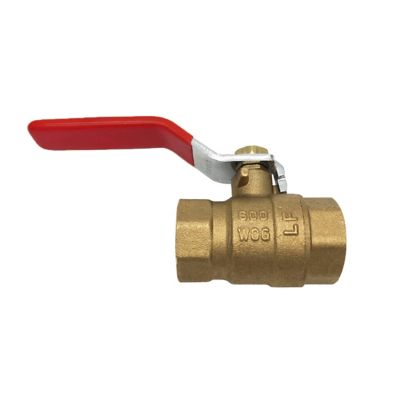
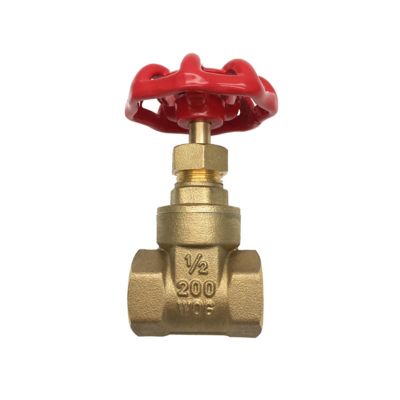
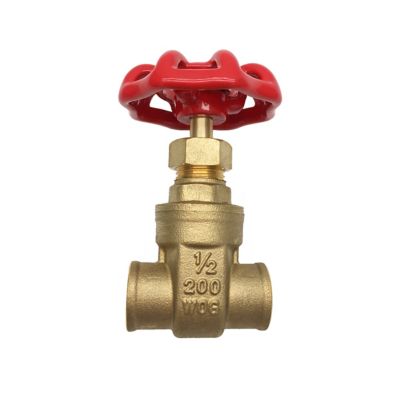
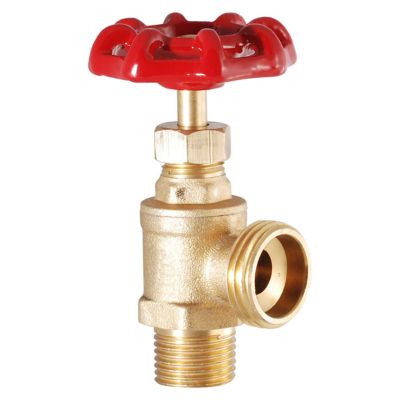
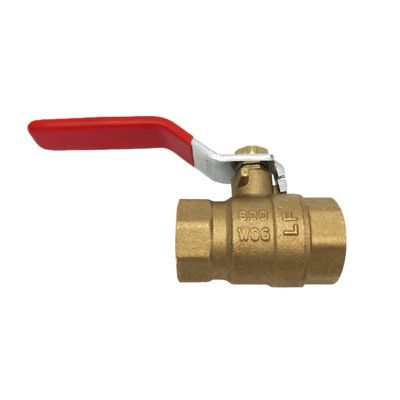
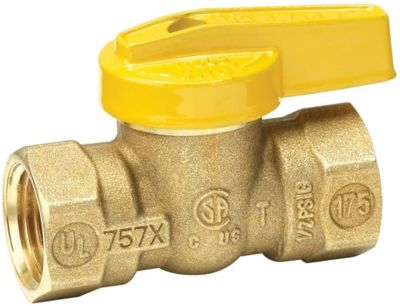
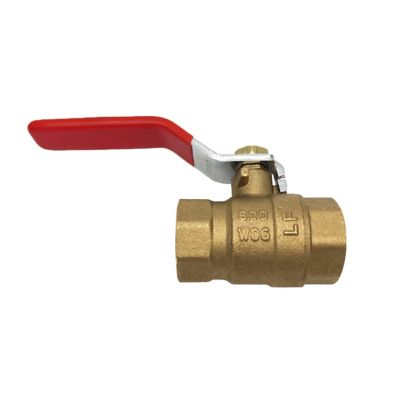
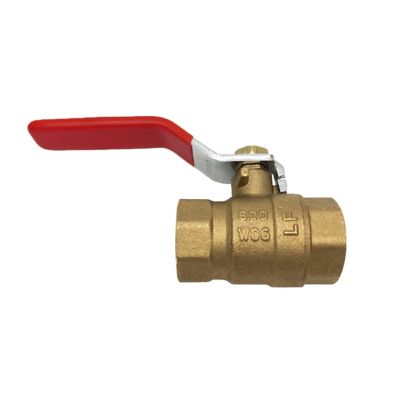
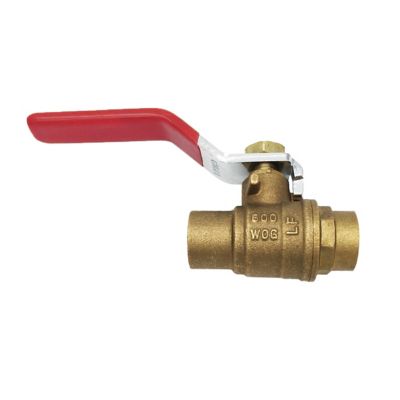
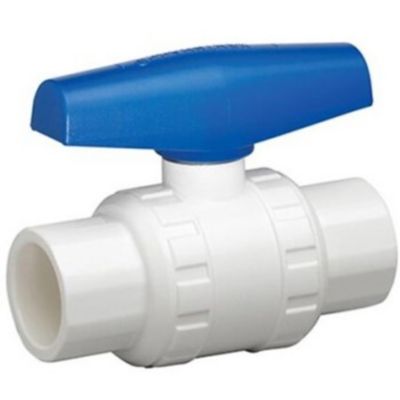
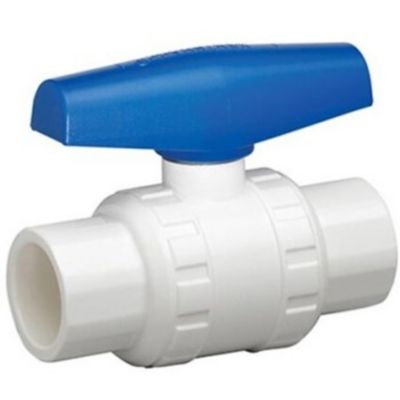
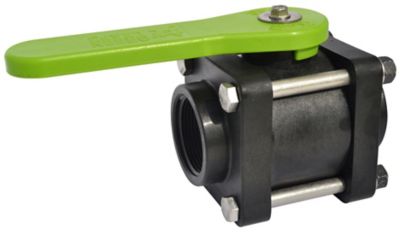
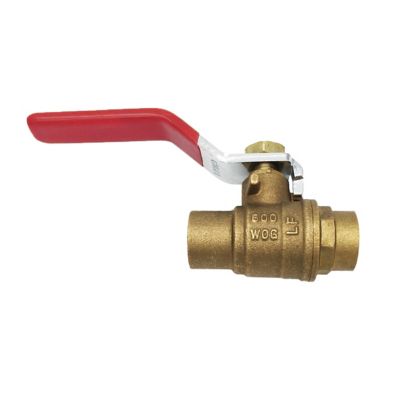
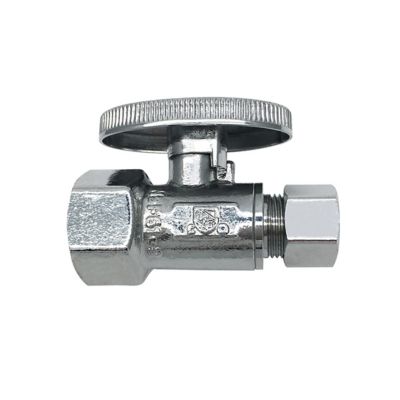
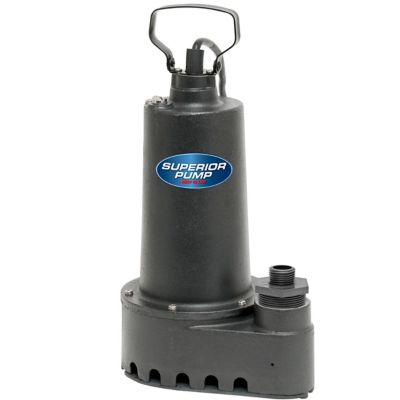
Plumbing valves are mechanical devices that control, regulate, or stop the flow of water and other fluids through a piping system. They help isolate sections of pipe for repairs, adjust flow to fixtures and equipment, and manage pressure where the system calls for it. Around a house, barn, workshop, or livestock watering setup, the right valve can make the difference between shutting down one connection and cutting off water across the property. A shutoff near a sink gives that fixture its own control point, while a valve on a branch line can separate an outbuilding from the main supply. Different valve designs handle different jobs. Ball valves typically open and close with a quarter turn, making them a straightforward choice for on-and-off control. A full-port ball valve has an opening close to the pipe’s inside diameter, helping limit flow restriction when fully open. Gate valves open by lifting an internal gate and generally belong in fully open or fully closed service rather than frequent flow adjustment. Globe valves have an internal design suited to throttling, while angle stops turn the water path and commonly serve individual fixtures. Check valves allow flow in one direction and help prevent reverse flow, but they are not a substitute for every code-required backflow prevention device. Pressure-reducing valves lower incoming pressure to a suitable downstream level; pressure-relief valves perform a different job by opening when pressure reaches a set limit. Those distinctions matter whether the work involves a utility sink, a pump discharge line, or a water connection serving a stock tank. Homeowners, plumbers, maintenance crews, farmers, and property managers all have reasons to keep water control close to the equipment or fixture it serves. A valve matched to its intended function helps make routine upkeep less disruptive and gives each part of the system a clear purpose.
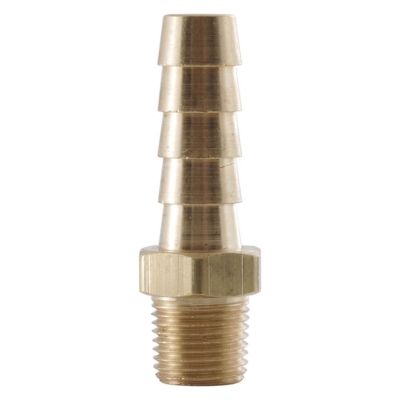
Material, connection style, and size all affect how a plumbing valve fits into an existing line. Brass, bronze, stainless steel, PVC, and CPVC each have their own applications, and the right choice depends on the fluid, pipe material, operating conditions, and manufacturer’s ratings. Metal construction alone does not establish suitability for drinking water; potable-water applications call for valves that meet the applicable requirements, including lead-content limits. Plastic valves also need ratings suited to the service, and PVC and CPVC are not interchangeable simply because two parts look similar. Seal and seat materials matter, too, especially where a line carries something other than clean water. A valve intended for a household supply line may not suit fuel, compressed air, fertilizer solutions, or other fluids around a farm or shop. Connection details deserve just as much attention as the valve body. Threaded, solder, compression, push-to-connect, and solvent-weld connections each pair with particular piping systems and installation methods. Nominal pipe size does not always match a measurement taken across the outside of a pipe, and tubing connections may follow a different sizing convention. Thread type and connection gender also need to match; two ends that appear close in size do not necessarily belong together. Compatible
Plumbing Fittings help connect valves to changes in pipe direction, size, or material without putting unnecessary strain on the assembly. Clearance is another practical consideration. A handle needs enough room to complete its travel, a valve body needs support rather than leverage from a long pipe run, and serviceable parts need space for future attention. In a crowded sink cabinet or along a barn wall, those small fit details can determine whether a shutoff is easy to reach or awkward to operate. Matching the connection and leaving working room supports a sound installation without forcing parts into place.
Long service life starts with matching the valve to the work it will do, not just finding an end connection that fits. Pressure ratings, flow capacity, installation direction, and any mounting restrictions help define where a valve belongs. Directional valves often carry an arrow on the body, and some check-valve designs depend on a particular orientation to function as intended. On a well-fed property, the relationship among the pump, pressure tank, controls, and valves deserves attention as a complete system. At an individual fixture, handle access and the ability to isolate only that fixture may be the bigger concerns. A clearly identified shutoff near a laundry area, shop sink, or animal watering line can save a lot of walking back and forth when a connection needs attention. Everyday care is mostly about noticing changes before they become a bigger interruption: moisture around a stem, mineral buildup at a joint, a handle that grows harder to turn, or water that keeps passing through a closed valve can all point to a need for service. Forcing a stiff handle can damage internal parts or stress the connected pipe, and tightening a connection is not the answer to every leak. Sediment and mineral deposits can interfere with sealing surfaces, so water conditions and the valve’s service requirements matter over time. Repairable designs may allow replacement of certain internal components, while other designs call for replacement of the whole valve. Accessible placement makes either task less of a chore. Safety devices and drinking-water protection equipment also have specific inspection and replacement requirements that should not be treated like ordinary shutoff maintenance. For work involving a main supply, concealed piping, pressure controls, or required backflow protection, a licensed plumber can help match the installation to local rules and the system’s needs. Well-matched plumbing valves put control where it belongs, from a single faucet connection to the lines that keep a busy property running.