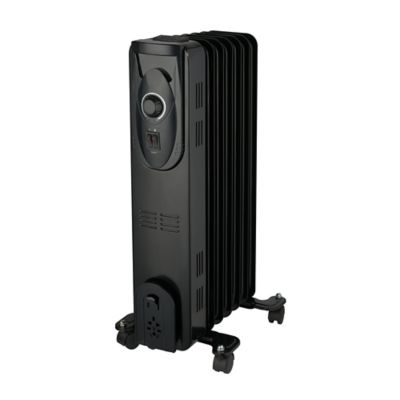
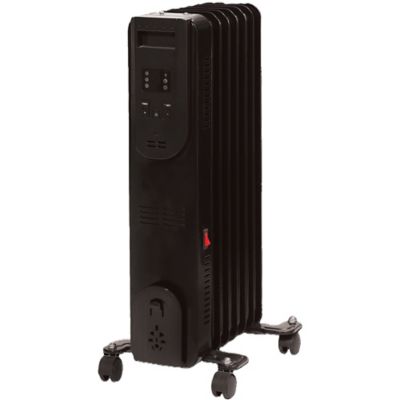
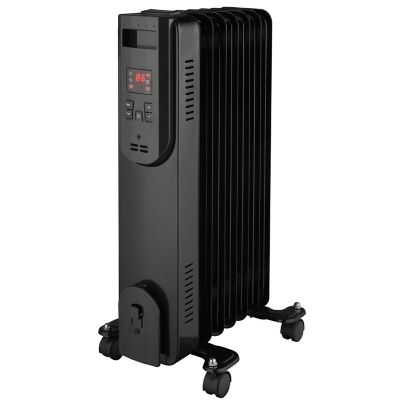
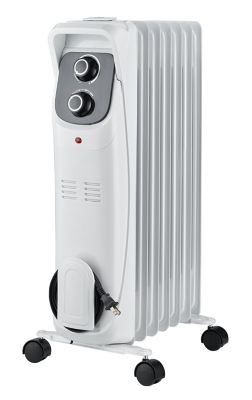
Oil radiators are electric space heaters built for steady, comfortable warmth in rooms that feel chilly during the cooler months. Inside the sealed metal housing, an electric heating element warms a special oil that stays inside the unit and is not burned, used up or replaced. That heated oil transfers warmth to the radiator’s metal fins, which then release heat into the surrounding room through gentle convection and radiant warmth. Because there is no fan blowing across the room, an oil radiator runs quietly—a handy feature for bedrooms, nurseries, home offices, reading corners and any other space where the hum of a fan can get on your nerves. The heat also tends to feel even and less drafty than the quick blast from a forced-air heater. It does not add moisture to the air, but it also does not blow air around, which many folks prefer when they are trying to keep dust and bedding from stirring. Oil radiators usually take a little longer to warm up than fan-forced heaters, so they work best when started before a room becomes cold rather than waiting until the chill has settled into the floorboards. Once warmed, the oil helps the unit continue giving off heat for a while after the heating element cycles off, helping maintain a more consistent room temperature. For a farmhouse office, enclosed porch, workshop corner or guest room that needs supplemental heat—not whole-home heating—an oil radiator can be a dependable choice. Browse
Portable Radiators to compare convenient heating options for spaces that need a little extra comfort.
When choosing an oil radiator, start with the room where it will be used and pay attention to the heater’s wattage, dimensions and recommended coverage rather than choosing by appearance alone. A larger, drafty room with high ceilings may need more heating capacity than a small, well-insulated bedroom, while a compact unit can be easier to place beside a desk or in a spare room. Adjustable thermostat controls are useful for maintaining a set level of warmth instead of running the heater at full power all day. Multiple heat settings can help you take the edge off a cool morning, then lower the output once the room is comfortable. A timer, digital controls or a remote may be helpful in a bedroom or office, while simple dial controls are easy to see and use in a barn office, mudroom or workshop. Look for sturdy construction, stable feet, a long enough power cord for safe placement and built-in safety features such as overheat protection and tip-over shutoff. Oil radiators are generally heavier and bulkier than small fan heaters because the oil-filled body stores heat, so consider whether the unit will stay in one place or be moved between rooms. Caster wheels or a built-in carry handle can make repositioning easier, but let the heater cool before moving it and lift it carefully when needed. Good build quality matters, too. The heating oil is sealed inside for the life of the unit, and a properly made radiator should not need oil added or changed. Inspect the housing and cord before use, and do not operate a unit that is cracked, damaged or leaking.
Safe placement makes just as much difference as the heater itself. Set an oil radiator upright on a solid, level floor where it cannot be easily bumped, and keep curtains, bedding, clothing, paper, furniture and other flammable materials well away from the heating surfaces. Never drape laundry over the radiator or use it as a drying rack. Keep children and pets from leaning against it, and remember that the metal fins can become hot even though the unit heats more gently than a glowing element. Follow the clearance requirements and other instructions supplied with the heater, plug it directly into a properly rated wall outlet unless the manufacturer specifically says otherwise, and avoid overloading an outlet with other high-wattage equipment. An oil radiator can be useful for folks who work from home in a cold office, hunters getting ready in an early-morning cabin, guests settling into a chilly spare room or anyone trying to warm one occupied space without turning up the heat throughout the entire house. It can also make a thoughtful practical gift for a college student in a drafty apartment, a family preparing a nursery or a relative who spends long hours in a garage office or sewing room. Before buying, measure the available floor space, check the electrical requirements and think about how often the heater will be moved. With sensible placement and regular inspection, an oil radiator can provide quiet, lingering warmth from early fall through the colder stretch of the season, helping make everyday rooms feel more comfortable when the weather turns crisp.