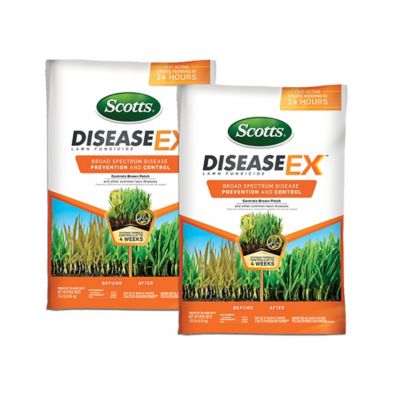
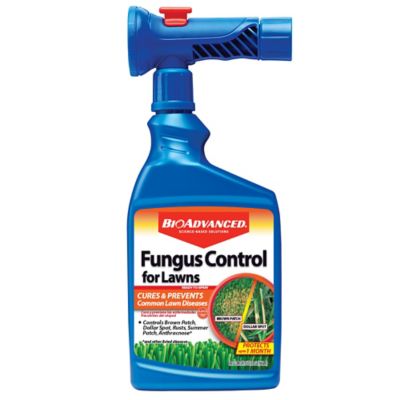
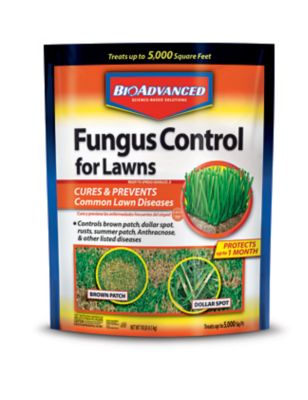
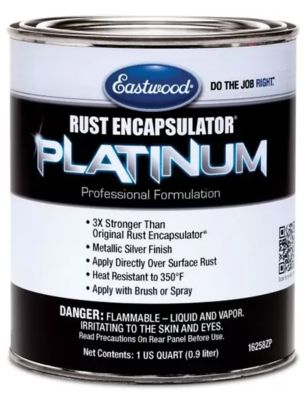
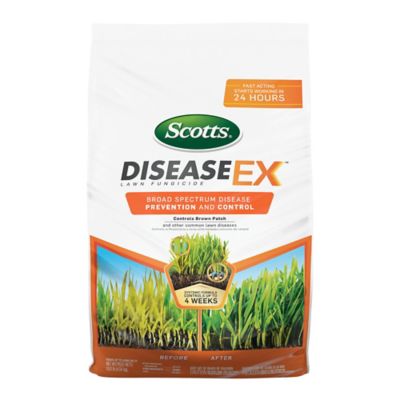
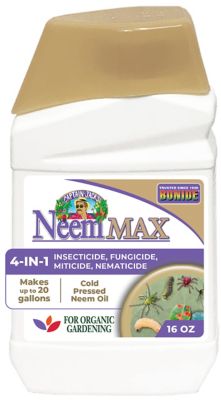
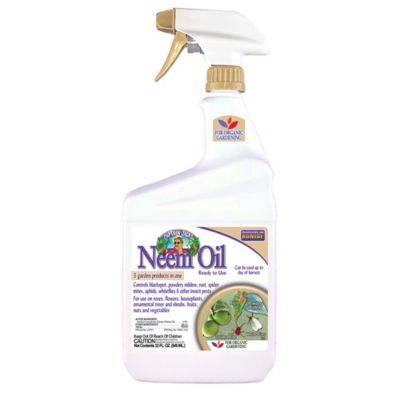
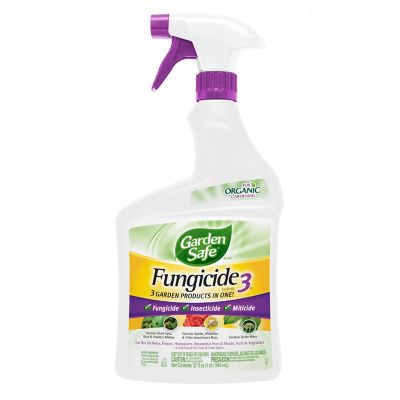
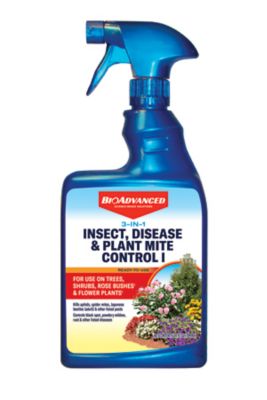
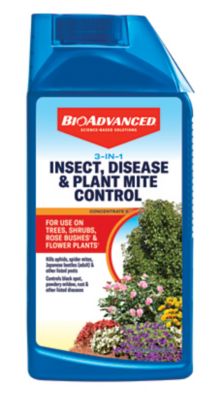
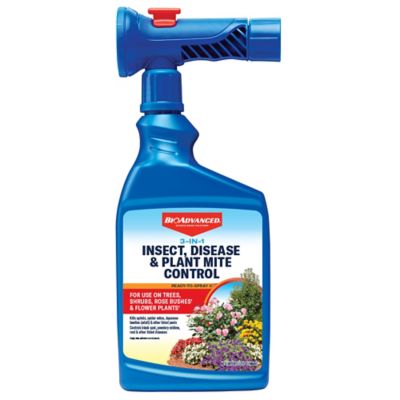
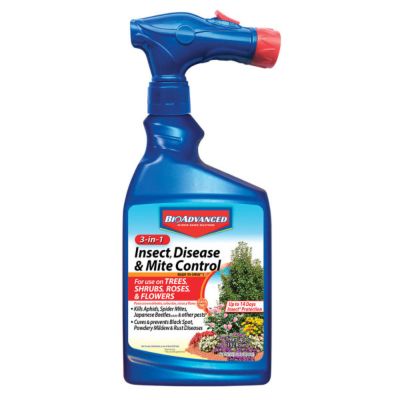
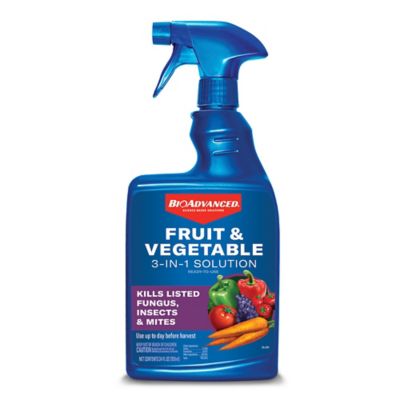
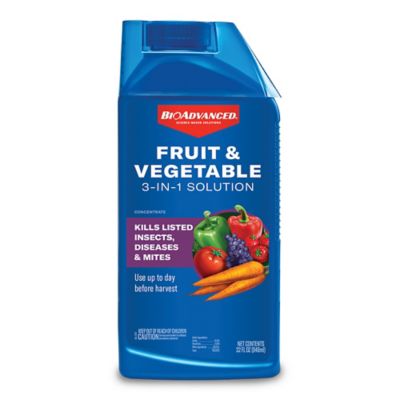
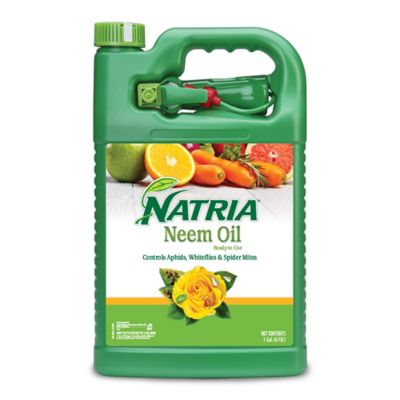
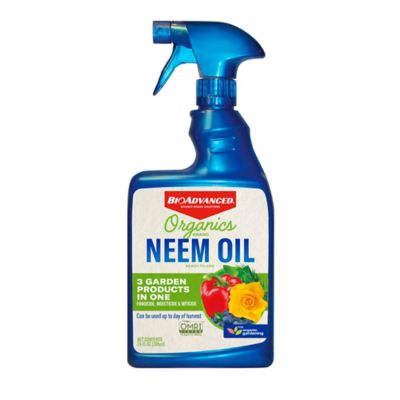
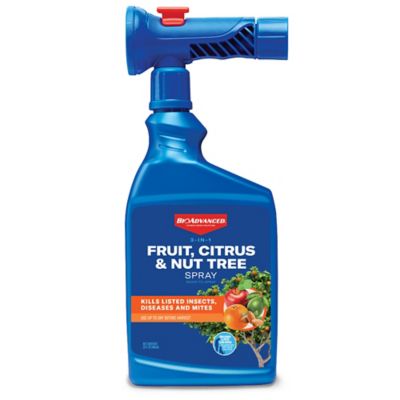
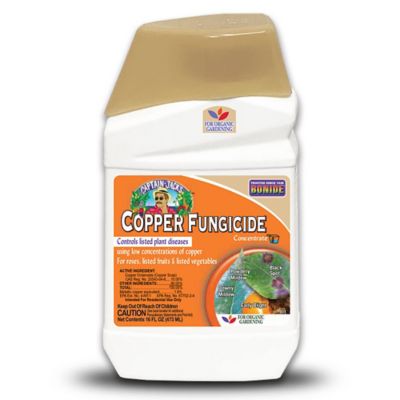
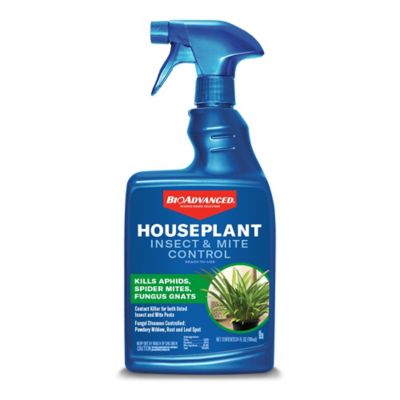
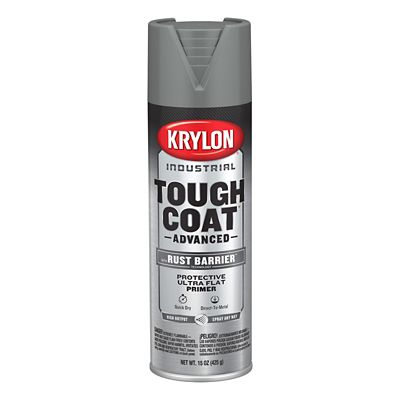
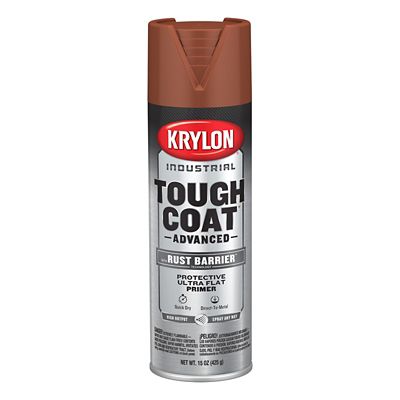
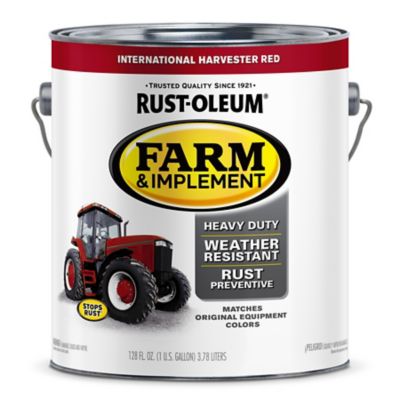
When it comes to keeping your garden, yard, or farmstead looking its best through the changing seasons, rust can be a stubborn foe. Rust fungus shows up as powdery orange, yellow, or brown spots on leaves and stems, and it doesn’t take long for it to spread if the weather’s been damp or humid. Folks who grow roses, daylilies, snapdragons, or fruit trees know the frustration of seeing those telltale speckles pop up overnight. Even lawns and ornamental shrubs can fall victim when the conditions are right. That’s why having the right rust fungicides on hand can make all the difference, whether you’re tending a backyard veggie patch, a row of prized perennials, or a few acres of pasture. These products come in a range of options, from easy-to-use sprays to dusts and granules, so you can match your approach to the size and style of your growing space. Some folks prefer organic solutions like copper or sulfur-based fungicides, which are great for prevention and early treatment, especially around edible crops and areas where pets and livestock roam. Others reach for systemic chemical fungicides when a serious outbreak threatens established ornamentals or turf, as these can move through the plant to stop the disease in its tracks.
Choosing the right rust fungicide often comes down to what you’re growing, how severe the problem is, and your own comfort level with different types of products. If you’re managing a vegetable garden or fruit trees, organic choices like neem oil, copper, or sulfur are popular for their safety and effectiveness, especially when applied regularly as a preventative measure. For lawns or ornamental beds where rust has already taken hold, a systemic fungicide can offer both curative and preventative benefits, soaking into the plant to tackle the fungus from the inside out. Folks who keep chickens or other animals nearby tend to look for products that are safe for use around livestock, and it’s always smart to read the label for application instructions and any waiting periods before harvesting. Rust fungicides also make thoughtful gifts for gardeners, homesteaders, or anyone who takes pride in a healthy landscape—especially as the weather warms and plant care becomes top priority. If you know someone who loves to spend their weekends in the garden, a well-chosen fungicide, maybe paired with a mite spray or some sturdy gloves, is a practical addition to their tool shed.
Getting ahead of rust means more than just spraying; it’s about good habits, too. Watering early in the day and aiming for the base of plants helps keep leaves dry, making it harder for fungus to get a foothold. Pruning for better airflow and removing infected leaves (bagging them up instead of tossing them in the compost) are simple but effective steps. Whether you’re working a small backyard or a sprawling field, having a trusted rust fungicide nearby can save you time and heartache later in the season. And if you’re dealing with lawn rust or other turf diseases, check out our
Fungus Control For Lawns page for more solutions tailored to keeping your grass green and healthy. No matter what you’re growing, a little prevention and the right products go a long way toward keeping your plants looking their best from early summer through the cooler months ahead.