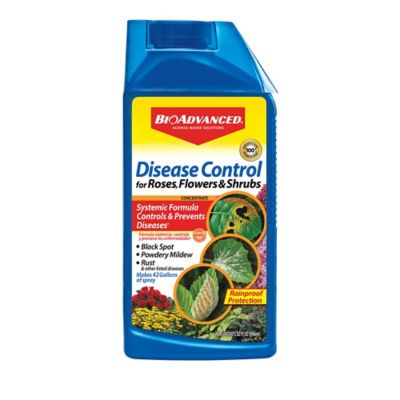
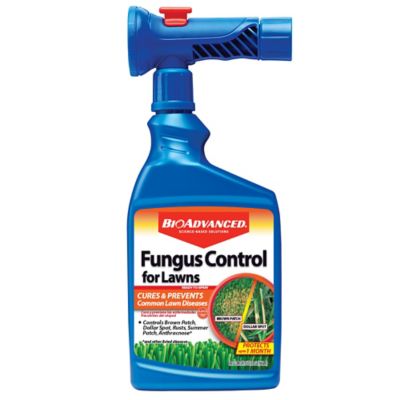
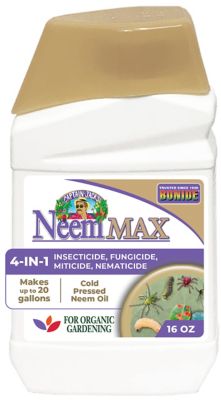
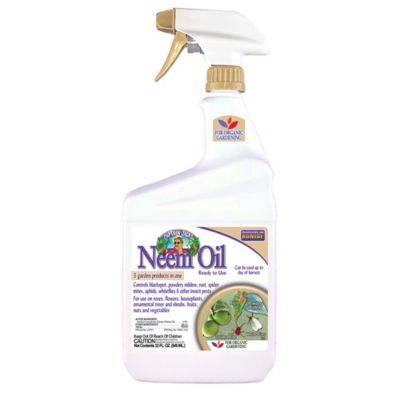
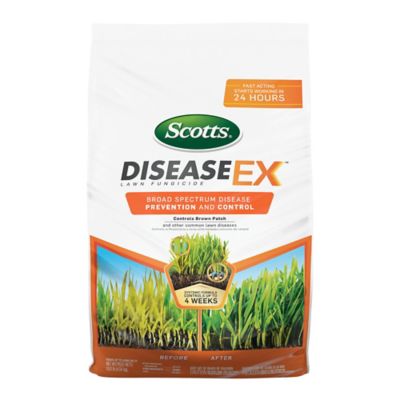
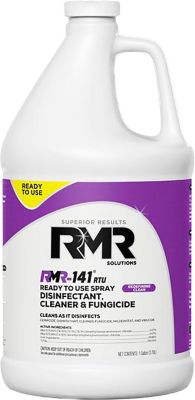
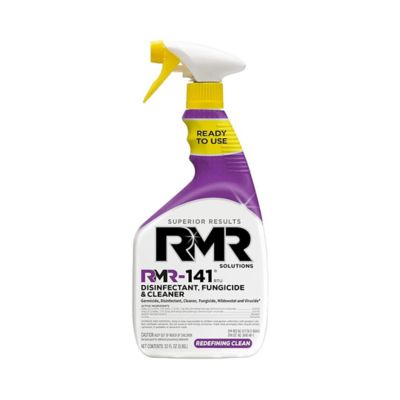
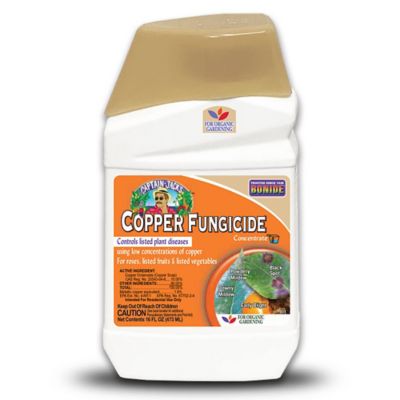
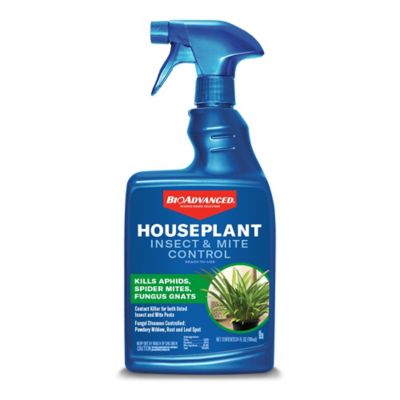
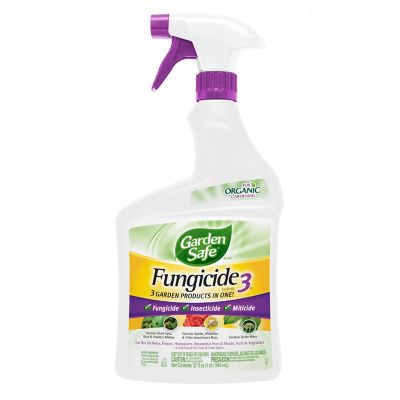
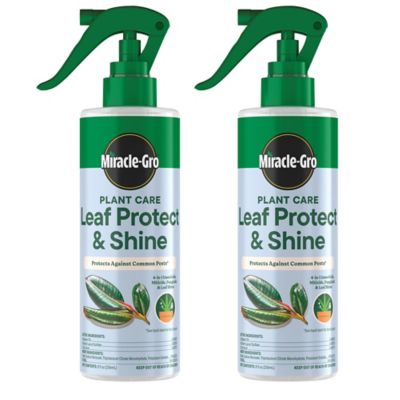
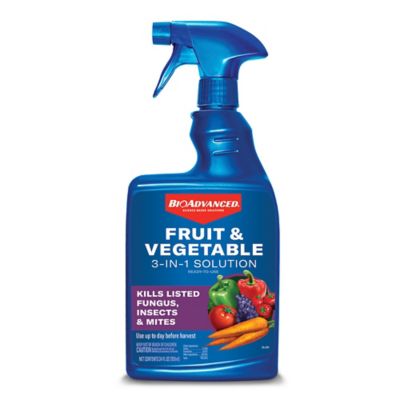
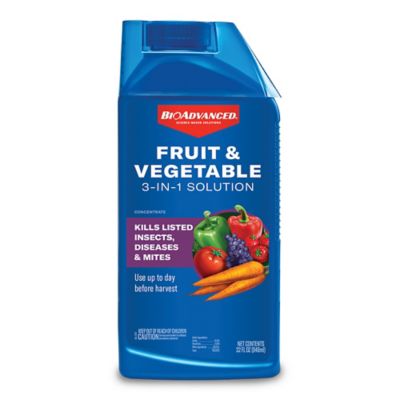
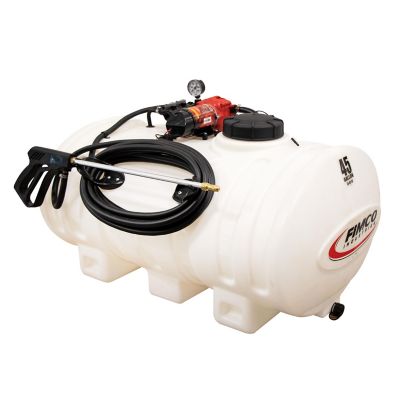
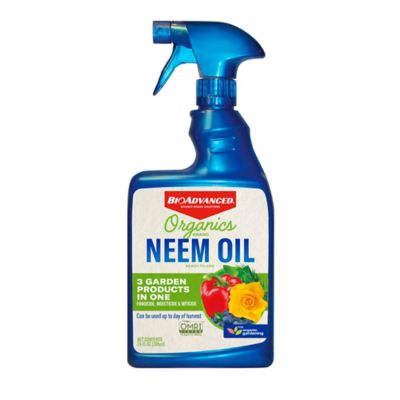
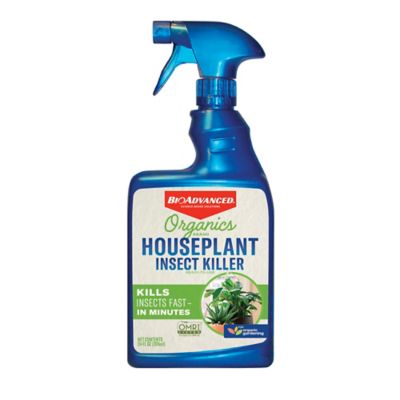
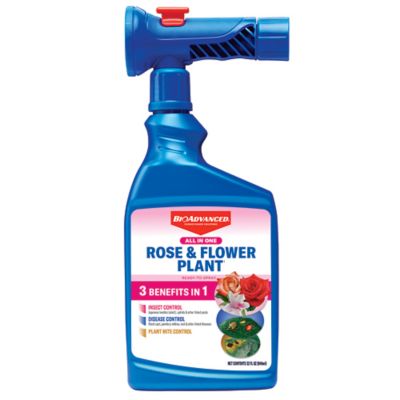
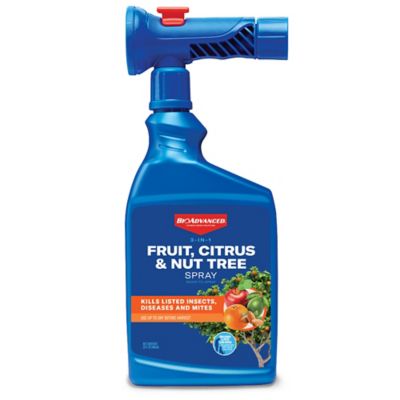
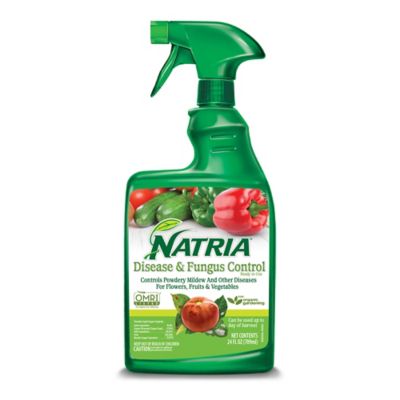
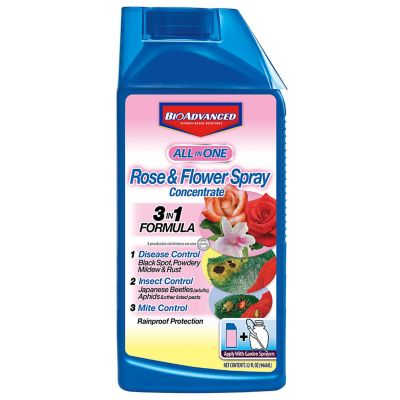
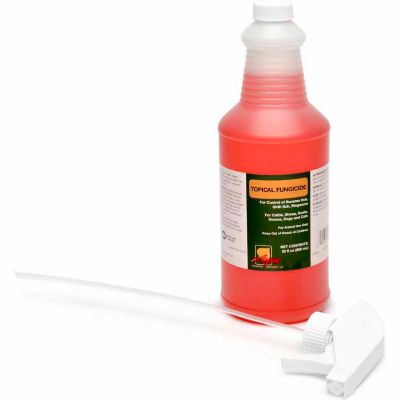
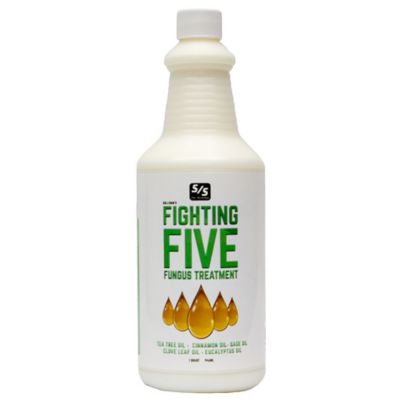
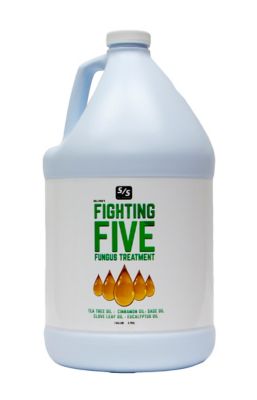
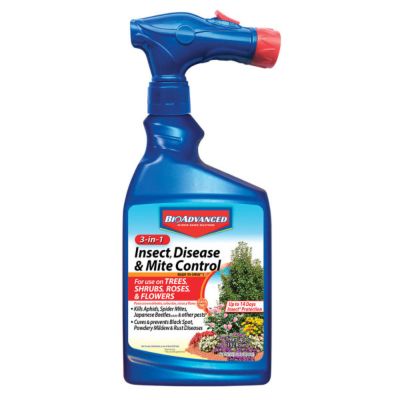
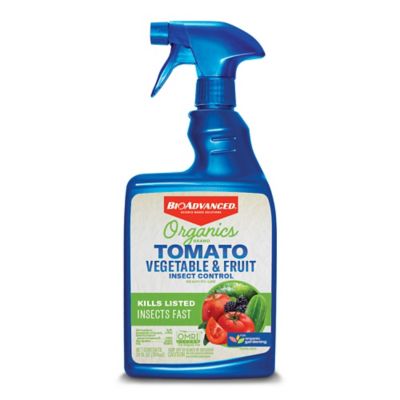
When it comes to keeping your garden, orchard, or yard looking its best, fungicide sprays are a real lifesaver for folks dealing with stubborn plant diseases. Whether you’re tending to a backyard vegetable patch, a few fruit trees, or a whole row of roses along the fence, fungal issues like powdery mildew, black spot, and rust can sneak up fast, especially as the weather shifts from warm days to cooler nights. Fungicide sprays come in handy for all kinds of growers—home gardeners, hobby farmers, and even folks just wanting to keep their lawn and landscape plants healthy. These sprays work by either preventing fungal spores from taking hold or knocking out problems that have already started. You’ll find options that suit just about every need, from organic choices safe for edible crops and sensitive environments, to more heavy-duty formulas that can cover large lawns or ornamental trees. Some sprays are made to be gentle enough for use right up until harvest, while others are designed to stick around longer, even after a good rain. If you’ve ever watched a prized tomato plant wilt under a sudden blight or seen your favorite rosebush lose its leaves to black spot, you know how important it is to have the right treatment on hand.
Choosing the right fungicide spray depends on what you’re growing and what kind of trouble you’re seeing. For folks who like to keep things natural, there are plenty of organic and copper-based sprays that work well on vegetables, fruit trees, and flowers. These are a solid pick for anyone who wants to stay on the safe side with edibles, or for those with pets and kids running around the yard. If you’re battling issues in the lawn or with larger trees and shrubs, systemic sprays are a good bet—they get absorbed into the plant, offering longer-lasting protection that doesn’t wash off with every rainstorm. No matter what you choose, it’s important to coat the whole plant, especially the undersides of leaves and any new growth, since that’s where fungus likes to hide out. Most folks find the best results by spraying early in the morning or late in the evening, when the sun isn’t too harsh and the wind is calm. Regular reapplication, especially after heavy rain or when the weather’s been humid, keeps things in check. Fungicide sprays also make a thoughtful gift for anyone who loves to garden—maybe your neighbor who’s always sharing fresh zucchini, or a family member who takes pride in their flower beds. And if you’re looking to tackle a wider range of garden pests along with fungal problems, be sure to check out our selection of
Pest Control Sprays for even more ways to protect your plants and keep your outdoor spaces thriving.
There’s nothing quite like seeing your hard work pay off with a healthy harvest or a yard full of blooms, and staying ahead of plant diseases is a big part of that. With the right fungicide spray, you can protect everything from tomatoes and squash to maples and magnolias, giving your plants a fighting chance against whatever the season brings. Whether you’re a seasoned grower or just getting started, having a bottle or two of fungicide spray in the shed can make all the difference when trouble shows up. From the first signs of trouble in the spring, through the heat of summer, and into the cool, damp days of fall, these sprays help keep your plants looking their best. So, as you plan for the months ahead, make sure you’re ready to handle whatever nature throws your way and enjoy the peace of mind that comes with a healthy, thriving garden.