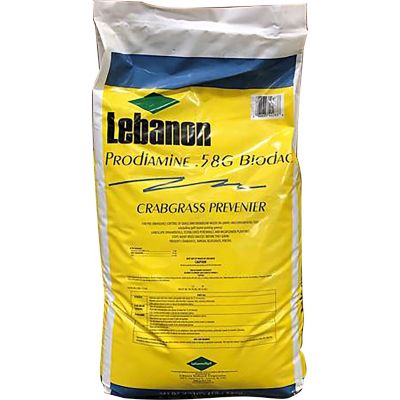
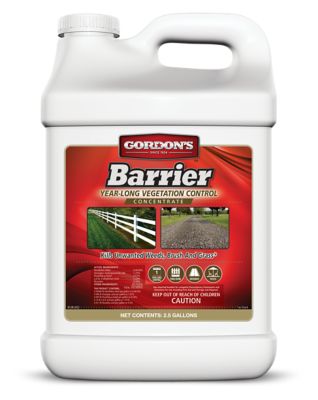
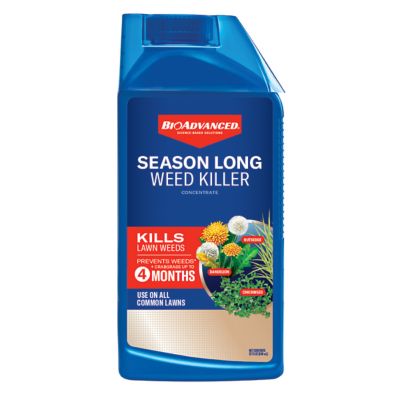
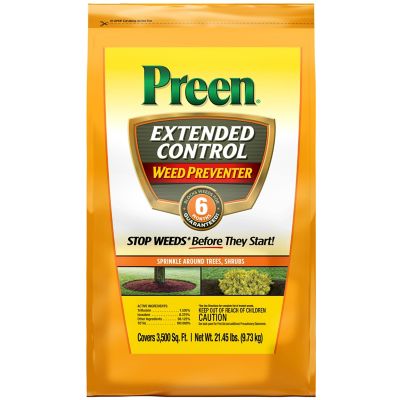
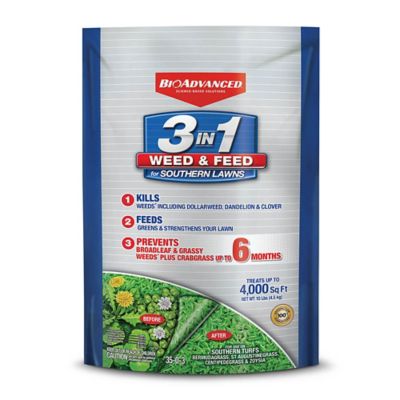
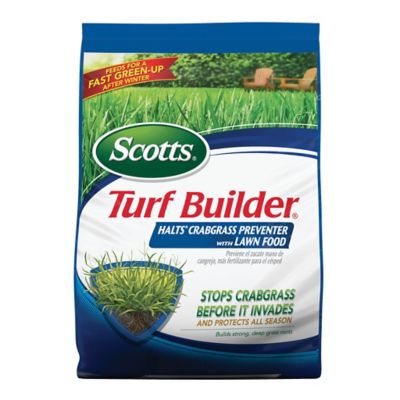
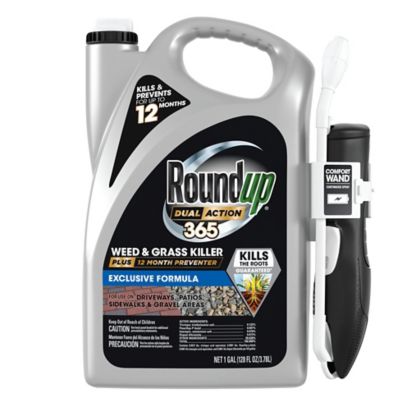
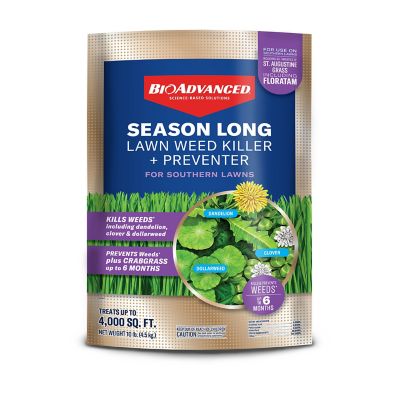
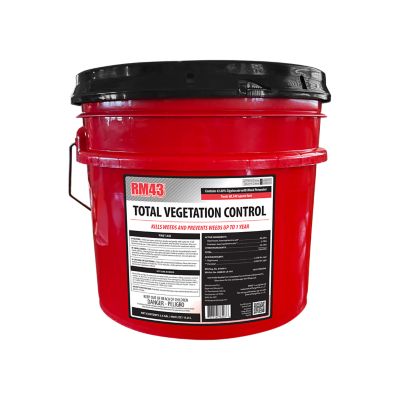
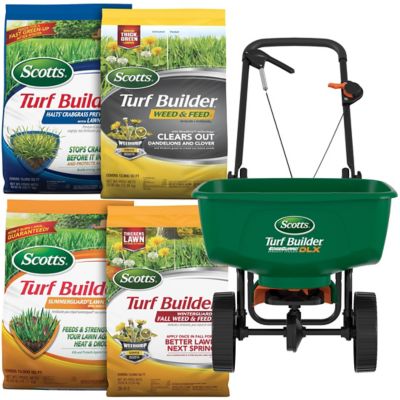
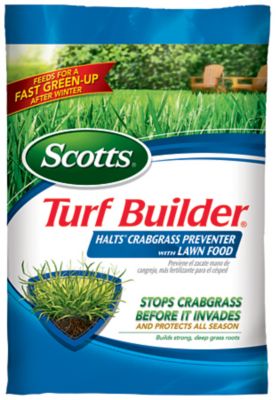
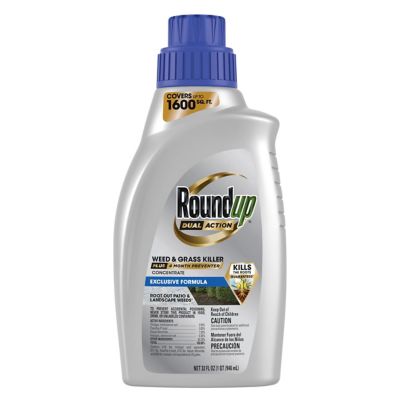
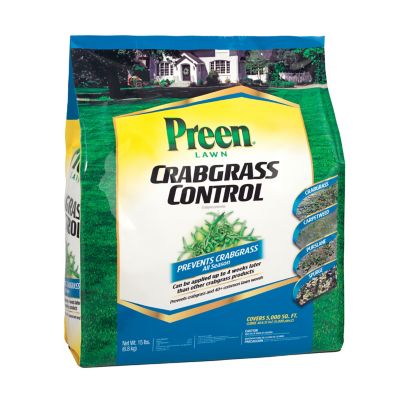
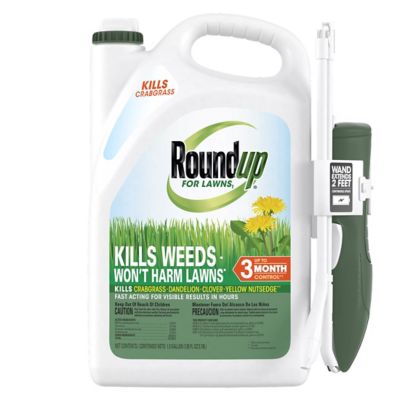
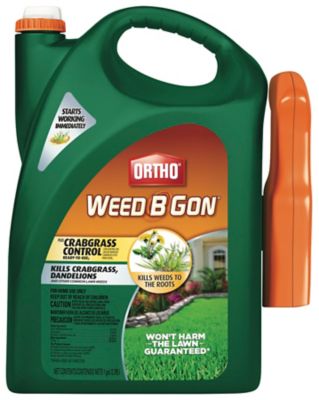
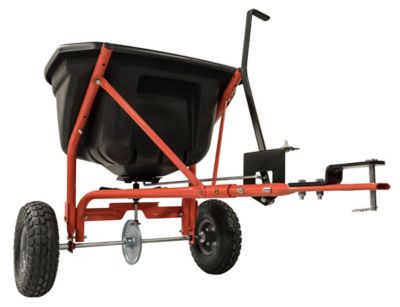
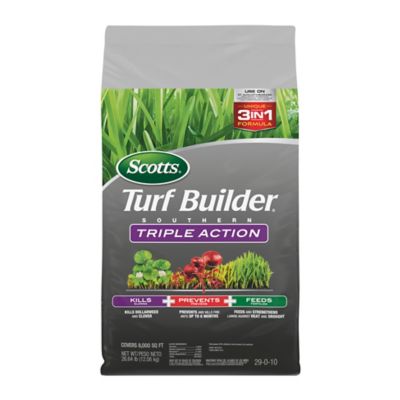
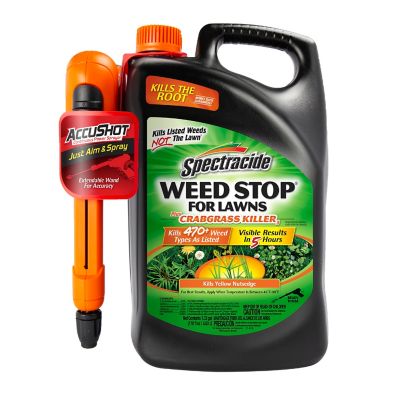
Farm pre-emergent herbicides help keep fields, pastures, food plots, garden areas and other managed ground cleaner by stopping many weed seeds before they sprout. Instead of working like a treatment for tall, green weeds, these products form a treated layer in the soil that interferes with the development of new weed roots and shoots. That makes timing especially important. Pre-emergent herbicides work best when applied before the target weeds germinate, while the soil is prepared and free of established weeds. They will not reliably control weeds that are already growing, and they generally will not remove mature plants that have already rooted into the ground. For that reason, walk the area first and deal with visible weeds by pulling, mowing, cultivation or an appropriate post-emergent treatment before applying a pre-emergent product. This two-step approach can make a noticeable difference around field edges, under fences, along farm lanes and in other places where windblown seed seems to collect year after year. During the cooler months, many landowners are preparing for winter weeds, while others are getting fields and planting areas ready for the next growing season. Applying before the weeds’ usual germination window gives the product a better chance to create an even barrier. In general, winter annual weeds are addressed in late summer or early fall, while warm-season weeds such as crabgrass are commonly prevented before soil temperatures rise in late winter or spring. Local weather, soil temperature, rainfall and the weed species in your area all affect the best timing, so the product label should be the final word for when and where to apply.
Choosing a farm pre-emergent herbicide starts with identifying the ground being treated and the weeds you want to prevent. A product suitable for a turf area may not be labeled for pasture, cropland, hay ground, a vegetable garden, a wildlife food plot or bare soil around farm buildings. Check the label for approved crops, grasses, application sites, target weeds, rate ranges and restrictions involving livestock, grazing, haying or planting intervals. Some formulas are designed for longer residual control, while others are selected for particular weed problems or for use alongside an established weed-management program. Residual activity may last roughly two to six months, though the actual period depends on the active ingredient, application rate, soil type, moisture, temperature, sunlight, weed pressure and the condition of the site. A heavy clay soil, sandy ground, high organic matter or frequent rainfall can change how a product behaves. The label will also explain whether the treatment can be used around desirable trees, ornamentals, forage grasses or newly seeded areas. This is important on a working farm, where a careless application can affect the very grass, crop or garden plants you are trying to protect. Keep spray away from ponds, ditches, wells and drainage areas unless the label specifically allows the use, and take extra care on slopes where runoff is possible. Before mixing or applying, wear the personal protective equipment listed on the label, use clean and properly calibrated equipment, keep children and animals out of the treated area as directed, and store any remaining product securely in its original container. Never pour leftover spray into a ditch or drain. A simple notebook with the date, field, product, rate, weather and treated acreage can be handy for tracking what worked and planning the next application.
Pre-emergent herbicides need moisture to become active in the soil. Rain or irrigation commonly moves the treatment into place, often with about one-quarter to one-half inch of water within a few days, although the required timing and amount vary by label. If the ground stays dry after application, the barrier may not develop as intended; if a hard rain follows immediately, runoff and uneven coverage may become concerns. Apply to a clean, reasonably even surface and avoid overlapping passes, skips and windy conditions. Good coverage matters along fence rows, gate entrances and field borders, where weeds often gain a foothold and spread seed into cleaner areas. These products are also only one part of a sound weed-control plan. Rotating crops, mowing before seed heads mature, maintaining healthy forage, cleaning equipment between fields and keeping bare soil covered can all reduce future weed pressure. Farmers, ranchers, acreage owners, food-plot managers and anyone caring for a large rural property may use these products to spend less time chasing weeds once the growing season gets underway. They can be especially useful for someone taking on an overgrown farm lane, renovating a planting area or trying to keep a fence line from turning into a tangle of annual weeds. For smaller lawn areas and home landscapes, see
Pre Emergent Herbicides for Lawns. No matter the setting, read the entire label before purchase and again before use, confirm that the application fits the site and intended crop or grass, and follow all directions for mixing, reentry, disposal and harvest. With the right timing and careful application, a pre-emergent treatment can help keep fresh weed seedlings from taking hold while leaving you more time for the work that matters most around the farm.