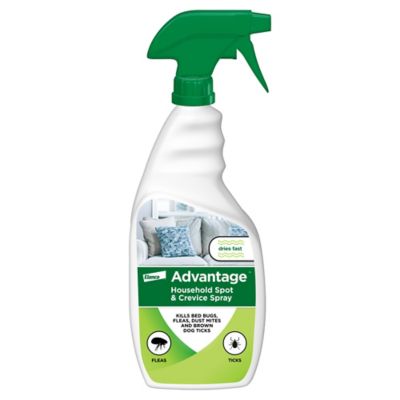
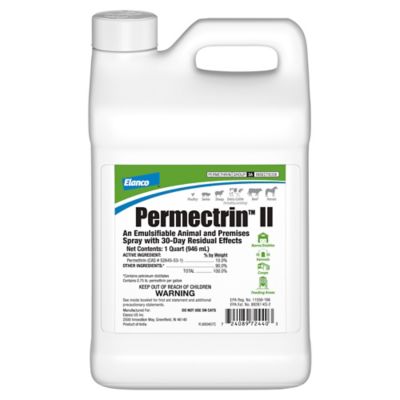
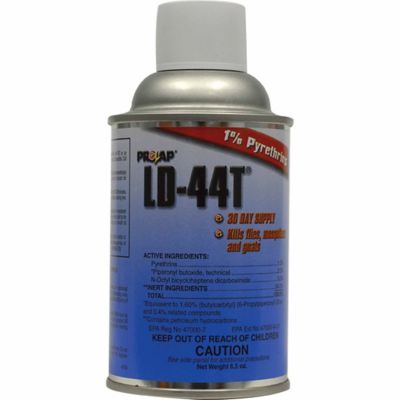
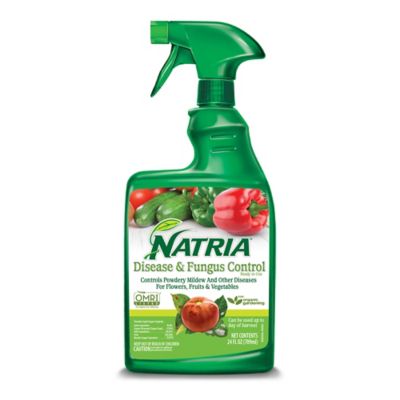
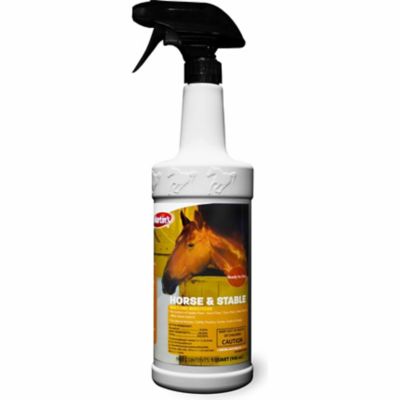
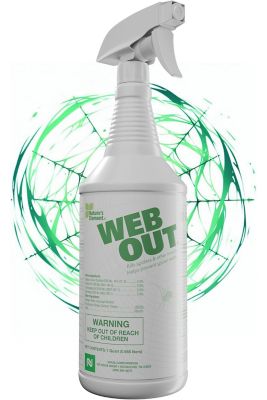
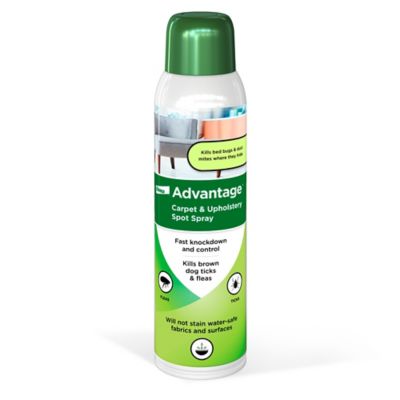
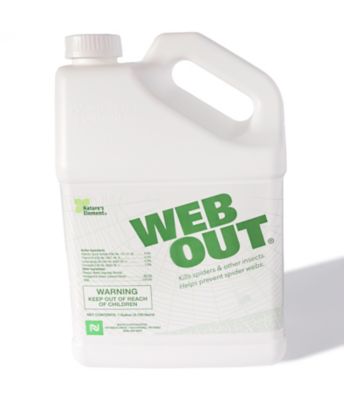
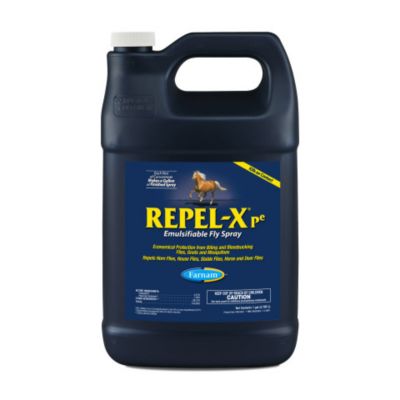
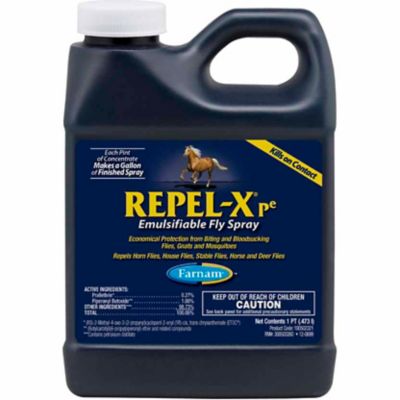
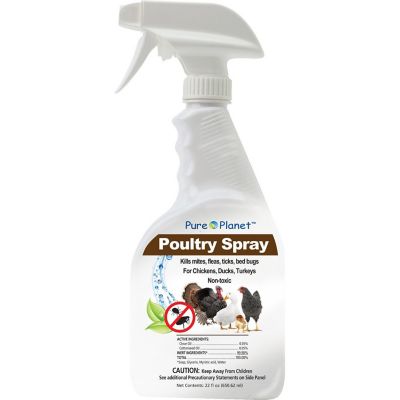
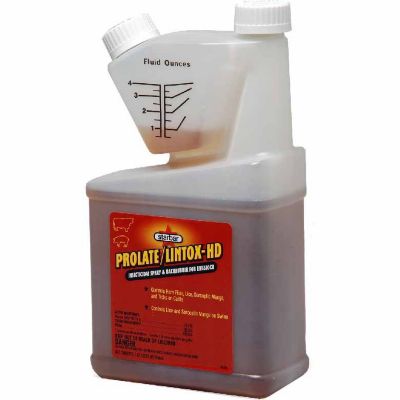
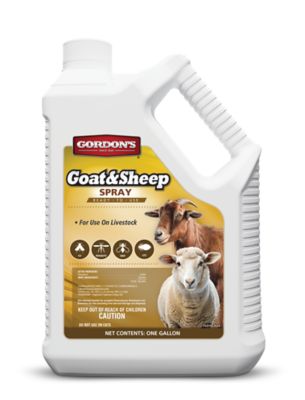
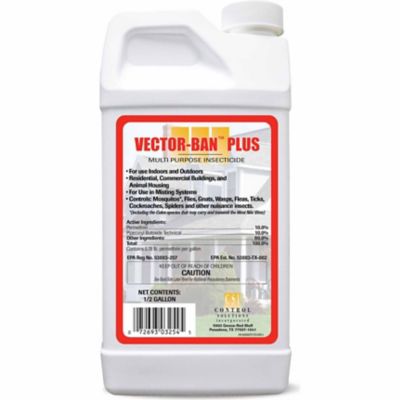
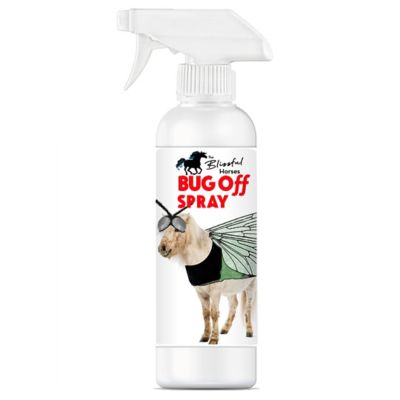
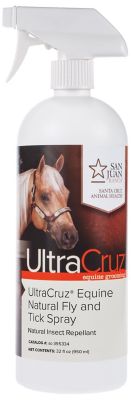
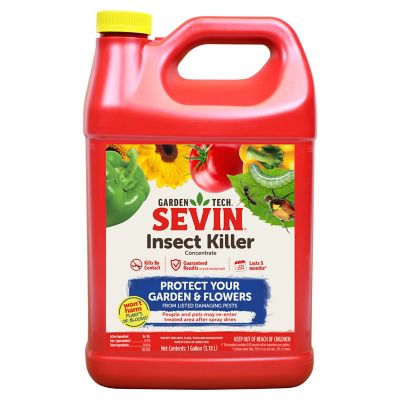
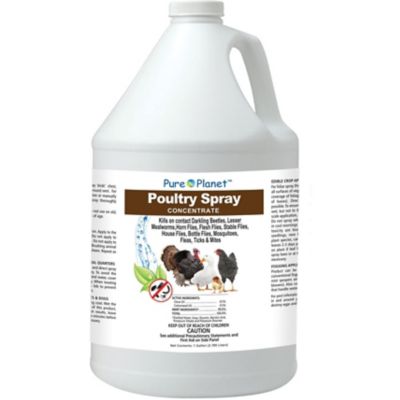
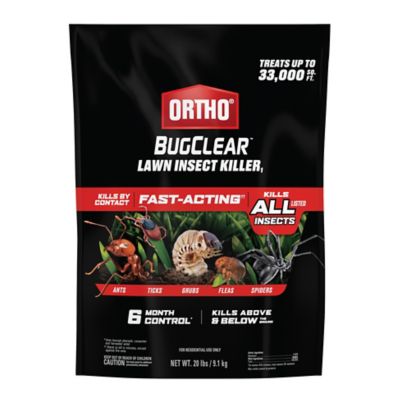
Pest control sprays offer a practical way to handle common insects around the house, barn, garage, garden shed, and other lived-in spaces. Ants following a kitchen wall, spiders settling into the corners of a porch, roaches slipping beneath an appliance, and flies gathering near outbuildings can all call for different approaches. Some sprays are made to kill insects on contact, while others leave a residual barrier that helps keep pests from crossing treated areas after the spray has dried. There are also formulas intended for indoor use, outdoor use, or both, so checking the product label is the best place to start. During the cooler months, insects often look for warmth and shelter, making cracks around doors, windows, baseboards, plumbing openings, and utility lines especially important areas to inspect. As the weather warms during the day, pests may become active again around foundations, porches, trash areas, woodpiles, and animal housing. A properly chosen spray can fit into a broader pest-control routine that includes sealing gaps, repairing screens, storing feed in tight containers, cleaning up spilled grain, and removing standing water. For larger properties or regular seasonal applications, a hand-held or backpack
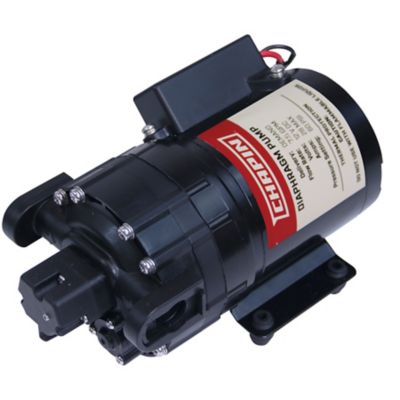
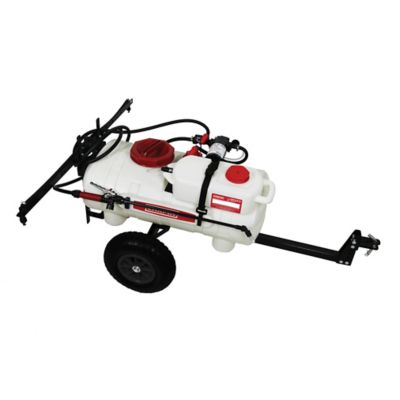
Pesticide Sprayers can help distribute an appropriate treatment along fence lines, building foundations, walkways, and other hard-to-reach places. Ready-to-use sprays are handy for quick jobs and spot treatment, while concentrates may be a better fit for covering a larger area when mixed and applied exactly as directed. Keep in mind that more spray does not mean better control. Applying the labeled amount evenly and carefully usually works better than soaking a surface, and it helps reduce unnecessary exposure to people, pets, livestock, and beneficial insects.
Choosing a pest control spray starts with identifying the pest and the place where it is showing up. A formula labeled for ants may not be the right choice for wasps, ticks, fleas, or wood-damaging insects, and a product meant for exterior foundations should not automatically be used inside a home, feed room, kennel, or milking area. Look for the listed pest, approved application sites, active ingredients, mixing directions, and any limits on use around food, animal housing, gardens, ponds, or flowering plants. Contact sprays can be useful when an insect is visible and immediate action is needed, while residual sprays are generally used along likely travel routes, entry points, and sheltered cracks and crevices. Indoors, many labels direct users to apply a narrow band along baseboards or into cracks and crevices rather than misting an entire room. Areas beneath appliances, behind cabinets, around pipes, and near exterior doors may deserve attention, but food, dishes, toys, bedding, and animal supplies should be removed or covered when the label calls for it. Outdoors, a treatment may be applied as a band along the foundation, around doorways and windows, or beneath the edge of a porch, depending on the product directions. A wider perimeter treatment can sometimes help reduce pest traffic, but the exact width, rate, and repeat schedule vary by formula and surface. Avoid spraying gutters, drainage ditches, ponds, streams, vegetable plants, blooming flowers, or areas where bees are actively working unless the label specifically allows it. Wind can carry a fine mist farther than expected, especially across open ground, so calm conditions and a properly adjusted sprayer make a big difference. On a farm or rural property, it is also worth considering where chickens, dogs, cats, horses, cattle, and wildlife travel before beginning any application.
Safe use matters just as much as pest control performance. Read the entire label before opening the container, and follow its instructions for personal protective equipment, dilution, ventilation, storage, application, and disposal. Keep children, pets, livestock, and bystanders away from the treatment area while spraying and until the treated surface is completely dry, unless the label gives stricter instructions. For indoor applications, provide the ventilation the label requires and avoid spraying near food preparation surfaces, animal feed, water bowls, bedding, or frequently handled objects. Do not combine pest control products, household cleaners, or other chemicals unless the label specifically permits it. Store unused spray in its original container, tightly closed and clearly labeled, in a dry location away from heat, freezing temperatures, feed, seed, and curious hands. A simple inspection after treatment can help show whether the problem is improving: look for fresh trails, new droppings, webbing, damaged plants, or insects entering through the same gap. If activity continues, address the source instead of repeatedly treating the same area. Leaking pipes, overripe fruit, spilled feed, damp firewood, clogged drains, and unsealed trash can keep drawing pests back. Pest control sprays can be useful for homeowners, renters, gardeners, property managers, livestock owners, and anyone maintaining cabins, workshops, barns, or recreational areas. They can also make a thoughtful practical gift for a new homeowner, a gardener setting up a greenhouse, or someone caring for a rural property, especially when paired with gloves, a flashlight, door sweeps, or storage containers. Used with patience and label-first care, the right spray helps keep everyday pest problems from becoming a bigger chore as temperatures shift and insects move between the outdoors and the shelter of buildings.