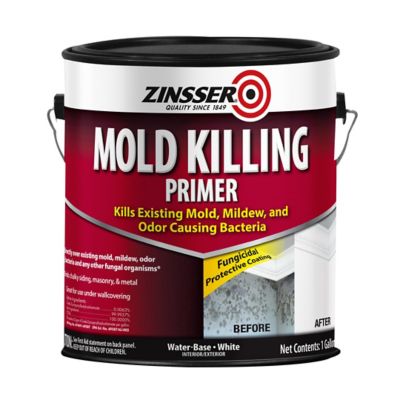
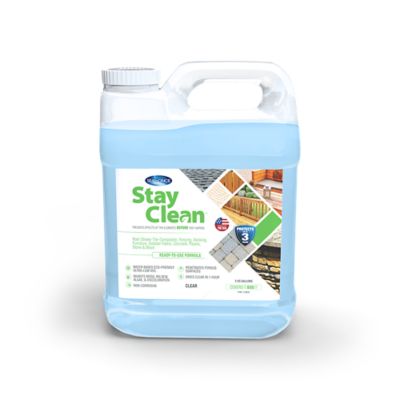
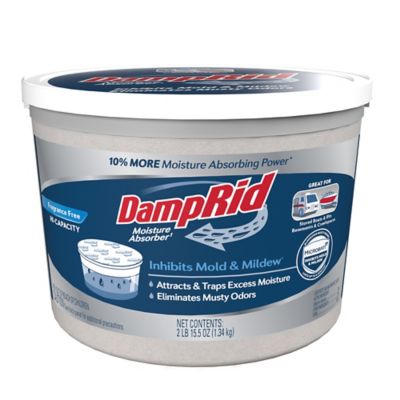
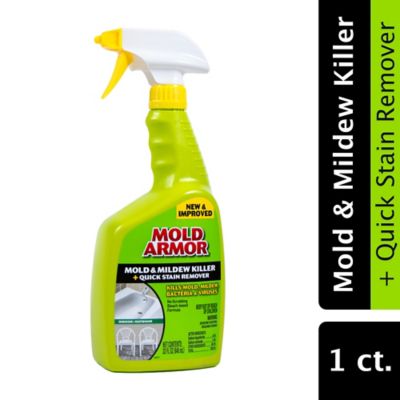
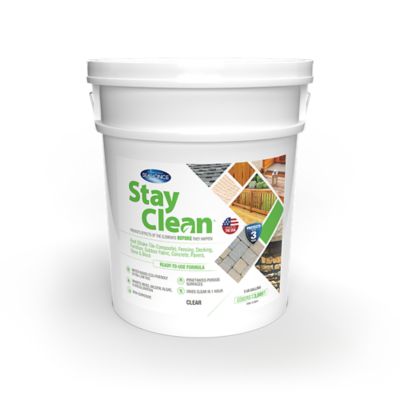
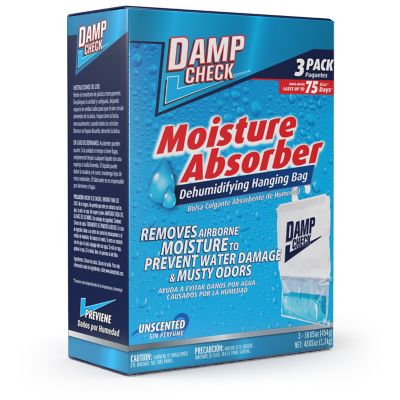
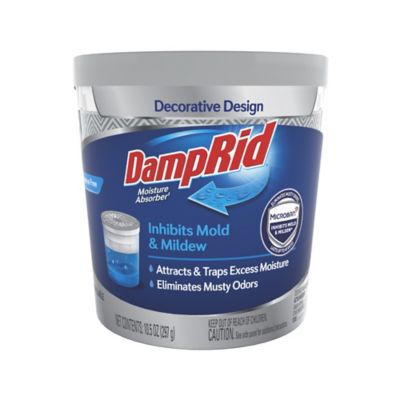
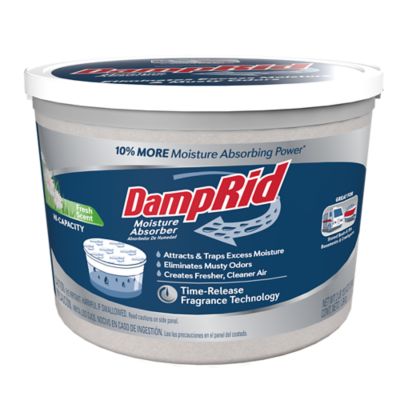
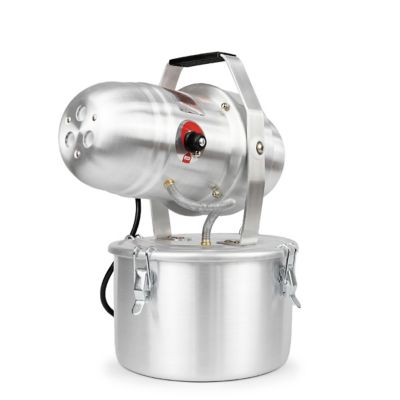
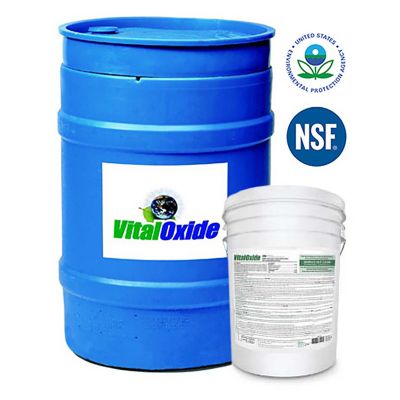
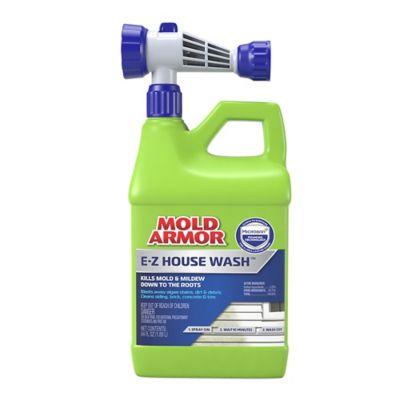
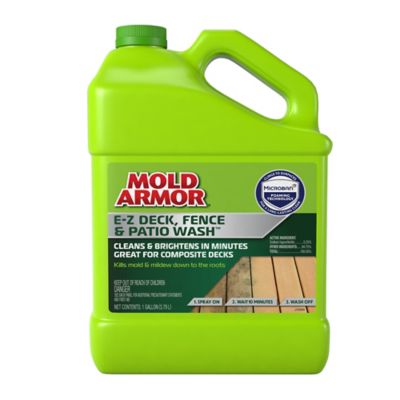
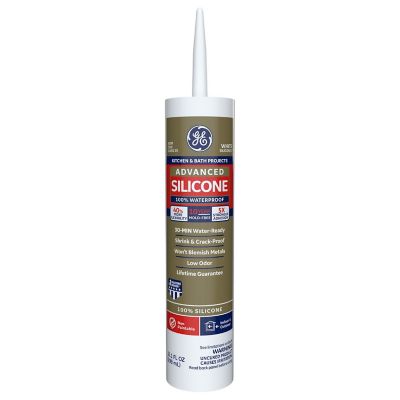
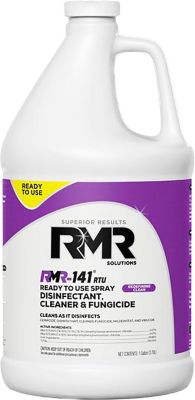
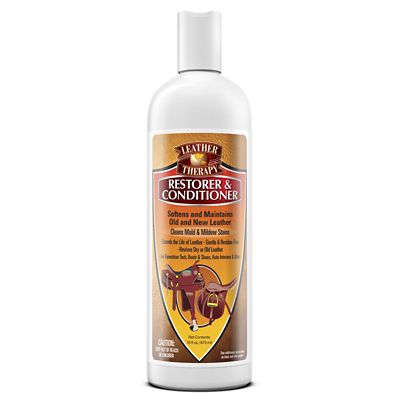
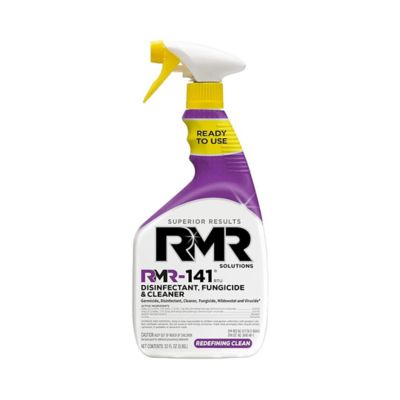
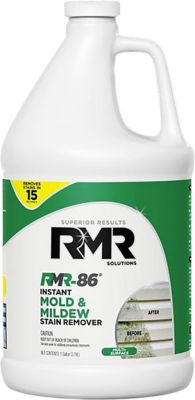
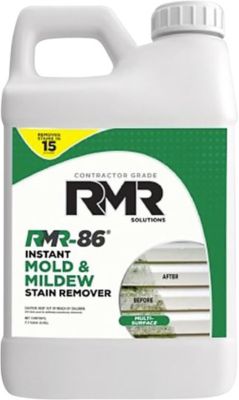
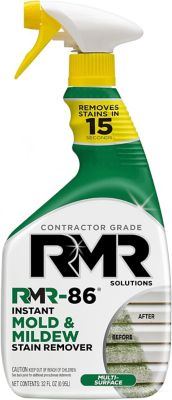
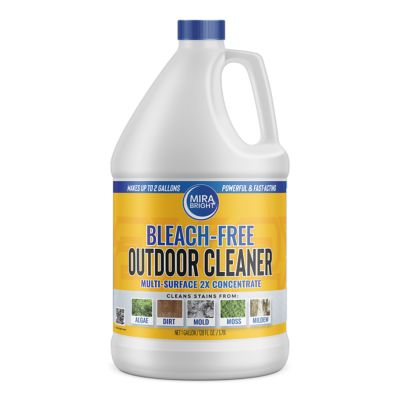
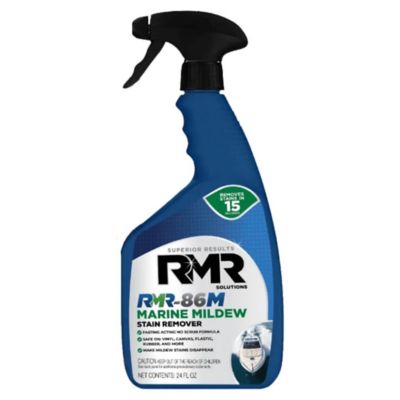
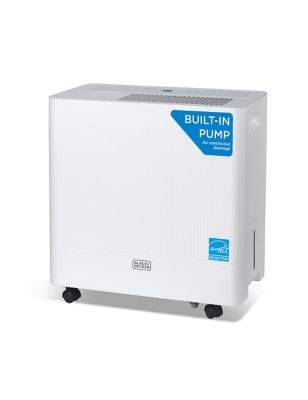
Mold prevention products help homeowners, renters, landlords, farmers, and property managers stay ahead of the damp conditions that allow mold and mildew to take hold. They can be useful in bathrooms, basements, laundry rooms, garages, sheds, crawl spaces, trailers, barns, and other areas where moisture lingers. The right product may clean existing surface growth, slow regrowth, or leave a protective coating that helps keep treated areas in better shape between cleanings. Before shopping, take a close look at where the problem starts. A musty smell near a sink may point to a slow plumbing leak, while dark spotting around a shower can come from condensation and poor airflow. Wet cardboard, damp lumber, soft drywall, and soggy flooring call for prompt attention, not just a surface treatment. Mold prevention products work best as part of a broader moisture-control plan, since a leak, standing water, or high indoor humidity can bring growth back after any cleaner or treatment dries. A small humidity meter can help you keep indoor humidity below 50%, and a dehumidifier may be helpful in a basement or enclosed outbuilding that feels clammy during the cooler months.
Match the treatment to the surface and the job at hand. Some formulas are made for hard, non-porous surfaces such as tile, glass, sealed fixtures, and plastic, while others are intended for wood, fabric, upholstery, or other materials that can be harmed by harsh chlorine-based cleaners. Bleach-free sprays may be a better fit for certain porous materials, but every surface has its own limits, so read the label before applying anything. Check whether the product is meant to clean active mold, prevent mildew stains, or help stop regrowth after an area has already been cleaned. A product designed as a preventative treatment may not replace scrubbing or removal when growth is already present. Look for clear directions covering contact time, dilution, ventilation, protective gloves, eye protection, and whether rinsing is required. Never mix bleach with ammonia, acids, or other cleaners, and keep children, pets, and livestock away from treated areas until the label says they may return. Open windows or run exhaust fans when practical, especially in a bathroom, basement, or enclosed wash area. For large areas, deeply embedded growth, contaminated insulation, or mold caused by major water damage, professional assessment may be the safer route. Taking photos of the affected area and noting when it appears can also help you track whether moisture control is making a difference.
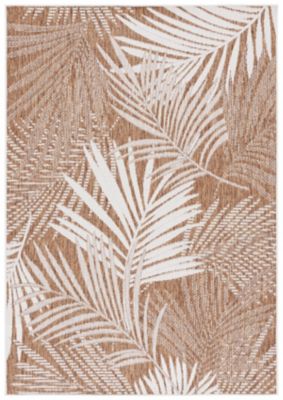
Prevention is often easiest when it becomes part of regular property care. Dry wet floors and walls promptly, leave space around stored items so air can move, clean lint and dust from vents, and inspect rooflines, window frames, hoses, and plumbing connections for signs of seepage. In a barn, tack room, or workshop, avoid stacking damp blankets, feed bags, lumber, or tools directly against a wall. Outdoors, allow rugs and mats to dry fully before rolling or storing them, and choose materials suited to rain, shade, and changing temperatures. A patio or porch can benefit from
Mold Resistant Outdoor Rugs when you want a floor covering made for moisture-prone areas, but even those should be lifted now and then so the surface beneath can air out. These supplies can make a practical housewarming gift for someone moving into an older home, a thoughtful addition to a new homeowner’s maintenance kit, or a useful choice for a person caring for a rental, camper, cabin, kennel, or farm building. Keep a simple routine: find and fix the moisture source, clean the surface as directed, apply prevention products only where the label allows, and check the area again after damp weather. With steady airflow and timely attention, it is easier to keep musty odors, mildew marks, and recurring surface growth from becoming a bigger chore.