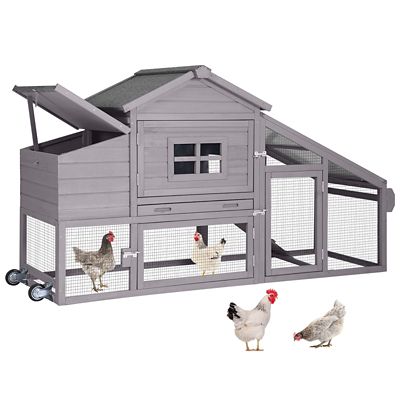
Roosting boxes give small backyard birds a sheltered place to settle in when nights turn cold, windy or wet. Unlike nesting boxes, which are made for laying eggs and raising young, roosting boxes are built for overnight protection. Their entrance is commonly positioned near the lower portion of the box, helping warm air stay inside instead of drifting out through an opening at the top. Several horizontal perches give birds a place to line up and tuck close together, sharing body heat through the night. Chickadees, nuthatches, bluebirds, wrens and other small cavity-roosting birds may use this kind of shelter, especially when natural tree hollows are scarce. A well-placed box can be a welcome sight around a farmhouse, garden, woodlot or backyard bird-feeding area, where birds already visit for seed and water. Roosting boxes can also make thoughtful gifts for birdwatchers, gardeners, new homeowners and anyone who enjoys adding a little more wildlife habitat around the property. They fit nicely into a broader setup that may include feeders, birdbaths, native plants and brush piles, giving birds places to feed, drink, hide and rest. These shelters are intended for wild birds rather than poultry; folks looking for housing for hens and other backyard birds can explore
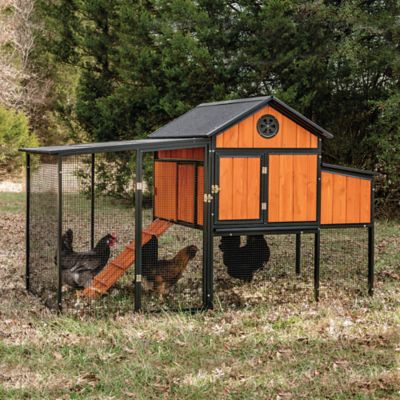
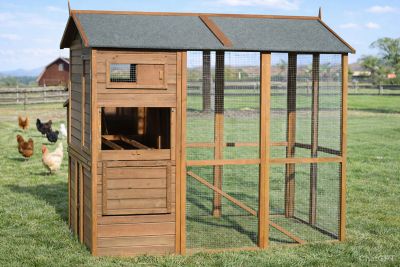
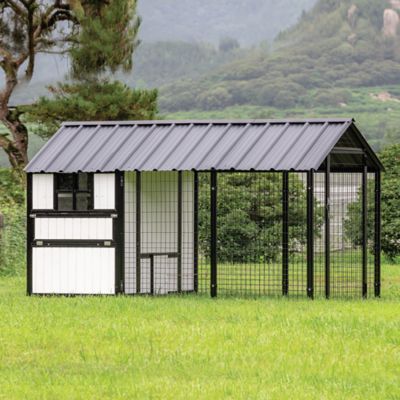
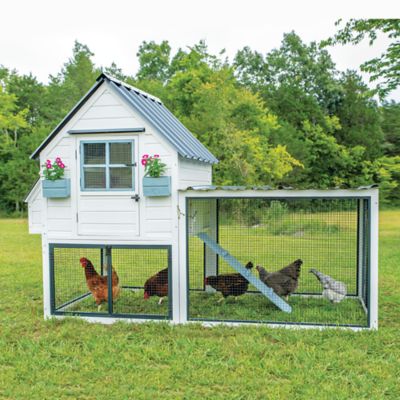
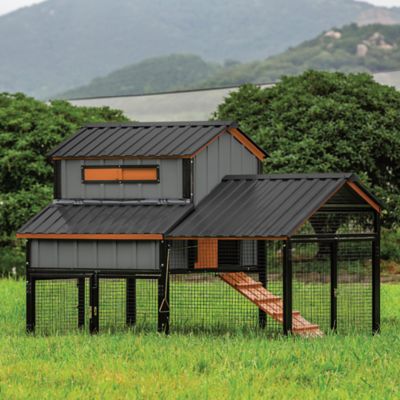
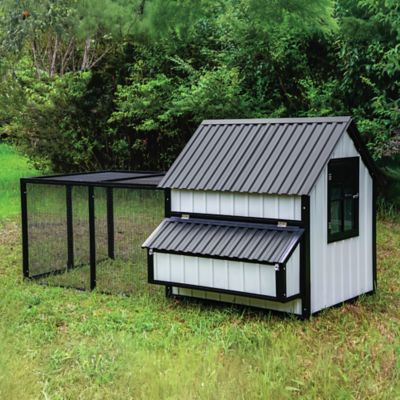
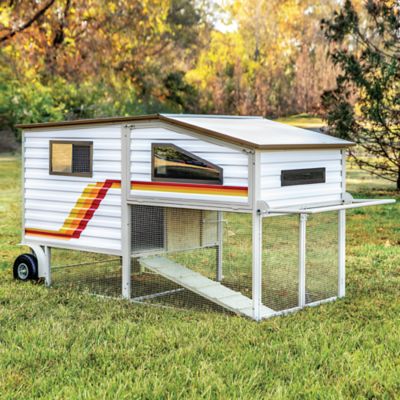
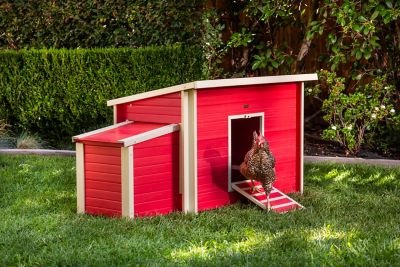
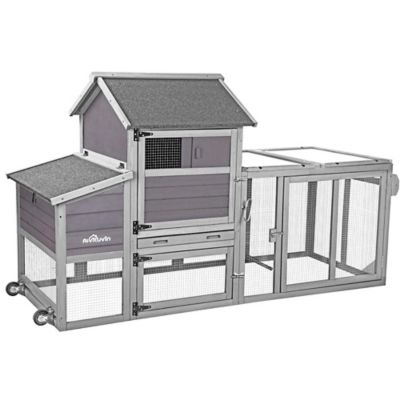
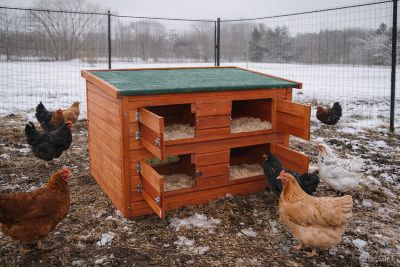
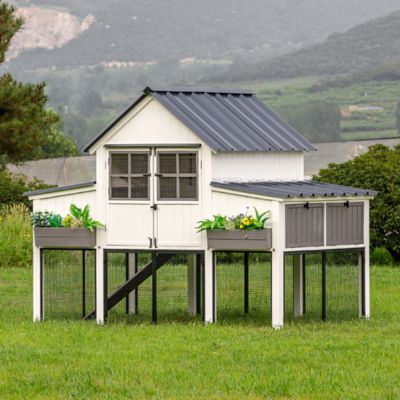
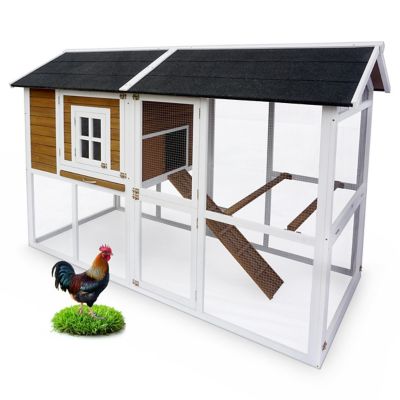
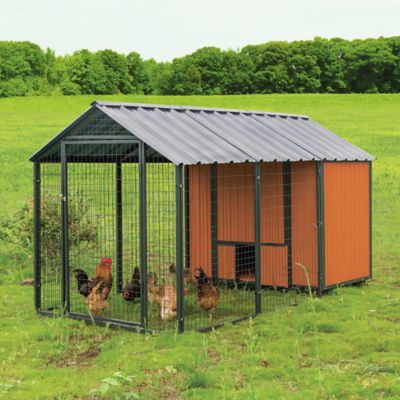
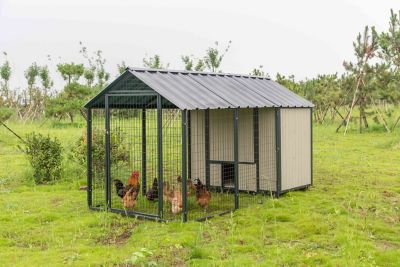
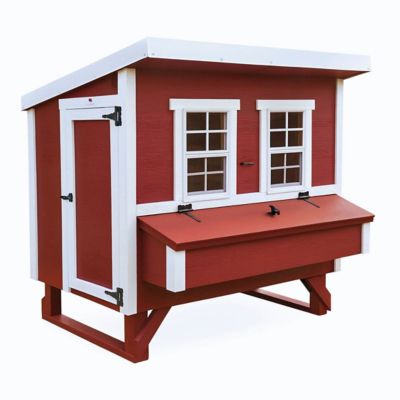
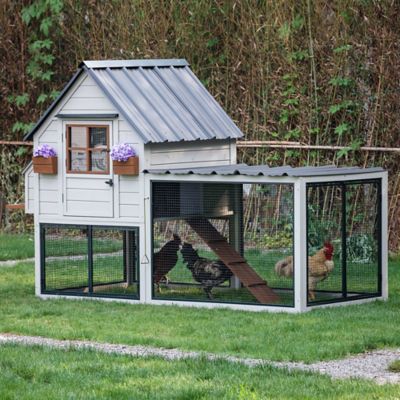
Elevated Chicken Coops for a different kind of outdoor shelter.
When choosing a roosting box, pay close attention to the overall design and the conditions around the spot where it will be installed. A sturdy box made from weather-resistant material can stand up to repeated exposure to rain, snow and changing temperatures, while a roughened or textured interior gives birds a better grip as they move between perches. Look for secure horizontal perches with enough room for small birds to use the box without crowding, along with a properly sized entrance that offers access to the species in your area while discouraging larger birds and some unwanted visitors. Roosting boxes generally have less ventilation than nesting boxes because the goal is to limit chilly drafts and hold body warmth, but the box still needs to shed moisture and remain reasonably dry inside. A removable front, side panel or roof can make seasonal cleaning easier, particularly after a stretch of damp weather or after birds have used the shelter repeatedly. Mount the box firmly on a post, pole or tree where it will not sway in strong wind. A location protected from prevailing winds is helpful, and facing the entrance toward the south or east can provide warming morning or midday sunlight in cooler weather. Keep the opening away from direct exposure to driving rain when possible, and avoid placing the box where branches, fences or nearby structures give predators an easy jumping route. A metal baffle below the box can help block climbing predators such as raccoons, squirrels and cats. The safest height depends on the surroundings, but the box should be high enough to discourage curious pets and easy reach while still allowing you to inspect and maintain it safely.
A little preparation goes a long way once a roosting box is in place. Watch the area for a few days before mounting it, noting where the wind comes from, how sunlight moves across the property and whether cats or other predators travel through the same space. A quiet edge of the yard near mature trees can work well, as can a sheltered garden corner that gives birds nearby cover without hiding the box behind thick foliage. Keep feeders and baths close enough to make the area useful but not so close that spilled seed, standing water or dense brush creates a place for predators to wait. During the warmer part of the year, birds may use a roosting box less often, though the shelter can still serve as a dry retreat during heavy rain or cool nights. As the weather cools, regular visitors may begin using it more frequently, sometimes gathering together before dusk and leaving soon after daylight. A quick inspection before the colder season can confirm that the mounting hardware is tight, the roof is sound and the entrance is clear. Remove old nesting material or debris if the box design allows it, and make sure cleaning does not leave behind sharp edges, loose fasteners or strong chemical odors. Avoid filling the inside with loose hay, fabric or fluffy nesting material, which can hold moisture, tangle feet or reduce the usable space around the perches. With a solid design, a thoughtful location and occasional upkeep, a roosting box becomes a simple, useful part of a bird-friendly property—one that offers small birds a warmer place to spend the night while bringing more of their familiar rustling, chirping presence close to home.