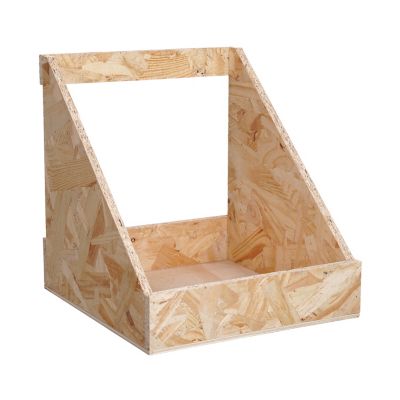
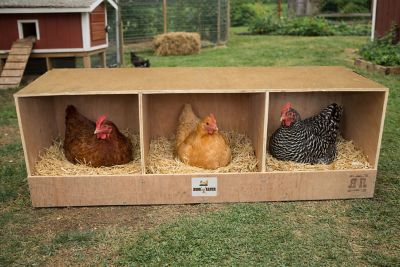
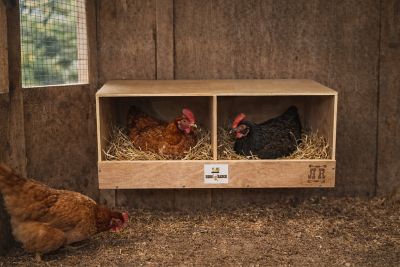
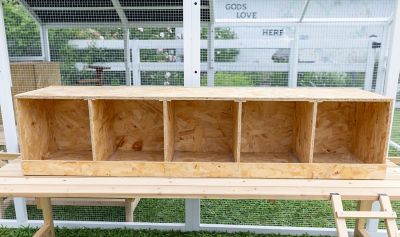
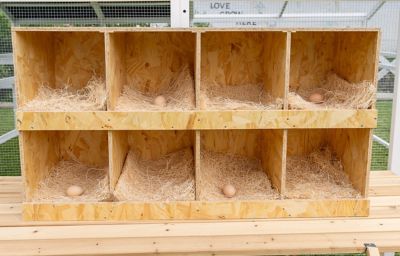
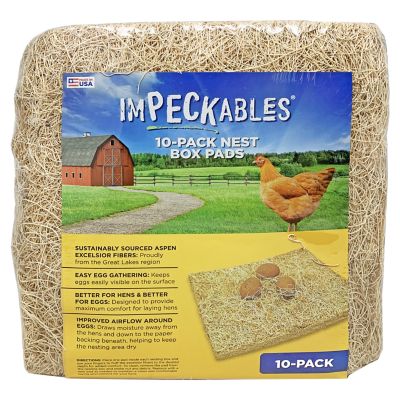
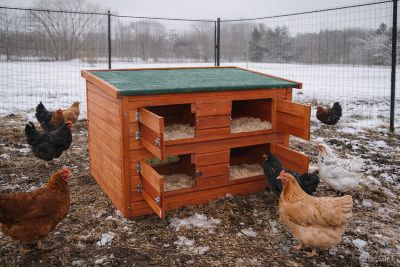
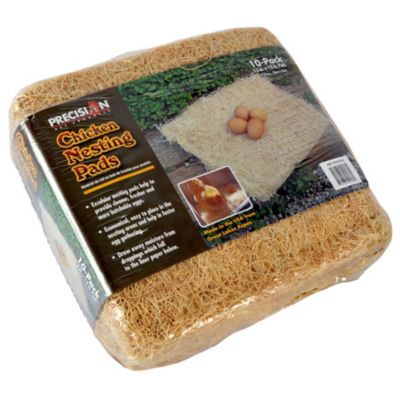
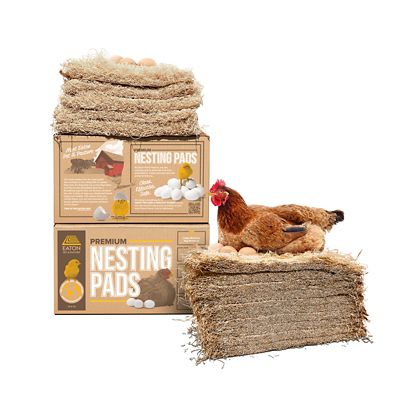
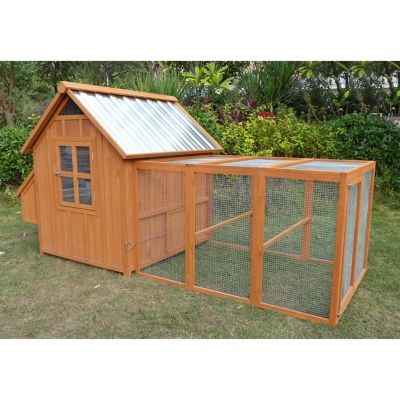
Nesting boxes give laying hens and wild birds a quiet, sheltered place to settle in, lay eggs and care for young. On a small homestead, a well-placed poultry nesting box can make daily chores easier while helping keep eggs cleaner and more protected from cracks, pecking and curious barnyard visitors. Hens generally prefer a dim, private space with a solid base and comfortable bedding, and many keepers plan for about one nesting box for every four to five hens. A standard chicken nesting area is often close to 12 inches wide, 12 inches deep and 12 inches high, though the best fit depends on the size and breed of your flock. Larger breeds may need more room to turn around without crushing an egg, while smaller birds may feel more secure in a snug compartment. Wood shavings, straw or a washable nesting pad can cushion eggs and give hens a clean place to settle. As the weather warms and flock activity picks up, check that bedding stays dry and loose. During cooler, wetter weather, a dry nesting area becomes even more important, since damp bedding can lead to odors, dirty shells and an uncomfortable coop.
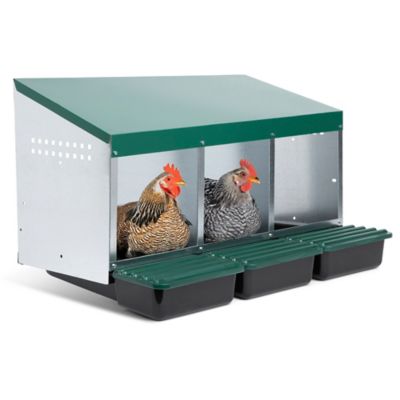
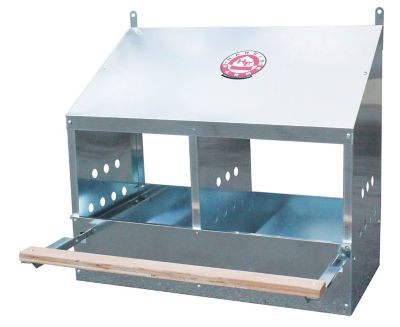
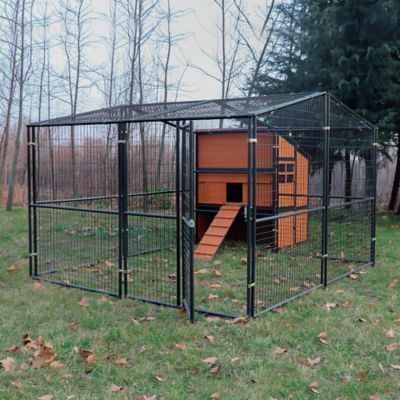
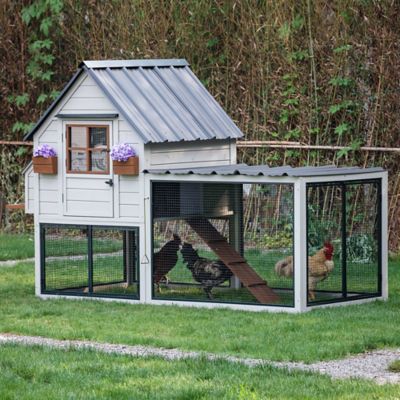
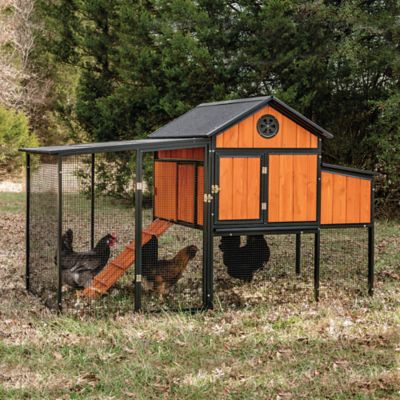
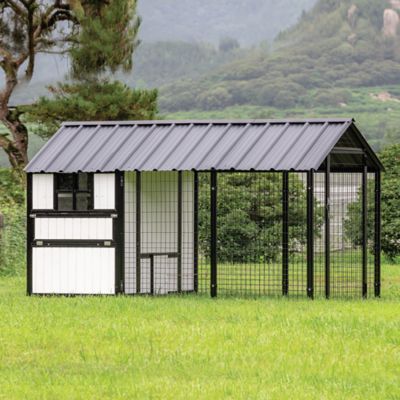
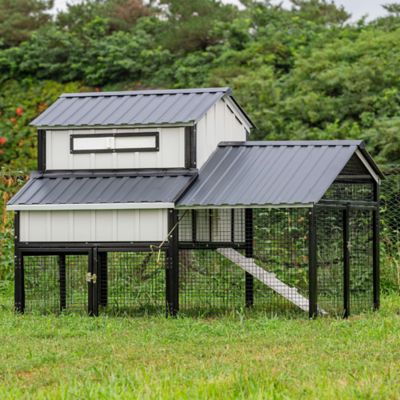
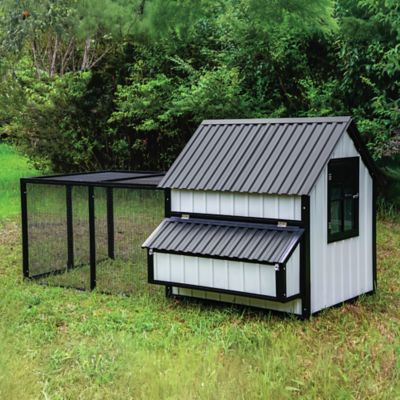
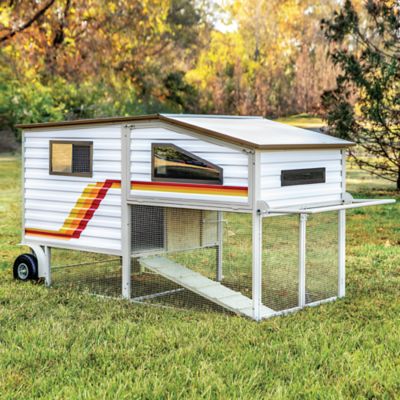
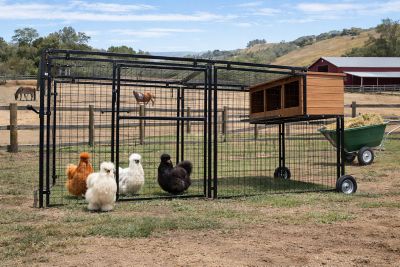
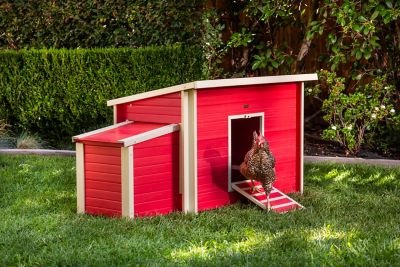
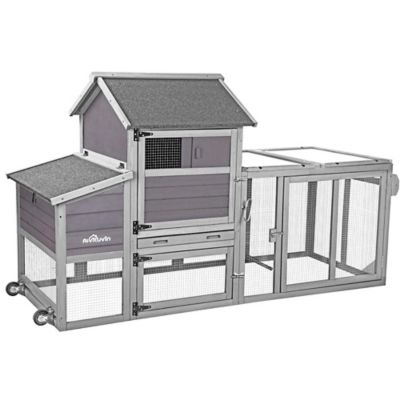
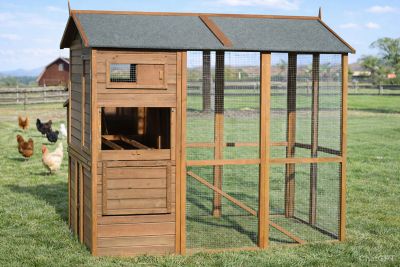
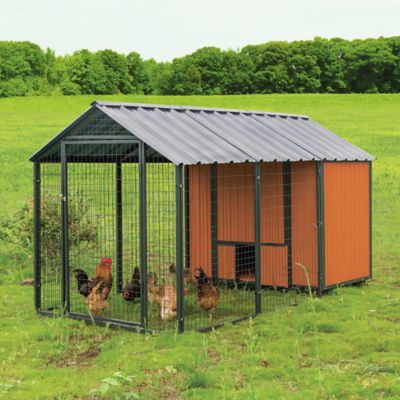
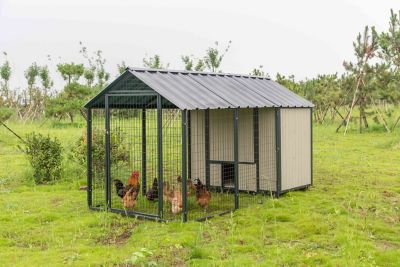
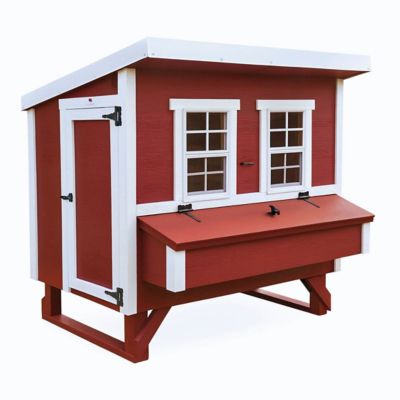
Placement matters just as much as size. Install poultry nesting boxes off the ground, below the roosting bars and away from strong drafts, but keep them easy for people to reach. Hens may sleep in boxes that are higher than the roosts, leaving droppings behind and turning a clean laying space into a mess by morning. An exterior access panel or hinged top can make egg collection and cleaning less disruptive, especially when the flock is settled in for the evening. Roll-out nesting designs use a gently sloped floor to move freshly laid eggs into a covered collection area, which can help reduce breakage and discourage hens from pecking at eggs. Whichever style fits your coop, look for sturdy construction, smooth edges, dependable hardware and surfaces that can be wiped down. Ventilation helps moisture escape, while a roof or overhang can keep rain from blowing into the box. Before choosing a nesting box, consider the number of hens, available wall or floor space, how often you collect eggs and whether children or older family members will be helping with chores. A thoughtfully arranged coop, such as one paired with suitable
Home Chicken Coops, keeps the boxes convenient for people and comfortable for the flock.
Nesting boxes can also create useful habitat for wild birds around a yard, garden, pasture edge or wooded property. Cavity-nesting birds such as bluebirds, wrens and some owls may use an artificial box when natural tree hollows are scarce, but each species has different needs. Entrance-hole size is especially important because it can welcome the intended bird while helping exclude larger predators and aggressive competitors. Proper ventilation near the upper portion of the box keeps air moving, and drainage openings in the bottom help rainwater and condensation escape. A sloped roof, rough interior below the entrance and untreated, weather-resistant construction can make the box safer and more inviting. Place a wild bird nesting box where it is protected from prevailing wind and harsh afternoon heat, with enough open space for birds to approach and leave without brushing through heavy branches. Keep it away from areas with frequent disturbance, and monitor it from a respectful distance rather than opening it repeatedly once nesting begins. Nesting boxes make thoughtful gifts for a backyard birdwatcher, a family starting a small flock or anyone who enjoys adding practical habitat to a rural property. They also fit naturally into seasonal projects, from refreshing a chicken coop as cooler weather arrives to preparing a garden space for birds that may return when conditions are favorable. With the right dimensions, placement, privacy, ventilation and drainage, a nesting box can serve as a dependable part of poultry care or a simple way to support feathered visitors through changing seasons.