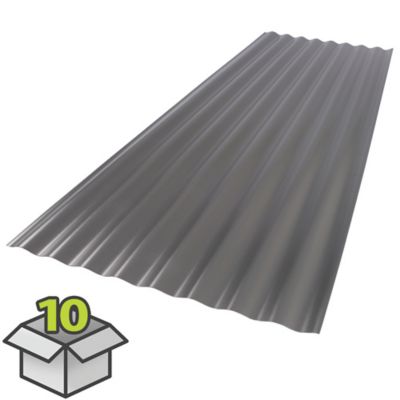
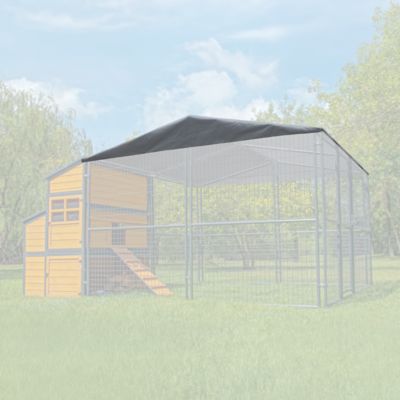
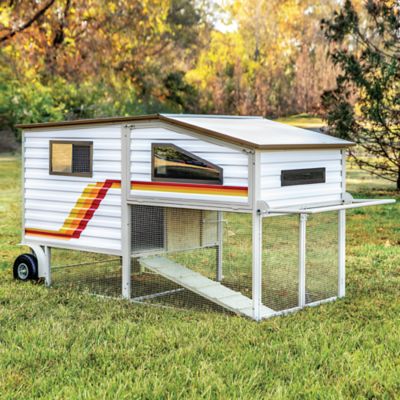
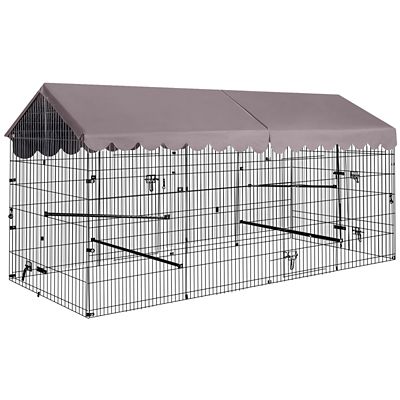
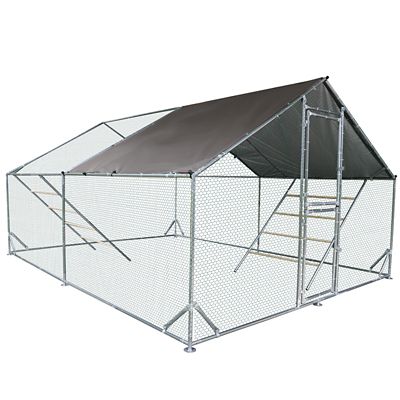
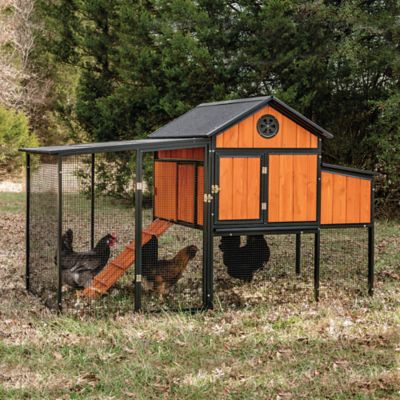
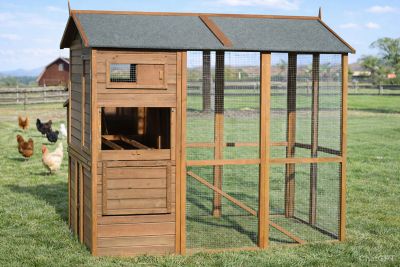
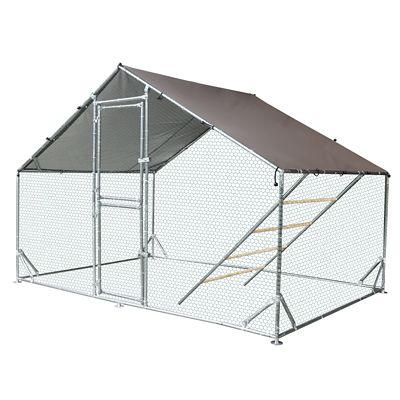
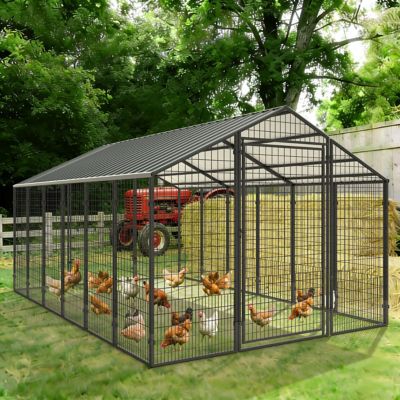
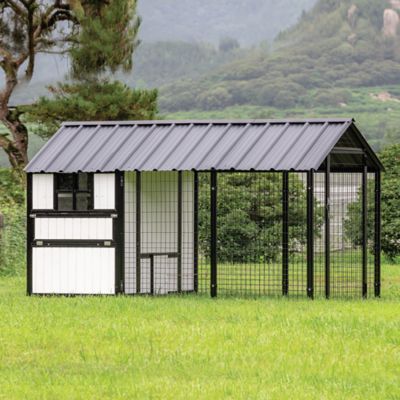
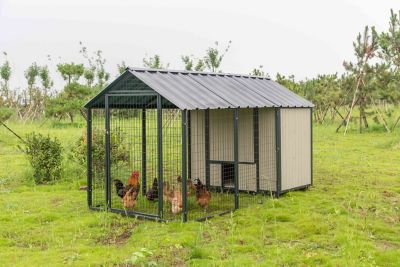
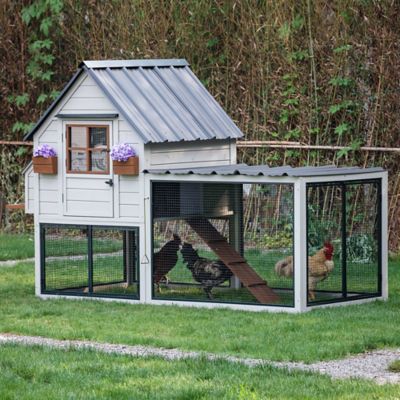
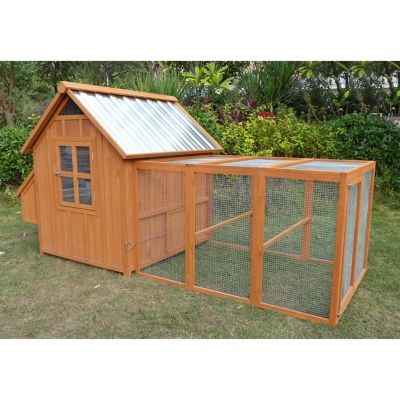
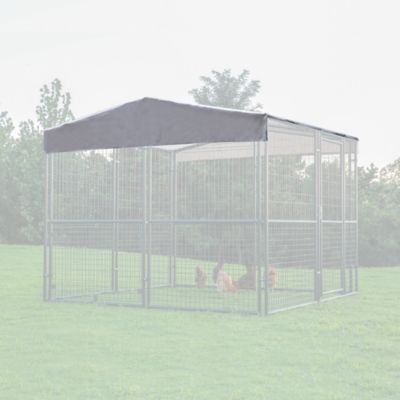
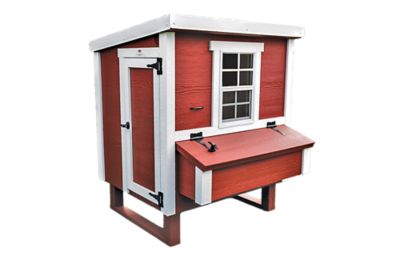
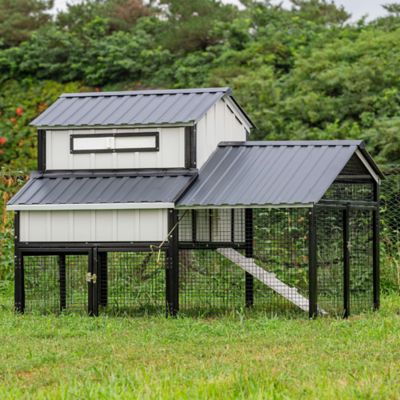
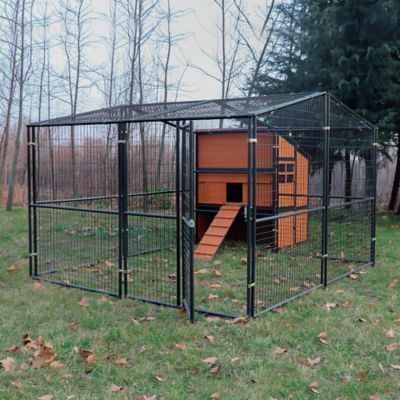
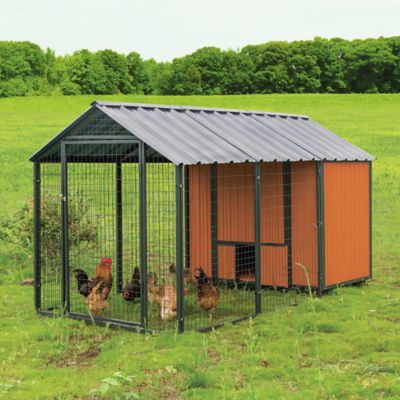
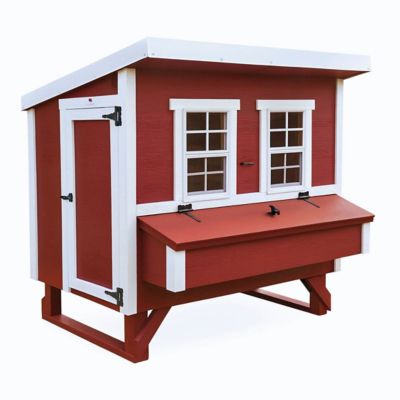
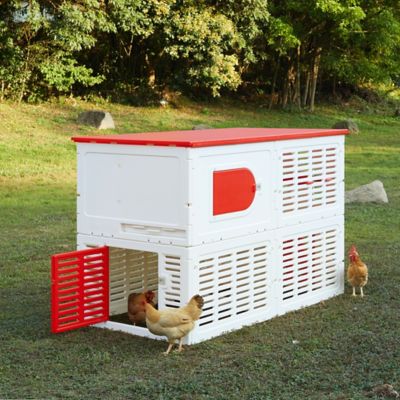
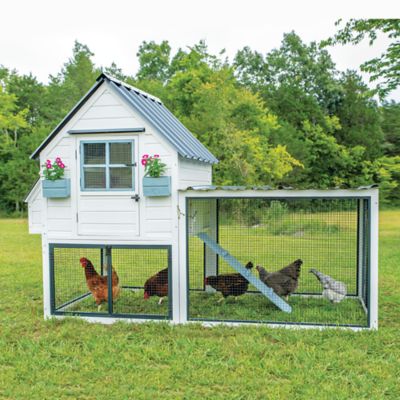
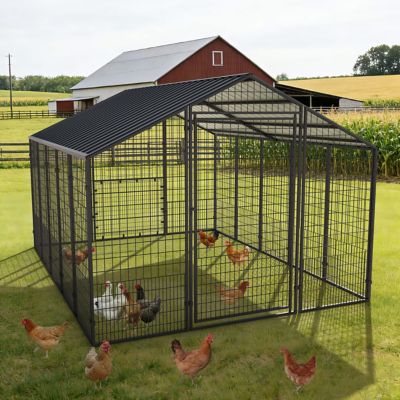
A dependable chicken coop roof does more than finish the top of a shelter. It helps keep bedding dry, protects feed and nesting areas from rain, and gives your flock a safer, more comfortable place to settle during wind, heat, and cooler weather. When choosing from chicken coop roofs, start with the size and shape of your coop, the condition of the framing, and the weather your birds deal with through the year. A roof should extend past the walls enough to help move water away from siding, doors, and ventilation openings, while still fitting securely on the coop frame. Even a small overhang can make a noticeable difference when rain is blowing across the yard. Look for roofing materials made for outdoor use and check that the length and width will cover the structure with room for proper overlap. Corrugated panels are a popular choice for small coops because they are straightforward to handle and shed water well. Lightweight polycarbonate panels can bring natural light into a covered run or coop area, while solid panels offer shade and a more enclosed feel. Corrugated metal is known for its strength and long service life, making it a practical option for keepers who want a sturdy roof that can stand up to rough weather. Asphalt shingles can give a coop a familiar shed-like appearance, but they need a solid plywood or similar deck beneath them and may add more weight to the frame. The best fit depends on the coop design, the support underneath, and the balance between light, shade, durability, and ease of installation.
Roof pitch is another important detail, especially in places that see regular rain or snowfall. A sloped roof allows water and snow to move off instead of sitting in low spots, where extra weight and moisture can lead to leaks or wood damage. For many small structures, a pitch around 3:12 or 4:12 gives water a useful path to drain, though the right slope depends on the roof material, local conditions, and the coop’s construction. A steeper pitch may help in areas with heavier snow, while a lower profile can work well when the framing and roofing system are designed for it. Before buying, measure the roof from edge to edge and from the highest point to the lower edge, then account for overlap, trim, and the desired overhang. It is smart to inspect rafters, plywood, and other support surfaces at the same time. Soft, warped, or cracked framing should be repaired before a new roof goes on. Roofing screws with rubber washers can help seal fastening points on corrugated panels, and ridge caps or other matching trim can protect the peak and panel seams. Use the fasteners recommended for the roofing material, and avoid leaving sharp edges exposed where chickens, children, or curious dogs might brush against them. Good airflow matters, too. A roof should help block precipitation without covering every ventilation opening or trapping damp air inside the coop. Place openings high on the walls or beneath protected overhangs when the design allows, keeping drafts off roosting birds while giving moisture and ammonia odors a way out. During the cooler months, a dry, well-ventilated coop is generally more comfortable for a flock than a tightly sealed space where condensation gathers overhead.
Chicken coop roofs can be useful for a wide range of backyard and small-farm setups, from a compact shelter beside the garden to a larger coop connected to a fenced run. They are also a practical gift for someone starting a flock, repairing an older henhouse, or building a custom shelter for pullets, bantams, ducks, or other small poultry. Pairing roofing panels with compatible screws, trim, sealant, or framing supplies can make a thoughtful housewarming-style gift for a new homesteader, especially when a coop project is already underway. Keep the surrounding property in mind when selecting a finish and design. A roof with a broad overhang can help protect a muddy entrance, while a translucent covering may brighten a shaded run without leaving birds fully exposed to the sun. In hot areas, solid roofing and additional shade can help reduce radiant heat; in windy areas, secure fastening and strong edge support are especially important. Snowy regions may call for a sturdier frame and a slope that lets accumulation slide safely, with attention paid to where that snow will land. Always follow the roofing manufacturer’s installation instructions, use appropriate protective equipment when cutting or fastening panels, and keep tools and loose screws away from the flock. If you are comparing complete shelter styles before choosing a roof, browse
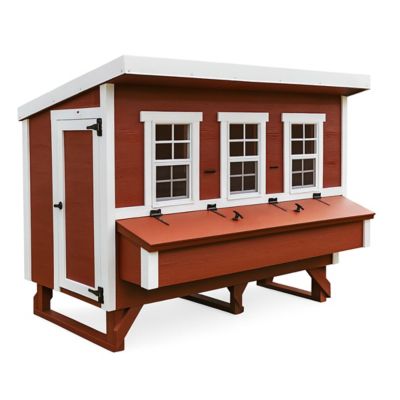
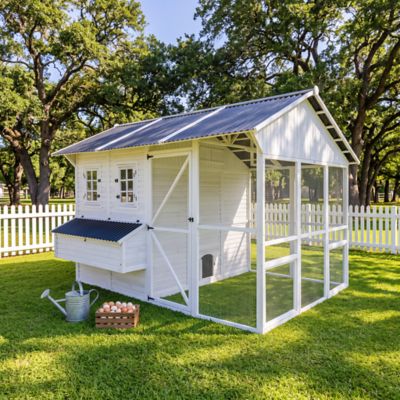
Pitched Roof Chicken Coops for designs that naturally encourage runoff. With careful measurements, sound framing, sealed seams, and enough overhang to turn water aside, the right roof can help a chicken coop stay drier, cleaner, and ready for the changing weather season after season.