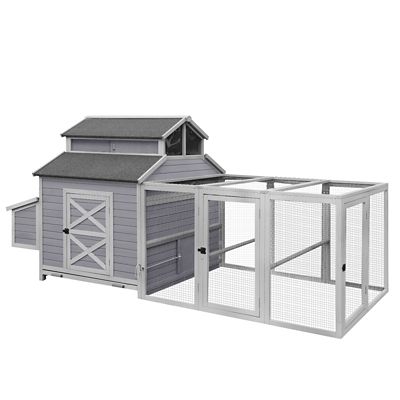
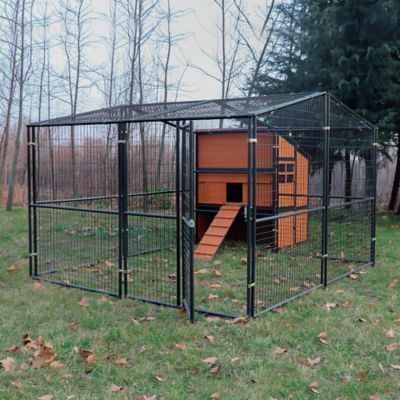
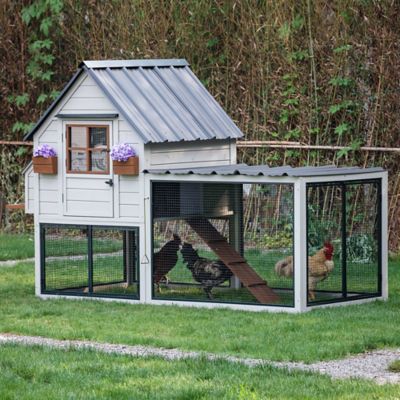
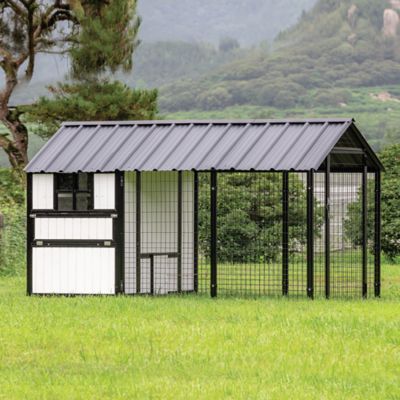
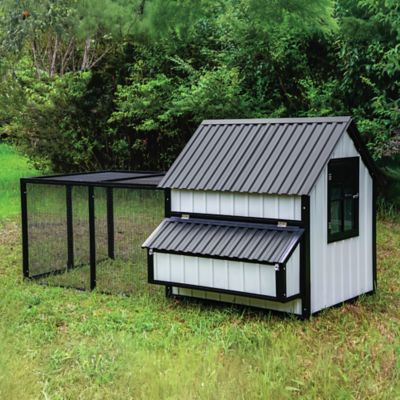
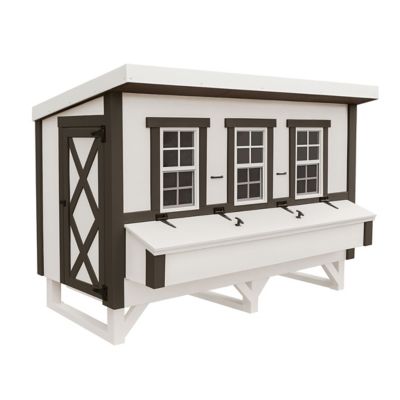
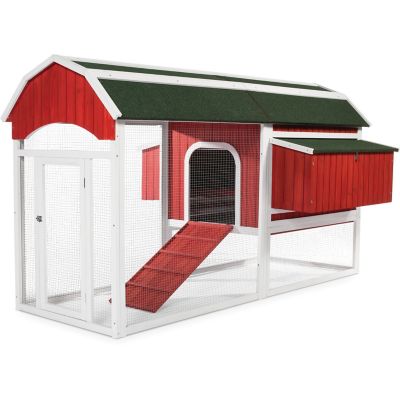
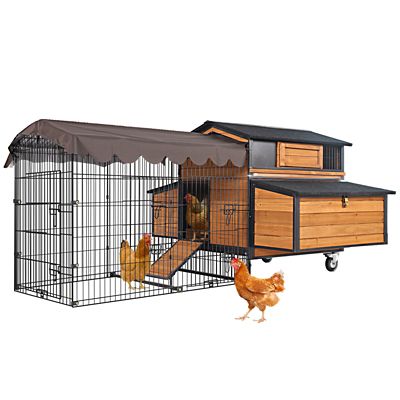
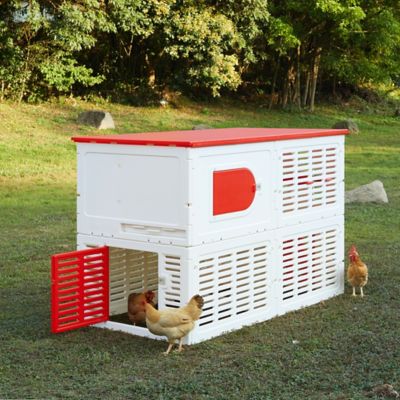
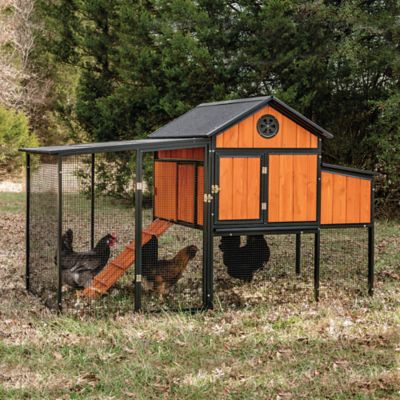
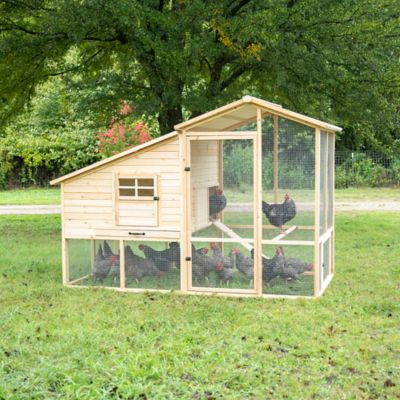
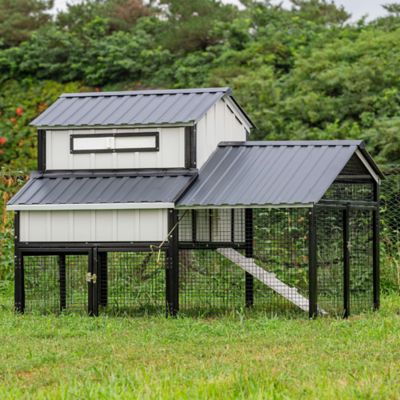
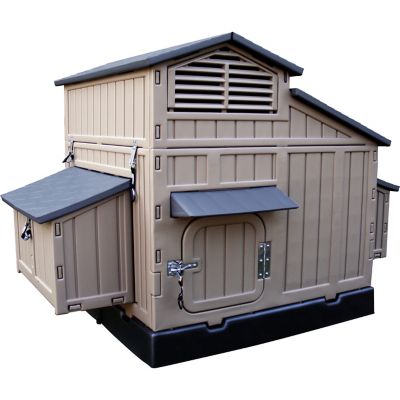
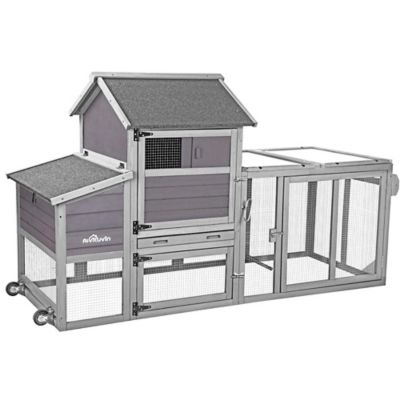
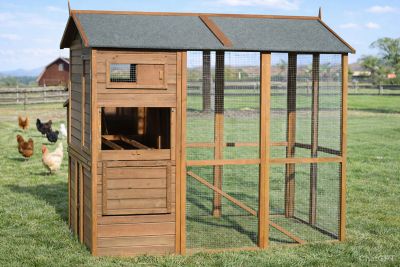
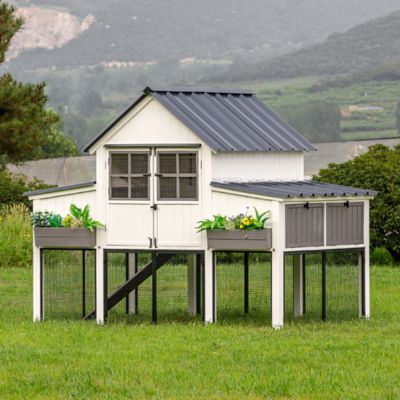
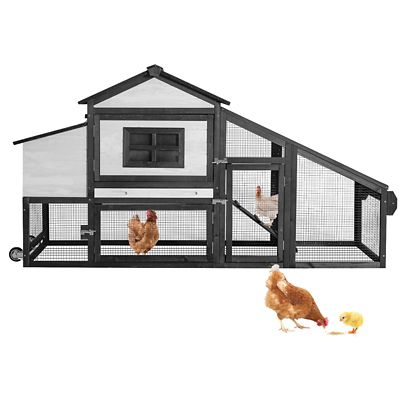
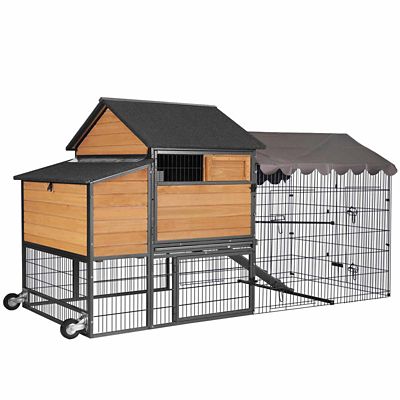
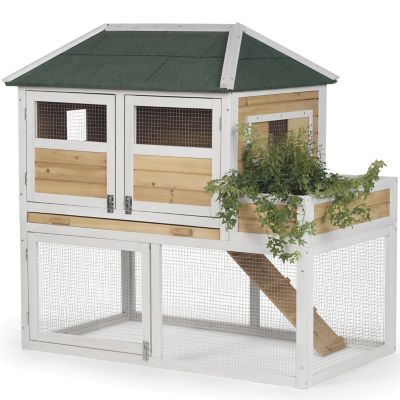
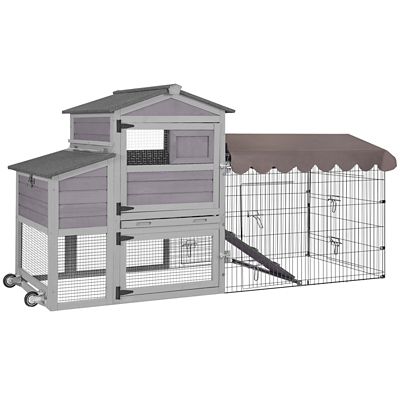
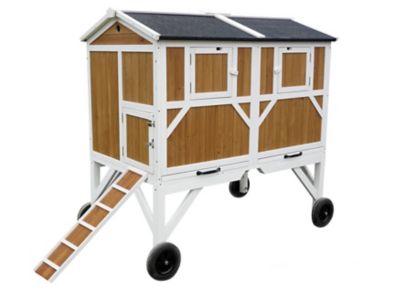
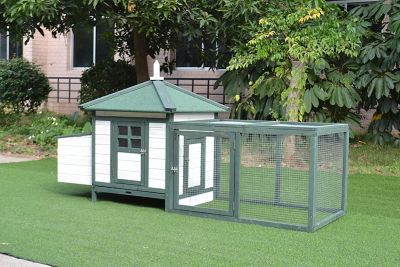
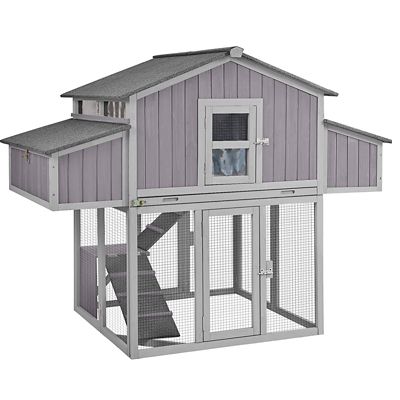
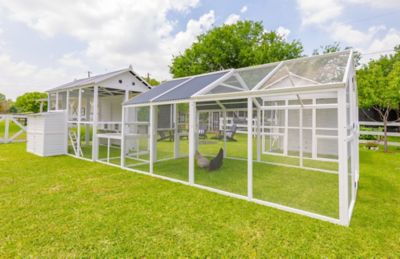
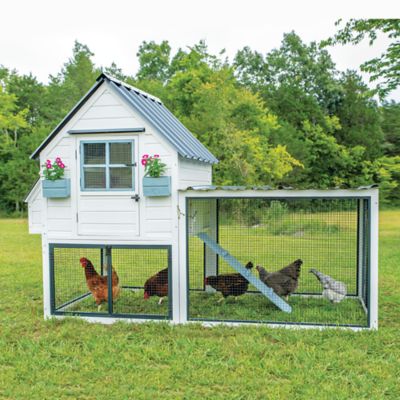
Elevated chicken coops give backyard flocks a raised place to roost, nest and settle in while making better use of the space around the coop. Most are lifted about 1 to 3 feet off the ground on sturdy legs, creating a dry, shaded area underneath and helping keep the housing floor away from damp soil. That extra height can be especially helpful in yards where rain collects, the ground stays muddy or the soil is easy for predators to dig through. Foxes, dogs, raccoons and rats may still find a way into an unsecured setup, so a raised coop should be part of a complete plan that includes strong latches, sound framing and properly secured wire. A floor that sits above the ground is harder for digging animals to reach directly, and it also helps reduce the chance of wood rot caused by constant contact with wet soil. The open space beneath the coop can become a favorite resting spot for hens during bright, warm afternoons, giving them shade and a break from the bustle of the run. During cooler, wetter stretches, it can offer a sheltered patch of ground where birds can stay out of puddles and blowing rain. For many small-flock keepers, the raised design also makes everyday chores more comfortable. Reaching nesting boxes, checking bedding and gathering eggs can be easier when the housing is lifted to a practical working height, with less bending and kneeling during the morning rounds. An elevated chicken coop can fit well on a small homestead, a suburban backyard with local poultry allowances or a larger rural property, provided there is enough room for the birds to move, scratch and forage safely. It can also make a thoughtful gift for someone starting with backyard hens, expanding a family flock or building a more self-sufficient routine, although the recipient will still need a suitable location, feed, water, bedding and predator protection to get set up properly.
When comparing elevated chicken coops, start with the number, size and breed of birds you plan to keep rather than choosing by outside dimensions alone. Hens need enough room to move around without crowding, along with comfortable roosting space, accessible nesting areas and steady ventilation. Larger or heavier breeds may need a wider doorway, a stronger ramp and more floor space than smaller, lighter birds. A ramp should have a rough surface or evenly spaced cleats so chickens can climb without slipping, especially when their feet are muddy or the ramp is damp from dew. The slope matters, too; a short, gently angled ramp is easier for young birds, heavy breeds and birds with limited mobility. Look for a design with doors and access panels that open wide enough for routine cleaning, and check whether the roof or upper section allows you to reach every corner where bedding and feathers collect. Good airflow is important in every season. Vents placed high on the walls can let warm, moist air escape while keeping the birds away from direct drafts at roost level. Secure openings with sturdy mesh rather than relying on thin poultry netting alone, since ordinary chicken wire is meant to contain birds and may not stop determined predators. A solid floor should be elevated and kept dry, while the legs and base should sit level on a stable surface. Concrete pavers, compacted gravel or another firm foundation can help keep supports from sinking into soft ground and reduce standing moisture around the base. If the coop is made with wood, inspect the posts, corners and lower edges for areas that could stay wet, and leave enough clearance underneath to sweep out old bedding and check for signs of pests. The space below is useful only when it remains open, clean and easy to monitor. Feed bins, shallow storage containers or water supplies may fit beneath a taller structure, but keep feed sealed so it does not attract rodents, and avoid creating dark, cluttered hiding places where pests can settle. A nearby run with a covered top can give hens room to move while adding another layer of protection from hawks and climbing animals.
Placement has a big effect on how well an elevated chicken coop works. Choose a spot with solid, reasonably level ground, some natural shade and good drainage, while keeping it close enough to the house that daily care does not become a chore. Morning sunlight can help dry the area and encourage birds to start their day, but afternoon shade is valuable as the weather warms. During cooler months, block prevailing wind without sealing the coop so tightly that moisture builds up inside. Keep the entrance facing away from the direction of driving rain when possible, and make sure the run does not turn into a muddy basin after a storm. Chickens need clean water every day, fresh bedding as needed and protection from sudden weather changes, even when the coop itself is well built. Check the ramp, hinges, roofline, floor and fasteners regularly, since small gaps can become larger problems after repeated use. Before bringing birds home, walk around the entire setup at dusk and look for openings wider than they should be, loose mesh, low spots where a predator could dig and branches or nearby structures that might provide an easy route over the fencing. An elevated coop can be paired with many backyard layouts, including a covered run, a fenced grazing area or a rotating yard space that gives the ground time to recover. Some keepers let hens enjoy the shaded area below the coop during the day, while others close it off with mesh to make cleaning and predator checks simpler. If a taller, traditional roofline better suits your yard or gives you the headroom you prefer, explore
Pitched Roof Chicken Coops as another housing style to consider. With the right size, secure construction, dependable ventilation and a dry, thoughtfully placed foundation, elevated chicken coops can make flock care more manageable and give hens a comfortable home through changing weather.