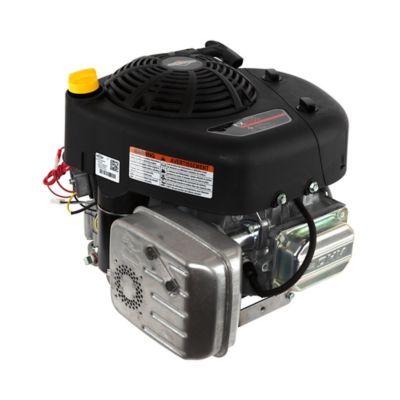
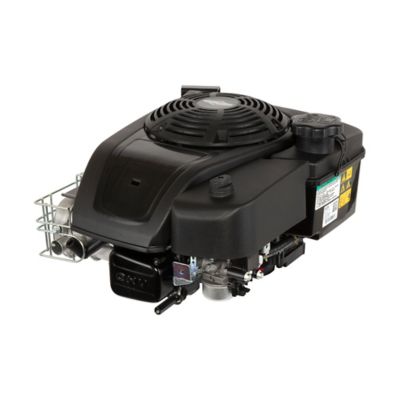
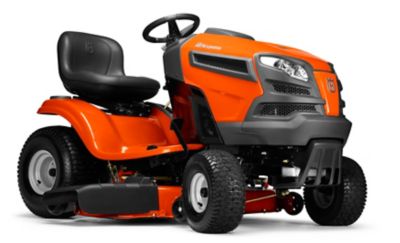
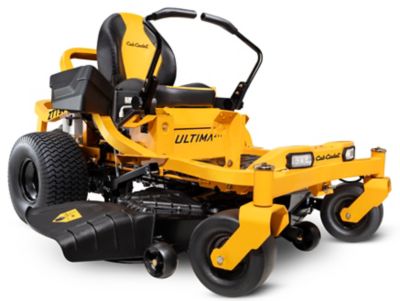
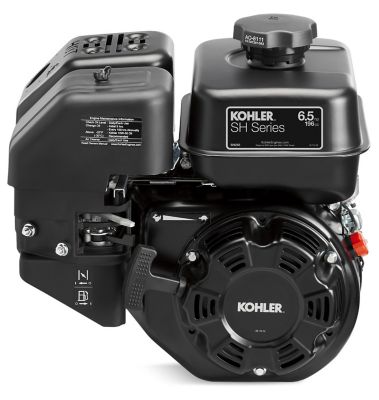
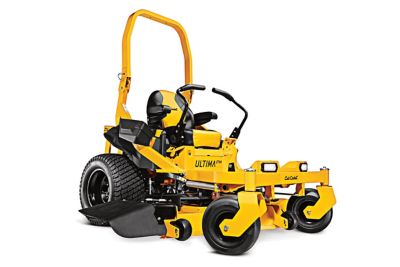
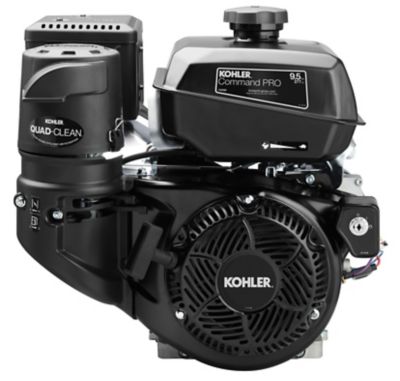
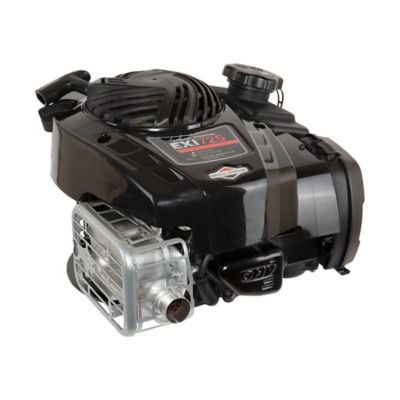
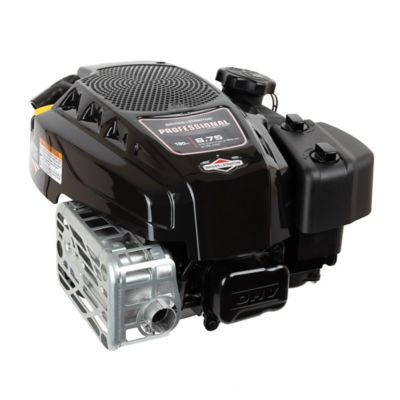
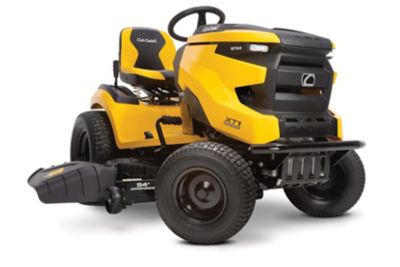
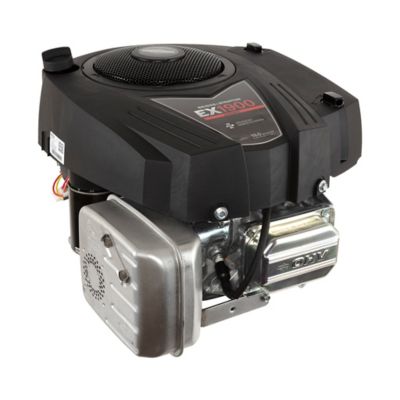
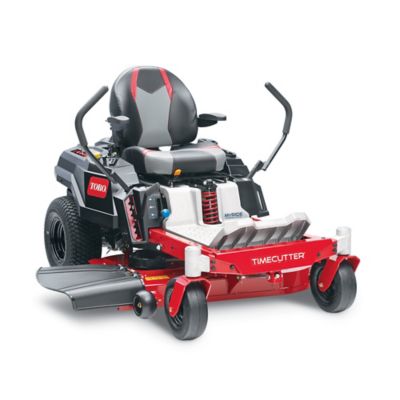
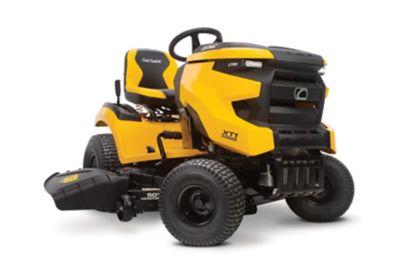
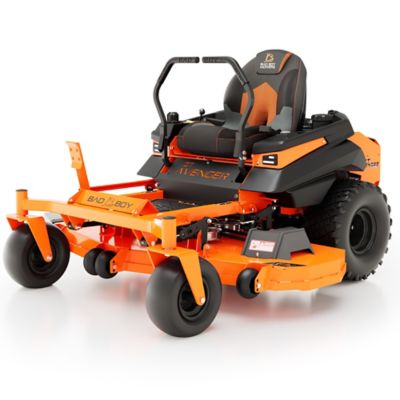
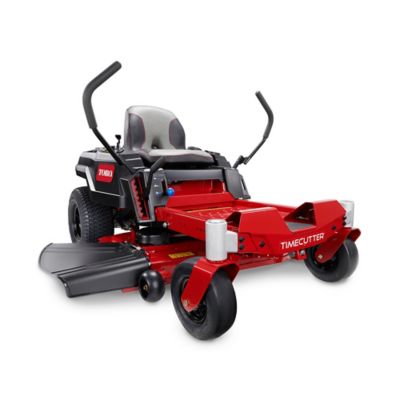
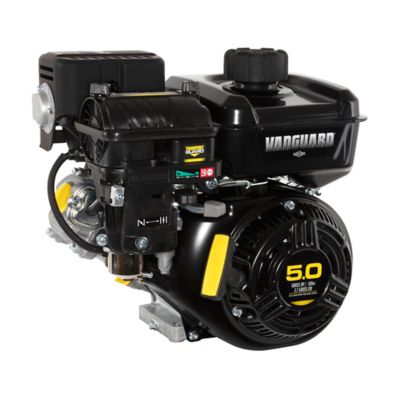
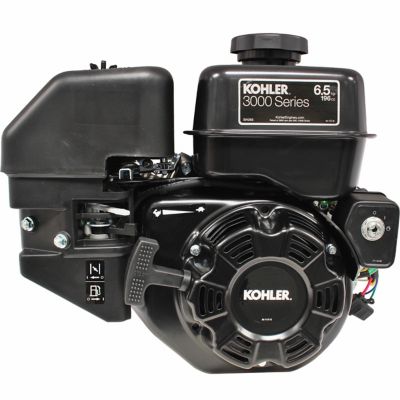
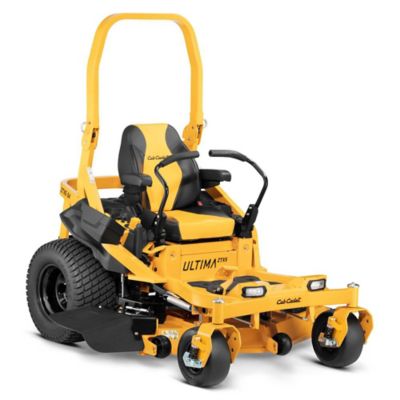
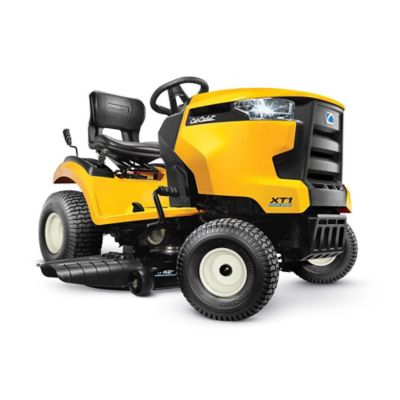
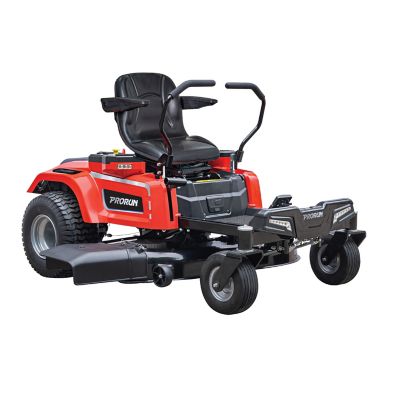
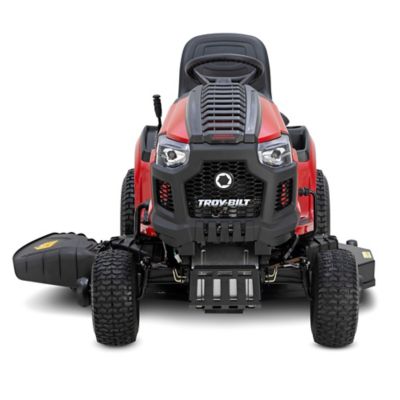
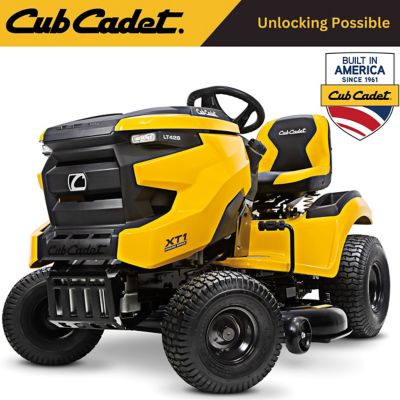
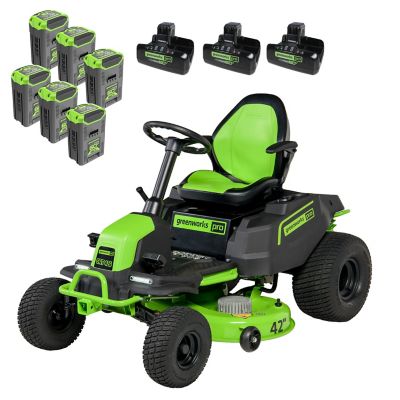
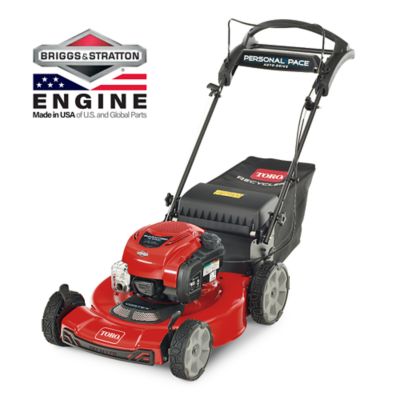
A riding lawn mower engine is the heart of a dependable yard machine, turning fuel and air into the steady power needed to spin the blades, move the mower and handle long stretches of grass. For homeowners with several acres, uneven ground or a big patch of turf to manage, a reliable engine can make mowing feel less like a chore and more like a regular part of keeping the place in good shape. These engines are commonly built with a vertical crankshaft for riding mower applications, and they may use a single-cylinder or V-twin design depending on the mower’s size and workload. Smaller engines can be a practical fit for compact riding mowers and lighter cutting jobs, while larger-displacement engines are better suited to wide decks, thick grass, hills and frequent use. When browsing riding lawn mower engines, start with the mower’s model information and the engine’s original specifications rather than choosing by horsepower alone. The right replacement needs to match the mower’s deck, frame, transmission and intended workload. An engine that is too small may struggle in tall or damp grass, while an oversized engine may not line up with the chassis or provide a suitable match for the mower’s drive system. A good fit helps the mower start smoothly, hold a steady cutting speed and avoid unnecessary strain during the long mowing season.
Fitment details deserve close attention before an engine is purchased. Check the exact crankshaft diameter and length, since the shaft must work with the mower’s pulley, clutch and belt arrangement. A common shaft size is 1 inch, but measurements can vary, and even a small difference may keep the pulley from sitting at the proper height. The shaft orientation should be vertical for most riding mower applications, and the mounting bolt pattern on the engine base needs to line up with the holes in the mower frame. Compare the engine’s overall height and width as well, making sure there is room for the hood, fuel tank, wiring, exhaust and other surrounding parts. Horsepower and cubic-centimeter ratings offer useful guidance, but deck width, terrain and mowing habits matter just as much. A smaller deck used on a relatively level lawn may work well with a single-cylinder engine, while a wider deck or property with multiple acres may call for more displacement and the smoother power delivery of a twin-cylinder design. Consider the starting system, charging setup, throttle and choke connections, fuel requirements, air filtration and muffler arrangement before placing an order. It also helps to gather the mower’s model and serial numbers, the old engine’s identification plate and a few basic measurements. Clear photos of the mounting area, crankshaft and wiring can be useful when comparing specifications. Anyone replacing an engine should be comfortable with draining fuel, disconnecting the battery, removing belts and pulleys and safely supporting the mower. If the swap involves unfamiliar wiring, fuel lines or clutch connections, a small-engine repair shop can save time and prevent damage. For shoppers who are replacing an aging mower rather than rebuilding one, browsing a
Lawn Mower With High Performance Engine may also help put engine performance, deck size and overall mower design into perspective.
A replacement riding lawn mower engine can be a practical choice for a homeowner who has a solid mower chassis and deck but is dealing with a worn-out power plant. It may also suit a landowner who keeps a spare machine ready for rough grass, pasture edges or the back acreage where a walk-behind mower would take all afternoon. Farm families, rural property owners and anyone responsible for maintaining large lawns often appreciate having dependable equipment on hand when the grass grows quickly after rain. These engines are generally not a gift in the usual sense, but they can make a thoughtful choice for someone who enjoys maintaining their own equipment, manages a small farm or takes pride in keeping the homestead looking neat. Before installation, inspect the mower deck, belts, pulleys, battery, fuel system and steering components; installing a new engine on a machine with several other worn parts may not be the best use of time or money. Once the engine is in place, follow the manufacturer’s break-in and maintenance recommendations. Keep the air filter clean, use fresh fuel, check the oil level before each mowing session and inspect belts and fasteners regularly. During the warmer part of the cutting season, dust and grass clippings can build up around cooling fins and intake areas, so brushing away debris helps the engine shed heat. As the weather cools and mowing becomes less frequent, prepare the machine for storage by cleaning the deck, stabilizing or draining fuel as recommended, changing the oil when appropriate and storing the mower in a dry, covered spot. A little attention before the machine sits idle can make the next start much easier. With the right shaft dimensions, mounting pattern, power range and maintenance routine, a riding lawn mower engine can help keep a dependable mower working through thick growth, open stretches of lawn and the everyday demands of rural property care.