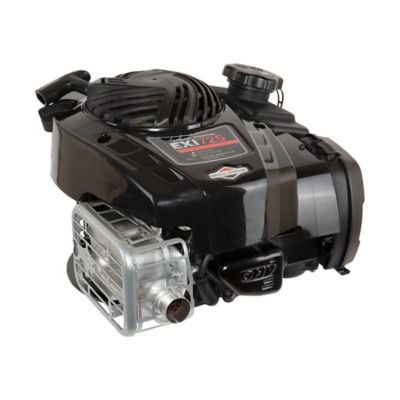
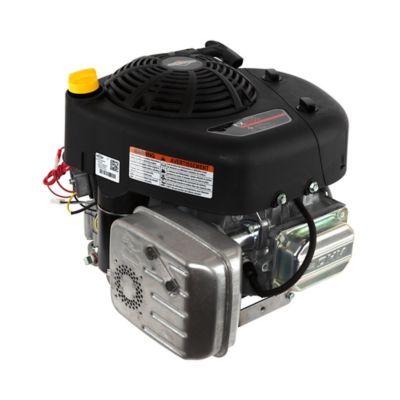
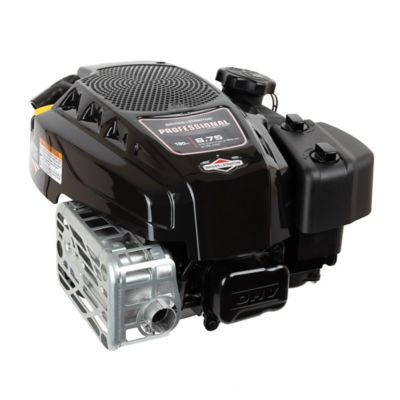
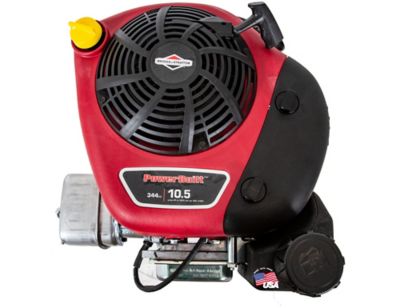
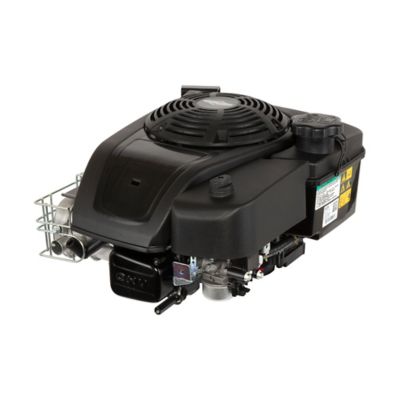
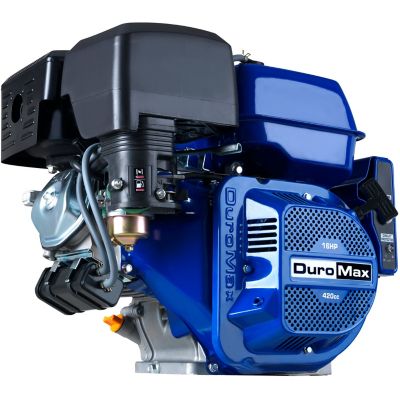
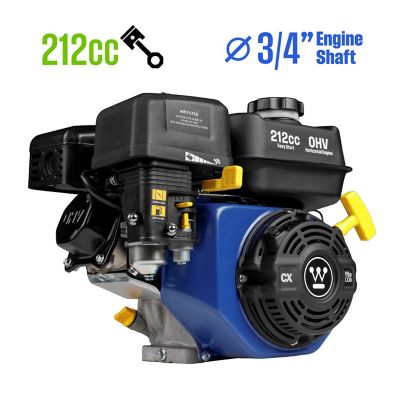
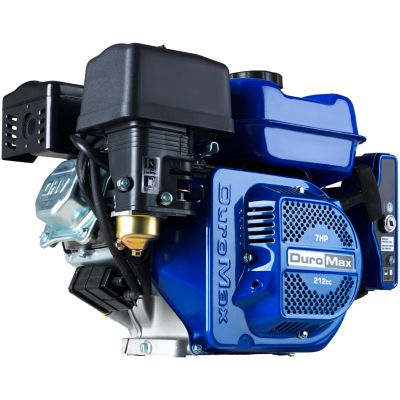
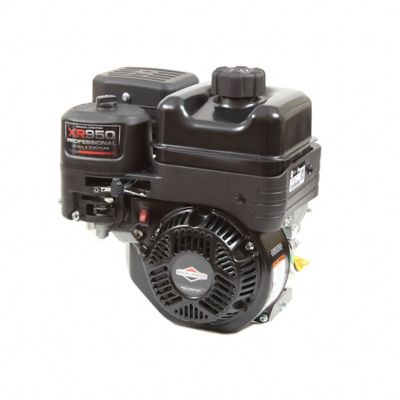
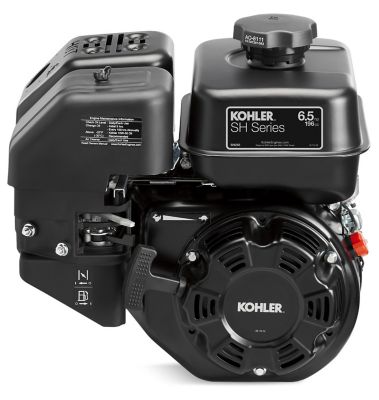
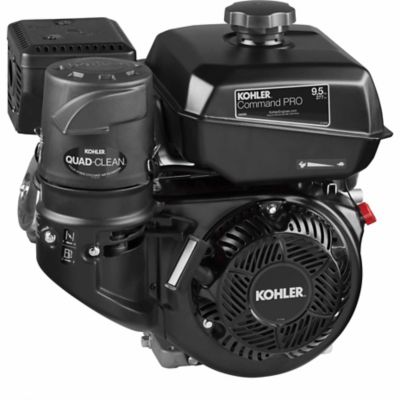
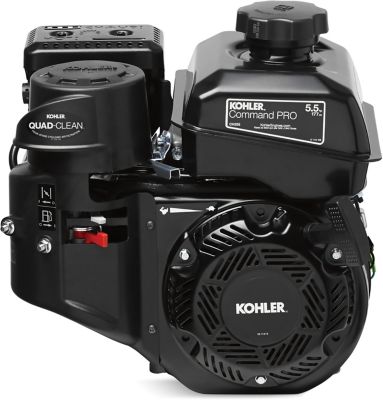
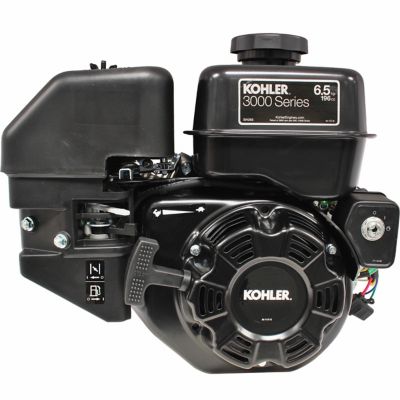
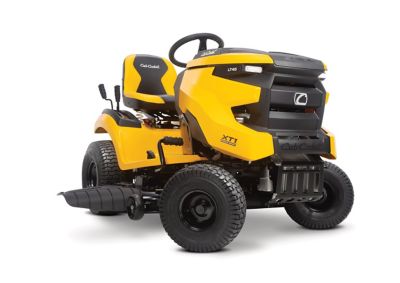
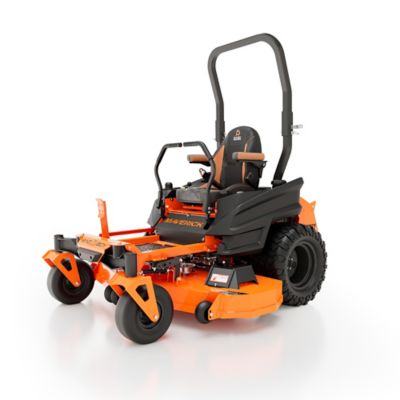
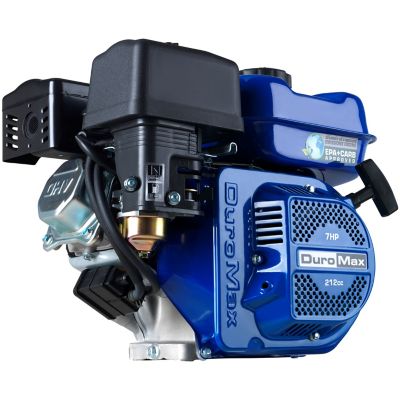
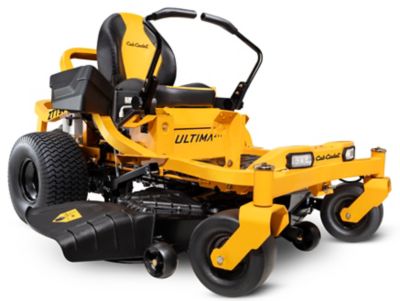
Replacement engines for mowers can give a dependable machine a fresh start when the original engine is worn out, damaged, or no longer worth repairing. A mower that has spent years cutting thick grass, climbing gentle slopes, and bouncing across uneven ground can show plenty of wear even when the deck and frame still have many seasons left in them. Replacing the engine may help bring that familiar mower back to work without replacing the entire machine. These engines are commonly used on push mowers, self-propelled mowers, riding mowers, lawn tractors, and other outdoor power equipment that relies on a small gasoline engine. They may be a practical choice for homeowners caring for a large yard, landowners maintaining paths and open areas, or anyone who prefers to repair useful equipment rather than send it to the scrap pile. Before choosing a replacement, identify the mower and the engine as carefully as possible. Look for the stamped model, type, and code numbers on the blower housing, valve cover, or another engine surface, and compare those numbers with the replacement engine specifications. The mower’s cutting width, deck style, drive system, and intended workload can also help determine the right engine size and configuration. For riding equipment, browse the available
Riding Lawn Mower Engine options and confirm that the engine is intended for the type of mower being serviced.
Exact fit matters when replacing a mower engine. Start by checking the crankshaft, which is the shaft that transfers engine power to the blade, pulley, or transmission. Measure the shaft diameter and length with care, and note whether the shaft is keyed, threaded, or fitted with another connection style. Vertical-shaft mower engines commonly use measurements such as 7/8 inch or 25 millimeters, while riding mower engines may use a 1-inch shaft, but the correct size depends on the mower and original engine. A shaft that is too short may not engage the pulley or blade assembly properly, while one that is too long can interfere with the deck or require an unsafe alteration. Check the crankshaft position, keyway location, and any required hardware before ordering. The mounting pattern deserves the same attention. Many engines use a four-bolt mounting pattern, but the bolt spacing, bolt-circle dimensions, and mounting plate design can vary. Compare the distance between mounting holes, the position of the starter and muffler, and the location of the fuel tank, oil fill, throttle linkage, and electrical connections. Confirm that the replacement engine will clear the mower deck, hood, frame, and other nearby parts. It is also important to match the engine’s power output and operating speed to the mower’s requirements. An engine with too little power may struggle in tall, damp, or heavy grass, while an oversized engine may not work correctly with the mower’s belt, blade, or transmission system. Keep the owner’s manual and the old engine’s identification information close by while comparing specifications. A few minutes spent measuring before purchase can prevent the frustration of lifting an engine into place only to find that a mounting hole, shaft, or control connection does not line up.
Replacing a mower engine is a hands-on project, but it calls for patience, proper tools, and careful attention to safety. Before removing the old engine, park the mower on a firm, level surface, shut off the fuel supply, disconnect the spark plug wire, and remove the battery connection when applicable. Allow the engine to cool completely, drain fuel and oil as directed, and use suitable lifting equipment when handling a heavy riding mower engine. Take clear photos of the throttle cables, wiring, belts, pulleys, and fuel lines before disassembly; those photos can be a big help when it is time to reconnect everything. Inspect the blade, belt, pulley, mounting bolts, and deck while the old engine is out, since worn parts are easier to reach with the engine removed. Follow the replacement engine’s installation instructions, use the recommended hardware, and avoid forcing a connection that does not fit. After installation, check the oil level, fuel lines, cable movement, belt alignment, and electrical connections. Keep hands, loose clothing, and tools away from moving parts during the first test run, and watch for unusual vibration, leaks, smoke, or noise. A properly matched engine can help keep mowing chores manageable through the cooler months and leave equipment ready when grass begins growing again as the weather warms. Replacement engines can also be a useful practical gift for a rural homeowner, weekend property caretaker, or do-it-yourselfer who keeps a mower running with a well-stocked shed and a little know-how. With accurate measurements, compatible specifications, and a careful installation, an old mower can continue trimming fence lines, cleaning up around outbuildings, and keeping the yard looking cared for.