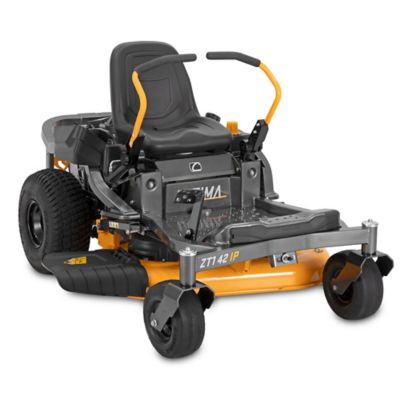
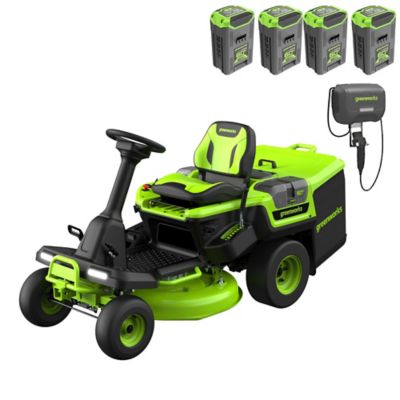
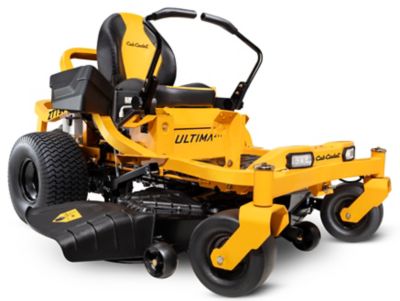
A riding mower has plenty of ground to cover, whether it handles the yard around the house, wide paths between outbuildings, or grass along a long driveway. Riding mower maintenance supplies support the engine, cutting deck, drive system, and other working parts that make those passes possible. The right choices depend on more than the mower’s size or the name on its hood. Model numbers, engine specifications, deck configurations, and maintenance requirements all help narrow the field, especially when two machines look alike but take different replacement parts. Supplies for a
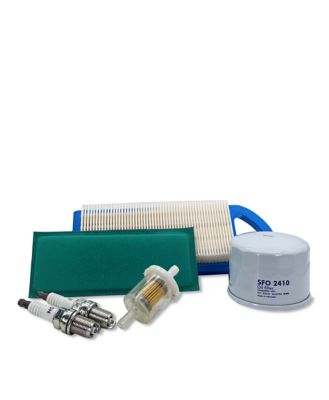
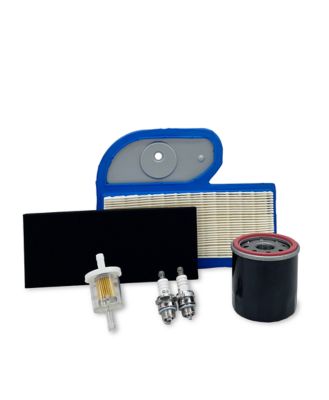
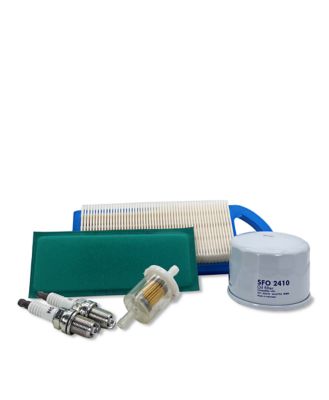
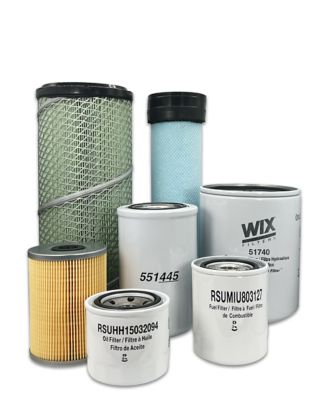
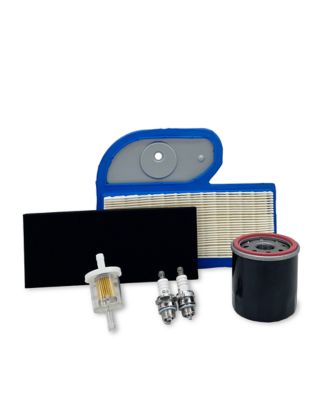
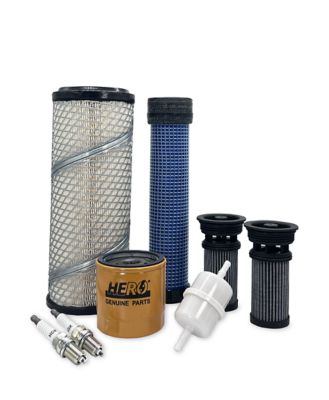
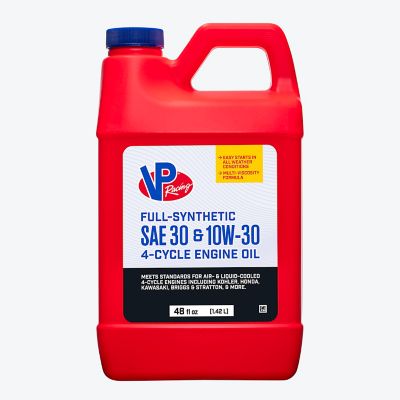
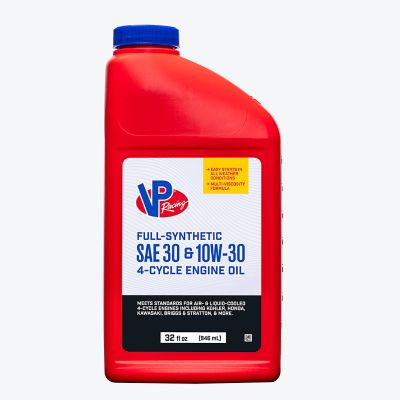
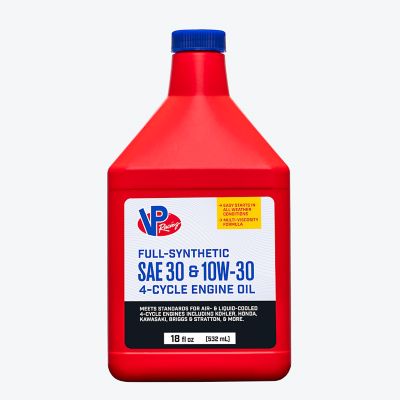
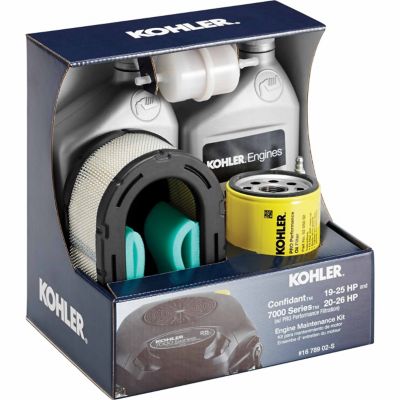
riding mower engine need to match the engine’s requirements, which may be listed separately from the mower’s chassis information. Oil specifications, filter connections, and service intervals belong to that particular setup rather than to riding mowers as a whole. For engine care, the owner’s manual provides the starting point for selecting the proper lubricant classification and viscosity, along with compatible filtration and ignition components. Filter media, seal design, and housing dimensions matter because a part that looks close can still leave a poor seal or interfere with surrounding components. Air filtration deserves particular attention on machines that travel beside gravel lanes or through areas where clippings and dust collect. Fuel-system maintenance supplies also call for a careful match to the engine and its fuel requirements; additives are not interchangeable, and no treatment takes the place of proper fuel handling. For folks maintaining several pieces of equipment, keeping model information straight can save confusion when similar-looking supplies end up on the same shelf. A clearly labeled maintenance kit assembled around each machine’s specifications makes more sense than assuming every engine on the property takes the same thing. This kind of planning keeps the focus on routine care, with supplies chosen for the work the mower actually does and the service schedule its manufacturer recommends.
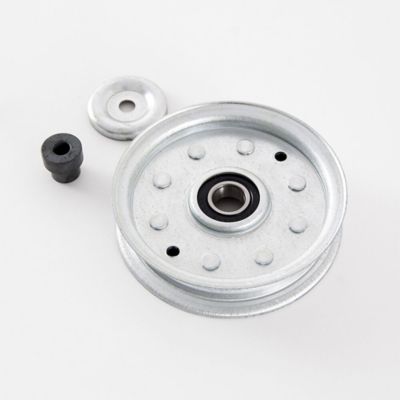
Below the mower, the cutting deck brings together several parts that have to work as a system. Maintenance supplies for this area support an even cut, proper blade movement, and the transfer of power from the engine to the deck. Blade fit involves more than overall length: the mounting opening, width, thickness, offset, and intended discharge arrangement can all affect compatibility. A blade designed for one cutting setup may not suit another, even when both decks share the same stated cutting width. Steel construction and cutting-edge condition influence how a blade handles grass, but extra thickness or a different shape is not automatically an improvement over the specified design. Replacement hardware needs the same attention, since the correct fasteners and mounting arrangement help hold everything in its intended position. Belts have their own fit requirements, including length, width, profile, and construction. Similar-looking belts can behave differently around pulleys, and the belt specified for a deck drive may differ from one intended for the mower’s ground drive. Reinforcement and outer-cover materials are worth considering alongside dimensions, particularly on equipment that handles frequent mowing across a large property. Spindles, pulleys, and bearings also have to match the deck rather than merely resemble the parts being replaced. Lubrication supplies belong in this picture only where the equipment calls for them; some assemblies have service fittings, while others are sealed and do not take added grease. Cleaning supplies and tools can help address packed-on clippings around accessible deck surfaces, with material compatibility important around painted metal, plastic covers, and rubber components. Products intended for general household cleaning are not automatically suited to every mower surface. For a homeowner keeping a tidy lawn or a property caretaker maintaining long stretches of grass, deck care is about preserving the machine’s intended cutting performance. It also means recognizing when wear calls for a matching replacement part rather than another adjustment or a coating applied over the problem.
Riding mower upkeep reaches beyond the engine and deck to the battery, tires, controls, and connections that make the machine ready for work. Battery maintenance supplies require attention to battery chemistry, voltage, terminal arrangement, and the manufacturer’s charging recommendations. A charger that suits one battery is not necessarily appropriate for another, and a physically similar replacement can still have terminals in the wrong position. Connection-care products should be selected for their intended electrical application, with care around nearby finishes and materials. Tires bring another set of details, from sidewall size markings and rim fit to tread pattern and load requirements. Front and rear tires often serve different roles, so matching appearance alone does not settle the choice. Pressure-measuring tools help support the mower’s specified setup; uneven inflation can affect how the machine sits and may contribute to an uneven cut. Tire sealants and repair supplies also have limits, making the tire’s construction and the location and extent of damage important considerations. Across all these maintenance jobs, good-fitting tools, appropriate collection containers, and clear measuring marks help keep supplies organized and reduce mix-ups. Containers for fresh fluids should remain separate from those holding drained fluids, and disposal needs to follow local requirements rather than sending oil or fuel onto the ground. Storage matters, too: closed containers, readable labels, and a sheltered space away from children, animals, and ignition sources help protect both the supplies and the property around them. Gloves and eye protection suited to the task round out the practical side of mower care, while the equipment manual remains the reference for safe shutdown, access, and service procedures. For acreage owners and anyone responsible for keeping grass cut around barns, sheds, and fence lines, a maintenance setup built around the actual machine is easier to manage than a shelf full of almost-right parts. Thoughtful selection supports regular attention to wear, cleaner service work, and fewer interruptions when there is mowing to finish.