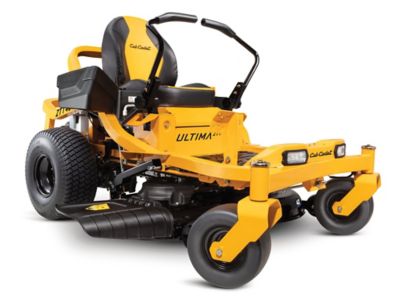
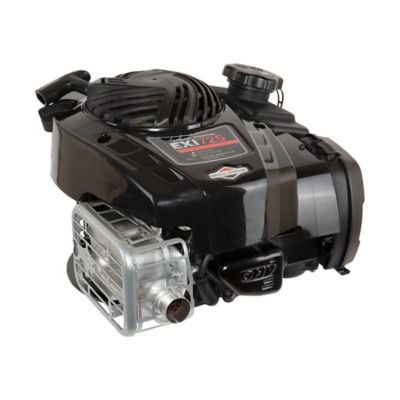
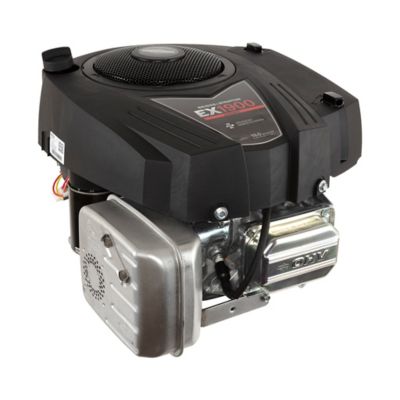
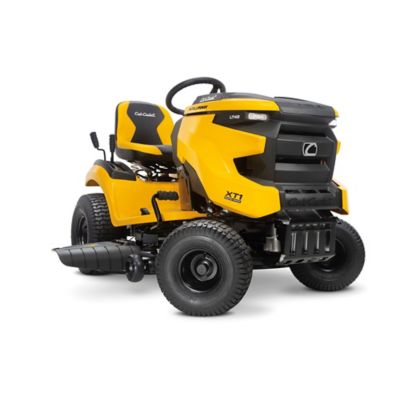
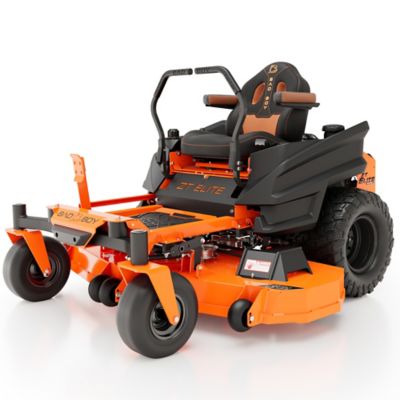
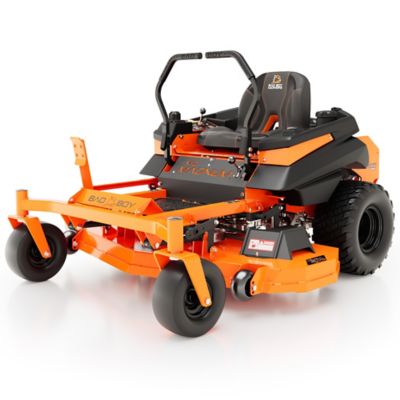
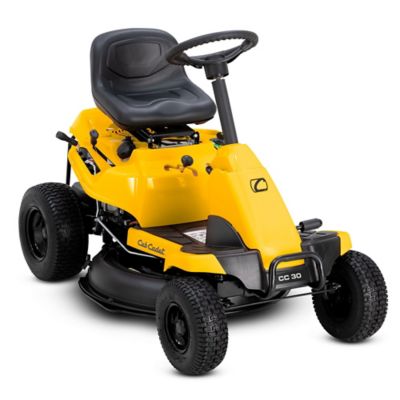
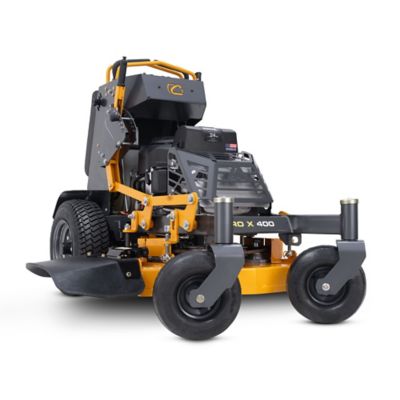
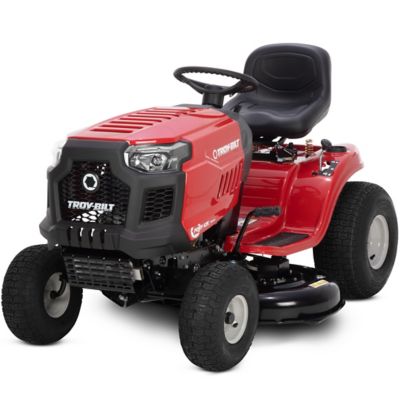
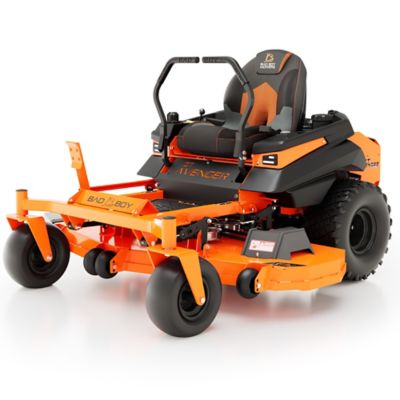
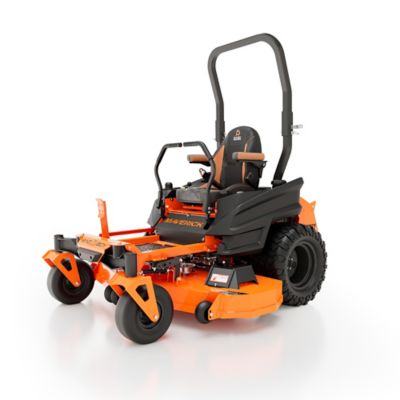
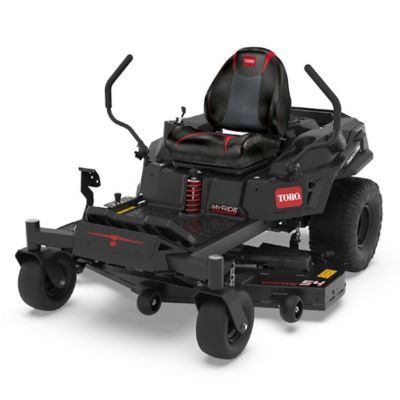
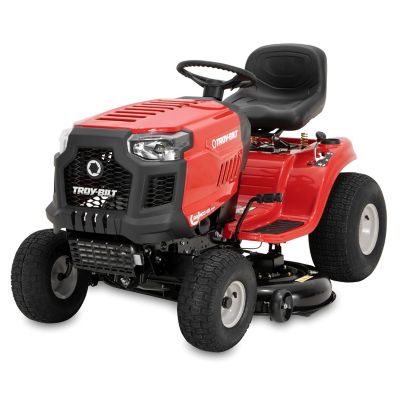
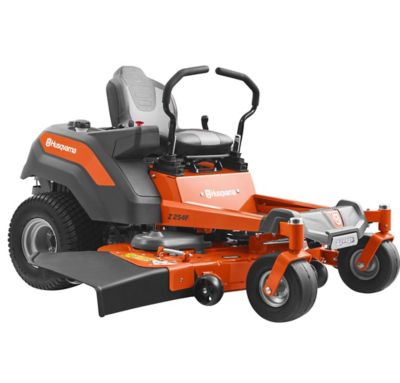
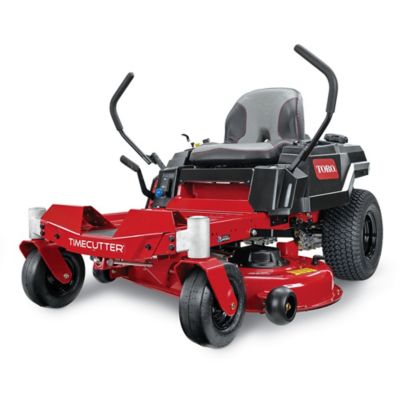
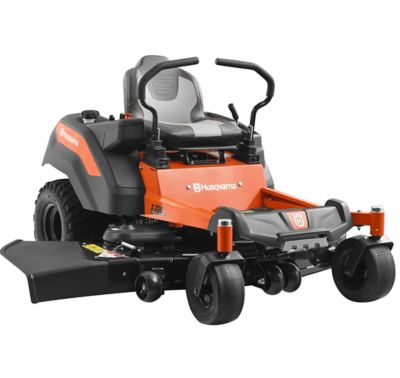
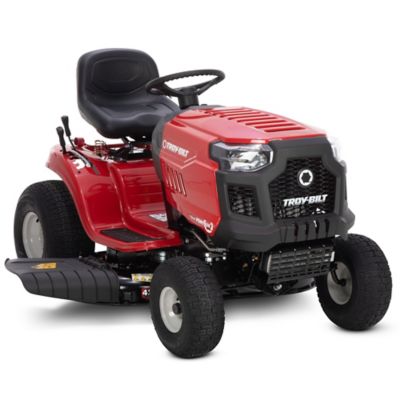
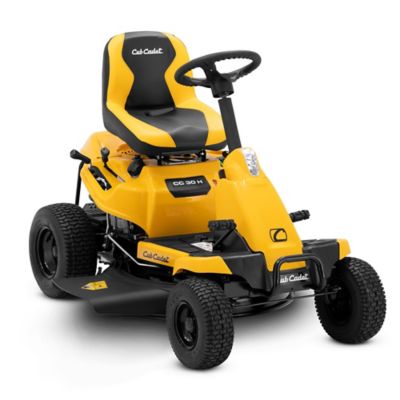
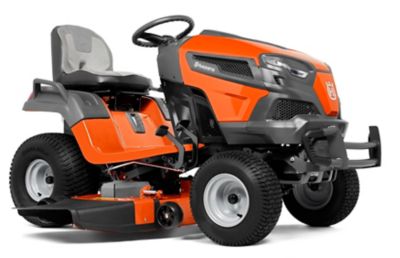
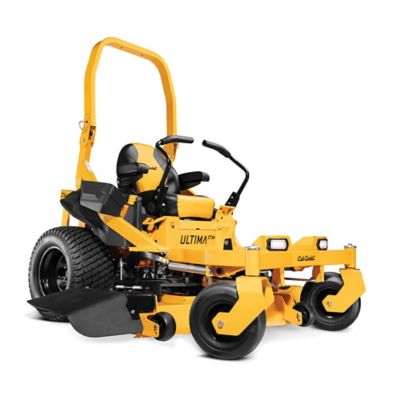
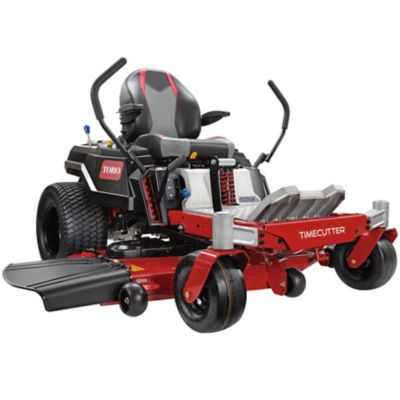
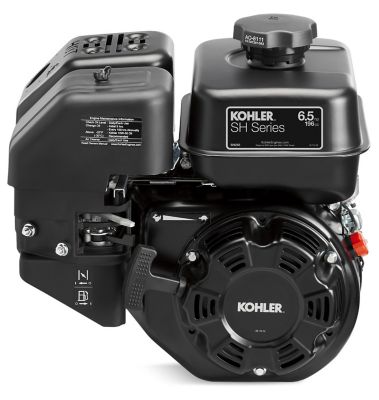
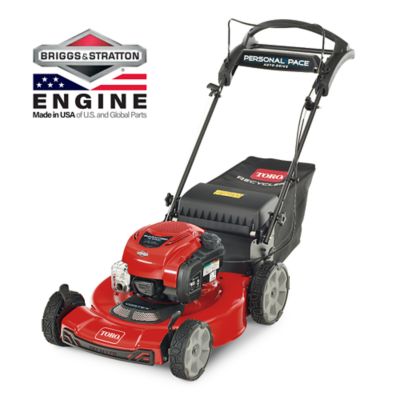
A riding mower engine is the heart of a dependable lawn tractor or zero-turn mower, turning fuel into the power needed to spin the cutting deck, drive the transmission and handle long stretches of grass. When an engine is worn out, damaged or simply no longer worth repairing, a replacement can help bring a familiar machine back to work. These engines are commonly available in vertical-shaft configurations for riding mowers, with options ranging from compact single-cylinder designs for smaller residential yards to larger V-twin engines built for wide decks, heavier use and properties that cover several acres. Horsepower and displacement matter, but they are only part of the fit. Before choosing an engine, write down the mower’s make, model and serial information, then compare the original engine’s horsepower, displacement, shaft size, shaft length, rotation, mounting pattern and electrical connections. A common crankshaft diameter is 1 inch, but the exact length and keyway arrangement still need to match the drive pulley and other mower components. The engine also needs the right vertical shaft orientation and a mounting base that lines up with the chassis. A little time spent measuring can save a frustrating afternoon of trying to make an almost-right engine work. If the mower has a narrow deck and sees regular trimming around a home, a properly sized single-cylinder engine may offer plenty of practical power. Larger decks, thick turf, hills and frequent mowing may call for greater displacement or a V-twin configuration that delivers smoother power under load. Keep in mind that more power does not automatically make every mower better; the replacement should be suitable for the transmission, deck and frame that are already on the machine. For additional equipment options, browse
Riding Lawn Mowers to compare complete machines when an engine replacement is not the best route.
Riding mower engines are a practical choice for property owners, small-acreage farmers, landlords, groundskeepers and anyone who depends on a mower to keep paths, pastures and home lawns in hand. They can also make a thoughtful gift for a handy family member who would rather repair a trusted mower than replace it, especially when that mower has a comfortable seat, a familiar control layout or sentimental value. The best engine for the job depends on how the machine is used. A mower that cuts a tidy suburban lawn every week has different demands than one that tackles rough grass around a barn, orchard or gravel drive. Consider the deck width, the terrain, the amount of mowing, the condition of the mower’s transmission and the time available for upkeep. If the rest of the machine is solid, replacing the engine may be a sensible way to extend its working life. If the frame is heavily rusted, the steering is loose, the deck is cracked or the transmission is failing, the cost and labor of an engine swap may not make sense. Check whether the replacement includes the parts needed for installation, such as an air cleaner assembly, muffler, fuel lines, wiring connectors or a fuel pump, since those details vary by application. It is also wise to inspect the mower before ordering. Look for oil leaks, damaged pulleys, worn belts and bent deck components, and take clear measurements of the crankshaft and mounting area. Anyone installing an engine should be comfortable disconnecting the battery, draining fuel and oil, removing the deck or pulley as needed and following the engine maker’s instructions. Work on a level surface with the ignition key removed, the spark plug wire disconnected and the parking brake set. Keep fuel away from sparks and hot surfaces, support heavy parts securely and use proper lifting equipment rather than trying to muscle an engine into place. When the installation is complete, confirm that the throttle and choke operate smoothly, the wiring is routed safely, the pulley is aligned and all fasteners are tightened before starting the mower.
A replacement riding mower engine will give the best service when it is treated to steady, simple maintenance. Clean or replace the air filter at the recommended intervals, use the correct oil and change it on schedule, and inspect the spark plug, fuel filter and cooling fins as part of routine care. Grass clippings and dust can build up around the engine shroud and restrict airflow, especially after mowing dry fields or tall weeds, so brush away debris once the engine has cooled. Fresh fuel and a clean fuel system help reduce hard starting, rough running and unnecessary wear during the cooler months or after the mower has been stored. Before parking the machine for an extended stretch, follow the engine instructions for fuel storage, stabilize the fuel if appropriate, clean the mower and keep it covered in a dry, well-ventilated place. As the weather warms and mowing picks back up, check the oil level, battery, tire pressure, belts and blade condition before the first full cutting job. A dull blade makes the engine work harder and can leave the lawn looking ragged, while an overloaded deck can bog down even a healthy engine. Listen for changes in sound, watch for excessive vibration and stop the mower if smoke, fuel leaks or unusual knocking appears. Matching the engine to the mower’s shaft, mount and power requirements is the foundation, but careful installation and regular maintenance are what keep that power working season after season. Whether it is helping maintain a few acres, keeping a family place looking sharp or getting an old workhorse ready for another round of grass cutting, the right riding mower engine can make routine yard work feel a whole lot more manageable.