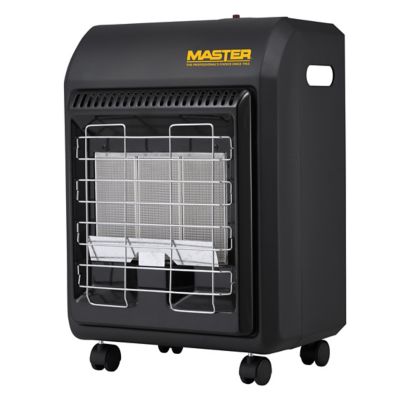
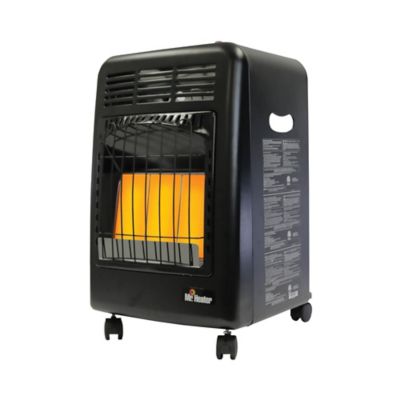
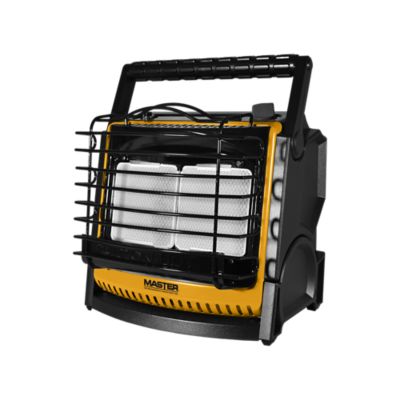
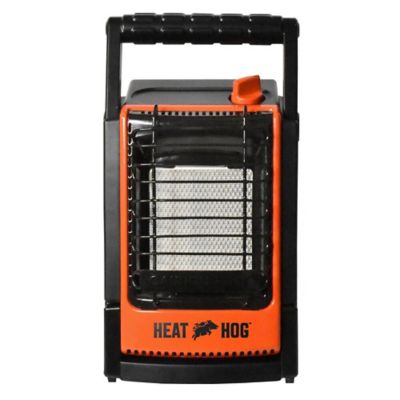
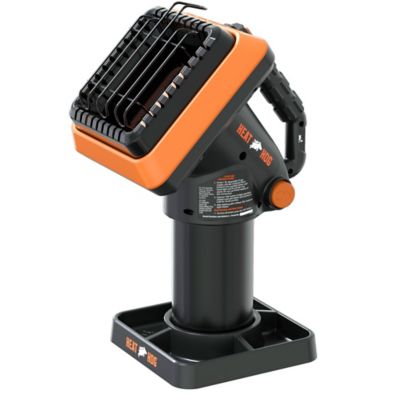
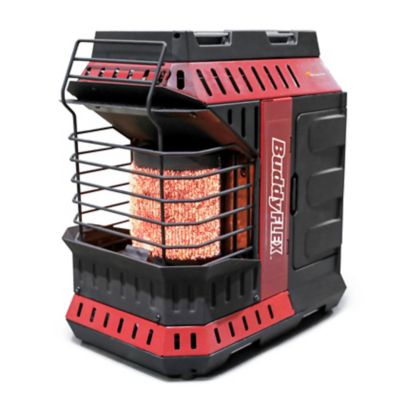
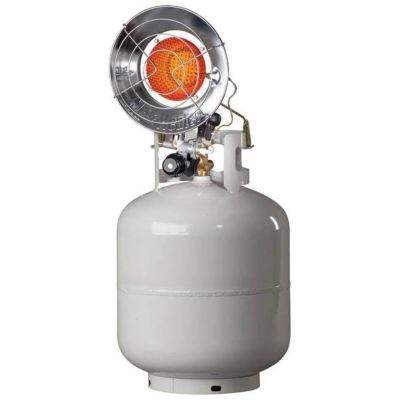
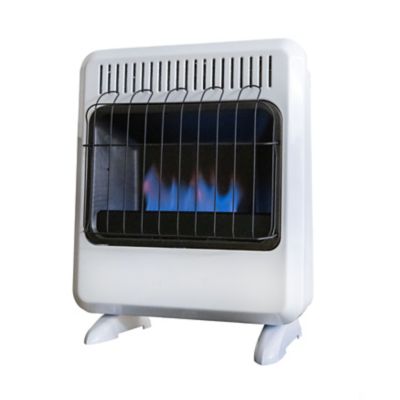
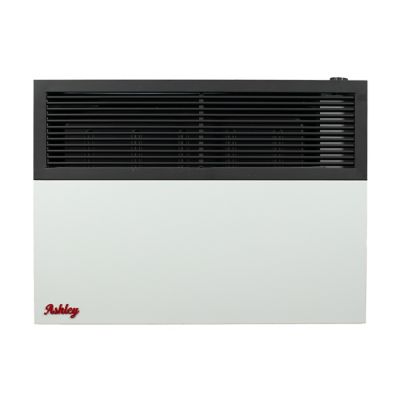
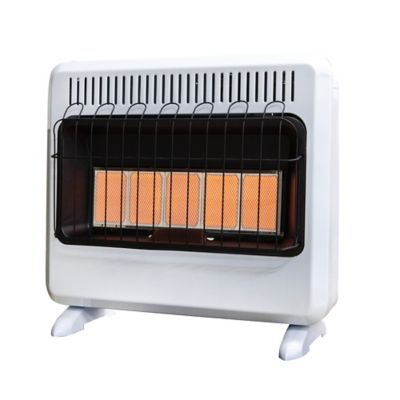
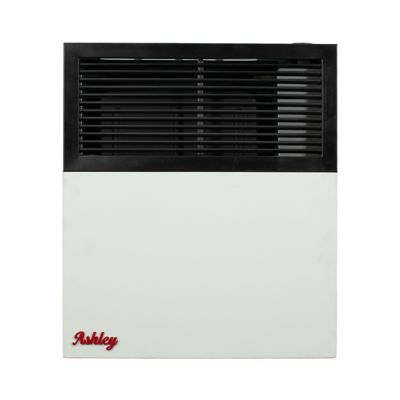
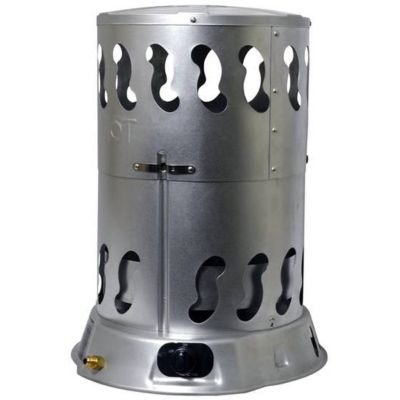
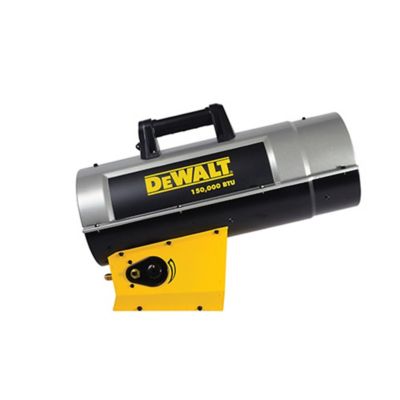
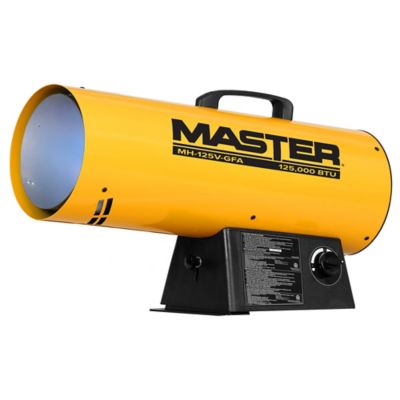
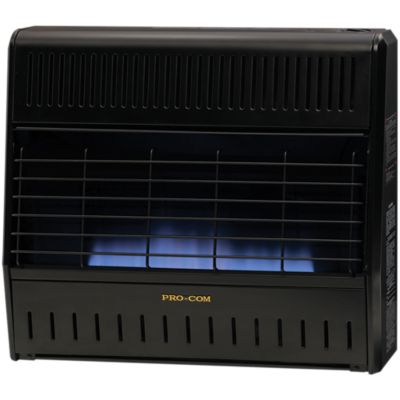
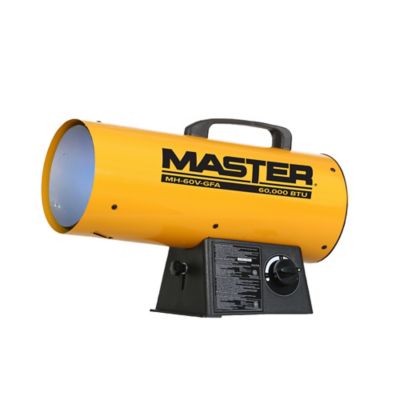
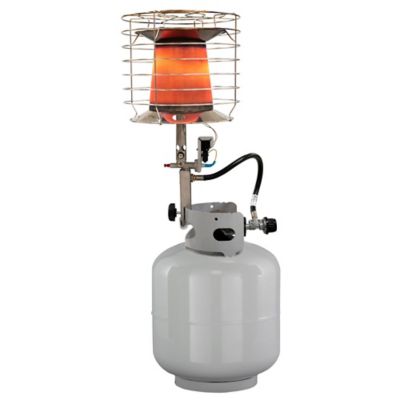
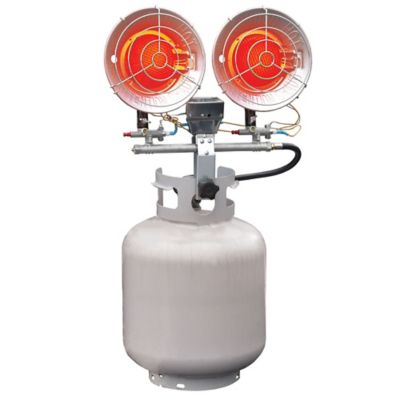
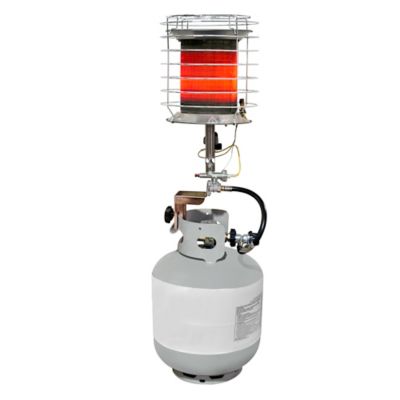
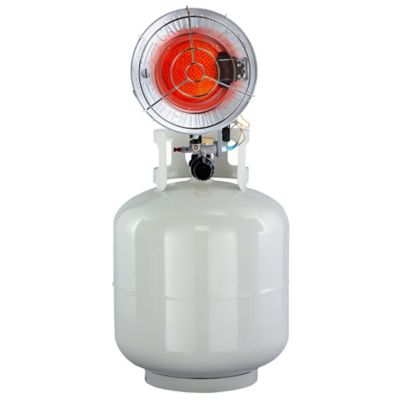
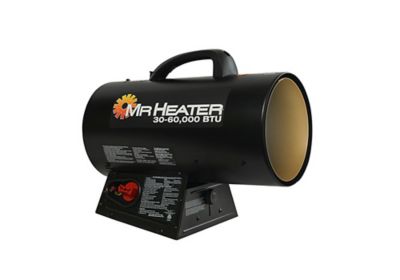
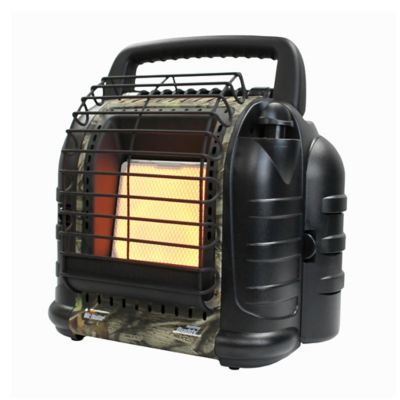
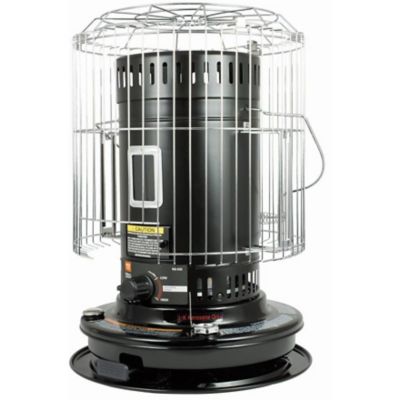
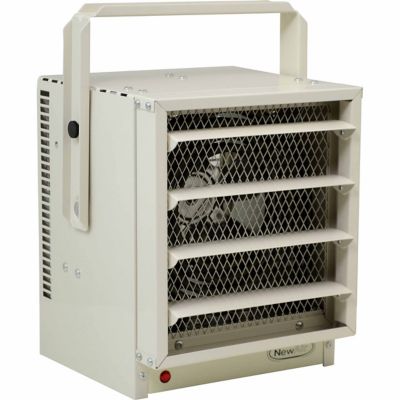
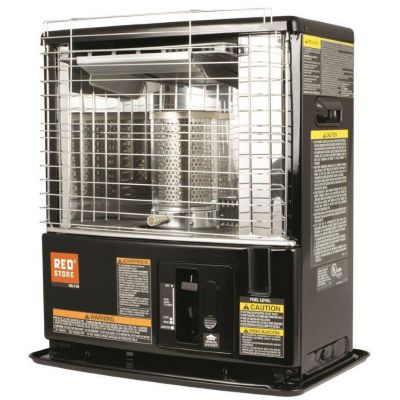
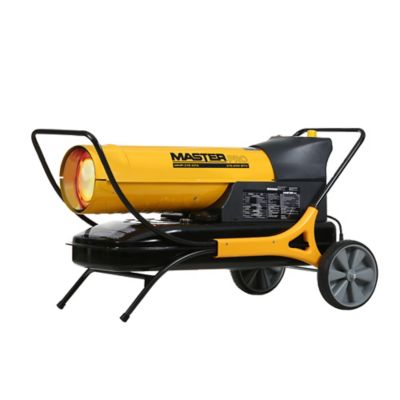
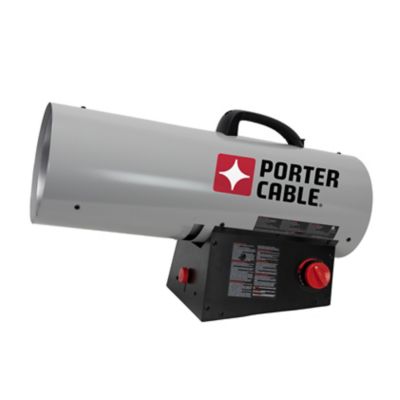
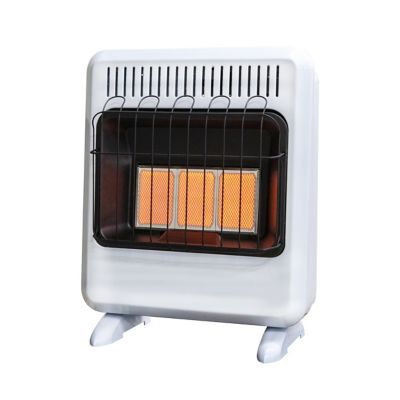
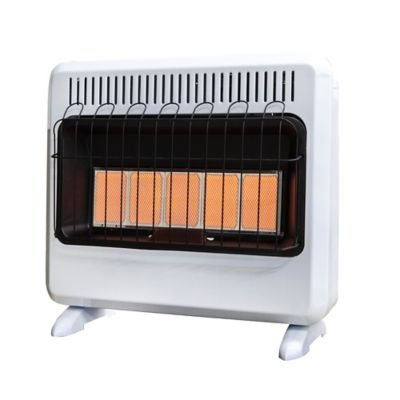
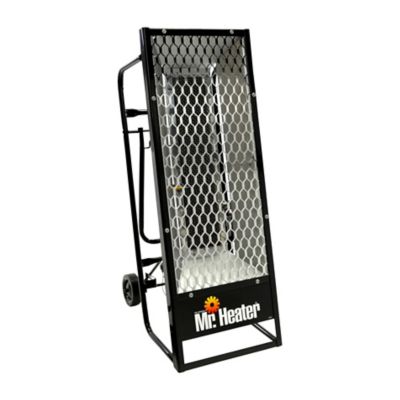
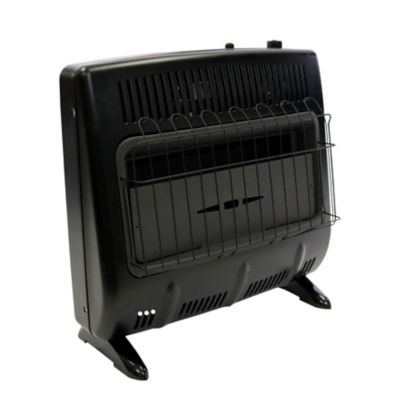
Propane garage heaters are a practical way to take the edge off a chilly workspace, barn shop, detached garage or equipment bay when the weather turns cooler. They use liquid propane to produce heat, making them useful in places where extending a home heating system is difficult or where electric service may not be set up for a high-output heater. A warm garage is more comfortable for everything from changing a tire and servicing a mower to building cabinets, repairing fence equipment or getting an early start on outdoor chores. Propane heat can also help protect people, tools and materials from cold conditions, though a heater should never be used to heat a living area, vehicle interior or any space that is not approved by the manufacturer. Portable forced-air heaters, sometimes called torpedo heaters, are built to push a strong stream of hot air across a larger area in a short amount of time. They are handy for temporary work, open-sided structures and jobs where the heater needs to be moved from one place to another, but they can be noisy and generally need plenty of fresh-air circulation. Radiant or infrared heaters warm people, tools and nearby surfaces directly instead of trying to heat every bit of air, which can make them a good fit for a workbench, service area or spot where a person spends most of the day. Wall-mounted and ceiling-mounted units offer a more permanent setup, keep the floor clear and may provide steadier heat for an enclosed workshop. Some permanent heaters vent combustion gases outdoors through approved venting, while vent-free models release heat into the room and may add moisture. Local building and fire codes can affect which type is allowed, so check those requirements before choosing a heater or planning an installation.
The right propane garage heater depends on the size and construction of the space, how often it will be used and whether you need quick, temporary warmth or regular whole-room heating. Measure the garage or shop and consider ceiling height, the number of vehicle bays and how well the walls, doors and ceiling are insulated. An uninsulated metal garage loses heat quickly every time a roll-up door opens, while an insulated space may stay comfortable with a lower-output heater that runs more steadily. Heater output is commonly listed in BTUs, or British thermal units. More BTUs are not automatically better; an oversized heater may cycle frequently, waste fuel or make one area uncomfortably hot while leaving other areas cool. A smaller portable heater may use a 1-pound cylinder or a 20-pound tank for short jobs, while higher-output or longer-running setups may call for a larger cylinder, an approved hose and regulator or a stationary propane supply. Always match the fuel connection, regulator and tank size to the heater instructions, and keep cylinders upright in a secure, well-ventilated location away from sparks, flames and vehicle traffic. Look for useful features such as adjustable heat settings, automatic shutoff protection, overheat protection, a stable base, an easy-start ignition and a thermostat when steady temperatures matter. A built-in fan can help move warm air around a larger shop, while a mounted unit can free up room beneath a workbench or along a wall. For someone who enjoys working on tractors, restoring old machinery or spending weekends on woodworking projects, a propane heater can be a thoughtful gift when paired with practical safety items such as a carbon monoxide alarm, replacement hose approved for the unit or a propane gauge. It is worth remembering that propane heaters consume oxygen and, depending on their design, can produce carbon monoxide, water vapor and other combustion byproducts. Read the owner’s manual before operation, provide the required ventilation and never block air openings. A carbon monoxide alarm is an important extra layer of protection, but it does not replace proper ventilation, inspection and safe operation. More information on choosing and using these units is available in our
Safe Propane Heaters resource.
Set up the heater on a level, noncombustible surface with the clearance listed by the manufacturer. Keep it away from gasoline, diesel, paint, sawdust, cardboard, hay, bedding, oily rags and other materials that can catch fire, and do not place clothing or tools on top of the unit. Garages often hold more fuel and flammable supplies than people realize, so take a careful look around the work area before lighting a heater. Never leave a portable heater running unattended, while sleeping or inside a closed garage with a vehicle engine operating. Carbon monoxide has no color or smell, and opening a garage door a small amount may not provide the airflow a heater requires; follow the specific ventilation instructions instead. Before each use, inspect the hose, fittings, tank and power cord for cracks, wear or damage, and brush away dust from air intakes once the heater is cool. A propane odor, hissing sound, damaged connection or yellow, irregular flame is a reason to shut the heater off, close the tank valve if it is safe to do so and have the equipment checked by a qualified professional. Mounted or vented systems should be installed according to local code, with gas connections and exhaust work handled by a licensed technician when required. Good planning also includes thinking about where heat will collect, how air will move around vehicles and benches, and whether doors can open without contacting the heater. With the right output, fuel setup, ventilation and placement, propane garage heaters can make a cold shop more workable without taking up valuable floor space. They are especially useful during the cooler months, when a little dependable warmth can turn a hard-to-face morning repair into a more comfortable chore.